


Manure Biogas Plants: Turning Waste into Energy and Organic Fertilizer
For modern farms, managing livestock manure is a constant challenge. It's more than just disposal; it's about handling odors, nutrient runoff, and greenhouse gas emissions.
A manure biogas plant offers a powerful solution. It's a controlled system that converts animal waste into renewable energy and valuable by-products. This technology transforms a liability into a source of income and environmental stewardship.
This process, known as anaerobic digestion, happens in a sealed tank called a digester. Beyond energy, it produces a nutrient-rich digestate that is a superior organic fertilizer.
This article explains how these systems work, their real benefits, and what you need to consider if you're looking at installing one on your farm.
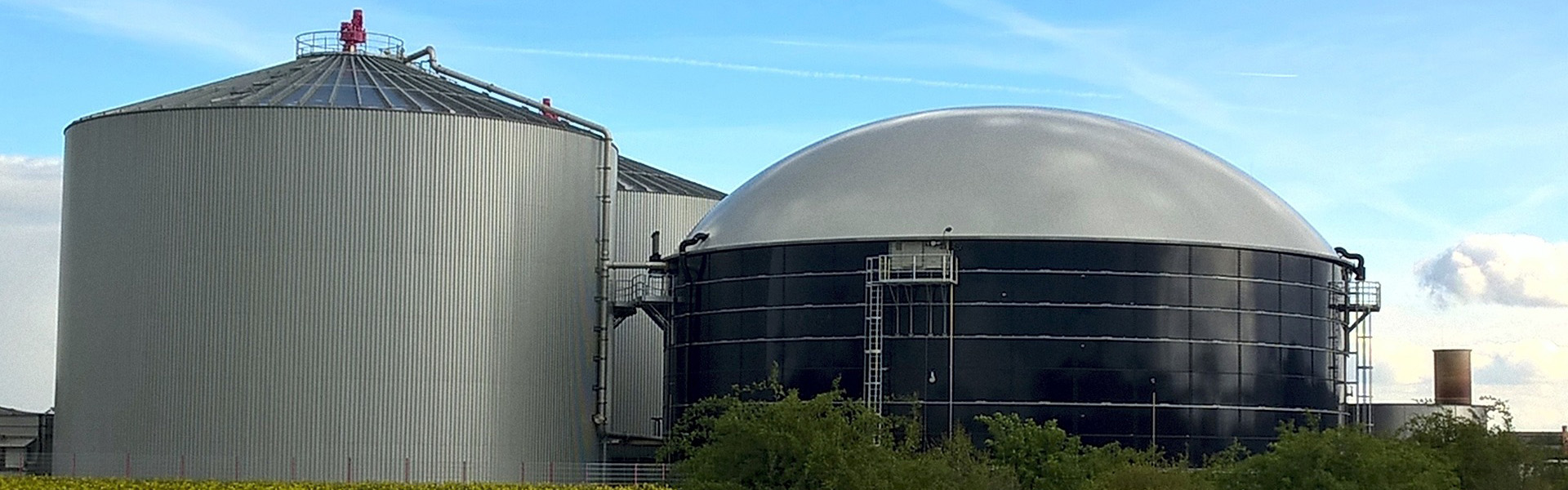
How a Manure-Based Anaerobic Digestion System Works
A manure biogas plant is an engineered ecosystem for microbes. It accelerates and controls the natural decomposition that would otherwise occur in an open lagoon.
The core component is the anaerobic digester, an airtight tank. Inside, bacteria break down organic matter in the absence of oxygen. This biological process releases biogas, primarily a mix of methane (CH4) and carbon dioxide (CO2).
The system starts with manure collection. Slurry from barns is often pumped directly into a reception pit. From there, it is fed into the digester. Consistent feeding is key for stable gas production.
Temperature is carefully controlled. Most agricultural systems operate in the mesophilic range (around 35-40°C / 95-104°F), which balances gas yield with operational energy needs. Some plants use thermophilic temperatures for faster digestion and pathogen reduction.
The biogas collects at the top of the digester. It is then piped away for use. The remaining liquid and solid material, called digestate, is stored until it can be used as fertilizer.
Key Benefits: More Than Just Gas
Investing in a farm-based anaerobic digester delivers a multi-layered return. The advantages extend far beyond the energy meter.
Renewable Energy Production
The primary product is biogas. On-site, it can fuel a combined heat and power (CHP) unit to generate electricity for the farm and heat for barns or homes. Alternatively, it can be upgraded to renewable natural gas (RNG) and injected into the gas grid or used as vehicle fuel.
Enhanced Nutrient Management
The digestion process stabilizes nutrients. The resulting digestate fertilizer has several advantages over raw manure. Its nutrients are more readily available for plant uptake, and its application is more consistent.
Digestate also has a significantly reduced odor profile compared to raw manure. This makes spreading less disruptive to neighbors and allows for more flexible application timing.
Environmental Compliance and Carbon Credits
A manure biodigester directly mitigates methane emissions that would escape from manure storage. This represents a major reduction in the farm's greenhouse gas footprint.
This reduction can be monetized through carbon credit markets or government incentive programs. It also positions the farm as a leader in sustainable agriculture.
Pathogen and Weed Seed Reduction
The sustained temperature inside the digester reduces the viability of many pathogens and weed seeds present in raw manure. This results in a safer, more manageable fertilizer product.
System Design and Technology Choices
Not all manure biogas plants are the same. The design depends on manure type, farm size, climate, and end goals.
Digester Types
The continuous stirred-tank reactor (CSTR) is the most common design for slurry manure. A mechanical agitator regularly mixes the contents, ensuring consistent temperature and contact between bacteria and feedstock.
Plug-flow digesters are often used for thicker manures, like dairy cow manure with a high solids content. The material enters one end and slowly "plugs" its way to the outlet, with minimal mixing.
For farms with existing lagoon storage, a covered anaerobic lagoon can be a lower-cost option. A large impermeable cover is placed over the lagoon to capture the biogas. It's less efficient in cooler climates but effective for certain situations.
Co-digestion: Boosting Gas Yield
Many farm-based plants practice co-digestion. This means adding other organic waste streams alongside manure, such as food processing waste, fats, oils, or energy crops.
These co-digestion substrates are typically high in energy, dramatically increasing biogas production. They can turn a manure-only system from a waste management tool into a significant energy business. However, they require careful management and may involve permitting for waste handling.
Gas Utilization and Upgrading
The simplest use is a CHP engine. For grid injection or vehicle fuel, a biogas purification system is needed. This technology, often based on membrane separation or amine scrubbing, removes CO2 and impurities to create pipeline-quality RNG.
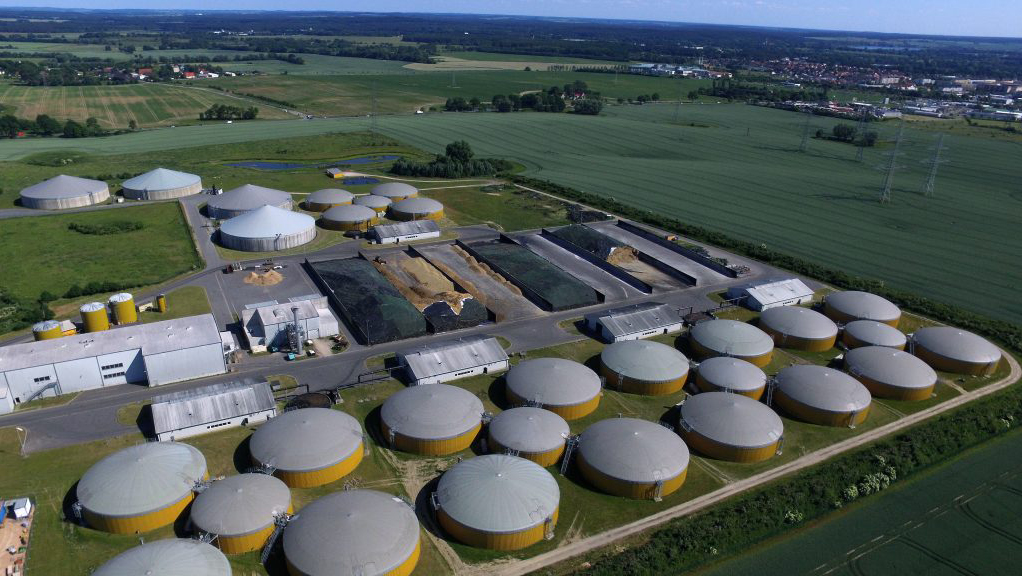
Economics: Costs, Revenue, and Feasibility
The financial viability of a manure biogas plant is built on multiple revenue streams, not just energy sales.
Capital costs are significant. For a mid-sized farm system, they can range from hundreds of thousands to several million dollars. Costs depend on digester size, technology complexity, gas cleaning equipment, and site-specific construction needs.
Key revenue sources include:
Sale of electricity or heat.
Sale of RNG (often at a premium).
Government feed-in tariffs or renewable energy incentives.
Value of digestate fertilizer as a replacement for synthetic fertilizers.
Tipping fees for accepting co-digestion materials.
Revenue from carbon credits or renewable fuel credits (like RINs in the US).
A feasibility study is an essential first step. It will analyze your specific manure volume, energy potential, local incentives, and potential partnerships for waste intake or gas off-take.
Operation, Maintenance, and Professional Services
Running a biogas plant is a daily commitment. It requires monitoring feedstocks, digester temperature, pH, and gas quality.
Common maintenance tasks include agitator and pump servicing, removing grit and sediment, and managing the digestate storage. For CHP units, engine maintenance follows a strict schedule.
Because of this complexity, most successful farms work with experienced engineering firms. These companies provide turnkey biogas plant services, from initial design and permitting to construction and commissioning.
Long-term biogas plant maintenance contracts are also common. They ensure technical support is available quickly, minimizing costly downtime. For many farmers, this professional partnership is the key to a smooth and profitable operation.
Frequently Asked Questions (FAQs)
Q1: How much manure do I need to make a biogas plant worthwhile?
A1: There's no universal threshold, as it depends on manure type, energy prices, and incentives. As a rough guide, a dairy farm with 500+ cows or a swine operation with 2,000+ head often has the scale to justify a dedicated plant. Smaller farms can explore cooperative or community-scale digesters that aggregate manure from multiple sources.
Q2: Can a manure-only digester produce enough energy to be profitable?
A2: A manure-only system produces a steady, reliable stream of biogas, but the yield per ton is lower than with energy-rich co-substrates. Its profitability often relies heavily on the value placed on environmental benefits (carbon credits), fertilizer savings, and odor control. Adding even small amounts of co-digestion materials can dramatically improve the project's financial return.
Q3: What are the biggest operational challenges with a farm-based digester?
A3: Consistency is the biggest challenge. Maintaining a stable feedstock recipe, temperature, and bacterial health is critical. Unexpected materials (like plastics, sand, or antibiotics) can disrupt the process. Mechanical failures of agitators or pumps are also common operational issues that require prompt attention to avoid process upsets.
Q4: Is the digestate safe and good as a fertilizer?
A4: Yes. The anaerobic digestion process creates a more homogeneous and stable fertilizer. Nutrients like nitrogen are converted into forms more easily absorbed by plants. The reduction of pathogens and odor is also a major benefit. It should still be applied responsibly according to a nutrient management plan, but it is generally a superior product to raw manure.
Q5: How long does it take to build a manure biogas plant, and what permits are needed?
A5: From initial planning to commissioning, a project typically takes 18 to 36 months. The permitting phase can be lengthy, involving environmental, building, electrical, and possibly waste handling permits. If the gas will be injected into a utility pipeline, an interconnection agreement is required, which adds significant time and complexity. Working with an experienced developer is crucial to navigate this process.