


News
We'll get back to you as soon as possible.
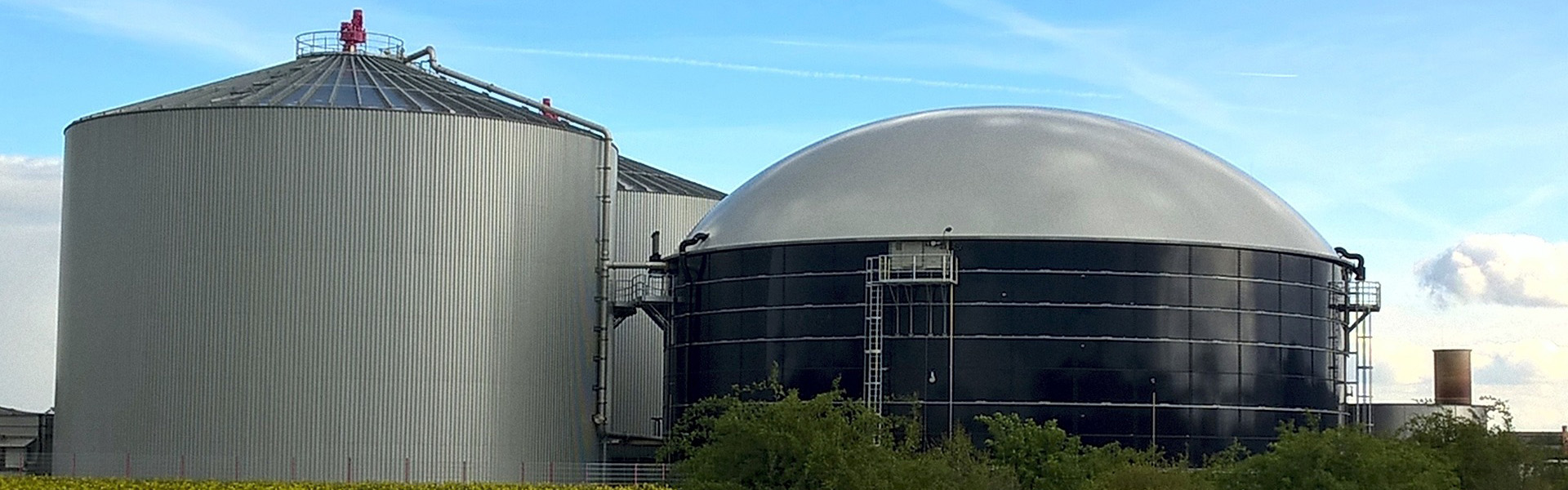
High Rate Anaerobic Digester: The Engine for Efficient Industrial Biogas Production
For industries facing high-strength wastewater, treatment is often seen as a pure cost center. But with the right technology, it can transform into a source of renewable energy and significant operational savings. This is where the high rate anaerobic digester becomes a critical asset.
Unlike conventional digesters, a high rate anaerobic digester is engineered for speed and space efficiency. It retains slow-growing anaerobic microbes within the system while processing large volumes of wastewater rapidly. The result is a compact, powerful system that consistently produces biogas from organic pollution.
This article explains how this technology works, where it applies, and what to consider when investing in one for your operation.
What is a High Rate Anaerobic Digester? Core Principles
A hig rate anaerobic digester distinguishes itself through its design philosophy. The core goal is to maximize the concentration of active biomass (the microbes) separately from the hydraulic flow.
Traditional digesters often mix everything together, limiting the allowable upward flow velocity. High-rate systems overcome this.
They achieve this through two main methods:
1. Sludge Blanket Systems (e.g., UASB, EGSB)
In an Upflow Anaerobic Sludge Blanket (UASB) reactor, wastewater flows upward through a dense blanket of granular sludge. These granules are self-immobilized microbial ecosystems.
The microorganisms consume pollutants, forming biogas. The gas-liquid-solid separator at the top is crucial. It ensures granules settle back into the blanket and do not wash out.
2. Fixed-Film Systems
Here, microbes grow on an inert packing material (the "media") through which wastewater passes. The biomass attaches to the media, protecting it from being washed away at high flow rates.
In both designs, the separation of solids retention time from hydraulic retention time is key. Biomass stays for weeks or months. Wastewater passes through in hours or days. This allows for very high organic loading rates.
Applications and Selection Guide for Industrial Projects
The high rate anaerobic digester is not a one-size-fits-all solution. It excels in specific industrial sectors with warm, biodegradable wastewater streams.
Primary Applications:
Food & Beverage: Ideal for wastewater from breweries, distilleries, dairies, starch, and sugar production. These streams are often rich in soluble carbohydrates and proteins.
Pulp & Paper: Effective for treating condensates and effluents from paper mills, which contain volatile fatty acids and alcohols.
Biofuels & Biochemicals: Treats process water from ethanol plants or organic acid production facilities.
Municipal (Pre-treatment): Sometimes used to treat the high-strength sludge liquor (centrate) returned from dewatering processes.
Selection Guide: Key Decision Factors
Choosing the right type of high rate anaerobic digester depends on several parameters:
Wastewater Characteristics: COD concentration, temperature, pH, presence of fats/oils/grease, and toxicity are critical. EGSB reactors handle higher suspended solids better than UASBs.
Flow Rate & Variability: Steady, continuous flows are ideal. Some designs handle moderate fluctuations better than others.
Footprint Constraints: Fixed-film or compact EGSB reactors may be preferred where space is extremely limited.
Desired COD Removal Efficiency: Target removal rates (often 70-90%) will influence design and reactor volume.
A thorough treatability study and pilot test are highly recommended before full-scale implementation.
Understanding the Investment: Price and Cost Factors
The price of a high rate anaerobic digester system is highly project-specific. It is not an off-the-shelf product but a custom-engineered solution.
Major cost components include:
Reactor Tankage: Costs for steel or concrete construction, including internal components like the three-phase separator.
Process Design & Engineering: The complexity of the front-end equalization, pH adjustment, and temperature control systems.
Wastewater Characteristics: Difficult streams requiring extensive pre-treatment (e.g., fat removal, desanding) will increase costs.
Biogas Handling System: The price includes gas collection, storage, and utilization equipment (flare, boiler, or CHP engine).
Automation & Controls: The level of required instrumentation and PLC/SCADA systems.
While capital expenditure is significant, the return on investment comes from:
Drastically reduced energy consumption (vs. aerobic treatment).
Production of renewable biogas for heat or power.
Lower waste sludge production and disposal costs.
Potential savings on sewer discharge fees due to pre-treatment.
Commercial Services from Technology Providers
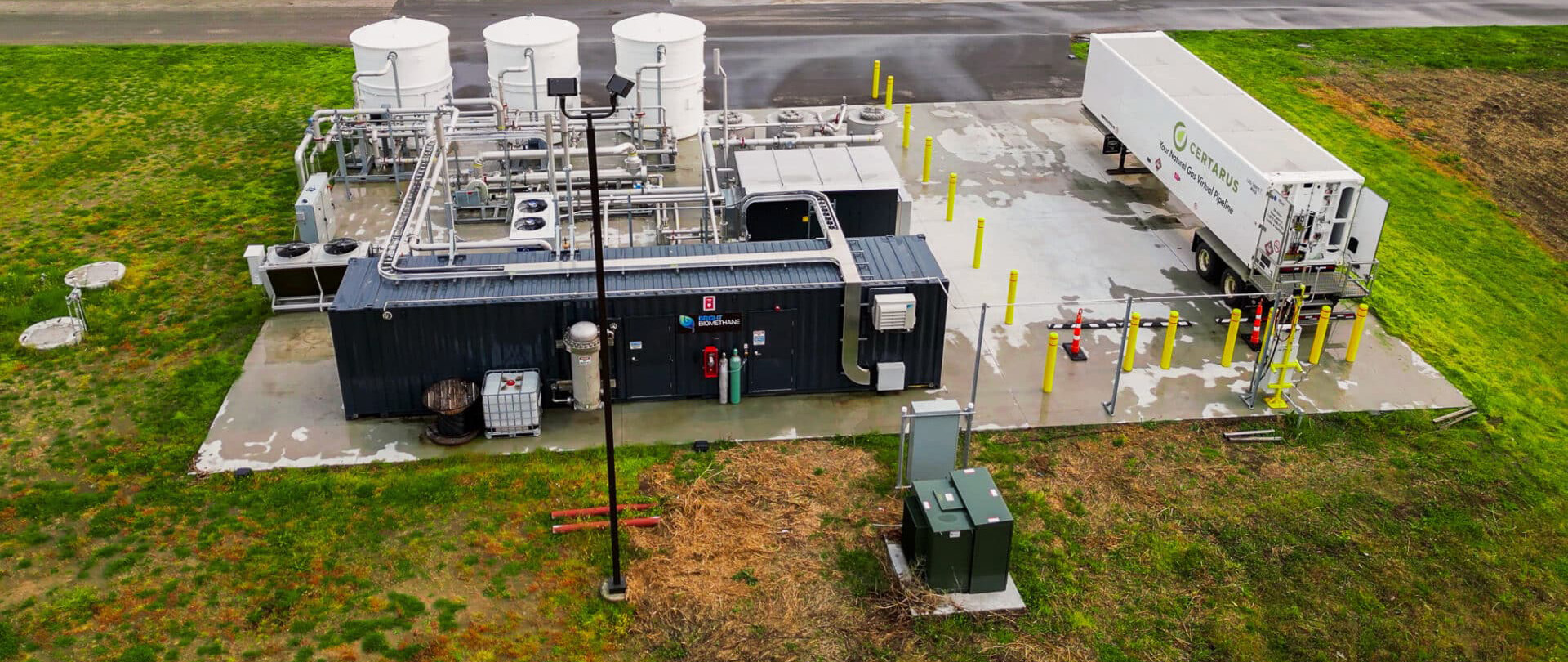
Leading suppliers of high rate anaerobic digester technology typically offer a full suite of services to de-risk projects.
These go beyond simple equipment supply:
Feasibility & Pilot Testing: Laboratory analysis and on-site pilot units to confirm treatability and design parameters.
Turnkey EPC Delivery: Full responsibility for Engineering, Procurement, and Construction.
Start-Up & Commissioning: Expert supervision of the initial seeding with granular sludge and the performance ramp-up phase.
Performance Guarantees: Reputable providers often guarantee key metrics like COD removal efficiency and biogas yield.
Long-Term Operation Support: Remote monitoring, spare parts supply, and maintenance contracts to ensure long-term reliability.
Technical Advantages and Operational Considerations
The technical benefits of a well-designed high rate anaerobic digester are compelling.
Key Advantages:
High Loading Capacity: Can handle organic loads 5-10 times greater than conventional digesters per unit volume.
Compact Footprint: The small reactor size saves valuable factory space.
Low Energy Use: Requires no aeration, cutting electrical demand by up to 90% compared to aerobic systems.
Net Energy Producer: Generates usable biogas, turning a treatment cost into an energy asset.
Low Sludge Yield: Produces far less biological sludge for disposal.
Operational Considerations for Success:
Granular Sludge: Obtaining the right seed sludge for UASB/EGSB startups is vital. It can be sourced from similar industries.
Temperature Control: Mesophilic operation (35-38°C) is standard. Efficient heat exchange from the biogas CHP unit is often used to maintain temperature.
Process Stability: These systems are robust but sensitive to sudden shocks in pH, temperature, or toxic loads. Proper equalization and monitoring are essential.
Nutrients: While needs are low, trace amounts of nutrients like iron, nickel, and cobalt may need supplementation for optimal microbial health.
For any facility with a steady, warm, high-COD effluent stream, implementing a high rate anaerobic digester represents a strategic move towards energy-positive wastewater management. It is a proven technology that turns an environmental liability into a source of resilience and sustainability.
Frequently Asked Questions (FAQs)
Q1: What types of industrial wastewater are NOT suitable for a high rate anaerobic digester?
A1: Wastewaters with very high salinity, high concentrations of heavy metals or xenobiotics (synthetic chemicals), or those that are highly variable in temperature and composition can be challenging. Wastewater with very low biodegradable COD may not produce enough biogas to make the system economical. A treatability study is essential to rule out incompatibility.
Q2: How long does it take to start up a new high rate anaerobic digester?
A2: The start-up phase, especially for granular sludge systems like UASB, is critical and can take 3 to 6 months. It begins with seeding the reactor with granular sludge from a similar industry. The organic loading rate is then increased very gradually to allow the microbial consortium to adapt and multiply without being washed out. Patience during this phase ensures long-term stability.
Q3: Can a high rate anaerobic digester handle suspended solids in the wastewater?
A3: It can handle moderate levels, but high suspended solids (SS) are problematic. They can fill the reactor volume, dilute the active biomass, and interfere with sludge settling. For wastewaters with high SS, robust pre-treatment (like dissolved air flotation or screening) is mandatory upstream of a high rate anaerobic digester to protect its performance.
Q4: What is the main operational difference between a UASB and an EGSB reactor?
A4: The main difference is the applied upflow velocity. An Expanded Granular Sludge Bed (EGSB) reactor operates at a much higher superficial upflow velocity (4-10 m/h) than a UASB (0.5-2 m/h). This expansion of the sludge bed in an EGSB improves wastewater-to-biomass contact and is better for handling wastewaters with fats or lipids. EGSB designs are often taller and more slender.
Q5: How does the cost of anaerobic treatment compare to traditional aerobic treatment?
A5: While the capital cost for a high rate anaerobic digester can be comparable or higher, the operational cost is dramatically lower. Aerobic systems consume large amounts of electricity for aeration blowers and produce more sludge for disposal. The anaerobic system produces energy (biogas) instead of consuming it, often leading to a payback period of 2-5 years based on energy savings and production alone.