


News
We'll get back to you as soon as possible.
How a Biogas Plant System Works: From Feedstock to Renewable Energy
A biogas plant system is more than just a digester tank. It's an integrated, engineered solution that transforms organic waste—from agricultural residues to food scraps and manure—into usable renewable energy and nutrient-rich fertilizer. For farms, food processors, and waste management facilities worldwide, installing a biogas plant system is a strategic move toward energy independence, cost reduction, and enhanced environmental sustainability.
The core process, anaerobic digestion, occurs naturally. But a modern, efficient biogas plant system carefully controls this biological process to maximize gas yield, ensure operational stability, and deliver consistent outputs. Understanding the components and flow of these systems is key for anyone considering this investment.
The Core Components of a Modern Biogas Plant System
Every biogas plant system follows a similar material flow, segmented into distinct stages. Each stage has specialized equipment designed to handle specific tasks.
The journey begins with feedstock reception and storage. Here, organic materials are delivered, weighed, and temporarily held. Many systems use a biogas plant system with a pre-storage tank or pit, allowing for consistent feedstock mixing and feeding.
Next is the preprocessing stage. Feedstock is often shredded or macerated to increase its surface area, making it easier for bacteria to digest. Impurities like plastics or metals are removed using separators or screens. This step is crucial for protecting downstream equipment and ensuring smooth digestion.
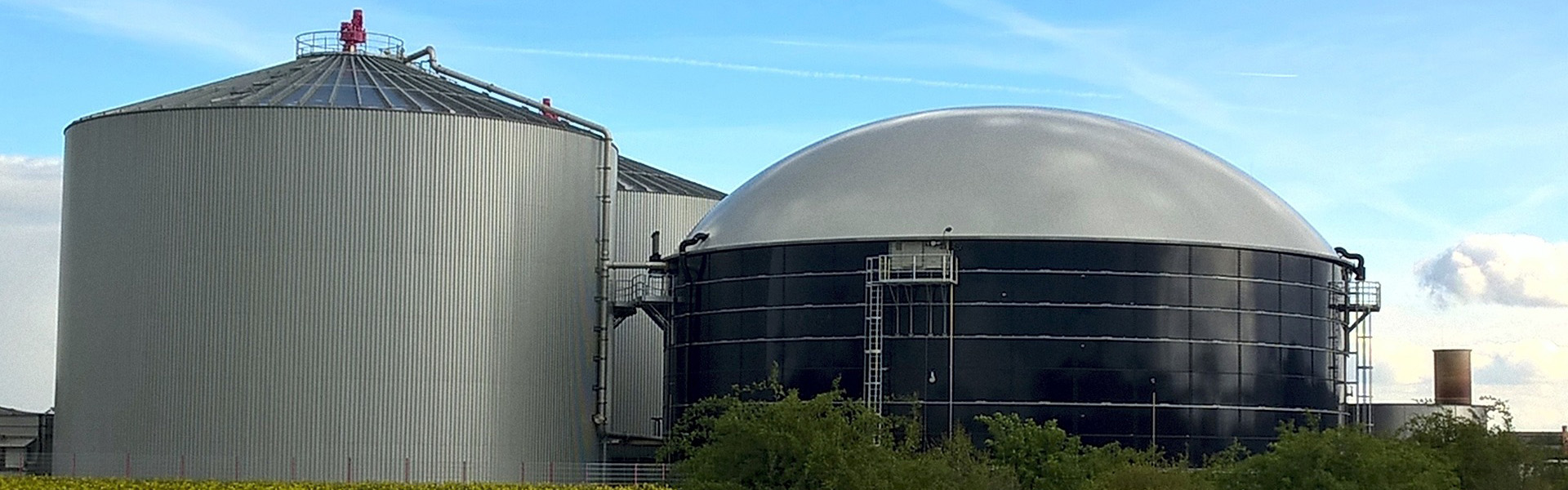
The heart of the operation is the anaerobic digester itself. This is a sealed, heated tank where microorganisms break down organic matter in the absence of oxygen. There are various digester types (e.g., continuous stirred-tank reactors, plug-flow digesters) chosen based on the feedstock characteristics. A well-managed biogas plant system maintains precise temperature (mesophilic or thermophilic) and agitation within the digester for optimal microbial activity.
Following digestion, the processed material, called digestate, moves to storage lagoons or tanks. It is a valuable liquid fertilizer, rich in nitrogen, phosphorus, and potassium. Some advanced systems include a solid-liquid separation unit to create both a liquid fertilizer and a compostable fiber fraction.
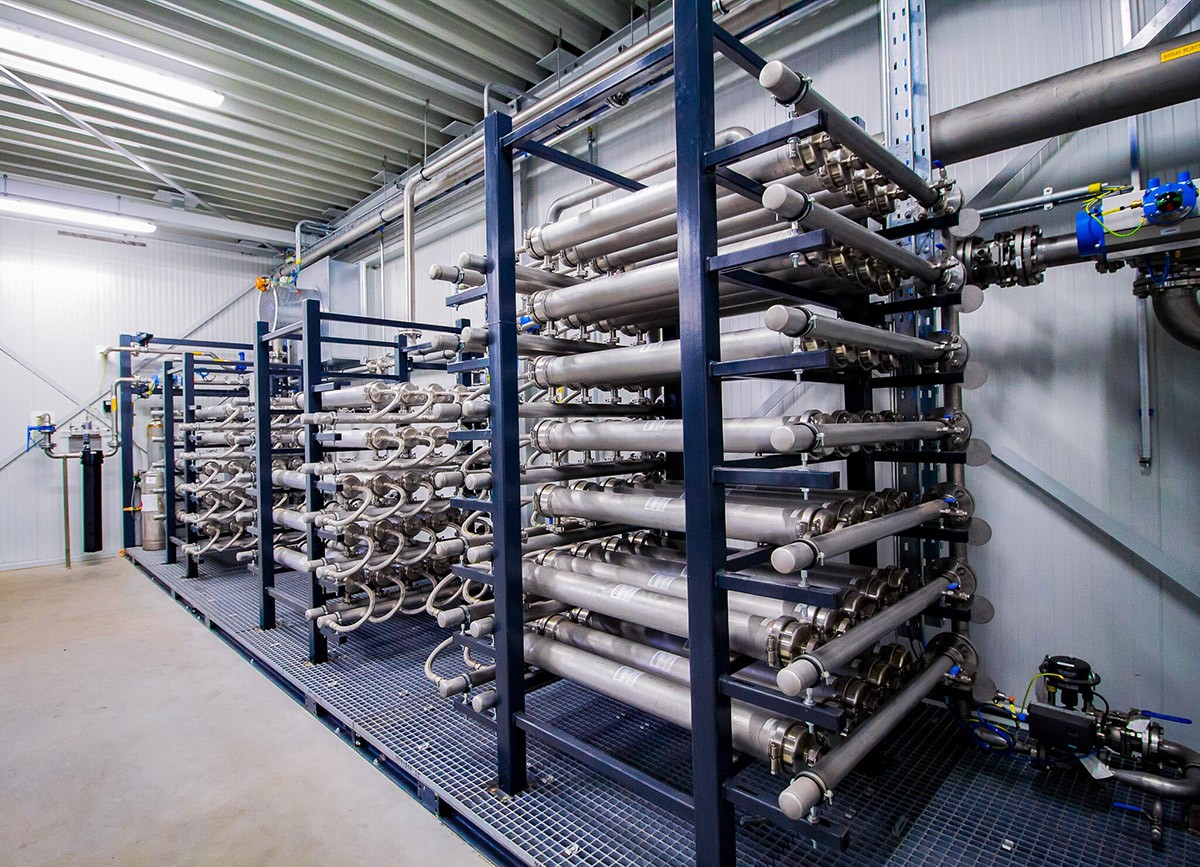
Parallel to this liquid stream is the gas handling system. Biogas collected from the digester roof is first treated. This often includes cooling, condensation removal, and desulfurization (using air injection or biological filters) to protect downstream engines or upgrading equipment. For projects producing renewable natural gas (RNG), this is where a biogas upgrading equipment unit would be integrated into the overall biogas plant system.
Key Technologies and Digester Types
The technology choice for the digester is a defining feature of any biogas plant system. The selection depends heavily on the dry matter content of the primary feedstock.
Wet digestion systems, often using continuously stirred tank reactors (CSTRs), are common for slurries like manure and food waste. They operate with a total solids content typically below 15%. These systems require constant mixing and often have separate storage for incoming feedstock.
Dry digestion systems, like garage-type or plug-flow digesters, handle stackable organic wastes with solids content between 15% and 40%. These can be batch or continuous systems and are well-suited for yard waste or agricultural residues like straw and corn stover.
Another critical technology is combined heat and power (CHP). In this common application, the cleaned biogas fuels a generator to produce electricity, while the engine's waste heat is captured to warm the digester and nearby buildings. This maximizes the overall efficiency of the biogas plant system.
For grid injection or vehicle fuel projects, membrane separation or amine scrubbing units are integrated as the core biogas upgrading equipment within the larger plant system.
Cost and Investment Factors for a Biogas Plant
The price of a biogas plant system is highly project-specific. There is no standard cost. Small-scale, farm-based systems can start in the hundreds of thousands of dollars, while large, industrial-scale plants with gas upgrading can cost tens of millions.
Major cost drivers include:
Scale and Capacity: Larger plants have a lower cost per unit of energy produced but require a higher total capital outlay.
Feedstock Complexity: Handling multiple, challenging feedstocks (like packaged food waste) requires more expensive preprocessing equipment.
Digester Technology: Dry fermentation systems can have different cost structures compared to wet, mixed systems.
Energy End-Use: A simple CHP unit is a significant investment, but adding a full biogas upgrading equipment train for RNG production increases costs substantially.
Site-Specific Work: Civil engineering, groundwork, and connection to the grid or gas pipeline add considerable variable costs.
Most developers evaluate the investment through a payback period or return on investment (ROI) calculation, factoring in revenue from energy sales, waste tipping fees, and fertilizer value.
Commercial Services: From Planning to Long-Term Operation
Leading international providers of biogas plant system solutions typically offer end-to-end services. This turnkey approach de-risks the project for the owner.
It begins with feasibility studies and detailed engineering design. Providers analyze the available feedstock, model gas production, and design the optimal layout and technology mix for the site.
Many companies act as Engineering, Procurement, and Construction (EPC) contractors. They manage the entire build, sourcing all components, including specialized biogas upgrading equipment if needed, and delivering a fully commissioned plant.
After construction, long-term Operation & Maintenance (O&M) contracts are common. These ensure the biogas plant system runs at peak efficiency, with the provider handling routine servicing, parts, and troubleshooting. Remote monitoring platforms are now standard, allowing for proactive management.
Application and Selection Guide: Finding the Right System Fit
Choosing the correct biogas plant system is a multi-step decision process focused on your specific context.
First, conduct a thorough feedstock audit. What organic materials do you have, in what quantities, and what are their characteristics (dry matter, energy potential)? This data dictates everything.
Second, define your primary goal. Is it on-site power generation, fertilizer production, meeting waste diversion mandates, or generating RNG for revenue? The goal determines the necessary system components.
Third, evaluate your site. Do you have the physical space, access to utilities (water, grid connection), and the necessary permits? Local regulations can significantly influence the design.
Fourth, engage with experienced providers. Request proposals from several vendors. Ask for detailed performance guarantees, references from similar projects, and a clear breakdown of what is included in their price. Scrutinize their proposed technology choice for the digester and any integrated biogas upgrading equipment.
Finally, plan for the long term. Consider who will operate the system and budget for ongoing maintenance. A successful biogas plant system is a long-term asset requiring dedicated management.
The Bottom Line on Biogas Plant Systems
Implementing a biogas plant system is a significant but rewarding infrastructure project. It converts waste management from a cost center into a source of clean, baseload energy and sustainable soil nutrients.
The technology is proven and reliable. Success hinges on meticulous planning, honest feedstock assessment, and partnering with a provider who offers robust technology and dependable long-term support. As the circular economy gains momentum, a well-designed biogas plant system stands as a tangible solution for industry and agriculture.
Frequently Asked Questions (FAQs)
Q1: What is the typical payback period for a biogas plant system investment?
A1: Payback periods vary widely, from 5 to 10 years or more. It depends on factors like initial capital cost, revenue from energy and tipping fees, savings on waste disposal and fertilizer, and any available government grants or green tariffs. A detailed feasibility study is essential for an accurate projection.
Q2: How much daily maintenance does an operational biogas plant require?
A2: A well-automated biogas plant system requires routine daily checks (e.g., visual inspection, recording temperatures and gas production) that may take 1-2 hours. Weekly tasks include lubrication and checking pumps/mixers. More extensive maintenance, like engine overhauls or digester cleaning, is scheduled annually.
Q3: Can a biogas plant system handle only one type of waste, or multiple feedstocks?
A3: Most modern systems are designed for co-digestion of multiple feedstocks (e.g., manure plus food waste or energy crops). This improves the gas yield and process stability. However, the biogas plant system must be designed from the outset to handle the specific mix, with appropriate preprocessing for each material.
Q4: Is a biogas plant system feasible for a small or medium-sized farm?
A4: Absolutely. Modular, containerized, and prefabricated solutions have made smaller-scale systems more accessible and cost-effective. For a farm, the primary feedstock is often the farmer's own manure, providing a reliable base. The feasibility increases if other local organic wastes are available for co-digestion.
Q5: What are the most common reasons a biogas project underperforms?
A5: Underperformance often stems from inaccurate feedstock analysis leading to overestimated gas production, mechanical issues due to poor maintenance or inadequate preprocessing (like clogged pipes), biological imbalances in the digester from sudden feedstock changes, or a lack of skilled, dedicated daily operation.