The global push for renewable energy has made bio ethanol projects a focal point for investors, governments, and engineering firms worldwide. These ventures are more than just fuel production; they represent a sophisticated integration of agriculture, chemical engineering, and environmental management. As a leading solution for decarbonizing transportation and industrial processes, understanding the scope and execution of successful bio ethanol projects is critical for stakeholders in the international biogas and biofuel upgrade equipment manufacturing sector. This article breaks down the core components, from initial planning to technology selection and commercial viability.
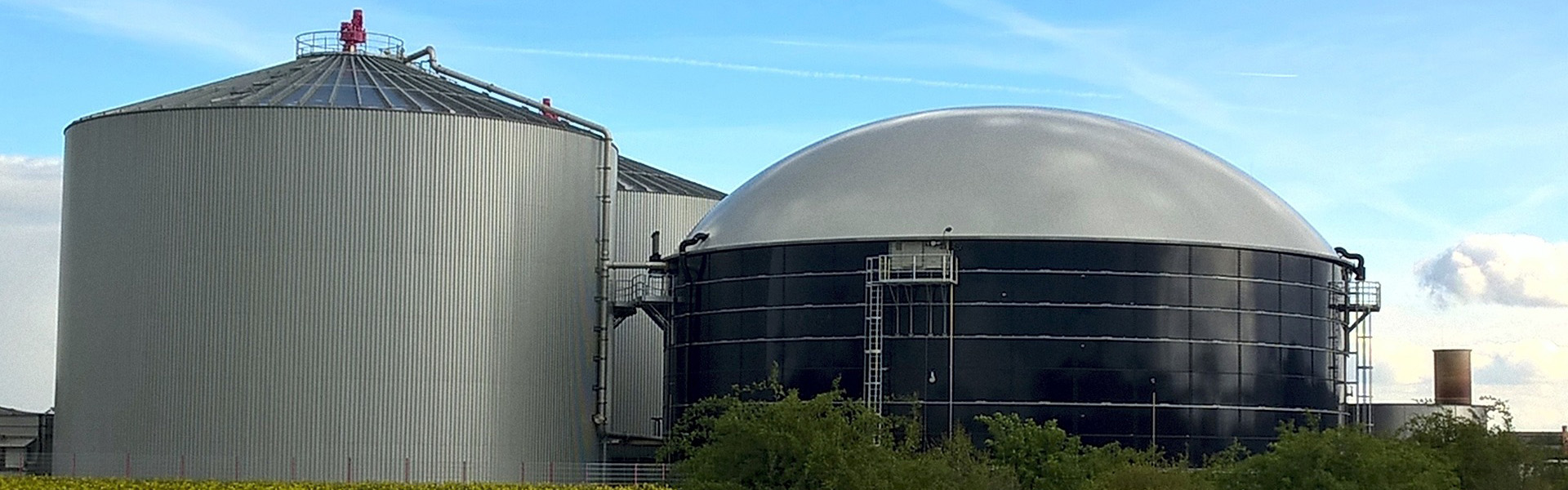
Core Information: What Defines Modern Bio Ethanol Projects?
Modern bio ethanol projects are complex industrial undertakings. They convert biomass—like corn, sugarcane, wheat, or even non-food cellulosic materials—into ethanol through fermentation and distillation.
The primary product, fuel-grade ethanol, is blended with gasoline. This reduces greenhouse gas emissions and reliance on fossil fuels. The scale can vary from small, community-based plants to large-scale facilities producing hundreds of millions of liters annually.
Success hinges on a secure, cost-effective feedstock supply chain. Water availability, energy integration, and waste management are equally crucial. Every project must be meticulously tailored to its local resources and market demands.
Technology and Process: The Engine of Production
The heart of any bio ethanol project is its processing technology. The basic steps are milling, cooking, fermentation, distillation, and dehydration. However, advancements are constant.
First-generation technology uses sugar or starch. Second-generation, or cellulosic ethanol technology, breaks down tougher plant materials like agricultural residues. This is a key area for equipment innovation.
Efficient distillation columns and molecular sieve dehydration units are standard. More integrated bio ethanol projects now incorporate biogas plants. They treat wastewater to produce methane, which powers the facility.
This creates a closed-loop, energy-efficient system. Partnering with experienced technology providers in biogas upgrade equipment is essential. They ensure optimal yield and compliance with international fuel standards.
Applications and Selection Guide: Choosing the Right Path
Not all bio ethanol projects are identical. The end-use and local regulations significantly influence design.
Fuel ethanol is the largest market. Industrial ethanol for chemicals or sanitizers is another. The choice determines purity requirements and plant specifications.
Selecting feedstock is the first major decision. Sugarcane-based projects thrive in tropical climates. Grain-based projects dominate in temperate regions with strong agriculture.
For investors, the choice often comes down to economics and sustainability goals. Cellulosic bio ethanol projects offer greater environmental benefits. They avoid food-versus-fuel debates but currently involve higher technological risk and capital costs.
Price and Economic Considerations: Assessing Feasibility
The financial landscape for bio ethanol projects is influenced by several volatile factors. Capital expenditure (CAPEX) is substantial, covering land, construction, and specialized equipment like fermenters and distillation towers.
Operational expenditure (OPEX) is dominated by feedstock cost, often 50-70% of the total. Energy costs and labor follow. The profitability model is sensitive to the prices of crude oil, gasoline, and the biomass feedstock itself.
Government mandates and subsidies, like renewable fuel standards (RFS) or tax credits, are often critical. They provide the market certainty needed for long-term investment. A robust feasibility study must model these variables under different scenarios to secure financing.
Commercial and Professional Services: The Role of Expertise
Navigating the development of bio ethanol projects requires a consortium of experts. This is not a field for improvisation.
Specialized engineering, procurement, and construction (EPC) firms bring essential experience. They manage everything from site assessment and permitting to detailed design and plant commissioning.
Biogas upgrade equipment manufacturers play a vital role in optimizing energy recovery. Legal advisors handle complex environmental and fuel regulations. Agronomists secure feedstock supply contracts.
Engaging these professional services early mitigates risk. It ensures the project meets technical, financial, and regulatory milestones. Their input is invaluable for both greenfield projects and the retrofit of existing facilities.

The Future Outlook: Innovation and Sustainability
The trajectory for bio ethanol projects points toward greater efficiency and sustainability. The integration of biogas systems is becoming standard practice for energy self-sufficiency.
Research is focused on advanced biofuels. This includes technologies that convert syngas from biomass gasification into ethanol. Another promising area is carbon capture and utilization from fermentation emissions.
These innovations will further improve the carbon footprint of bioethanol. For equipment manufacturers, this means continuous adaptation. Providing solutions that enhance yield, reduce energy consumption, and enable carbon-negative operations will define market leadership.
Launching and operating successful bio ethanol projects demands a careful balance of proven technology, astute economic planning, and deep sector expertise. As the world intensifies its search for practical, scalable renewable fuels, these projects stand at the forefront of the energy transition.
For companies in the international biogas upgrade equipment manufacturing sphere, this represents a significant and growing market opportunity. By providing the critical systems that enhance efficiency and sustainability, they become indispensable partners in advancing the global portfolio of bio ethanol projects toward a more sustainable and energy-secure future.
Frequently Asked Questions (FAQs)
Q1: What are the main feedstocks used in bio ethanol projects?
A1: The most common feedstocks are sugar-based (like sugarcane and sugar beet) and starch-based (like corn, wheat, and cassava). Advanced projects use lignocellulosic biomass, which includes agricultural residues (corn stover, wheat straw), forestry waste, and dedicated energy crops like switchgrass.
Q2: How does a biogas system integrate with a bio ethanol plant?
A2: The wastewater from the ethanol distillation process, called stillage, is rich in organic material. It can be fed into anaerobic digesters to produce biogas (mainly methane). This biogas can be upgraded to biomethane and used to generate heat and power for the ethanol plant, significantly reducing its external energy needs and environmental impact.
Q3: What is the typical payback period for a commercial-scale bio ethanol project?
A3: The payback period varies widely based on scale, location, feedstock cost, and government policy. It can range from 5 to 10 years or more. Projects in regions with strong feedstock availability and supportive government mandates tend to have shorter, more secure payback periods.
Q4: What are the biggest technical challenges facing new bio ethanol projects?
A4: Key challenges include securing a cost-consistent and reliable feedstock supply year-round, optimizing water usage, achieving high energy efficiency, and for cellulosic projects, the pre-treatment and efficient breakdown of tough plant fibers into fermentable sugars at a competitive cost.
Q5: How do bio ethanol projects contribute to carbon reduction goals?
A5: Bioethanol burns cleaner than gasoline and is considered renewable because the CO2 released during combustion is offset by the CO2 absorbed by the biomass as it grows. Modern plants with integrated biogas systems and energy-efficient designs can achieve greenhouse gas emission reductions of 50-90% compared to fossil fuels, depending on the feedstock and process.