


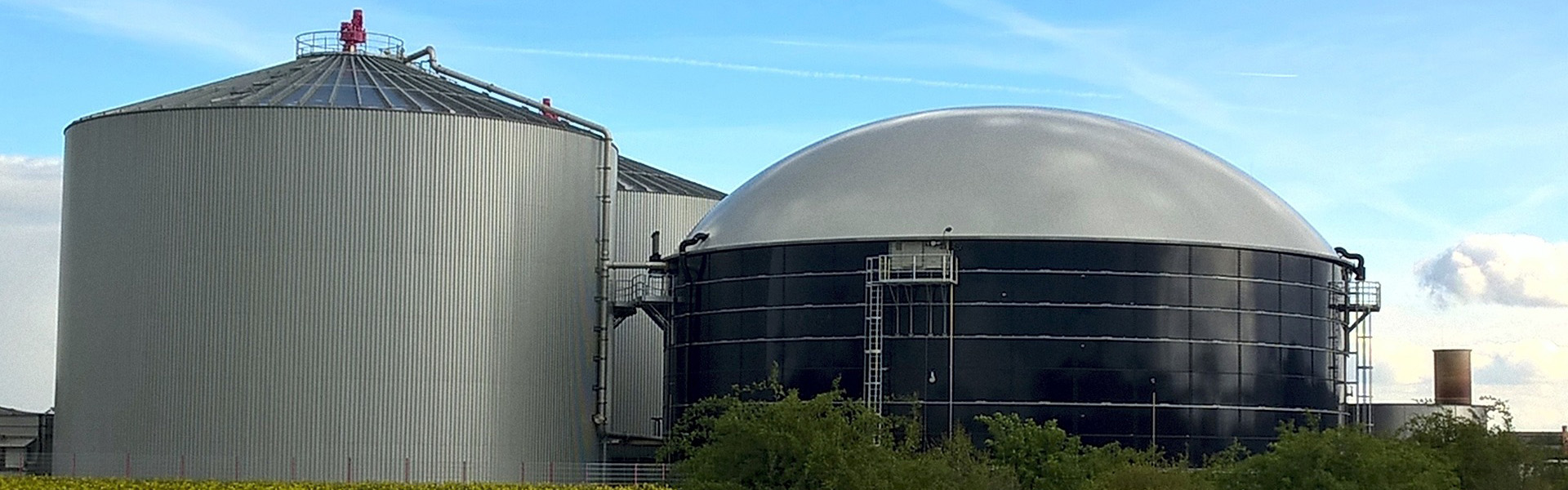
7 Things to Know Before You Build a Biogas Plant: Technology, Costs & Choices
The global shift towards renewable energy and sustainable waste management has placed biogas plant technology firmly in the spotlight. This technology offers a compelling solution by converting organic waste—from agricultural residues to food scraps—into valuable biogas and nutrient-rich digestate. For farmers, industrial operators, and communities worldwide, understanding modern biogas plant technology is the first step toward energy independence and environmental stewardship. This article cuts through the complexity, providing clear insights into how these systems work, what they cost, and how to choose the right one.
How Modern Biogas Plant Technology Works: The Core Process
At its heart, biogas plant technology is about controlled anaerobic digestion. Microorganisms break down organic material in the absence of oxygen. The core system consists of several key components.
First, feedstock is received and pre-treated. This can involve shredding, mixing, or pasteurization to prepare the material. It is then fed into a sealed digester tank. This is where the magic happens.
Inside the digester, bacteria work in stages. They hydrolyze, acidify, and finally produce methane. Temperature is crucial. Most systems operate in the mesophilic (35-40°C) or thermophilic (50-60°C) range. The gas produced, mainly methane and CO2, rises to the top.
The raw biogas is collected and stored in a gas holder. It then undergoes upgrading, depending on its final use. The remaining slurry, called digestate, is a potent organic fertilizer, closing the nutrient loop.
Comparing 5 Main Types of Biogas Plant Technology
Not all digesters are the same. The choice depends heavily on your feedstock and goals. Here are five common configurations.
Wet Continuous Digestion: This is the most common industrial biogas plant technology. Feedstock is pumpable, with dry matter content below 15%. Material is continuously fed, and digestate is continuously removed. It’s efficient and stable for homogenous waste streams like sludge or manure.
Dry Batch Digestion: Suited for stackable, solid organic waste like garden cuttings or crop residues. Pre-packed tunnels or boxes are loaded, sealed, and left to digest. Once complete, the chamber is emptied. It’s simpler but less continuous in gas output.
Plug Flow Digesters: Ideal for thick, viscous feedstocks like livestock manure with high solids content. Material flows as a "plug" through a long, heated tank. This technology is robust and effective for farms.
Complete Stirred Tank Reactor (CSTR): The industry standard for many applications. A mechanical agitator constantly mixes the digester contents, ensuring even heat and bacteria distribution. It offers high efficiency and process control.
Flexible Balloon or Membrane Plants: A lower-cost option where the digester roof is a flexible, gas-tight membrane. It acts as both the digester cover and gas storage. Common in smaller or more cost-sensitive projects.
A Practical Guide to Choosing Your Biogas System
Selecting the right biogas plant technology requires a clear assessment of your specific situation. Start by analyzing your available feedstock. What type, how much, and how consistently is it produced? This is the single biggest factor.
Next, define your primary goal. Is it waste treatment, renewable energy generation for on-site use, or producing biomethane for the grid? Your goal dictates the necessary system complexity.
Consider your site’s space, infrastructure, and climate. A large CSTR requires more space and technical infrastructure than a simple batch system. Also, evaluate local regulations and available subsidies or tariffs for renewable gas.
Finally, think long-term about operational needs. Do you have skilled personnel for daily management? Automated systems cost more upfront but reduce labor. Choosing scalable biogas plant technology allows for future expansion.
Understanding Biogas Plant Costs and Return on Investment
The cost of biogas plant technology is highly variable. A small, farm-scale system can start in the tens of thousands of dollars. Large, industrial plants with advanced gas upgrading can cost millions.
Key cost factors include plant capacity, technology type, and construction materials. Pre-fabricated containerized units offer lower cost and quicker setup. Civil works for large in-ground digesters are a major expense.
Crucially, the gas utilization method dramatically affects price. A simple combined heat and power (CHP) unit is a standard cost. Adding biogas upgrading to biomethane (renewable natural gas) requires a significant additional investment in purification and compression equipment.
ROI comes from multiple streams: savings on waste disposal, savings on purchased energy (heat/power), revenue from selling electricity/gas/digestate, and potential carbon credits. A well-planned plant typically pays back in 5-8 years.

Key Technological Advances in Biogas Upgrading
Producing raw biogas is one thing; refining it for high-value applications is where biogas plant technology becomes sophisticated. Biogas upgrading removes CO2 and other impurities to create biomethane.
Water Scrubbing: A common method where high-pressure water absorbs CO2. It’s robust but can be energy-intensive for water circulation.
Pressure Swing Adsorption (PSA): Uses specialized adsorbent materials to capture CO2 under pressure. It’s highly effective for producing very pure biomethane.
Membrane Separation: Utilizes selective polymeric membranes to separate methane from CO2. This technology is compact, scalable, and energy-efficient, gaining significant market share.
Cryogenic Upgrading: Cools biogas to very low temperatures to liquefy CO2. It produces extremely pure biomethane and liquid CO2 as a by-product, but has high capital costs.
Leading international manufacturers continuously innovate in these areas, focusing on reducing energy consumption and improving the purity of the final product.
Finding Reliable Biogas Technology Suppliers
The success of your project hinges on partnering with a competent supplier. The international market includes large, full-service engineering firms and specialized biogas plant technology manufacturers.
Look for suppliers with a strong portfolio of reference plants similar to your project in scale and feedstock. They should offer comprehensive services: design, engineering, component supply, installation supervision, and commissioning.
Certifications are critical. Ensure they comply with international standards for pressure equipment (ASME, PED), electrical safety, and environmental management. Ask about their after-sales support, spare parts availability, and training programs.
Attending major industry trade fairs or reviewing case studies from industry associations are excellent ways to identify and vet potential technology partners on a global scale.
Implementing the right biogas plant technology is a strategic decision with long-term benefits. It turns a waste liability into an energy and profit center while contributing to a circular economy. By thoroughly understanding the processes, costs, and options outlined here, you are well-equipped to make an informed choice. The evolution of this technology continues to improve efficiency and accessibility, making sustainable energy generation a practical reality for more operations every year.
Frequently Asked Questions (FAQs)
Q1: What maintenance does a biogas plant require?
A1: Regular maintenance is essential for reliable operation. Daily tasks include checking pumps, agitators, and temperature sensors. Periodically, you must inspect gas-tight seals, clean heat exchangers, and service the CHP unit or upgrading system. A well-maintained plant can operate for 20+ years.
Q2: Is biogas plant technology only suitable for large farms or industries?
A2: No. While large systems are common, modular and small-scale biogas plant technology has advanced significantly. There are efficient solutions for small-to-medium farms, food processing businesses, and even community-based projects handling organic waste from restaurants or markets.
Q3: How long does it take to build a biogas plant?
A3: The timeline varies. From initial planning and permitting to commissioning, a small to medium plant typically takes 12 to 18 months. Larger, more complex facilities with extensive gas upgrading can take 2 years or more. Using pre-fabricated modular components can shorten construction time.
Q4: Can biogas technology handle all types of organic waste?
A4: Most organic wastes can be digested, but the specific biogas plant technology must be matched to the feedstock. Some materials, like lignin-rich wood, break down very slowly. Fats/oils/greases boost gas yield but need careful management. Pre-treatment technology is often used to handle diverse or challenging waste streams.
Q5: What are the international safety standards for biogas plants?
A5: Safety is paramount due to flammable gas and high-pressure equipment. Key standards include the ISO 20675:2018 for biogas specification, the ATEX directives for equipment in explosive atmospheres, and the Pressure Equipment Directive (PED) in Europe. Reputable manufacturers design and certify their plants to these global benchmarks.