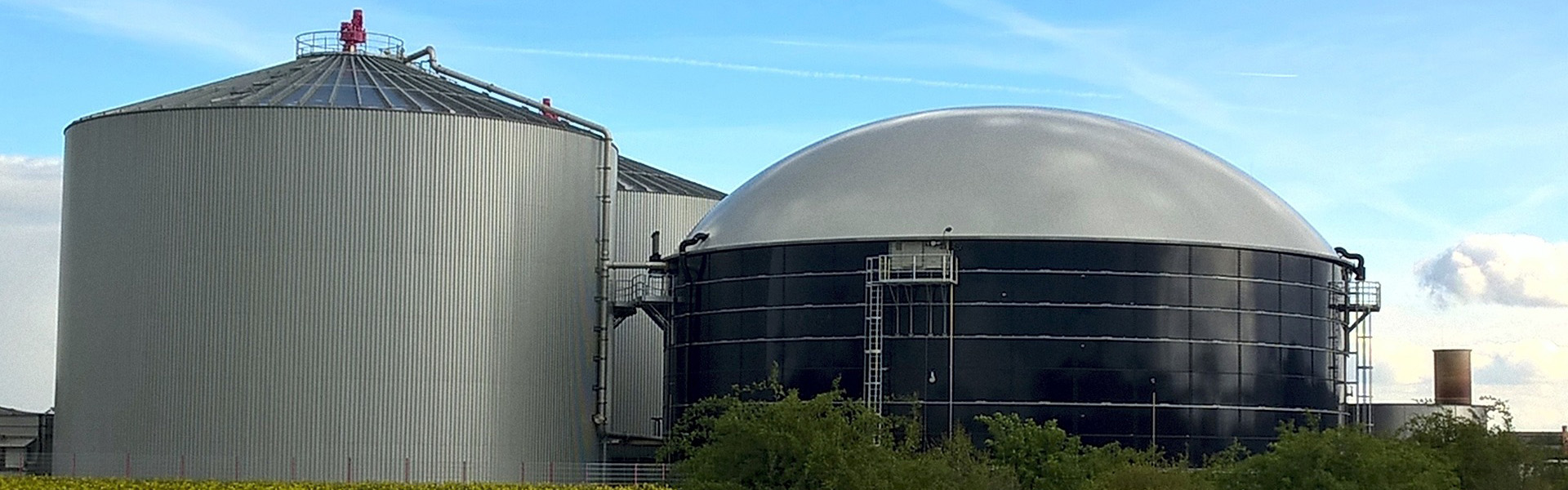
The race to produce clean, renewable natural gas (RNG) is intensifying globally. At the heart of many modern projects is a key piece of equipment: the biogas upgrading membrane. This technology has moved from a novel alternative to a mainstream solution for purifying raw biogas into pipeline-quality biomethane.
Unlike traditional methods, membrane systems offer a distinct combination of simplicity, efficiency, and flexibility. They separate methane from carbon dioxide and other impurities using advanced polymer filters. For plant developers and operators, understanding the ins and outs of biogas upgrading membrane technology is crucial for making informed investment decisions.
How a Biogas Upgrading Membrane Actually Works
The core principle is selective permeation. A biogas upgrading membrane unit contains thousands of hollow fiber membranes, each acting as a microscopic filter.
Pretreated biogas is compressed and fed into these fibers. Under pressure, different gas molecules dissolve into the membrane material and diffuse through it at different speeds.
Carbon dioxide (CO2), water vapor (H2O), and hydrogen sulfide (H2S) are “fast gases.” They permeate through the membrane wall quickly. Methane (CH4) is a “slow gas.” It moves through the fiber much more slowly.
This differential speed creates two output streams. The high-purity methane (CH4) leaves from the end of the fibers as “upgraded biomethane.” The permeate gas, rich in CO2 and other impurities, exits through the side of the membrane vessel.
Modern systems use multiple stages of membranes to achieve the high purity (>98% CH4) required for grid injection or vehicle fuel.
Key Advantages Driving Adoption
Several compelling benefits explain the growing market share of membrane systems.
Their mechanical simplicity is a major advantage. With no moving parts in the separation cores and no need for chemical solvents or adsorbent regeneration cycles, operational complexity is reduced.
They offer remarkable operational flexibility. Flow rates and feed gas composition can vary within a range without significant performance loss. Start-up and shutdown procedures are typically fast and straightforward.
Energy consumption is often competitive. While compression is required, the absence of thermal regeneration (needed in amine scrubbing) or vacuum pumps (common in PSA) can lead to a favorable overall energy balance, especially for mid-sized plants.
The compact footprint is a significant benefit for space-constrained sites or modular, containerized solutions. The system’s scalability also allows for relatively easy capacity expansion by adding more membrane modules.
The Essential Pretreatment Chain
A biogas upgrading membrane is sensitive to contaminants. Effective and reliable pretreatment is not optional; it is the single most critical factor for long-term success.
A standard pretreatment train includes several steps. First, precise gas cooling and condensate removal protects downstream components. A robust activated carbon filter is mandatory for removing hydrogen sulfide (H2S) and volatile organosiloxanes (siloxanes), which can irreversibly damage membrane polymers.
Particle filters then remove any solid dust or aerosolized oil from the compressor. Finally, temperature and pressure conditioning ensure the gas enters the membrane skid within its specified operating window.
Investing in high-quality pretreatment extends membrane life from just a few months to over 5-7 years, dramatically improving project economics.
Cost Considerations: CAPEX vs. OPEX
The financial profile of membrane technology is distinctive. Capital expenditure (CAPEX) for a biogas upgrading membrane system is often considered attractive, particularly for capacities ranging from 100 to 1,500 Nm³/h raw biogas input.
The modular nature of the technology can keep initial costs lower than building large, fixed-bed scrubber towers. However, it is crucial to view CAPEX as inclusive of the complete, integrated package—pretreatment, membranes, and controls.
Operational expenditure (OPEX) is largely defined by three factors: electricity for the feed gas compressor, the cost of replacement membrane modules (a consumable item), and maintenance of the pretreatment system.
Membrane lifespan is the key variable. With excellent pretreatment, OPEX remains predictable and low. Neglecting pretreatment leads to frequent, costly membrane changes that can ruin project finances.
Choosing a Supplier: More Than Just Hardware
Selecting a provider for your biogas upgrading membrane system is a long-term partnership decision. Look beyond the initial quote.
Prioritize suppliers with extensive, verifiable references from plants with similar feedstock (e.g., landfill, agricultural, wastewater). Ask for case studies detailing real-world gas composition, availability, and membrane life.
Evaluate the depth of their engineering support. Do they offer a fully integrated skid with guaranteed performance, or just the membrane modules? Strong process engineering ensures the entire system—from inlet to export meter—works harmoniously.
Scrutinize the service and support model. What are the lead times and costs for replacement membrane bundles? Is local technical support available? A supplier’s commitment to after-sales service is a primary indicator of project longevity.
Market Applications and Ideal Use Cases
Membrane technology is versatile but excels in specific scenarios. It has become the technology of choice for agricultural digesters and mid-sized wastewater treatment plants, where space and operational simplicity are valued.
Landfill gas upgrading projects also frequently employ membranes, thanks to their tolerance for fluctuating feed gas flows. They are central to the growing trend of modular, containerized upgrading units that can be deployed rapidly at distributed biogas sources.
For projects targeting vehicle fuel (bio-CNG) or grid injection where the required biomethane purity is 96-99%, modern multi-stage membrane systems are perfectly capable. They compete directly with traditional water scrubbers and PSA systems in these markets.
Future Trends and Material Science
The future of biogas upgrading membrane technology is tied to material innovation. Research focuses on developing next-generation polymer materials that offer higher selectivity between CO2 and CH4.
Higher selectivity translates directly to lower methane loss, higher product purity, or reduced compression energy. Another key area is improving contaminant resistance, particularly to trace components like siloxanes, to further reduce pretreatment burdens and extend service life.
Integration with other process streams, such as utilizing the CO2-rich permeate in greenhouses or for carbonation, is also enhancing the overall value proposition of membrane-based upgrading plants.
As the demand for renewable natural gas grows, the role of reliable, efficient, and scalable membrane separation will only expand. For a wide spectrum of projects, implementing a robust biogas upgrading membrane system represents a smart, future-oriented path to producing clean, high-value biomethane.
Frequently Asked Questions (FAQ)
Q1: What is the typical lifespan of biogas upgrading membrane fibers?
A1: With comprehensive and well-maintained pretreatment, modern membrane fibers can last 5 to 7 years before requiring replacement. Lifespan is directly compromised by exposure to contaminants like siloxanes and hydrogen sulfide.
Q2: How does methane loss in a membrane system compare to other technologies?
A2: Methane loss is a critical performance metric. Well-designed multi-stage membrane systems can achieve methane recovery rates of 98.5% to 99.5%. This is highly competitive with other mainstream technologies like water scrubbing or Pressure Swing Adsorption (PSA).
Q3: Are membrane systems suitable for large-scale, industrial biogas plants?
A3: Absolutely. While popular in the small-to-mid-size range, membrane technology is scalable. Large-scale industrial plants using multiple parallel membrane skids are in successful operation worldwide, especially where operational flexibility is prized.
Q4: What are the main operational costs for a membrane upgrading plant?
A4: The primary OPEX components are: 1) Electricity for gas compression, 2) Periodic replacement cost of membrane modules (amortized over their lifespan), and 3) Maintenance costs for pretreatment filters and compressors. Pretreatment consumables (e.g., activated carbon) are also a factor.
Q5: Can membrane systems handle variations in the incoming biogas flow and quality?
A5: Yes, this is one of their recognized strengths. Membrane systems can tolerate fluctuations in flow rate and cope with reasonable variations in feed gas composition (e.g., CH4/CO2 ratio) more easily than some other technologies, without a complex adjustment procedure.