


News
We'll get back to you as soon as possible.
7 Reasons a Farm Biogas Plant is More Than Just Energy
For centuries, farms managed manure and waste as a cost or a nuisance. Today, that perspective is flipped. A modern farm biogas plant turns these liabilities into assets. It’s a closed-loop system where nothing is wasted.
This technology goes far beyond simply creating heat. It’s a core component of precision nutrient management, soil health, and farm financial resilience. A well-designed farm biogas plant integrates seamlessly into daily operations. It provides control in an unpredictable world.
The process, called anaerobic digestion, is natural. Microbes break down organic matter in an oxygen-free tank. They produce biogas and a nutrient-rich digestate. The real innovation lies in how farms capture and use these outputs.
Core Benefits: What Does a Farm Biogas Plant Actually Deliver?
The advantages extend in multiple directions, touching economics, environment, and daily operations.
First, it creates a reliable, on-site energy source. Biogas can fuel a combined heat and power (CHP) unit. This generates electricity for the farm and heat for barns, homes, or greenhouses. Excess power can be sold to the grid.
Second, it transforms waste management. The digestate that exits the system is a superior fertilizer. It has a more predictable nutrient content and reduced odor compared to raw manure. Pathogens and weed seeds are also significantly reduced.
Third, it tackles emissions proactively. By capturing methane from manure (a potent greenhouse gas) and burning it for energy, the farm’s carbon footprint shrinks. This is increasingly important for sustainability certifications and market access.
How a Farm Biogas Plant Works: The Key Components
Understanding the basic setup demystifies the technology. It’s a managed ecosystem of tanks, pumps, and engines.
Feedstock Reception and Pre-Storage
Not just manure enters the system. Many farms co-digest energy crops, crop residues, or food processing waste. These materials are mixed in a reception pit. A powerful pump slurry feed system moves the mixture into the digester.
The Anaerobic Digester Tank
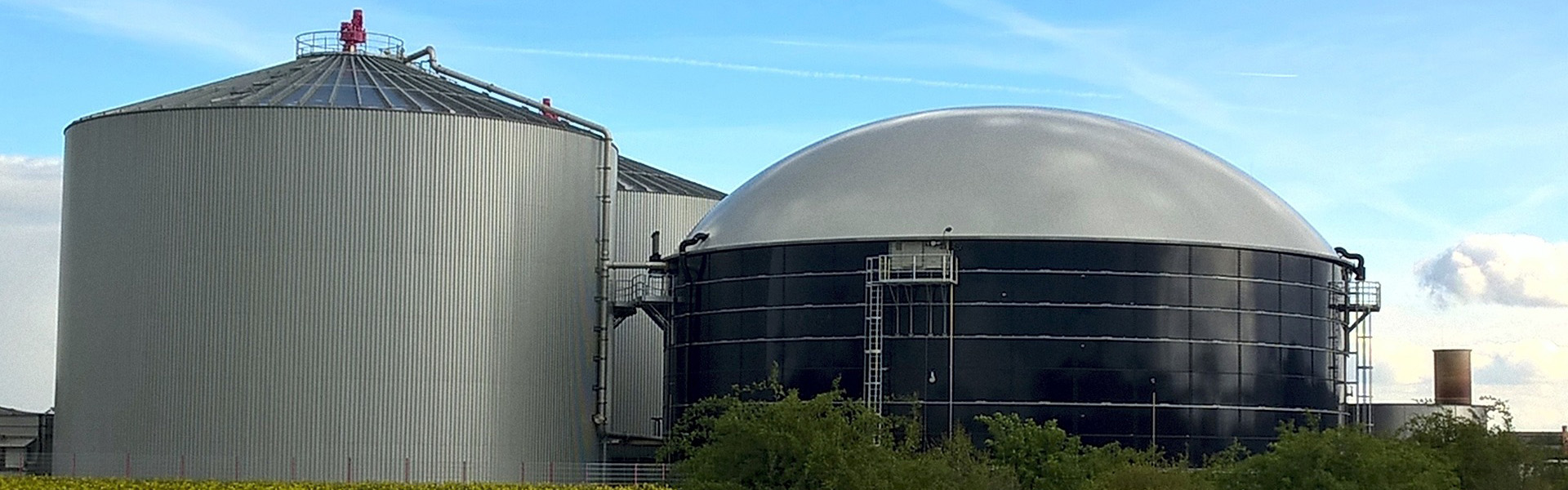
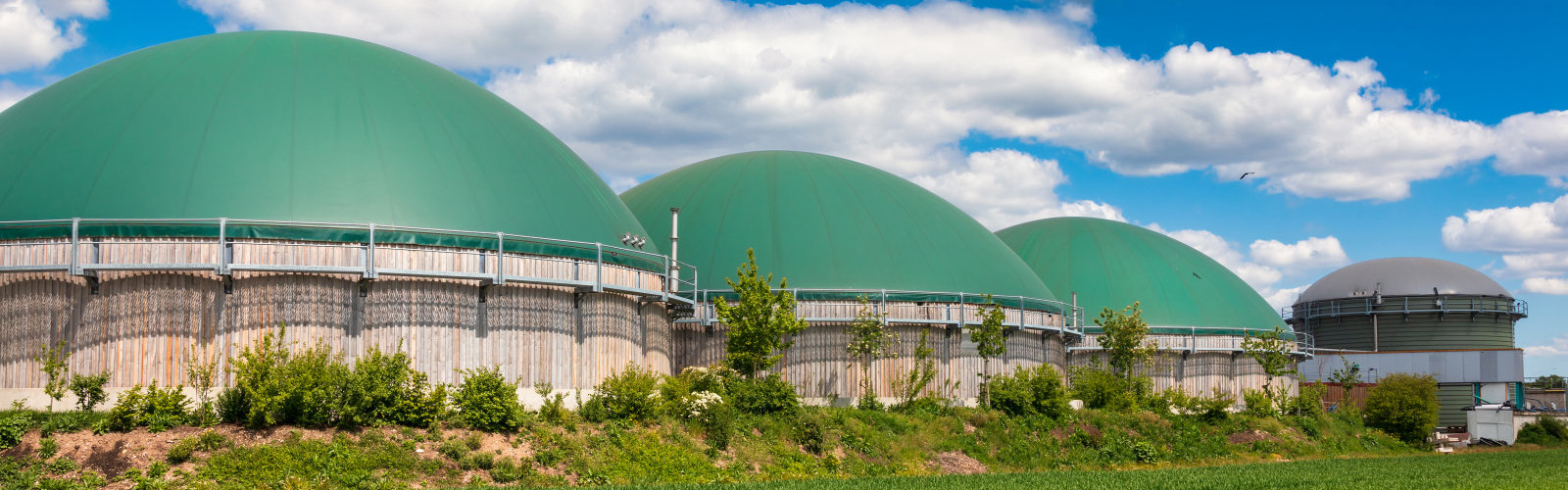
This is the heart of the farm biogas plant. It’s a heated, insulated, and sealed tank. Stirrers keep the mixture homogenous. The temperature is carefully controlled, typically in the mesophilic range (around 35-40°C). Here, bacteria work for 20-40 days, steadily producing biogas.
Biogas Storage and Utilization
The gas collects in a storage dome atop the digester or in a separate flexible holder. From there, it’s piped to the point of use. For most farms, this is a CHP engine. The engine runs on the biogas, spinning a generator. The resulting electricity is used or fed into the grid.
Digestate Storage and Handling
After digestion, the liquid moves to a separate storage lagoon or tank. It is now a stable, nutrient-rich bio-fertilizer. It can be applied to fields using standard equipment, often with less odor nuisance for neighbors.
Control and Safety Systems
Modern plants are automated. Sensors monitor temperature, gas production, and pH. Alerts are sent for any irregularities. Safety systems, including flare stacks for excess gas, are mandatory. They ensure safe operation at all times.
Investment and Operating Costs: What’s the Price Range?
The cost of a farm biogas plant is highly variable. It depends on size, feedstock complexity, and chosen technology.
A basic, manure-only system for a 500-cow dairy might start in the hundreds of thousands of dollars. A larger, mixed-input plant with advanced gas upgrading equipment can run into the millions.
Key cost factors include digester volume, type of CHP unit, and digestate storage capacity. Site preparation, grid connection fees, and engineering services add significant amounts.
Operating costs include maintenance of the engine, electrical parts, and occasional slurry pump repairs. Labor is needed for daily checks and feedstock mixing. The major economic driver is the combination of energy income, waste tipping fees (for external substrates), and fertilizer value replacement.
Choosing the Right System: A Practical Guide for Farmers
Selecting a farm biogas plant is a major decision. It must fit the farm’s specific context.
Start with a thorough feedstock audit. How much manure is available daily? What other organic wastes are accessible locally? This determines the potential scale and business case.
Assess energy needs and opportunities. Is there a consistent heat demand (e.g., for milk cooling, housing)? What are the local rates for selling electricity? This guides the size of the CHP unit.
Consider long-term farm goals. Is nutrient management the primary driver? Or is energy independence the key goal? This prioritizes different design aspects.
Work with experienced providers. Look for companies with a portfolio of working farm-scale plants. They should offer a clear service package, from planning permission support to long-term maintenance contracts.
Visit existing installations. Talk to other farmers about their reality—the benefits, the challenges, and the true operational requirements. There is no better research.
Beyond the Basics: Biogas Upgrading and Carbon Credits
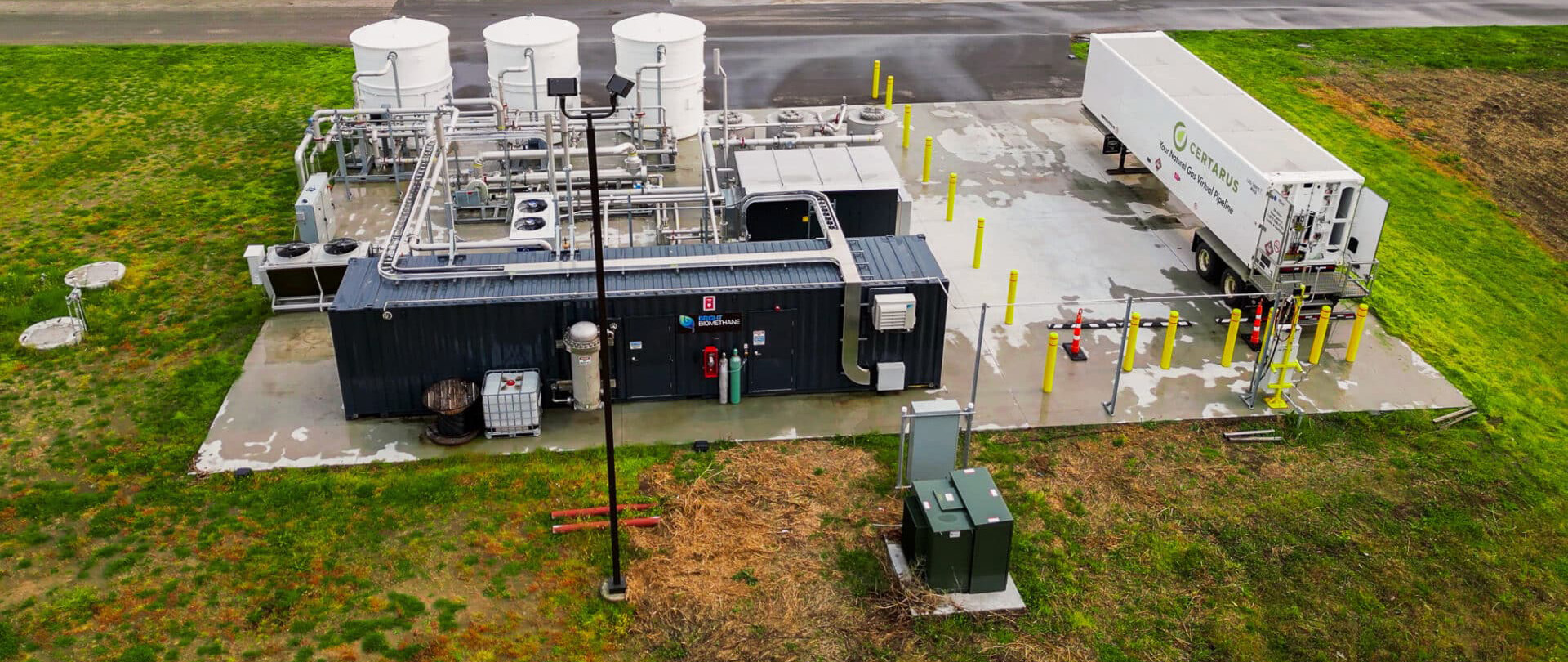
For some farms, the next step is biogas upgrading. This process cleans and refines raw biogas to pure biomethane. This “renewable natural gas” (RNG) can be injected into the gas grid or used as vehicle fuel.
It requires additional investment in scrubbing equipment. But it can access higher-value energy markets and government incentives focused on transport fuel decarbonization.
Another growing revenue stream is carbon credits. By destroying methane and displacing fossil fuels, a farm biogas plant generates verified carbon offsets. These can be sold in voluntary or compliance markets, adding another income layer.
Integration with Farm Operations
The most successful plants are those fully woven into the farm’s rhythm. Daily manure scraping becomes a feedstock collection routine. Digestate application is scheduled just like any other fertilization.
It can change crop planning. Some farmers grow specific crops, like whole-plant silage, as a co-substrate to boost gas yield. This creates a direct link between the cropping system and the energy system.
Good neighbor relations are also part of integration. A well-run plant reduces odors. It demonstrates environmental stewardship. This social license to operate is invaluable.
Conclusion: A Strategic Asset for the Modern Farm
The decision to build a farm biogas plant is strategic. It is not a quick fix but a long-term infrastructure investment. It future-proofs the farm against energy price volatility and tightening environmental regulations.
It transforms the farm from an energy consumer to a producer. It closes nutrient loops, improves soil health, and creates a new pillar of business income.
In essence, a farm biogas plant is a tool for building a more resilient, efficient, and sustainable agricultural operation. It represents a practical step toward circular farming, where outputs become inputs, and nothing is truly wasted.
Frequently Asked Questions (FAQs)
Q1: What size of farm is needed to make a biogas plant viable?
A1: There’s no single answer, as viability depends on manure volume, additional substrates, and energy prices. Generally, a dairy with 500+ cattle or a swine operation with 2,000+ hogs can be a strong starting point. However, smaller farms can succeed through community co-digestion plants that pool resources from multiple farms and local food waste.
Q2: How much time does it take to manage a farm biogas plant daily?
A2: For a standard, well-automated plant, daily management might require 1-2 hours. This involves checking engine parameters, monitoring feedstock inputs, and performing basic visual inspections. Weekly and monthly maintenance tasks (like oil changes on the CHP) require additional scheduled time.
Q3: What is the typical payback period for the investment?
A3: Payback periods typically range from 5 to 10 years. This is highly sensitive to government subsidies, feed-in tariffs for electricity, the cost of imported substrates or waste tipping fees, and the avoided cost of commercial fertilizers. Strong policy support can significantly shorten the payback time.
Q4: Can a biogas plant handle bad weather or if I change my herd size?
A4: The digester biology prefers consistency, but it can handle gradual changes. Sudden, large shifts in feedstock quantity or type can stress the microbial community. Designs include storage for several days of feedstock and digestate, providing a buffer for operational changes or severe weather events.
Q5: What are the most common maintenance challenges?
A5: The CHP engine is a key maintenance focus, requiring regular service like any internal combustion engine. Stirring mechanisms and submerged pumps can face wear from the abrasive slurry. Corrosion in humid, hydrogen-sulfide-rich environments is another ongoing consideration that a good maintenance plan addresses.