


News
We'll get back to you as soon as possible.
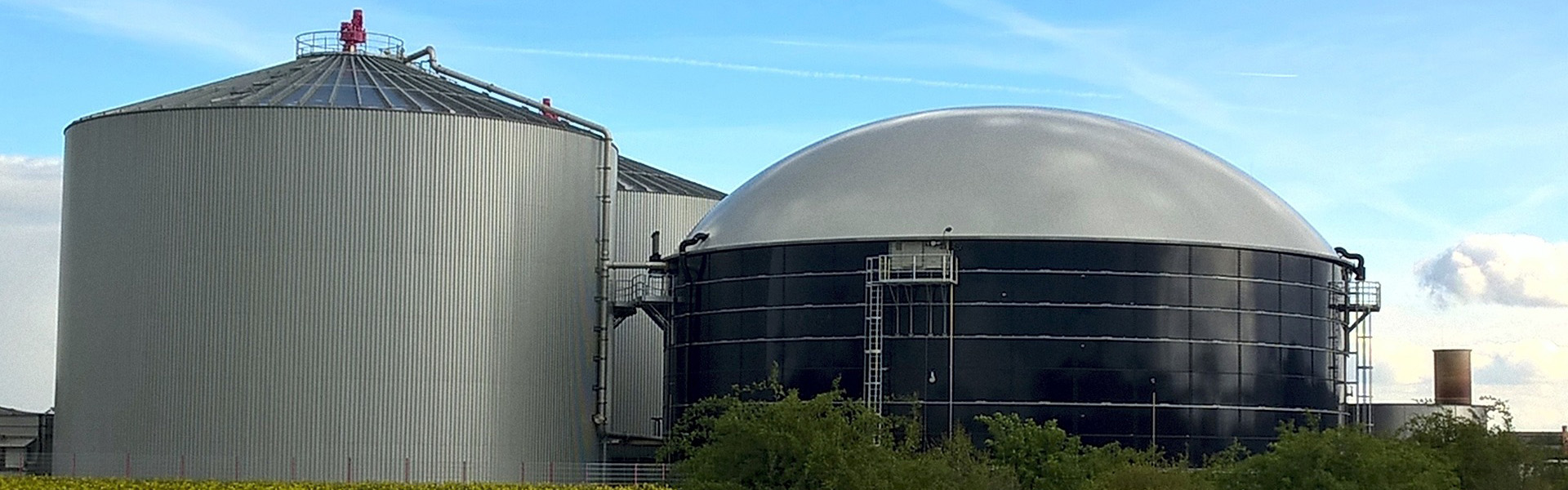
High Rate Anaerobic Digester Technology: Efficient Biogas and Wastewater Treatment
A high rate anaerobic digester is a specialized system designed for rapid organic waste treatment and biogas production. Unlike conventional digesters, it retains slow-growing anaerobic microbes while allowing liquid and solids to pass through quickly. This technology is central to modern industrial wastewater treatment and energy recovery projects worldwide. Its ability to handle high organic loads in a compact footprint makes it a preferred choice for many industries. This article explains its workings, benefits, and how it fits into the international bioenergy sector.

What is a High Rate Anaerobic Digester and How Does It Differ?
Anaerobic digestion is a biological process breaking down organic matter without oxygen, producing biogas. Conventional systems, like covered lagoons or plug-flow digesters, often have long retention times and larger volumes.
A high rate anaerobic digester separates hydraulic retention time (HRT) from solid retention time (SRT). It uses physical means to retain the active biomass (microorganisms) inside the reactor.
Biomass Retention: Uses granular sludge, fixed films, or membranes to keep microbes in place.
Faster Processing: Treats wastewater with high organic strength (COD) in hours or days, not weeks.
Compact Design: Requires significantly less space due to higher loading rates and efficiency.
Stable Operation: Maintains a robust microbial community resilient to load changes.
This separation of times is the core principle behind its "high rate" performance and efficiency.
Key Technologies and Reactor Configurations
Several reactor designs embody the high rate anaerobic digester principle. Each is suited to specific waste types and operational goals.
Upflow Anaerobic Sludge Blanket (UASB): The most widely adopted type. Wastewater flows upward through a dense blanket of granular sludge. A three-phase separator at the top captures biogas, treated effluent, and returns solids.
Expanded Granular Sludge Bed (EGSB): A variant of UASB with higher upward flow velocity. This expands the sludge bed, improving contact between waste and biomass. It is effective for lower-strength or less soluble wastewaters.
Internal Circulation (IC) Reactor: A two-stage system within a single tank. It uses biogas production to drive internal mixing and circulation. This allows for very high organic loading rates in a tall, compact design.
Anaerobic Filters (AF): Use packed media (like plastic rings) to which biomass attaches as a fixed film. Wastewater flows through this media bed, where degradation occurs.
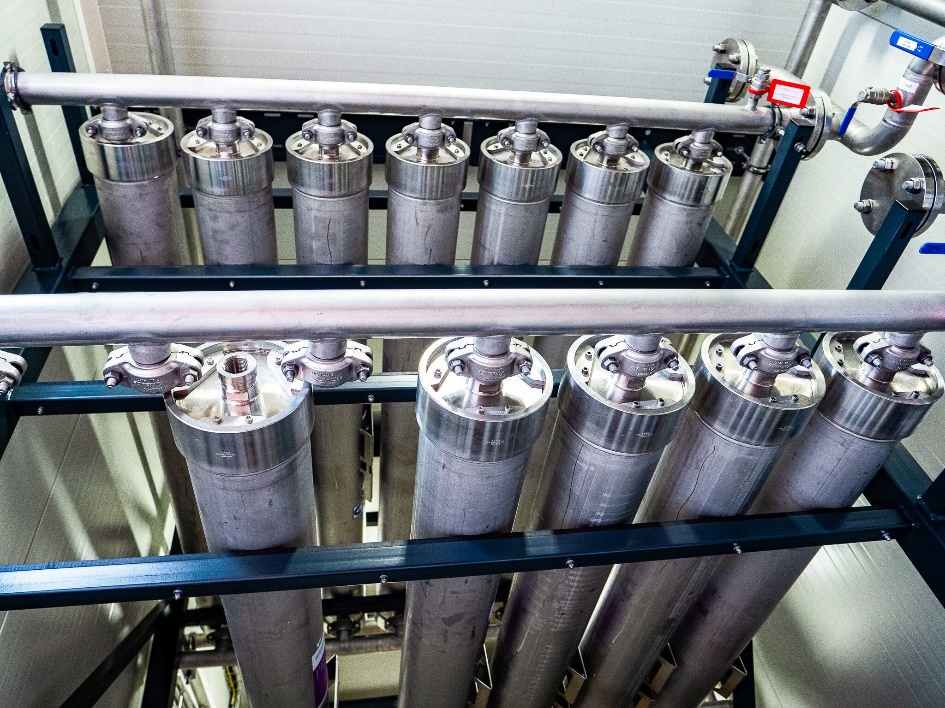
Anaerobic Membrane Bioreactors (AnMBR): Integrate membranes to completely retain biomass. They produce very high-quality effluent but involve higher capital and maintenance costs.
Primary Applications and Industry Use Cases
The high rate anaerobic digester is not typically used for thick slurries like animal manure. Its strength lies in treating liquid waste streams with high dissolved organic content.
Food and Beverage Processing: Wastewater from breweries, distilleries, dairies, starch, and sugar plants.
Pulp and Paper Mills: Treating effluents from pulping and bleaching processes.
Biofuel Production: Treating stillage (vinasse) from ethanol production.
Chemical and Pharmaceutical Industries: Processing selected biodegradable process wastewaters.
Municipal Wastewater: Concentrated sidestreams from sludge digestion (centrate) are often treated with high-rate systems.
The system achieves dual objectives: significant organic pollution removal and renewable biogas energy generation.
Advantages and Operational Benefits
Choosing a high rate anaerobic digester offers distinct benefits over aerobic treatment or conventional anaerobic methods.
Energy Positive: Produces substantial biogas (methane) for heat or electricity, often exceeding the plant's energy needs.
Low Energy Consumption: Requires no aeration, cutting electrical use by up to 90% compared to aerobic systems.
Reduced Sludge Production: Anaerobic microbes yield less excess biomass (sludge), lowering disposal costs.
Small Footprint: High loading rates mean smaller reactor tanks, saving space and construction material.
Nutrient Management: Preserves nutrients (N, P) in the effluent for potential agricultural use.
These advantages directly translate to lower operational expenses and a faster return on investment.
Cost Considerations and Economic Factors
The economics of a high rate anaerobic digester depend on scale, technology, and waste characteristics.
Capital Costs: Include reactor tanks, internal components (separators, media), biogas handling equipment, and instrumentation. IC and AnMBR systems are generally at the higher end, while UASB can be more cost-effective for suitable applications.
Operational Costs: Are typically low. Key expenses involve pumping energy, periodic maintenance, and potential chemicals for pH adjustment. The sale of biogas energy or related credits is a major revenue offset.
Key Economic Drivers:
Organic strength (COD/BOD) and flow rate of the wastewater.
Local costs for electricity (which is saved) and for alternative wastewater treatment.
Value of produced biogas and any green energy incentives.
Costs avoided from sludge handling and disposal.
A detailed feasibility study is crucial to model payback periods, which can range from 2 to 5 years in favorable cases.
Selecting a Technology Provider and Key Selection Criteria
The market includes global water technology companies and specialized engineering firms. Selecting a supplier requires technical evaluation.
Look for providers with extensive references in your specific industry. They should offer robust process guarantees on treatment efficiency and biogas yield.
Pilot Testing: Always conduct a pilot study with your actual wastewater. It confirms treatability and guides reactor design.
Granular Sludge: For UASB/EGSB/IC, inquire about seed granule sourcing. This can impact start-up time.
After-Sales Support: Ensure access to technical support, spare parts, and operational know-how.
Integration Capability: The provider should design the complete system, including pre-treatment and post-treatment steps.
A reliable high rate anaerobic digester supplier acts as a long-term partner for operational success.
The Role in a Modern Biogas Plant and Future Trends
In integrated biogas facilities, a high rate anaerobic digester often serves as the primary treatment step for liquid streams. The produced biogas can be upgraded to biomethane or used in a CHP unit.
Future developments focus on increasing robustness and application range. This includes treating colder wastewater and lower-strength streams more economically. Research also targets better control systems using real-time sensors and AI for optimization.
The push towards circular economies ensures this technology's relevance. It recovers energy from waste, reduces treatment costs, and lowers the carbon footprint of industrial production. As sustainability regulations tighten, its adoption is set to grow.
Frequently Asked Questions (FAQs)
Q1: Can a high rate anaerobic digester handle solid waste?
A1: Generally, no. These systems are designed for wastewaters with suspended solids typically below 2-4%. High solids content can clog the system or wash out granular sludge. Solid organic waste (e.g., food scraps, manure) is better suited for wet or dry continuous stirred tank reactor (CSTR) digesters.
Q2: What is granular sludge and why is it important for UASB technology?
A2: Granular sludge is dense, self-immobilized aggregates of anaerobic microorganisms. It settles quickly, allowing it to be retained in the reactor while clear effluent flows out. This granulation is what enables the high biomass concentration and efficiency of UASB, EGSB, and IC reactors. It can take months to develop naturally, so it is often sourced from an existing plant to speed up start-up.
Q3: How does temperature affect a high rate anaerobic digester?
A3: Temperature critically impacts microbial activity. Most high-rate systems operate in the mesophilic range (35-38°C) for optimal stability and rate. Some operate at thermophilic temperatures (50-55°C) for faster kinetics, but this requires more energy for heating and can be less stable. Performance declines significantly below 20°C, though psychrophilic designs are an area of research.
Q4: What kind of pre-treatment is usually required?
A4: Pre-treatment is essential to protect the reactor. It commonly includes screening to remove coarse solids, grit removal, and often fat/oil/grease separation. A balancing or equalization tank is used to smooth out flow and concentration fluctuations. pH adjustment may be needed to keep the influent in a neutral range suitable for the microbes.
Q5: Is the effluent from this digester ready for direct discharge to a river?
A5: Rarely. While a high rate anaerobic digester removes 70-90% of organic pollution (COD), the effluent usually requires further polishing. This is typically done with an aerobic treatment step to remove residual organics, nutrients (nitrogen, phosphorus), and any remaining biodegradable matter to meet strict discharge limits. The anaerobic stage does the bulk of the work, making the downstream aerobic stage much smaller and cheaper to operate.