


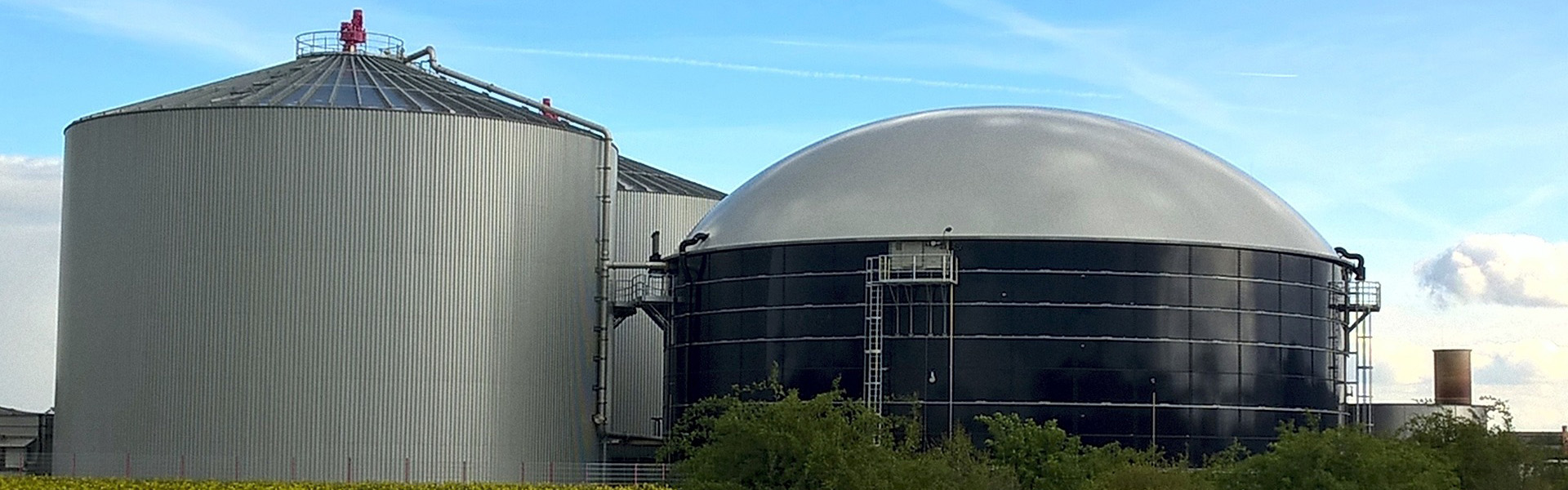
Hydrogen production from biogas is gaining attention as a path to sustainable energy. This process uses upgraded biogas, mainly methane, to generate hydrogen. It combines waste management with clean fuel creation.
For manufacturers in the biogas upgrading sector, this application opens new markets. Systems for hydrogen production from biogas require specific technology and careful integration.
Core Concepts and Comparisons for Hydrogen from Biogas
Hydrogen production from biogas typically involves a two-step process. First, biogas is cleaned and upgraded to biomethane. Second, the methane undergoes reforming to produce hydrogen and carbon dioxide.
The main method used is steam methane reforming (SMR). This is compared to other pathways like partial oxidation or autothermal reforming.
Steam Methane Reforming (SMR): Most common method. Uses high-temperature steam with a catalyst.
Partial Oxidation (POX): Exothermic process using limited oxygen.
Dry Reforming: Uses carbon dioxide instead of steam. Can be useful for biogas with high CO2 content.
Hydrogen production from biogas via SBR is often compared to electrolysis. The biogas route can have a lower carbon intensity if the biogas source is sustainable.
Applications and System Selection Guide
The hydrogen made from this process has several key uses. It can fuel hydrogen vehicles, feed industrial processes, or be stored for energy.
Selecting a system for hydrogen production from biogas requires analysis. Project size, biogas quality, and end-use purity are critical factors.
Transportation Fuel: Needs high-purity hydrogen (99.97%+). Requires additional purification steps.
Industrial Feedstock: May tolerate lower purity levels, reducing costs.
Power Generation: Hydrogen can be used in fuel cells or gas turbines for electricity.
When planning hydrogen production from biogas, consider the entire chain. This includes biogas sourcing, cleaning, reforming, and hydrogen purification units.
Commercial Services and Finding Technology Suppliers
Several companies offer technology for hydrogen production from biogas. These include engineering firms and specialized manufacturers of reforming systems.
Services range from feasibility studies to full engineering, procurement, and construction (EPC). Finding the right supplier involves checking their experience with biogas feedstocks.
Look for suppliers with reference plants using biogas, not just natural gas.
Evaluate their capability to integrate biogas upgrading with reforming islands.
Check for after-sales support for catalyst replacement and maintenance.
Partnerships between biogas plant operators and hydrogen technology providers are growing. This collaboration is vital for successful hydrogen production from biogas projects.
Cost Analysis and Economic Considerations
The cost of hydrogen production from biogas depends heavily on scale and technology. Capital expenditure for reformers and purification units is significant.
Operational costs include catalyst consumption, energy for the reforming process, and labor. The price of the biogas feedstock itself is a major variable.
Capital Costs: Can range from hundreds of thousands to millions of dollars for integrated systems.
Production Cost: Estimated cost per kilogram of hydrogen is often compared to grey and green hydrogen benchmarks.
Funding: Government grants and carbon credits can improve project economics.
Despite higher upfront costs, hydrogen production from biogas can be competitive. This is especially true in regions with low-cost biogas and support for low-carbon fuels.
Technology and Process Details
The technical pathway for hydrogen production from biogas involves precise steps. Pre-treatment is crucial to protect sensitive reforming catalysts from impurities.
After cleaning, the biogas enters the reformer. Here, methane and steam react at high temperatures (700-1000°C) over a nickel-based catalyst.
The resulting "syngas" contains hydrogen, carbon monoxide, and carbon dioxide. A water-gas shift reaction then increases hydrogen yield.
Pre-treatment: Removal of H2S, siloxanes, and halogens is mandatory.
Reforming: SMR reactor design impacts efficiency and hydrogen output.
Purification: Pressure Swing Adsorption (PSA) is commonly used to reach high purity.
Carbon Capture: The process allows for concentrated CO2 capture, enabling potential carbon-negative claims.
Ongoing research focuses on improving catalyst durability and process efficiency for hydrogen production from biogas. Advanced membranes for hydrogen separation are also being developed.
Environmental Impact and Future Outlook
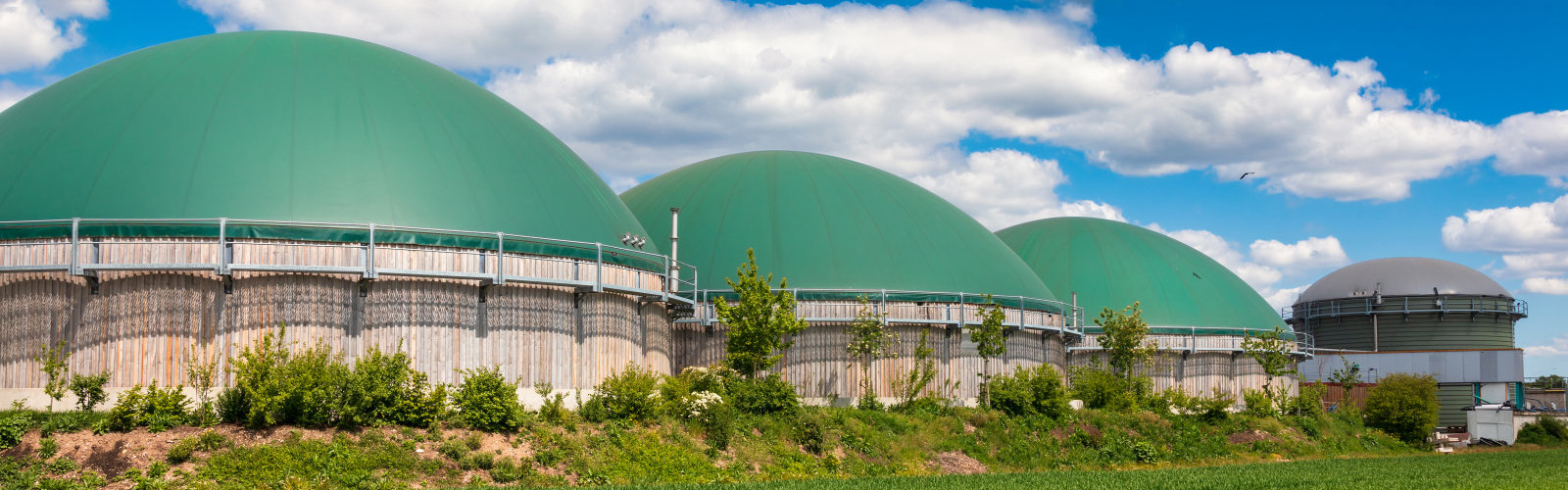
Hydrogen production from biogas can reduce greenhouse gas emissions. It uses methane that might otherwise escape into the atmosphere.
The carbon footprint is lower than conventional grey hydrogen from natural gas. If combined with carbon capture, it can approach carbon neutrality.
The future of hydrogen production from biogas is linked to clean hydrogen policies. Growth depends on technology cost reductions and stable biogas supply chains.
In conclusion, hydrogen production from biogas represents a practical route to low-carbon hydrogen. It utilizes existing organic waste streams and proven reforming technology. For project developers, a clear understanding of both biogas upgrading and hydrogen synthesis is key. The role of hydrogen production from biogas is expected to grow in the coming years.
Frequently Asked Questions (FAQs)
Q1: What is the main advantage of hydrogen production from biogas compared to electrolysis?
A1: The main advantage is potentially lower energy input, as the chemical energy in methane is used. It can also offer a lower carbon intensity if the biogas source is managed sustainably, and it utilizes existing waste resources.
Q2: What purity of hydrogen can be achieved from biogas reforming?
A2: Using standard Steam Methane Reforming followed by Pressure Swing Adsorption, hydrogen purity can exceed 99.97%, which is suitable for most applications, including fuel cell vehicles.
Q3: Is the CO2 produced during hydrogen production from biogas considered biogenic?
A3: Yes, since the carbon in biogas originates from organic matter, the CO2 released during reforming is generally considered biogenic. This makes it a candidate for carbon capture and utilization/storage (CCUS) strategies.
Q4: What is the typical efficiency of the hydrogen production process from biogas?
A4: Overall system efficiency (energy in biogas to energy in hydrogen) typically ranges from 60% to 75%, depending on the technology, scale, and level of heat integration and recovery.
Q5: Can small-scale farm-based biogas plants produce hydrogen?
A5: Technically yes, but it is often not economically feasible at very small scales due to high unit costs. The process is more suited for medium to large-scale biogas facilities or centralized hubs aggregating biogas from several sources.