


News
We'll get back to you as soon as possible.
8 Latest Technologies in Biogas Production for 2024: Efficiency & Upgrading
The biogas industry is evolving quickly. New methods and tools are making production more efficient and profitable. Understanding the latest technology in biogas production is key for anyone in agriculture, waste management, or renewable energy. This progress is especially relevant in the international biogas upgrading equipment manufacturing sector, where innovation drives value. This article explores the most important recent advances.
1. Hyper-Efficient Anaerobic Digesters
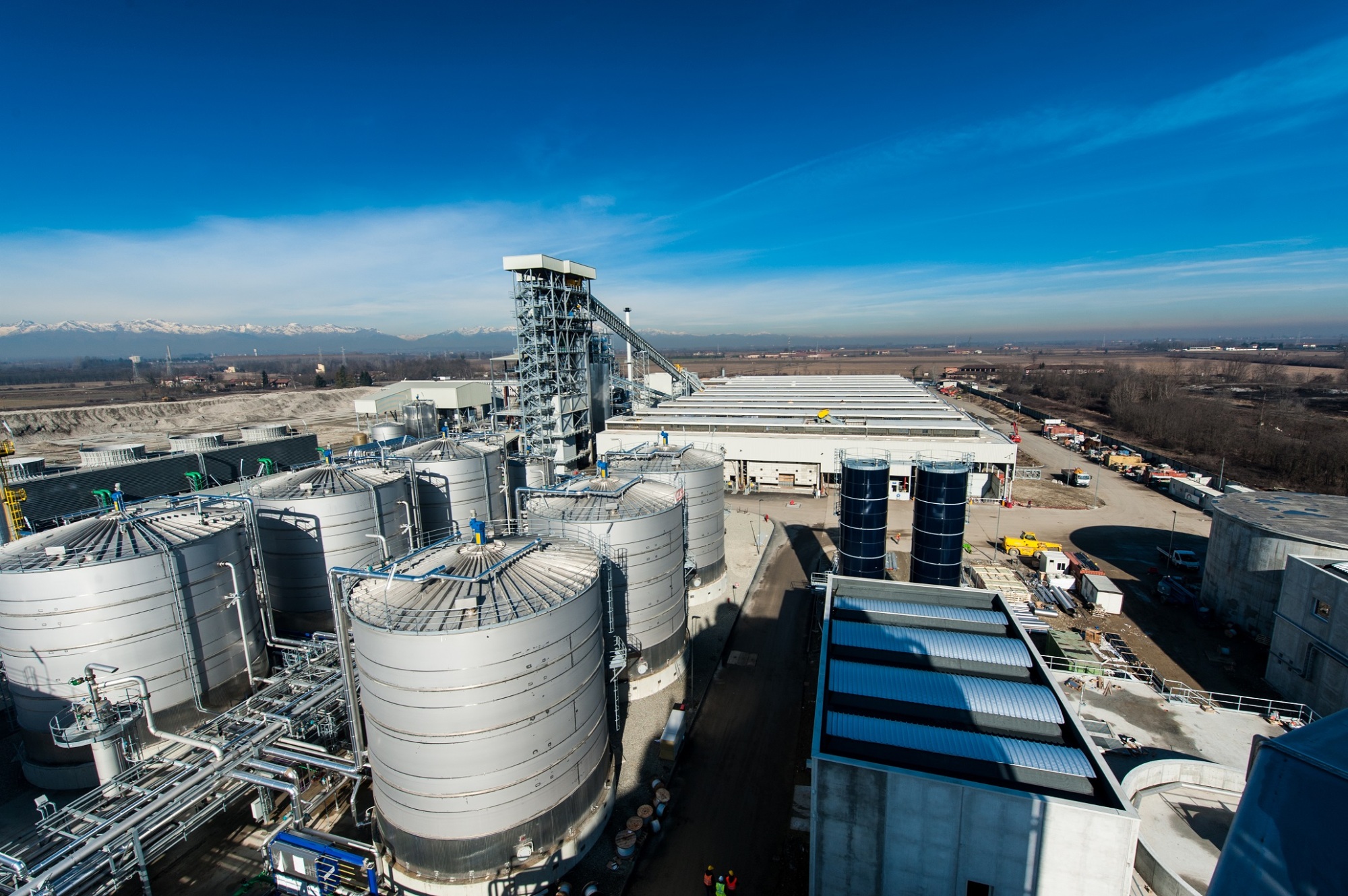
Modern digesters are far more effective than older models. They are designed for faster breakdown of organic material and higher gas yields. This represents a core part of the latest technology in biogas production.
Key features include:
Thermophilic systems that operate at higher temperatures for quicker digestion.
Improved mixing mechanisms for consistent substrate contact.
Dual-stage digesters that separate acidogenesis and methanogenesis phases.
These designs maximize methane output while reducing the required retention time for feedstock.
2. Advanced Membrane Separation for Biogas Upgrading
Turning raw biogas into pipeline-quality biomethane is a critical step. Membrane separation technology has seen significant improvements. It is now a leading method in the latest technology in biogas production for purification.
Recent advancements focus on:
New polymer materials with higher selectivity for CO2 and CH4.
Multi-stage membrane systems that achieve over 99% methane purity.
More durable membranes that resist contaminants like H2S and water vapor.
This technology is a priority for biogas upgrading equipment manufacturers globally.
3. AI and IoT for Process Optimization
Artificial Intelligence and the Internet of Things are changing how plants operate. Sensors collect real-time data on temperature, pH, pressure, and gas composition.
AI algorithms then use this data to:
Predict and prevent system failures or foaming events.
Automatically adjust feeding rates for optimal gas production.
Identify the most efficient feedstock mixtures.
This smart approach is a defining element of the latest technology in biogas production, reducing costs and boosting output.
4. Novel Biological Additives and Enzymes
Research into biological enhancers is producing strong results. Specially formulated additives can break down complex organic compounds more completely.
These products include:
Consortia of specialized bacteria that target lignocellulosic biomass.
Enzymatic pre-treatments for agricultural waste like straw and manure.
Trace element mixes that support robust microbial health in the digester.
Using these additives can increase methane production by 15% or more, making them a valuable new tool.
5. Integrated Hydrothermal Carbonization (HTC)
HTC is a pre-treatment process that converts wet biomass into a coal-like substance called hydrochar. It is gaining attention as a complementary technology.
The process offers two main benefits:
It treats difficult, wet waste streams that are hard to digest traditionally.
The liquid byproduct from HTC is highly digestible and can be fed into a biogas reactor.
This creates a combined system for managing diverse waste types while maximizing energy recovery.
6. Small-Scale and Containerized Biogas Units
Technology is making biogas accessible for smaller farms and businesses. Compact, pre-fabricated units are now widely available.
These systems feature:
Plug-and-play installation with minimal onsite construction.
Automated operation with remote monitoring capabilities.
Efficient gas storage and handling for direct local use.
This modular approach decentralizes energy production and is a growing trend in the latest technology in biogas production.
7. Advanced Gas Storage and Grid Injection Solutions
Handling the final product efficiently is as important as making it. New storage and injection technologies ensure biomethane reaches the market reliably.
Innovations include:
High-pressure composite storage tanks that are lighter and safer.
Precise metering and odorization systems for grid injection.
Liquefaction technology for producing Bio-LNG for transport fuel.
Biogas upgrading equipment manufacturers are integrating these solutions into complete product offerings.
8. Carbon Capture and Utilization (CCU) from Upgrading
The CO2 removed during biogas upgrading is often released. Now, technologies are emerging to capture and use this carbon.
This CO2 can be utilized for:
Greenhouse fertilization in agriculture.
Industrial processes or beverage carbonation.
Conversion into synthetic fuels or chemicals.
Adding CCU makes a biogas plant more sustainable and creates an additional revenue stream, closing the carbon loop.
In summary, the sector is being transformed by significant innovation. From intelligent control systems to novel upgrading methods, the latest technology in biogas production focuses on higher efficiency, better economics, and greater environmental benefits. For the international biogas upgrading equipment manufacturing industry, adopting and refining these technologies is essential for future growth and meeting global renewable energy targets.
Frequently Asked Questions
Q1: What is the most significant trend in the latest technology in biogas production?
A1: The integration of digital tools like AI and IoT for real-time process optimization is a major trend. It allows for unprecedented control over digestion parameters, leading to higher, more stable gas yields and lower operating costs.
Q2: How has biogas upgrading technology improved recently?
A2: Upgrading technologies like membrane separation and pressure swing adsorption have become more efficient and robust. New materials and multi-stage designs now reliably produce biomethane with over 99% purity, meeting strict grid injection standards.
Q3: Are these new technologies suitable for small farms?
A3: Yes. The development of small-scale, containerized, and plug-and-play biogas units is a key part of the latest technology in biogas production. These systems bring automated and efficient biogas production to smaller operations.
Q4: What role do biological additives play in modern biogas plants?
A4: Specially formulated enzymes and bacterial consortia act as performance enhancers. They help break down tough organic materials more completely and maintain healthy digester microbiology, often boosting methane production significantly.
Q5: Why is Carbon Capture and Utilization (CCU) important for biogas?
A5: CCU addresses the pure CO2 stream that is a byproduct of biogas upgrading. Instead of releasing it, CCU technologies find commercial uses for the carbon, improving the plant's overall carbon footprint and creating new income.