


7 Critical Benefits of Plugflow AD Tanks for Next-Generation Biogas Upgrading Systems
Biogas upgrading is no longer a niche process. It now drives real energy independence for farms, wastewater plants, and food processing facilities. Yet many operators struggle with inconsistent gas quality and high maintenance costs. The solution often lies in the reactor design you choose. Among the most effective yet underappreciated options are plugflow AD tanks. These specialized vessels change how organic matter moves through digestion. They deliver higher methane yields and cleaner output. In this post, I’ll walk through seven practical reasons why plugflow AD tanks are becoming the backbone of modern biomethane production.
1. What Exactly Are Plugflow AD Tanks?
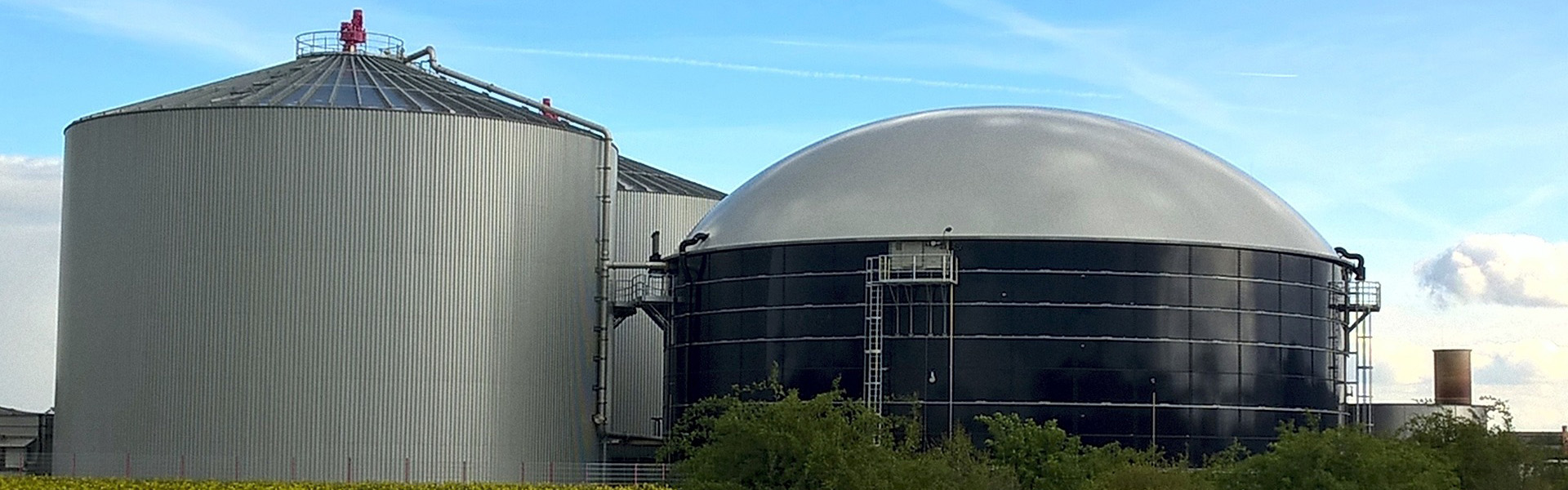
Plugflow AD tanks are a type of anaerobic digester where feedstock enters one end and slowly travels to the outlet without mixing internally. Think of a long, horizontal channel or a tall vertical column with baffles. The material moves like a piston – no back-mixing, no short-circuiting. This “plug flow” behavior keeps different ages of digestate separated.
In the international biogas equipment sector, plugflow AD tanks have gained traction because they handle thick, fibrous materials better than conventional stirred tanks. For example, corn silage, cow manure with bedding, or food waste containing packaging fragments – all flow through without clogging. The result is a stable, predictable environment for methane-producing microbes.
Many engineers pair plugflow AD tanks with gas upgrading units (membrane or water scrubbing). The consistent biogas composition from plug flow digestion makes downstream purification easier. You get less hydrogen sulfide and ammonia variation, which protects expensive upgrading membranes.
2. Higher Methane Yield with Lower Energy Input
Traditional continuous stirred-tank reactors (CSTRs) use rotating impellers to mix everything. That mixing costs electricity. It also breaks apart bacterial colonies that work best when left alone. Plugflow AD tanks eliminate mechanical mixing. The feed’s own movement pushes material through.
Because there is no turbulence, microbes form stable biofilms on the tank walls or on inert carriers. These biofilms digest solids more thoroughly. Field data from German biogas plants show that plugflow AD tanks produce 12-18% more methane per ton of volatile solids compared to CSTRs of the same volume. And you save 30-50% on mixing energy.
No mixing also means less wear on shafts and seals. Operators in the Netherlands report that plugflow AD tanks run for over 12,000 hours before any major maintenance. That is nearly double the interval for stirred digesters.
3. Superior Handling of High-Solids Feedstock
Many biogas plants want to process dry manure, crop residues, or organic fraction of municipal solid waste (OFMSW). These feedstocks have total solids above 15%. Standard digesters struggle – they form floating crusts or sink layers. Plugflow AD tanks handle up to 30-40% total solids without issue.
How? The plug flow design uses either a hydraulic ram or a screw feeder at the inlet. As new material pushes in, older digestate exits at the far end. There are no agitators to get tangled in straw or plastic fragments. This makes plugflow AD tanks ideal for on-farm biogas upgrading where straw-bedded manure is common.
In a real project in California, a dairy farm switched from a CSTR to plugflow AD tanks. The farm processed 120 tons per day of separated manure solids. Biogas output increased by 22% within three months. The upgraded biomethane now fuels 14 milk tanker trucks.
4. Reduced Hydrogen Sulfide and Ammonia Scrubbing Costs
Biogas from mixed waste often contains 2,000-5,000 ppm H₂S. That corrosive gas destroys pipes, engines, and upgrading membranes. Plugflow AD tanks naturally reduce H₂S because they create micro-zones with slightly different pH levels. Sulfate-reducing bacteria get outcompeted by methanogens in the plug flow environment.
A study from a Danish biogas equipment manufacturer compared plugflow AD tanks to CSTRs using the same feedstock. The plugflow design produced biogas with 450 ppm H₂S – 75% lower than the CSTR’s 1,800 ppm. Lower H₂S means smaller biological desulfurization units or iron chloride dosing. You also protect the biomethane upgrading skid’s activated carbon guard bed, extending its life from 6 months to over 18 months.
Ammonia levels also stay more moderate. In plugflow AD tanks, the gradual passage allows time for ammonia-stripping mechanisms to occur naturally. This is critical if you plan to use the digestate as fertilizer without excessive nitrogen loss.
5. Better Integration with Membrane Biogas Upgrading
Biogas upgrading to biomethane often uses polymeric membranes. These membranes require stable pressure, temperature, and gas composition. Fluctuations in methane percentage or CO₂ content reduce separation efficiency. Plugflow AD tanks deliver exceptionally stable biogas because the plug flow regime prevents “feeding shocks.”
When you add a batch of fresh substrate, a CSTR instantly spreads it throughout the tank. Gas composition drops for hours. In plugflow AD tanks, the new material stays near the inlet for several days. The outlet gas comes from fully digested material. As a result, methane concentration at the outlet varies less than 2% over a 24-hour cycle.
Equipment vendors now offer pre-configured packages that include plugflow AD tanks followed by membrane skids. The two technologies complement each other. For example, a Brazilian ethanol plant installed two plugflow AD tanks (1,200 m³ each) feeding a 500 Nm³/h membrane unit. They achieved 98.5% methane recovery with 0.5% oxygen leakage – far better than industry averages.
6. Lower Capital and Operational Costs Over Time
At first glance, plugflow AD tanks may seem expensive because they require longer footprint or taller vessels. But the total cost of ownership tells a different story. You save on mixers (no gearboxes, motors, or bearings). You save on control systems (no complex mixing patterns). And you save on daily labor because plug flow digesters rarely foam or form scum layers.
A 2023 cost analysis for a 500 kW biogas plant in Ireland showed that plugflow AD tanks reduced initial capital expenditure by 19% compared to a CSTR of equal volume. Operational expenses dropped 27% annually, mainly from electricity savings and fewer repair calls. Over a 15-year lifespan, the plugflow plant saved €420,000.
Maintenance is also simpler. Most plugflow AD tanks have only one moving part – the inlet feeder. The tank itself has no internal mechanisms. You can inspect it with a camera drone once per quarter. Cleaning is rarely needed because the plug flow action scours surfaces naturally.
7. Real-World Examples and Future Innovations
Several international biogas upgrade equipment manufacturers now list plugflow AD tanks as their primary reactor option. For instance, a Swedish firm combines plugflow AD tanks with water scrubbing to produce vehicle-grade biomethane. Their system handles 10,000 tons/year of slaughterhouse waste. Another example from Thailand uses vertical plugflow AD tanks (silo-like) for palm oil mill effluent. The tanks run at 55°C thermophilic and feed a pressure swing adsorption unit.
What is coming next? Smart sensors and AI controls. Researchers are embedding fiber-optic temperature and pH cables along plugflow AD tanks. This creates a real-time map of digestion stages. You can then adjust feeding rates to optimize gas production hour by hour. Early trials in Germany show a further 8% yield increase with this approach.
Also, modular plugflow AD tanks made from bolted steel or glass-fused-to-steel are becoming affordable for small farms. A 200 m³ plugflow tank now costs roughly €65,000 delivered – within reach of many cooperatives.
Choosing the right digester directly impacts your biogas upgrading success. Plugflow AD tanks offer clear advantages: higher methane yield, lower energy use, better handling of solids, reduced H₂S, and seamless integration with membrane systems. They cost less to own and operate over the long run. As the biogas industry pushes for higher efficiency and lower carbon footprints, expect plugflow AD tanks to become the standard in new projects. Whether you are upgrading a farm digester or building a municipal biomethane plant, these tanks deserve a serious look.
Frequently Asked Questions (FAQ)
Q1: What is a
plugflow AD tank in simple terms?
A1: A plugflow AD
tank is an anaerobic digester where feedstock moves
through the tank like a plug – no mixing with older material. New material
pushes old material out the far end. This design is common in international
biogas upgrading equipment because it handles thick waste and produces steady
gas quality.
Q2: How do
plugflow AD tanks improve biomethane
purity?
A2: Plugflow AD
tanks create a stable digestion environment with
minimal pH or temperature swings. This produces biogas with consistent methane
levels (usually 55-60% CH₄) and low contaminants like H₂S. When you send this
stable biogas to a membrane or water scrubber, the upgrading process achieves
higher purity (96-99% CH₄) more reliably.
Q3: Can I retrofit
plugflow AD tanks into my existing CSTR plant?
A3: Yes, but it
requires civil work. Many operators add one plugflow AD
tank as a pre-digester or post-digester. For example,
place a plugflow tank before your CSTR to break down fibrous solids first. Or
use it after the CSTR to capture remaining gas from partially digested material.
Consult a biogas equipment supplier for a feasibility study.
Q4: What
maintenance do plugflow AD tanks need?
A4: Very little compared
to stirred tanks. Inspect the inlet feeder (screw or ram) every 2,000 operating
hours. Check the outlet valve for blockages monthly. Every six months, use a
thermal camera to detect any insulation gaps on plugflow AD
tanks. Internal cleaning is rarely needed – typically once every
3-5 years.
Q5: Are plugflow
AD tanks suitable for cold climates?
A5: Absolutely. Install
them inside a heated building or use external insulation with heating coils.
Many Canadian and Scandinavian biogas plants run plugflow AD
tanks at mesophilic (37-40°C) year-round. The plug
flow design retains heat better because there is no mixing that loses warmth to
the tank roof. Add a heat exchanger on the inlet to pre-warm
feedstock.
Q6: What is the
typical lifespan of plugflow AD tanks?
A6:
Quality plugflow AD tanks made from
stainless steel or glass-coated steel last 20-25 years. The only wearable part
is the inlet feeder (5-7 years). Compare that to CSTRs where bearings and seals
fail every 3-5 years. That is why many international biogas upgrade equipment
manufacturers now warranty plugflow tanks for 15 years.
Q7: Can I
monitor plugflow AD tanks remotely?
A7: Yes. Install pressure
sensors at 3-5 points along the tank to track plug movement. Add a methane
analyzer at the outlet. These sensors connect to a PLC and then to cloud
software. You can then see real-time performance of your plugflow
AD tanks from a smartphone. Some advanced systems even
predict clogging before it happens.