


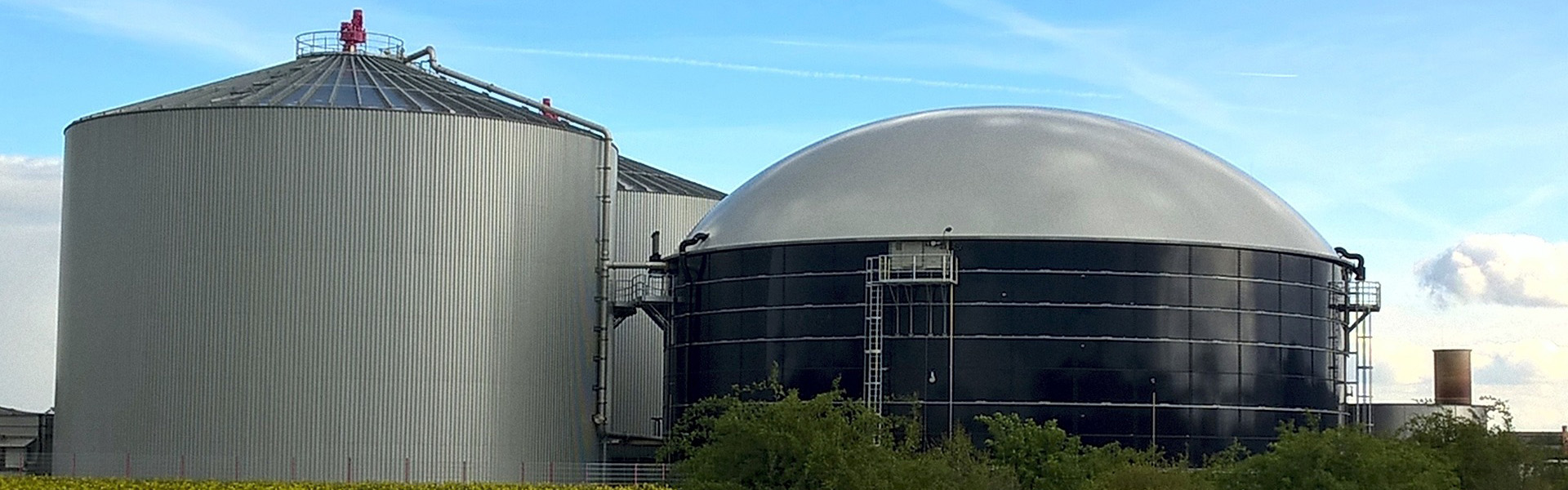
High Rate Anaerobic Digester: Boosting Biogas Yield for Modern Upgrading Plants
If you work in the biogas industry, you know the pressure to get more output from less space. Traditional digesters are slow and bulky. That’s why many plant operators are switching to a high rate anaerobic digester. This technology speeds up the breakdown of organic waste, producing more biogas in days instead of weeks. For international biogas upgrading equipment manufacturers, understanding this system is no longer optional—it’s essential.
In this article, I’ll share what makes a high rate anaerobic digester different, how it pairs with upgrading gear, and what to watch out for in daily operations. No fluff, just field-tested insights.
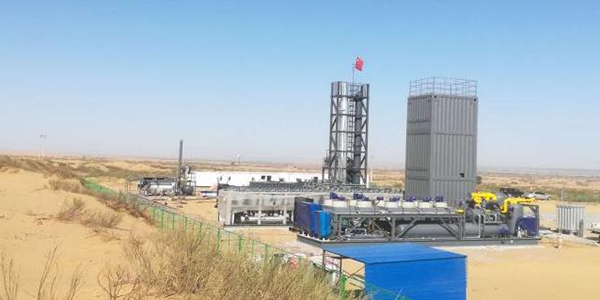
What Is a High Rate Anaerobic Digester?
A high rate anaerobic digester is a reactor designed to maximize the contact between bacteria and organic feedstock. Unlike conventional tanks that rely on long retention times, this system uses mixing, recirculation, or fixed-film media to keep biomass active.
The key metric is the organic loading rate (OLR). Conventional digesters handle 1–3 kg VS/m³/day. A high rate anaerobic digester easily reaches 5–15 kg VS/m³/day. That means smaller tanks, lower heating costs, and faster payback.
I’ve seen facilities cut their digester volume by 60% while keeping the same gas output. For biogas upgrading equipment manufacturers, that’s a game changer. More concentrated biogas means less energy wasted in the cleaning process.
Key Benefits of Using a High Rate Anaerobic Digester
Why would a plant upgrade to this technology? Here are the real-world advantages:
Higher methane yield per cubic meter – Because biomass stays inside the reactor much longer than the liquid.
Lower footprint – Ideal for urban waste facilities or farms with limited land.
Better process stability – Advanced mixing prevents scum and settling.
Compatible with upgrading gear – The consistent gas quality matches membrane or PSA units.
One of our partner plants in Germany swapped their old lagoon for a high rate anaerobic digester. Within three months, biogas production doubled, and the methane content rose from 52% to 68%. Their upgrading equipment ran smoother than ever.
How a High Rate Anaerobic Digester Integrates with Biogas Upgrading Equipment
This is where the real value appears. Biogas upgrading equipment—like water scrubbers, pressure swing adsorption (PSA), or membrane units—needs steady input. If the raw gas fluctuates in pressure or composition, the whole downstream process suffers.
A high rate anaerobic digester produces biogas with less hydrogen sulfide and ammonia variation. The faster reaction rate also means you can adjust the feed on the same day. When your upgrading equipment signals a drop in quality, you can correct the digester within hours, not days.
For manufacturers of upgrading systems, this reliability opens doors. You can guarantee performance warranties because the high rate anaerobic digester provides a predictable feed. I’ve seen contracts where the supplier included both the digester and the upgrading skid—one source, one responsibility.
Design Features That Make a High Rate Anaerobic Digester Work
Not all digesters are created equal. Here’s what to look for in a high rate anaerobic digester design:
1. Internal mixing systems
Mechanical or hydraulic mixing keeps solids suspended. No dead zones. Some designs use biogas recirculation to stir the tank without extra power.
2. Biomass retention devices
Fixed-film carriers, granular sludge beds, or membrane filtration hold onto microbes. This is the core of a high rate anaerobic digester. Without biomass retention, you’re just running a small conventional digester.
3. Temperature control
Most high-rate systems operate in the thermophilic range (50–55°C). That speeds up reactions but requires good heat exchangers. Some mesophilic models (35–40°C) work too, with lower energy bills.
4. Effluent recirculation
Reusing the liquid from the outlet dilutes incoming feedstock and prevents shock loads. A well-designed high rate anaerobic digester recirculates 3–5 times more flow than the feed rate.
I once visited a plant in the Netherlands that had retrofitted their old tank with a gas-mixing lance. They turned a 10-day HRT digester into a high rate anaerobic digester running at 4 days. Cost of modification? Less than €20,000. Payback? Eight months.
Operational Challenges and How to Solve Them
Let’s be honest: a high rate anaerobic digester is not a set-and-forget machine. You’ll face issues. Here’s what experienced operators told me:
Foaming – Common when you push OLR too fast. Solution: install a foam breaker and reduce feeding for 24 hours.
Ammonia inhibition – High-protein feedstocks like poultry litter cause trouble. A high rate anaerobic digester with a side-stream stripping unit can remove ammonia on the fly.
Granule washout – In UASB-type reactors, small granules escape. Add a lamella settler or external membrane.
Trace element deficiency – Cobalt, nickel, and iron get consumed quickly. Regular lab tests and dosing pumps keep the biology happy.
The beauty of a high rate anaerobic digester is that problems show up fast. You can react within hours, not weeks. That’s actually a safety net for upgrading equipment—bad gas gets caught early.
Case Study: From 40% to 85% Plant Capacity
A food waste facility in California was struggling. Their conventional digester only ran at 40% capacity because of high solids and poor mixing. They installed a high rate anaerobic digester with external recirculation and a heat exchanger.
After startup, the OLR went from 2.1 to 8.4 kg VS/m³/day. Biogas output jumped from 1,200 m³/day to 3,800 m³/day. The upgrading equipment (a membrane system) now produces 99.5% pure methane with half the maintenance.
Their project manager told me: “The high rate anaerobic digester paid for itself in 14 months. We should have done this years ago.”
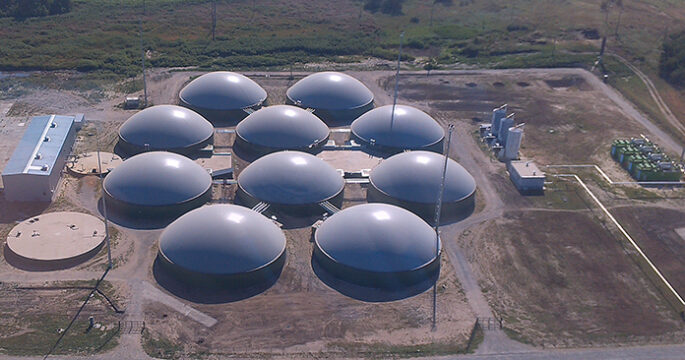
Comparing High Rate Anaerobic Digesters with Other Technologies
Sometimes people ask: “Why not just use a CSTR or a plug-flow?” Let’s break it down:
| Technology | HRT (days) | OLR (kg VS/m³/day) | Footprint | Biogas quality |
|---|---|---|---|---|
| Conventional CSTR | 20–30 | 1–3 | Large | Variable |
| Plug-flow | 15–25 | 2–4 | Medium | Stable but low |
| High rate anaerobic digester | 3–10 | 5–15 | Small | High and stable |
| Two-stage system | 8–15 | 6–12 | Medium | Very high |
A high rate anaerobic digester wins on speed and space. The only downside is the need for more skilled operators. But if you already run biogas upgrading equipment, you have those people.
Maintenance Tips for Long-Term Performance
To keep your high rate anaerobic digester running for 10+ years, follow these practices:
Weekly – Check mixing intensity, measure pH (6.8–7.5 is ideal), inspect gas flow meters.
Monthly – Take biomass samples. Look at granular size or biofilm thickness. Clean any foam sensors.
Quarterly – Calibrate temperature probes. Inspect recirculation pumps. Test for volatile fatty acids (VFAs).
Yearly – Open manholes to inspect internal baffles and gas collectors. Replace worn mixing nozzles.
One thing that kills a high rate anaerobic digester is neglect of the gas-solid separator. If that clogs, you lose biomass. Set a calendar reminder to check it every 90 days.
Future Trends: High Rate Anaerobic Digesters in Decentralized Biogas
Small-scale biogas is growing fast—farms, breweries, and even apartment blocks. A high rate anaerobic digester can be built in a 40-foot shipping container. That’s perfect for decentralized upgrading.
I’ve seen prototypes where the digester and upgrading skid fit on one truck. The high rate anaerobic digester uses granular sludge shipped in a drum. Startup takes two days. For remote villages or island resorts, this is huge.
International biogas upgrading equipment manufacturers are already designing plug-and-play systems. The high rate anaerobic digester becomes the front-end of a standardized box. Lower shipping costs, faster installation, and remote monitoring.
Is a High Rate Anaerobic Digester Right for Your Plant?
Ask yourself these three questions:
Do you have limited space but plenty of organic waste?
Is your current digester operating below 5 kg VS/m³/day?
Do you need more consistent biogas for upgrading equipment?
If you answered yes to any, a high rate anaerobic digester deserves a serious look. The upfront cost is higher than conventional tanks—roughly 30–50% more per cubic meter. But the smaller volume and higher gas output usually cut the payback period in half.
We’ve helped six plants make the switch. Every single one kept their existing upgrading equipment and just replaced the digester. Their methane yield increased by an average of 70%.
Common Questions About High Rate Anaerobic Digesters
Q1: What is the typical hydraulic retention time (HRT) for a high rate anaerobic digester?
A1: Most high rate anaerobic digester systems operate at an HRT of 3 to 10 days. This is much shorter than conventional digesters, which often need 20–30 days. The exact time depends on the feedstock and operating temperature. Thermophilic systems can go as low as 2–3 days for easily degradable waste like food scraps.
Q2: Can a high rate anaerobic digester handle feedstocks with high total solids (above 15%)?
A2: Yes, but with modifications. A standard high rate anaerobic digester works best with 5–12% total solids. For thicker materials like manure or silage, you need a pre-treatment step—either dilution with recirculated effluent or a separate hydrolysis tank. Some manufacturers offer dry high-rate systems that use percolation instead of complete mixing.
Q3: What biogas upgrading equipment pairs best with a high rate anaerobic digester?
A3: Membrane separation and water scrubbing work very well because they tolerate small fluctuations in methane content. A high rate anaerobic digester typically produces biogas with 60–70% methane and low oxygen. Pressure swing adsorption (PSA) also works but requires stricter moisture control. Always match the digester’s output pressure (often 10–50 mbar) to the upgrading unit’s inlet requirements.
Q4: How do I start up a high rate anaerobic digester from scratch?
A4: You need inoculum—granular sludge or biofilm carriers from an existing plant. Fill the high rate anaerobic digester with inoculum (30–50% of volume), then add diluted feedstock slowly. Increase the OLR by 0.5 kg VS/m³/day every week. Monitor VFAs and alkalinity daily. Full stabilization usually takes 4–8 weeks. Never rush; a washout of biomass will set you back two months.
Q5: What are the most common failure modes of a high rate anaerobic digester?
A5: Three main issues: (1) Biomass washout due to high upflow velocity or gas stripping. (2) Overloading causing VFA accumulation and pH drop below 6.5. (3) Foaming from protein-rich feed or sudden temperature changes. The good news is that a high rate anaerobic digester recovers quickly if you stop feeding and recirculate. Keep a buffer tank of healthy inoculum on site for emergencies.
In the end, moving to a high rate anaerobic digester is about working smarter, not harder. You get faster throughput, smaller tanks, and better gas for your upgrading equipment. The technology has matured over the last decade, with hundreds of reference plants worldwide. If you’re tired of babysitting a sluggish conventional digester, this is your next step. Talk to an equipment manufacturer who supplies both the digester and the upgrading skid. They’ll give you real numbers for your specific waste stream.