


News
We'll get back to you as soon as possible.
Biogas Upgrading Membrane: How to Boost Methane Purity & Plant ROI
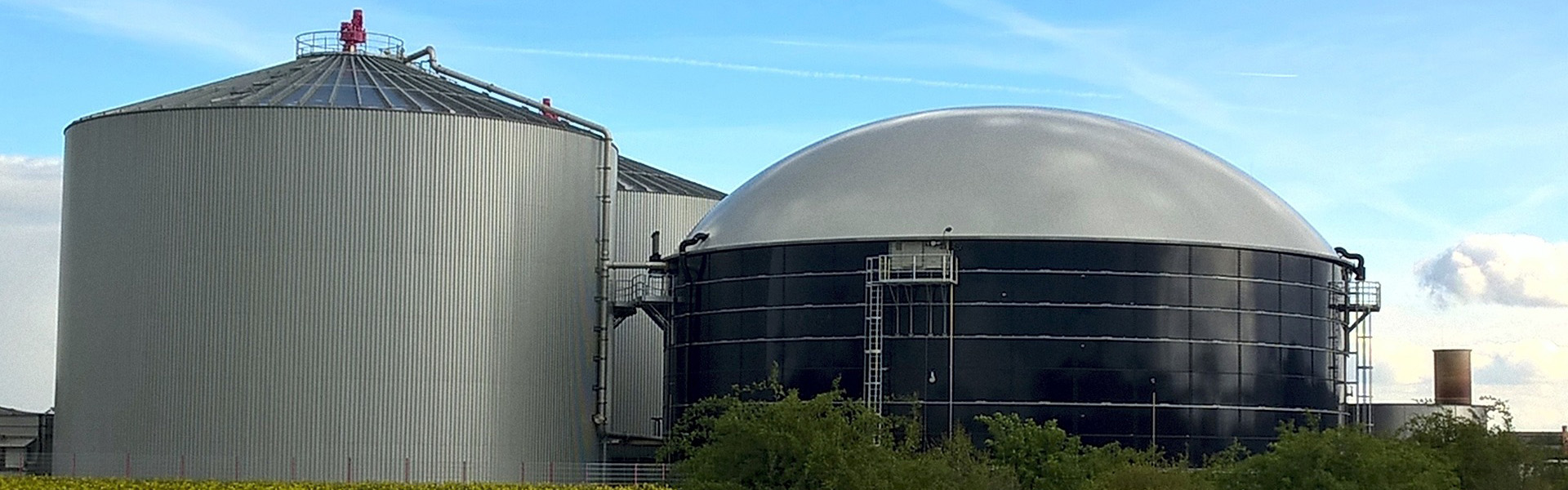
When you run a biogas plant, the real money lies in turning raw biogas into pipeline-grade or vehicle-fuel quality biomethane.
The most efficient way to do that today is a biogas upgrading membrane system.
Unlike water scrubbing or PSA, membrane technology gives you higher methane recovery with lower energy use.
It also handles fluctuating feed gas compositions better.
In this article, I’ll walk you through how membrane upgrading works, what specs matter, and how to avoid common mistakes when buying a turnkey system.
Why Membrane Technology Outperforms Other Upgrading Methods
Many plant owners still use water scrubbing or pressure swing adsorption (PSA).
But those methods have drawbacks: high water consumption, large footprints, and methane slip.
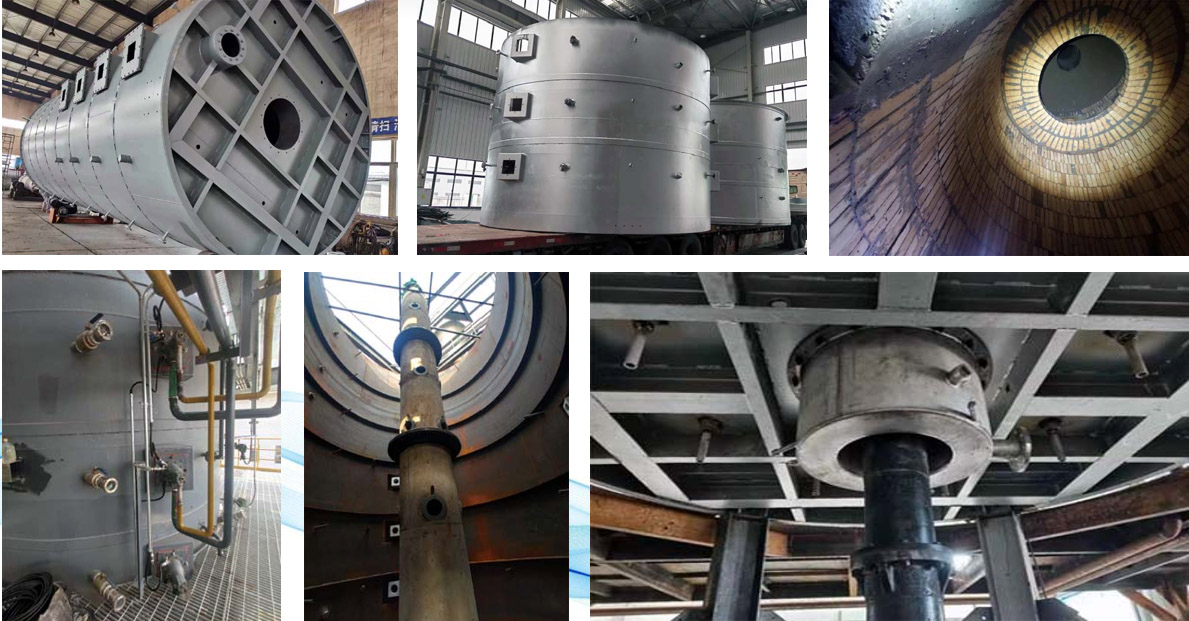
A biogas upgrading membrane works on a simple principle.
Different gases pass through hollow-fiber membranes at different rates.
CO2, H2S, and water vapor move fast through the membrane wall.
Methane (CH4) moves slower and stays in the product stream.
You get a clean, dry, high-CH4 gas in one continuous step.
No chemicals. No water treatment. No regeneration cycles.
Operators report 99.5% methane purity and less than 0.5% methane loss.
That’s numbers water scrubbers simply cannot match consistently.
Key Parameters for Biogas Upgrading Membrane Selection
Not all membrane systems are equal.
You need to check four technical specs before buying.
Feed pressure: Most systems need 6–20 bar.
Higher pressure gives faster separation but costs more to compress.
H2S tolerance: Raw biogas often contains 500–4000 ppm H2S.
Some membranes tolerate up to 1000 ppm.
Above that, you need a pre-scrubber or activated carbon filter.
Temperature range: Membranes work best at 20–50°C.
Hotter gas damages the polymer fibers.
Cold gas reduces flow rates.
Methane recovery rate: Look for 98% or higher.
Cheap systems may claim 95% but that means 5% of your methane goes to flare.
Over a year, that’s thousands of dollars lost.
Always ask for a performance guarantee from the supplier.
A good biogas upgrading membrane supplier will give you a written curve of purity vs. recovery.
Single-Stage vs. Multi-Stage Membrane Configurations
Most entry-level systems use a single membrane stage.
Gas goes in, CO2-rich permeate goes out, and CH4-rich retentate goes to your pipeline.
Simple and cheap.
But single-stage has limits.
You can only reach about 95-96% methane purity.
For grid injection (needs 96-98% CH4), that’s often not enough.
Two-stage or three-stage systems recycle the permeate for a second pass.
This boosts purity to 99%+ and cuts methane slip below 0.5%.
Three-stage also lets you recover more methane from low-quality feed gas (50-55% CH4).
The trade-off: higher capex and more compression work.
For most plant operators, a two-stage biogas upgrading membrane system hits the sweet spot.
It balances purity, recovery, and operating cost.
Pre-Treatment: The Silent Killer of Membrane Performance
You can buy the best membrane skid in the world.
But without proper pre-treatment, it will fail in six months.
Three pre-treatment steps are mandatory:
1. Particle filtration: Down to 0.01 micron.
Dust or rust scratches the membrane surface.
Once scratched, CO2 separation drops permanently.
2. Dewatering: Cool the gas to 5°C below ambient.
Liquid water swells some membrane polymers.
Swollen membranes lose selectivity.
3. H2S and siloxane removal: Use activated carbon or iron oxide.
H2S corrodes membrane housings.
Siloxanes deposit on fiber surfaces and block gas flow.
Many suppliers sell a membrane skid without these pre-treatment components.
Don’t fall for that.
Always buy a complete biogas upgrading membrane package that includes pre-treatment.
Operating Costs: Where Membrane Saves You Money
Let’s compare a 500 Nm³/h plant over five years.
Water scrubbing:
Uses 50-100 m³ of fresh water per day.
Wastewater treatment adds $30k/year.
High maintenance on pumps and nozzles.
PSA:
Four to six vessels with valves that fail every 18 months.
Valve replacement: $15k each.
Electricity for vacuum regeneration: 0.35 kWh/Nm³.
Membrane:
No water, no valves, no regeneration.
Electricity: only feed compressor (0.20 kWh/Nm³).
Membrane cartridges last 8-10 years.
Over five years, a biogas upgrading membrane system typically saves 40% on opex compared to PSA.
And 60% compared to water scrubbing.
The numbers get even better if you have to dispose of wastewater.
Many European plants now pay $20/m³ for industrial water discharge.
Membrane eliminates that cost entirely.
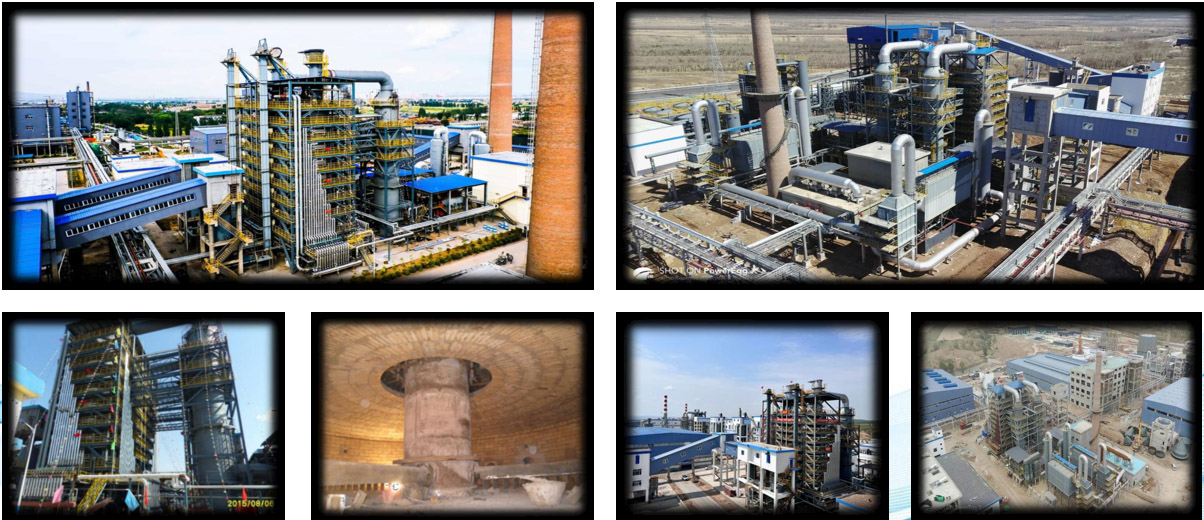
Real-World Installation: What to Expect On-Site
I visited a dairy farm in Bavaria last year.
They installed a two-stage membrane system from a turnkey supplier.
Before membrane: 250 m³/h of raw biogas (53% CH4, 45% CO2, 2% others).
They flared everything.
No income except electricity from a old genset.
After membrane: 125 m³/h of biomethane at 98.2% CH4.
They inject directly into the local gas grid.
Revenue tripled.
Installation took 10 days.
The supplier delivered a prefabricated skid with pre-treatment, compressor, membrane modules, and PLC control.
Only connections: gas inlet, gas outlet, permeate vent, and power.
That’s the beauty of a turnkey biogas upgrading membrane package.
No engineering headache.
No guessing which valve goes where.
Avoiding Methane Slip: Design and Operation Tips
Methane slip is your enemy.
Every 1% of slip means 1% of your gas goes to the atmosphere or flare.
That’s lost revenue and a bad environmental record.
Three ways to cut slip:
1. Use a permeate recycle loop.
Send the CO2-rich stream back to the compressor inlet.
Methane in that stream gets a second chance.
2. Optimize stage-cut.
Stage-cut is the fraction of feed that goes to permeate.
Too high: lots of methane slips.
Too low: purity drops.
Most membranes run best at 30-40% stage-cut.
3. Install a final polishing membrane.
A small third stage on the retentate stream catches leftover methane.
Adds 5% to capex but cuts slip from 2% to 0.3%.
Good suppliers will run a simulation of your feed gas before building your biogas upgrading membrane.
They should show you the predicted slip at every operating condition.
Future Trends: Membranes for CO2 Liquefaction and E-fuels
Membranes aren’t just for grid injection anymore.
New applications are opening up.
CO2 liquefaction:
Some plants now capture the CO2-rich permeate.
With a membrane, you get 80-85% CO2 at low pressure.
That’s cheap feedstock for greenhouses or dry ice production.
Bio-LNG:
Membrane-upgraded biomethane can be cryogenically liquefied.
Liquefaction needs 98%+ CH4 with less than 50 ppm CO2.
Two-stage membrane achieves this easily.
Hydrogen blending:
Membranes can also remove hydrogen from biogas.
If you co-digest with industrial waste, you may get 5-10% H2.
Standard membranes remove H2 along with CO2.
The flexibility of biogas upgrading membrane technology means your plant can adapt as markets change.
You’re not locked into one output product.
Choosing the right biogas upgrading membrane system is one of the most important decisions for your plant’s profitability.
Membrane technology gives you lower operating costs, higher methane purity, and less maintenance compared to water or PSA systems.
But success depends on proper pre-treatment, correct stage-count selection, and a supplier who guarantees performance.
Always buy a complete turnkey package that includes particle filters, dewatering, and H2S removal.
With the right system, you can turn raw biogas into a high-value pipeline gas or vehicle fuel.
And with methane prices where they are today, that upgrade pays for itself faster than ever.
Frequently Asked Questions
Q1: How long does a biogas upgrading membrane last before replacement?
A1: Most membrane cartridges last 8 to 10 years with proper pre-treatment. If you skip particle filtration or let liquid water enter, lifespan drops to 2-3 years. Some high-performance membranes claim 12 years, but that requires impeccable feed gas quality (less than 0.01 ppm H2S and 0% relative humidity).
Q2: Can I add a membrane system to my existing water-scrubbing plant?
A2: Yes, and it’s actually common. Install a two-stage membrane as a “polishing” step after water scrubbing. The water scrubber removes bulk CO2 (down to 5-10%). Then the membrane takes it to 98%+ CH4. This hybrid setup reduces water consumption by 70% and cuts methane slip.
Q3: What’s the minimum biogas flow for economic membrane upgrading?
A3: Economical at 50 Nm³/h or higher. Below that, the compressor and control system cost dominate. For flows of 20-50 Nm³/h, look for small-scale membrane modules designed for farms. Those start at $80k. Below 20 Nm³/h, upgrading doesn’t pay – better to burn directly in a genset.
Q4: How do I know if my biogas has contaminants that will damage the membrane?
A4: Send a gas sample to a lab. Test for H2S (should be under 1000 ppm for standard membranes), siloxanes (under 5 mg/m³), halogens (under 10 ppm), and oxygen (under 2%). High oxygen causes polymer degradation. If any parameter exceeds limits, add extra pre-treatment stages.
Q5: What’s the typical payback period for a turnkey membrane system?
A5: For a 300 Nm³/h plant selling biomethane at $1.20/Nm³, payback is 18-24 months. That includes capex ($500k-$700k), installation ($80k), and ongoing opex ($0.05/Nm³). If you’re replacing a water scrubber, payback drops to 12 months because you save $150k/year in water and wastewater costs.
Q6: Do membrane systems work for landfill gas with high siloxanes?
A6: Yes, but only with aggressive pre-treatment. Landfill gas needs silica gel or activated alumina for siloxane removal, plus refrigerated drying. Without that, siloxanes condense on membrane fibers and permanently reduce flow. Some suppliers offer “siloxane-resistant” membranes – ask for test data before buying.
Q7: Can I rent a membrane system to test before purchasing?
A7: Several suppliers now offer mobile membrane containers on a 3-6 month lease. You pay $8k-$15k per month including installation and remote monitoring. This is smart for large projects. Run your actual gas for 90 days, measure purity and slip, then decide on permanent purchase. Lease payments often apply toward final purchase.