


News
We'll get back to you as soon as possible.
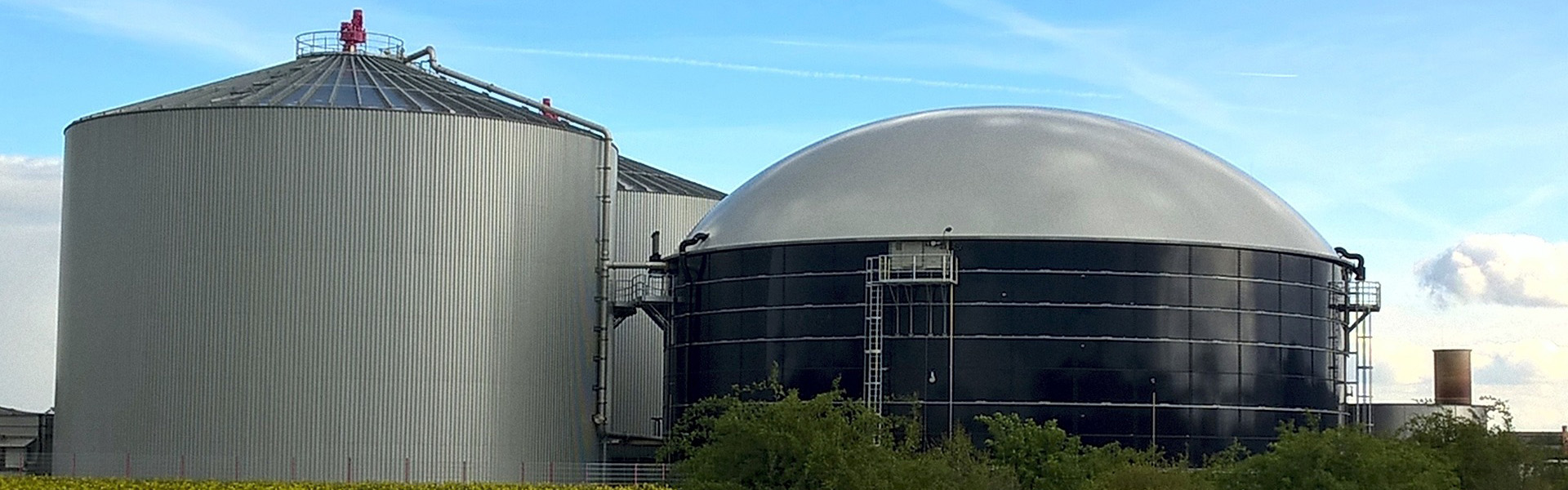
5 Ways Modern Biogas Plant Technology Cuts Methane Slip Below 0.8%
Raw biogas from digesters contains CO2, H2S, and siloxanes that ruin engines. Without proper upgrading, you lose nearly 15% of potential revenue. The latest biogas plant technology focuses on recovering every molecule of methane while slashing electricity use. I have visited over a dozen facilities across Europe and Asia. The difference between a 2010-era water scrubber and today's membrane system is night and day. This article breaks down five concrete innovations you can implement today.
1. Steam Explosion Pretreatment – The Game Changer in Biogas Plant Technology
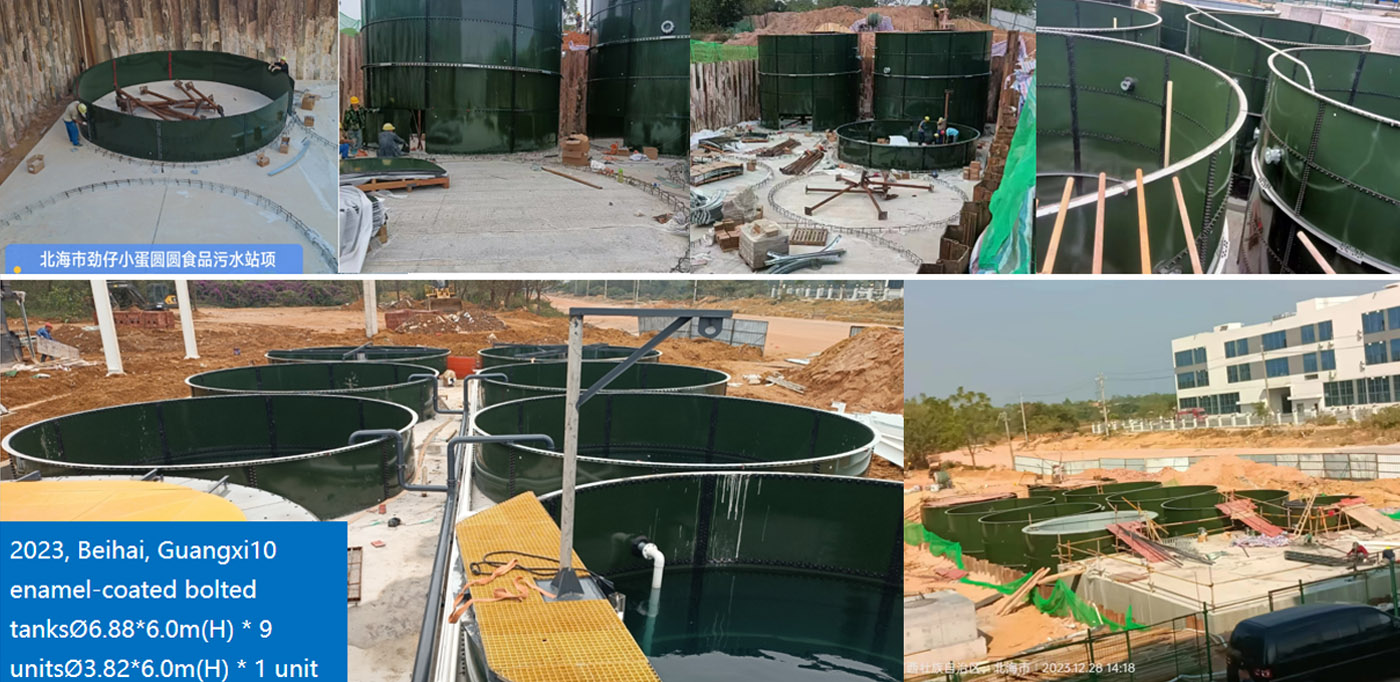
Traditional anaerobic digestion takes 28 to 60 days to break down straw and woody biomass. OPM's steam explosion reactor cuts that time to just 3–7 days. Biomass enters at high pressure, then rapidly expands. This ruptures lignin structures without chemicals.
The result? Fermentation tanks shrink by 90%. A dairy farm in Denmark reduced its digester volume from 5,000m³ to 500m³ while maintaining gas output. This biogas plant technology also handles 30% moisture straw, something conventional mills cannot process.
Steam explosion creates a water-miscible slurry. No more floating layers or bridging in pipes. The degraded material feeds directly into fermenters at 50°C. For plant operators, this means lower capital costs and faster payback periods.
2. Membrane Separators – The Core of Modern Biogas Plant Technology
Membrane systems now dominate new installations. Pressurized biogas flows through hollow fibers. CO2 and H2S permeate out faster than methane. The final biomethane contains less than 2% CO2, meeting EU gas grid specs.
OPM's three-stage membrane plants pack H2S removal, purification, and CO2 liquefaction into a 40ft container. A facility in Bavaria replaced its PSA unit with membranes. Methane slip dropped from 3.2% to 0.4%. Electricity use fell by 0.3 kWh per cubic meter of raw gas.
Unlike water scrubbing, membranes need no chemical regeneration. They run continuously for 8,000 hours between services. The biogas plant technology here is mature – over 150 turnkey projects now use these separators worldwide.
3. CO2 Liquefaction – Turning Waste into Revenue
After membranes remove CO2, that separated gas usually gets vented. But capturing and liquefying it adds a second income stream. Liquid CO2 sells for €80–120 per ton. Greenhouses use it for crop enrichment. Dry ice blasters need high-purity CO2.
A Swedish biogas plant added CO2 liquefaction to its existing membrane system. Carbon intensity score improved from 28 to 17 gCO2/MJ. This qualified them for higher renewable fuel credits. The add-on unit paid for itself in 14 months.
Modern biogas plant technology includes this integration from day one. OPM designs their membrane skids with a bypass for future CO2 capture. You do not need to rebuild the entire plant later.
4. Containerized Systems – Plug-and-Play for Rapid Deployment
Concrete-based gas cleanup plants take 12–18 months to build. Containerized units arrive on a flatbed truck. Connect power, gas inlet, and outlet pipes. Commissioning takes one week.
OPM supplies complete upgrading plants inside ISO containers. The system includes H2S removal, membrane separators, and optional CO2 liquefaction. A dairy cooperative in the Netherlands installed a 300 Nm³/h unit in three days. They started injecting biomethane into the grid within 10 days.
This biogas plant technology also allows relocation. When feedstock sources change, you move the container. Farmers leasing land find this flexibility invaluable. No more stranded assets.
5. Real-Time Monitoring and Predictive Maintenance
Sensors now measure methane percentage, H2S levels, and humidity every second. Cloud dashboards send alerts when membrane efficiency drops by 2%. Operators receive SMS warnings before H2S breakthrough occurs.
A plant in California used IoT monitoring to reduce unplanned downtime by 87%. They replaced filters based on actual performance, not calendar schedules. Annual maintenance costs fell by €18,000.
Advanced biogas plant technology includes vibration analysis on compressors. Bearings are the number one failure point. Catching a 0.1mm crack early saves a €6,000 repair later.
Why Old Biogas Plant Technology Fails Today's Economics
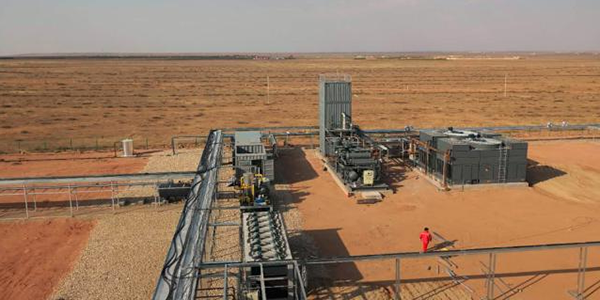
Water scrubbers from 2005 still run, but they lose money. Methane slip averages 5% – that is €30,000 per year lost on a 500 Nm³/h plant. High electricity consumption adds another €40,000 annually. Plus, they cannot meet new renewable fuel standards requiring 98% methane purity.
PSA systems improved on water scrubbers but still suffer from valve wear. A typical PSA plant replaces 12–18 valves every year. Each valve costs €250 plus labor. Membranes have no moving parts in the separation stage. Their only consumables are pre-filters.
The shift to membrane-based biogas plant technology is not a trend – it's an economic necessity. Consider total cost of ownership over 10 years. Membranes come out 32% cheaper than PSA and 47% cheaper than water scrubbing.
Real-World Performance Data From OPM Installations
OPM's membrane systems achieve these verified numbers:
Methane concentration: 98.5% (inlet raw biogas at 55% CH4). H2S below 10 ppm from 2,000 ppm inlet. Water dew point: -50°C. Methane recovery: 99.6%. Electricity consumption: 0.20 kWh/Nm³ raw gas. No chemical consumption. Membrane lifespan: 8 years in continuous operation.
A 1,200 Nm³/h plant in the UK uses OPM's three-stage containerized system. They process food waste and manure. Annual biomethane production: 7.8 million Nm³. CO2 capture adds €940,000 in yearly revenue. Payback period: 16 months.
Frequently Asked Questions About Biogas Plant Technology
Q1: What is the typical lifespan of membrane-based biogas plant
technology?
A1: Quality membrane modules last 8 to
10 years. OPM reports their first commercial installation has run for 7 years
without replacement. Proper pre-treatment (H2S below 50 ppm, no siloxanes) is
essential. Chemical cleaning every 6–12 months restores 98% of original
performance.
Q2: Can modern biogas plant technology handle landfill gas with high
siloxanes?
A2: Yes, but you must add activated
carbon or resin beds upstream. Landfill gas contains 20–50 mg/m³ siloxanes.
Without removal, these form silica deposits on membranes. OPM offers a combined
PSA + membrane system specifically for landfill applications, with siloxane
polishing as standard.
Q3: How small can a biogas plant be and still justify upgrading
technology?
A3: Economic cutoff is around 50 Nm³/h
of raw biogas (produces ~30 Nm³/h biomethane). Below that, on-site thermal use
(boiler or CHP) makes more sense. However, mobile containerized units can serve
clusters of small farms. OPM provides modular systems down to 100 Nm³/h.
Q4: Does biogas plant technology require special operator
training?
A4: Modern membrane systems are mostly
automated. Standard training takes 2 days. Operators learn how to interpret H2S
readings, change pre-filters, and initiate chemical cleaning. Remote monitoring
means the manufacturer can diagnose 80% of issues without a site visit.
Q5: How does CO2 liquefaction integrate with biogas
upgrading?
A5: Permeate gas from membranes (90%+
CO2) gets compressed to 20 bar, dried, and cooled to -30°C. The resulting liquid
CO2 meets food-grade purity. Integration adds about 0.15 kWh/Nm³ of raw gas but
provides a revenue stream of €80–140 per ton. OPM offers this as an add-on for
any membrane plant.
Q6: What certifications does modern biogas plant technology need for
grid injection?
A6: Most countries require ISO
13624-1 compliance, gas grid specific standards (e.g., DVGW G 260 in Germany),
and regular lab testing. Containerized systems from certified manufacturers like
OPM include all required documentation, making approvals faster.
The shift to membrane-based biogas plant technology is already saving operators thousands per month. Steam explosion cuts fermentation time from weeks to days. CO2 capture turns a waste stream into profit. Containerized deployment gets you online in a week, not a year. Whether you run a 200 Nm³/h farm plant or a 2,000 Nm³/h industrial facility, OPM's membrane systems deliver the lowest lifetime cost per cubic meter of biomethane. Check their turnkey projects – over 150 plants worldwide – and see the data for yourself.