


News
We'll get back to you as soon as possible.
7 Essential Steps to Building a Successful Big Biogas Plant
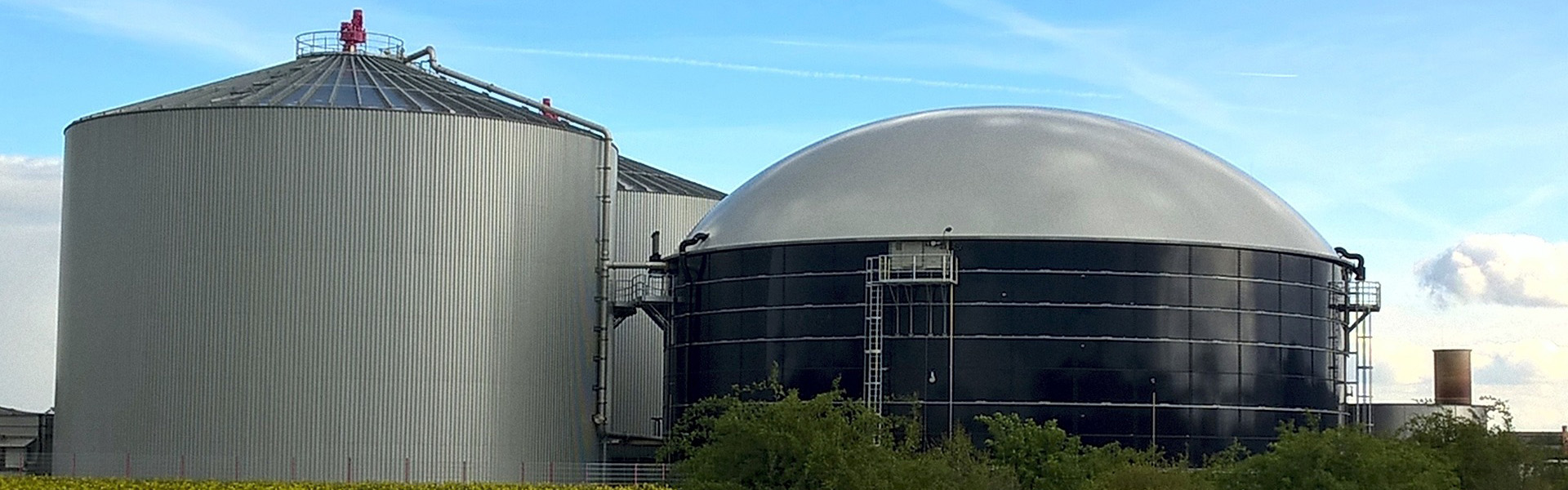
In the global push toward renewable energy and sustainable waste management, big biogas plants have emerged as a cornerstone technology. These large-scale facilities convert organic waste into valuable biogas, reducing greenhouse gas emissions and providing a reliable energy source. Whether you're an investor, entrepreneur, or environmental advocate, understanding how to plan, build, and operate a big biogas plant is crucial. This guide covers everything from key technologies and costs to supplier selection, tailored to the international biogas upgrading equipment manufacturing sector. By the end, you'll have a clear roadmap to harness the power of big biogas plants efficiently.
What is a Big Biogas Plant?
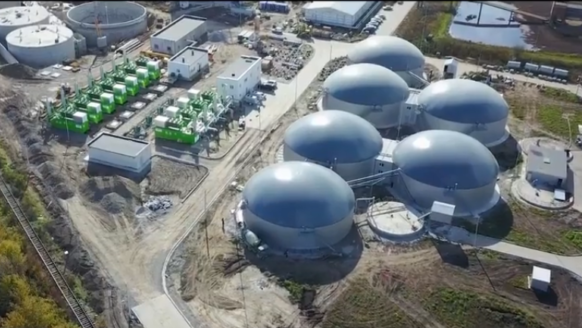
A big biogas plant is an industrial-scale facility designed to process substantial volumes of organic materials—such as agricultural waste, food scraps, or manure—through anaerobic digestion. This biological process breaks down biomass in the absence of oxygen, producing biogas (primarily methane and carbon dioxide) and digestate, a nutrient-rich fertilizer. Unlike small-scale systems, a big biogas plant typically handles over 10,000 tons of feedstock annually, generating megawatts of electricity or heat. These plants often incorporate advanced upgrading equipment to purify biogas into biomethane, which can be injected into natural gas grids or used as vehicle fuel. The rise of big biogas plants aligns with global sustainability goals, offering a scalable solution for waste valorization and renewable energy production.
Why Invest in a Big Biogas Plant? Key Benefits and Opportunities
Investing in a big biogas plant isn't just an environmental statement—it's a smart business move. First, these plants provide a steady revenue stream through energy sales, government subsidies, and carbon credits. For instance, in Europe, big biogas plants benefit from feed-in tariffs and renewable energy certificates. Second, they address waste management challenges by diverting organic waste from landfills, reducing methane emissions and odor issues. Third, the digestate byproduct serves as an organic fertilizer, enhancing soil health and closing nutrient loops. From an economic perspective, a well-designed big biogas plant can achieve payback periods of 5–7 years, with operational lifespans exceeding 20 years.As countries worldwide commit to net-zero targets, the demand for big biogas plants is set to grow, making them a future-proof investment.
Key Components of a Modern Big Biogas Plant
A successful big biogas plant relies on integrated components that ensure efficiency and reliability. Here are the core elements:
Feedstock Pre-treatment System: This unit prepares raw materials—like crop residues or sludge—for digestion by shredding, mixing, or pasteurizing to optimize biogas yield.
Anaerobic Digester Tanks: These sealed reactors facilitate microbial breakdown of organic matter. In a big biogas plant, digesters are often large, heated tanks with stir systems to maintain ideal conditions.
Biogas Upgrading Equipment: Critical for producing high-purity biomethane, this equipment removes CO2, H2S, and other impurities. Technologies like membrane separation or water scrubbing are common in international biogas upgrading device manufacturing.
Combined Heat and Power (CHP) Unit: This engine converts biogas into electricity and heat, which can be used on-site or sold to the grid.
Digestate Storage and Processing: Tanks and separators handle the nutrient-rich output, enabling its use as fertilizer.
Each component must be sized appropriately for the plant's capacity, underscoring the importance of custom engineering in big biogas plant projects.
Advanced Technologies and Processes in Big Biogas Plants
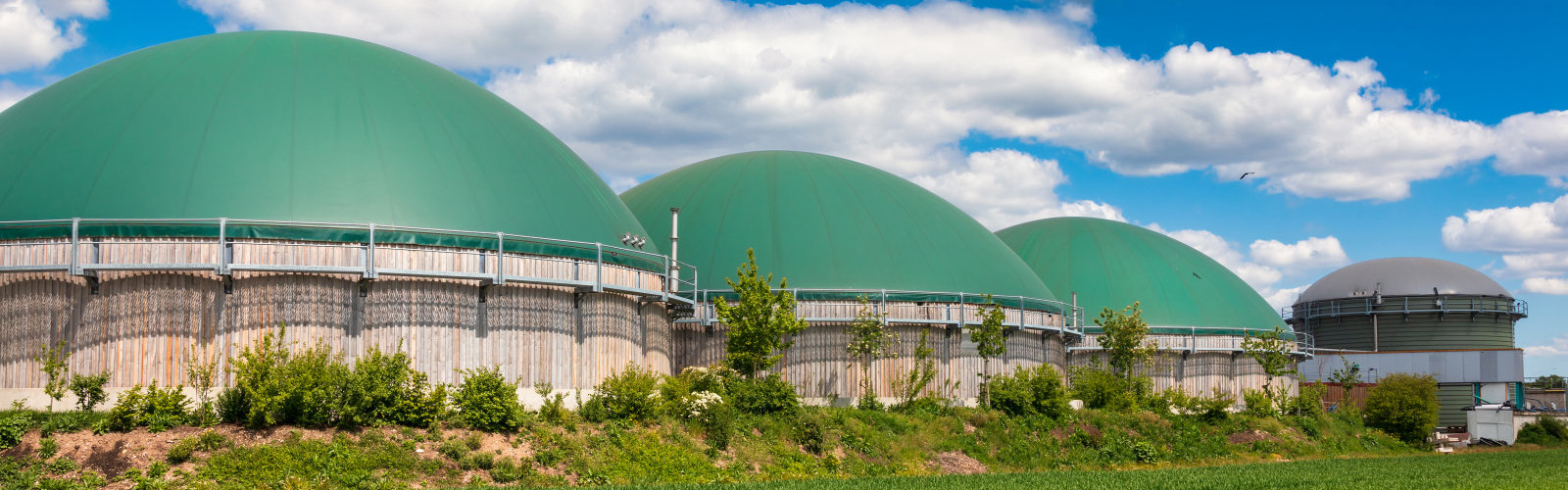
The efficiency of a big biogas plant hinges on cutting-edge technologies. Anaerobic digestion itself has evolved, with wet and dry fermentation processes tailored to feedstock types. For example, dry digestion is ideal for solid wastes, while wet systems handle slurries. In biogas upgrading, pressure swing adsorption (PSA) and amine scrubbing are popular methods that meet stringent international standards. Moreover, digitalization is transforming big biogas plants through IoT sensors and AI-driven monitoring, which optimize digestion parameters and predict maintenance needs. Another innovation is co-digestion, where multiple waste streams (e.g., agricultural and industrial) are combined to boost gas production. These advancements not only enhance the performance of a big biogas plant but also reduce operational costs, making them more accessible globally.
Cost Analysis: Budgeting for a Big Biogas Plant
Understanding the financials is vital for any big biogas plant project. Initial capital expenditure (CAPEX) ranges from $1 million to $10 million or more, depending on capacity and technology. For a medium-sized big biogas plant processing 20,000 tons of feedstock annually, costs might break down as follows:
Digestion and Infrastructure: 40–50% of CAPEX
Biogas Upgrading and Purification: 20–30%
Engineering and Installation: 10–15%
Operational expenses (OPEX) include feedstock procurement, labor, maintenance, and utilities, typically accounting for 10–20% of annual revenue. Revenue streams include electricity sales (e.g., via power purchase agreements), biomethane exports, and digestate sales. With incentives, a big biogas plant can achieve an internal rate of return (IRR) of 10–15%. However, factors like feedstock availability, local regulations, and energy prices heavily influence profitability. Conducting a feasibility study early on can mitigate risks and ensure your big biogas plant aligns with market conditions.
How to Choose the Right Supplier for Your Big Biogas Plant
Selecting a reliable supplier is a make-or-break decision for a big biogas plant. Focus on companies with proven experience in international biogas upgrading equipment manufacturing. Key criteria include:
Technical Expertise: Look for suppliers offering integrated solutions, from design to commissioning.
References and Case Studies: Review their portfolio of completed big biogas plant projects.
After-Sales Support: Ensure they provide maintenance, spare parts, and training.
Certifications: Check for ISO standards or industry-specific credentials.
Engage with multiple suppliers to compare quotes and technologies. For instance, European firms often lead in biogas upgrading, while Asian manufacturers might offer cost-effective options. Site visits and stakeholder consultations can further validate your choice, ensuring your big biogas plant meets performance expectations.
Case Study: A Successful Big Biogas Plant in Germany
To illustrate best practices, consider a real-world example: a big biogas plant in Bavaria, Germany. This facility processes 30,000 tons of agricultural waste annually, producing 1.2 million cubic meters of biomethane. Key success factors included:
Strategic Partnerships: Collaboration with local farmers for feedstock supply.
Advanced Upgrading: Use of membrane technology to achieve 99% methane purity.
Grid Integration: Direct injection into the regional gas network, secured through long-term contracts.
This big biogas plant reduces CO2 emissions by 5,000 tons per year and generates steady revenue, demonstrating how meticulous planning and technology adoption drive returns. Lessons learned emphasize the importance of community engagement and adaptive management in scaling operations.
Future Trends in Big Biogas Plant Development
The future of big biogas plants is bright, driven by innovation and policy support. Key trends include:
Circular Economy Integration: Plants are evolving into biorefineries, producing not just energy but also bioplastics and chemicals.
Hydrogen Coupling: Some big biogas plants are exploring biogas reforming to produce green hydrogen.
Global Expansion: Emerging markets in Asia and Africa are adopting big biogas plants to address energy access and waste issues.
As international standards tighten, expect more emphasis on carbon capture and storage (CCS) in biogas upgrading. Staying abreast of these trends will help stakeholders maximize the impact of their big biogas plant investments.
Frequently Asked Questions (FAQ)
Q1: What is the typical capacity range for a big biogas plant?
A1: A big biogas plant usually processes over 10,000 tons of organic feedstock per year, with biogas outputs ranging from 100 to 1,000 cubic meters per hour. Capacities can scale up to handle municipal or industrial waste streams, producing multiple megawatts of energy.
Q2: How long does it take to construct a big biogas plant from planning to operation?
A2: The timeline for a big biogas plant typically spans 12 to 24 months. This includes phases like feasibility studies (2–3 months), design and permitting (4–6 months), construction (6–12 months), and commissioning (1–2 months). Delays can occur due to regulatory approvals or feedstock logistics.
Q3: What are the main operational challenges in running a big biogas plant?
A3: Common challenges include feedstock variability, which affects biogas yield; maintenance of anaerobic digesters and upgrading equipment; and regulatory compliance. Implementing robust monitoring systems and training staff can mitigate these issues in a big biogas plant.
Q4: Can a big biogas plant be integrated with solar or wind energy systems?
A4: Yes, hybrid renewable energy systems are gaining traction. For example, a big biogas plant can use solar power for auxiliary operations, ensuring continuous biogas production. This integration enhances energy resilience and reduces carbon footprint.
Q5: What is the average return on investment (ROI) for a big biogas plant?
A5: ROI varies based on scale, location, and incentives, but a well-managed big biogas plant typically achieves payback in 5–7 years. Factors like feedstock costs, energy prices, and government subsidies play a significant role in financial returns.
In summary, building a big biogas plant requires careful planning, from technology selection to supplier partnerships. By following these steps and staying informed on industry trends, you can contribute to a sustainable future while reaping economic benefits. If you're considering a project, start with a detailed feasibility study to ensure your big biogas plant aligns with your goals and local conditions.