


News
We'll get back to you as soon as possible.
5 Proven Methods for Hydrogen Production from Biogas in 2025: A Cost & Technology Guide
The global push for decarbonization is fueling innovation in clean energy, and one of the most promising synergies lies at the intersection of waste management and renewable fuel. Hydrogen production from biogas is rapidly emerging as a scalable, sustainable solution that tackles two challenges at once: organic waste disposal and the generation of low-carbon hydrogen. For industry leaders, project developers, and policymakers, understanding this technology is no longer a niche interest but a strategic imperative. This comprehensive guide delves into the five main methods, their costs, and how to select the right technology for your operation.
Why Hydrogen from Biogas is a Game-Changer for Clean Energy
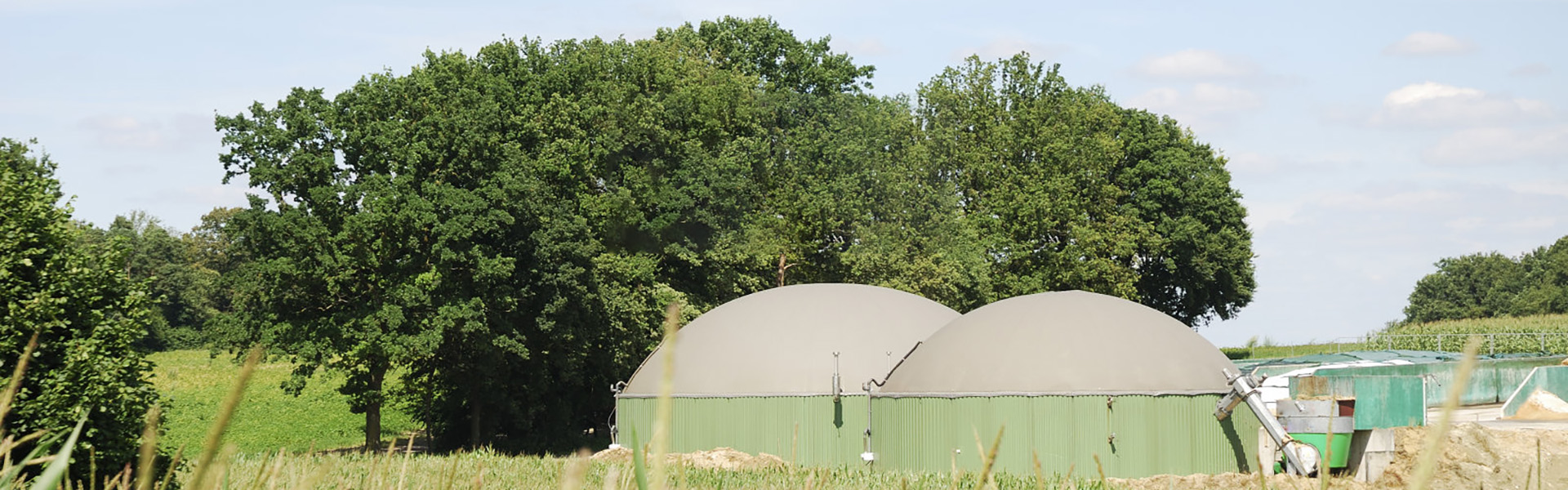
Biogas, produced from the anaerobic digestion of organic materials like agricultural waste, food scraps, and manure, is primarily composed of methane (CH₄) and carbon dioxide (CO₂). Traditionally, biogas is upgraded to biomethane and injected into the gas grid or used for combined heat and power (CHP). However, hydrogen production from biogas represents a higher-value pathway. The resulting hydrogen can power fuel cells for electricity, serve as a clean feedstock for industry, or fuel hydrogen vehicles, all while leveraging existing waste streams. This process transforms a renewable carbon source into a zero-carbon-at-point-of-use energy vector, creating a circular economy model.
The Core Technology: How Biogas Reforming Works
The most established pathway for hydrogen production from biogas is through a process called reforming. In simple terms, reforming involves a chemical reaction where methane reacts with steam or oxygen to produce hydrogen and carbon oxides. The suitability of hydrogen production from biogas via reforming depends heavily on a critical first step: biogas upgrading.
1. Biogas Upgrading: The Essential First Step
Raw biogas contains 45-65% methane, with the remainder mostly CO₂, along with trace contaminants like hydrogen sulfide (H₂S) and siloxanes. These impurities can poison catalysts and damage equipment. Therefore, efficient hydrogen production from biogas mandates robust upgrading. International manufacturers offer various upgrading technologies:
Water Scrubbing: Dissolves and removes CO₂ and H₂S.
Pressure Swing Adsorption (PSA): Uses specialized adsorbents to separate CH₄ from other gases.
Membrane Separation: Utilizes selective permeable membranes to isolate methane.
Chemical Scrubbing: Employs amines to chemically bind and remove CO₂.
The choice of upgrading technology impacts the purity of the resulting biomethane stream, which directly influences the efficiency and longevity of the subsequent reforming process.
5 Leading Methods for Hydrogen Production from Biogas
Once you have a clean stream of biomethane (typically >97% CH₄), you can proceed with hydrogen production from biogas using the following methods:1. Steam Methane Reforming (SMR): The Industry Workhorse
SMR is the most common and mature method for large-scale hydrogen production from biogas. The process involves two main reactions inside a reactor filled with nickel-based catalysts:
Reforming Reaction: CH₄ + H₂O (+ heat) → CO + 3H₂
Water-Gas Shift Reaction: CO + H₂O → CO₂ + H₂
While highly efficient, a major challenge with SMR for hydrogen production from biogas is the concentrated stream of CO₂ produced, which, if released, undermines the environmental benefits. This leads us to the next method.
2. Autothermal Reforming (ATR): A Balanced Approach
ATR combines elements of SMR and partial oxidation. It uses oxygen and steam in a single reactor, creating a thermally balanced system that doesn't require external heating. This can be more compact and efficient for certain applications. The CO₂ management question, however, remains.
3. Methane Pyrolysis: The Turquoise Hydrogen Route
This emerging technology for hydrogen production from biogas thermally decomposes methane in the absence of oxygen: CH₄ (+ heat) → C(s) + 2H₂. The solid carbon byproduct, known as carbon black, has commercial value in tire manufacturing, inks, and as a soil amendment. Methane pyrolysis produces no direct CO₂ emissions, making it an extremely attractive pathway for "turquoise" hydrogen.
4. Dry Reforming: Utilizing CO₂ as a Feedstock
A technologically fascinating method, dry reforming reacts methane with CO₂: CH₄ + CO₂ → 2H₂ + 2CO. This is particularly relevant for hydrogen production from biogas because it consumes the inherent CO₂, potentially improving the overall carbon footprint. The resulting "syngas" (a mix of H₂ and CO) is a valuable precursor for Fischer-Tropsch synthesis of liquid fuels. The main hurdle is catalyst deactivation due to coking, though ongoing R&D is making significant strides.
5. SMR & ATR with Carbon Capture, Utilization, and Storage (CCUS)
To make traditional SMR or ATR truly low-carbon, integrating CCUS is essential. This configuration, often called "blue hydrogen" when applied to fossil gas, becomes a deeply carbon-negative pathway when applied to hydrogen production from biogas. The biogenic carbon captured from the process can be stored permanently or used, effectively removing CO₂ from the atmosphere.
Cost Analysis: Is Hydrogen from Biogas Economically Viable?
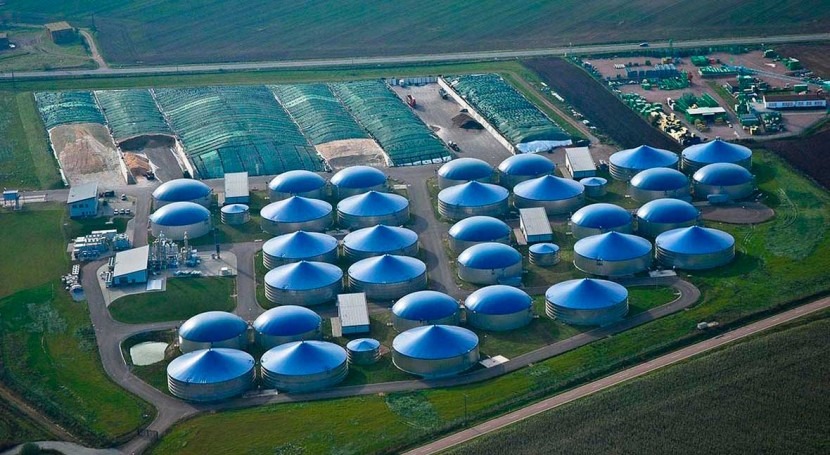
The cost of hydrogen production from biogas is highly project-specific, influenced by:
Biogas Plant Scale: Larger facilities benefit from economies of scale.
Feedstock Cost: Low-cost or negative-cost waste feedstocks improve economics.
Upgrading & Reforming Technology: Capital expenditure (CAPEX) and operational expenditure (OPEX) vary significantly between SMR, pyrolysis, etc.
Value of Byproducts: Revenue from carbon black (pyrolysis) or captured CO₂ can substantially offset costs.
Currently, hydrogen production from biogas is competitive with other green hydrogen production methods (like electrolysis) in regions with established biogas infrastructure and supportive policy frameworks, such as tax credits for low-carbon fuels.
Choosing the Right Technology: A Project Developer's Guide
Selecting the optimal method for your hydrogen production from biogas project depends on your primary objectives:
For Maximum TRL (Technology Readiness Level) and Scale: Choose SMR with CCUS.
For Carbon Negativity and Byproduct Valorization: Explore Methane Pyrolysis.
For Syngas Production for Fuels/Chemicals: Investigate Dry Reforming (if pilot-scale risks are acceptable).
For a Compact, Thermally Balanced System: Consider Autothermal Reforming.
Engaging with experienced international biogas upgrading and reactor manufacturers is crucial to model the techno-economic feasibility for your specific site.
The Future of Hydrogen Production from Biogas
The trajectory for hydrogen production from biogas is exceptionally positive. As carbon pricing mechanisms strengthen and demand for green hydrogen soars, this pathway will become increasingly central to national energy strategies. Continued innovation in catalyst design for dry reforming and methane pyrolysis, coupled with automation in biogas plant operation, will further drive down costs and enhance reliability.
Frequently Asked Questions (FAQs) on Hydrogen Production from Biogas
Q1: What is the main advantage of producing hydrogen from biogas compared to electrolysis?
A1: The primary advantage is the utilization of a continuous, renewable carbon source (organic waste) that simultaneously addresses waste management. Electrolysis requires a massive amount of intermittent renewable electricity. Hydrogen production from biogas provides a baseload, storable pathway to green hydrogen that can be built upon existing anaerobic digestion infrastructure.
Q2: Can any existing biogas plant be retrofitted for hydrogen production?
A2: In most cases, yes, but it requires significant investment. The core anaerobic digester remains the same. The retrofit involves adding or upgrading the biogas purification unit to produce very clean biomethane and then integrating a reforming unit (like a compact SMR or pyrolysis module). The feasibility depends on the plant's scale, current upgrading technology, and available space/capital.
Q3: What is the difference between "green" and "blue" hydrogen in this context?
A3: When applied to hydrogen production from biogas, "green hydrogen" typically refers to pathways with no direct carbon emissions, such as methane pyrolysis or potentially biogas reforming powered by renewable electricity. "Blue hydrogen" refers to Steam Methane Reforming where the CO₂ byproduct is captured and stored (CCS). Because the carbon in biogas is biogenic, "blue" hydrogen from biogas can have a strongly negative carbon intensity.
Q4: How pure is the hydrogen gas produced from biogas reforming?
A4: The initial reformate gas from SMR or ATR typically contains 70-80% hydrogen, with the rest being CO, CO₂, and some unreacted methane. This gas is then purified, most commonly through a Pressure Swing Adsorption (PSA) unit, which can produce hydrogen with a purity of 99.99% or higher, meeting the standards for fuel cell applications and industrial use.
Q5: What is the biggest technical challenge facing this technology?
A5: Beyond the high capital cost, the biggest technical challenges are catalyst-related. In Steam and Dry Reforming, catalysts are susceptible to deactivation from sulfur poisoning (if H₂S is not fully removed) and coking (carbon deposition). A significant focus of R&D by international equipment manufacturers is on developing more robust, poison-resistant, and cost-effective catalysts to improve operational uptime and reduce maintenance costs.