


News
We'll get back to you as soon as possible.
7 Key Steps to Establish a CNG Biogas Plant: A 2025 Guide to Technology, Cost & Profitability
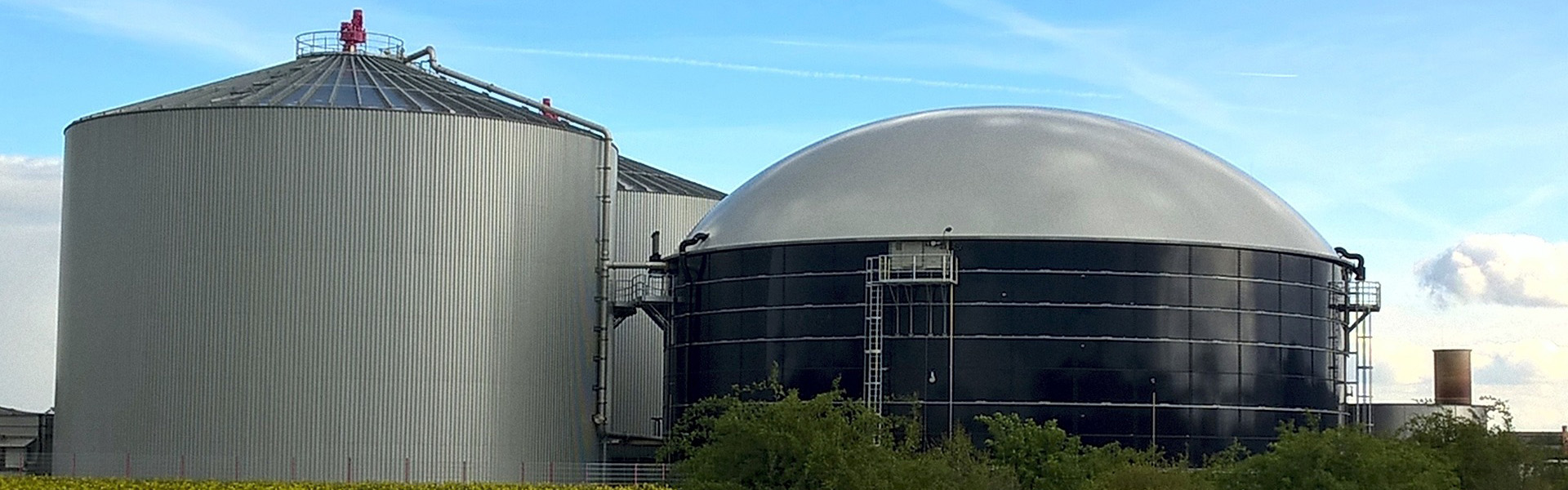
The global energy landscape is shifting, and at the forefront of this change is the rise of renewable natural gas (RNG). For farmers, agro-industrial businesses, and waste management companies, a CNG biogas plant represents a transformative opportunity to turn organic waste into a continuous revenue stream. Unlike traditional biogas systems used for mere heat and power, a CNG biogas plant upgrades and compresses the gas to create Compressed Biogas (CBG), a direct, green substitute for fossil natural gas. This comprehensive guide walks you through the seven critical steps of establishing a profitable CNG biogas plant, delving into the technology choices and financial considerations that define success in this booming sector.
What Exactly is a CNG Biogas Plant?
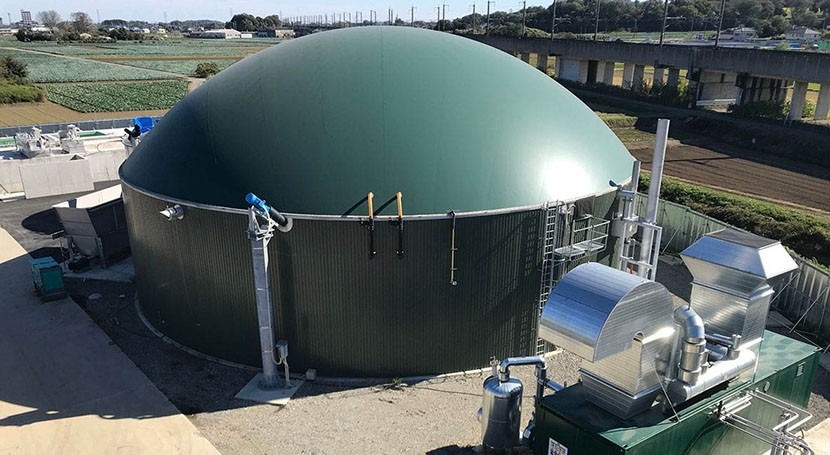
Let's clarify the terminology. A CNG biogas plant is more accurately termed a "Biogas Upgrading and Compressing Plant." It is a facility that uses anaerobic digestion to produce raw biogas from organic feedstocks, then purifies and compresses this gas to meet the standards of Compressed Natural Gas (CNG). The final product, known as Compressed Biogas (CBG) or Bio-CNG, is a methane-rich (90-95%+ CH4), high-purity fuel that can be used in CNG vehicles, injected into gas grids, or used for high-efficiency industrial heating. This process is the cornerstone of a circular bioeconomy, converting waste into wealth.
The Core Advantages: Why Invest in a CNG Biogas Plant?
The business case for a CNG biogas plant is stronger than ever. The benefits extend far beyond simple waste disposal.
High-Value Revenue Stream: CBG commands a premium price as a drop-in renewable transport fuel, often supported by government mandates and carbon credit schemes.
Waste-to-Energy Solution: It provides an elegant, sustainable solution for problematic organic wastes like manure, agricultural residue, and food processing waste, reducing landfill use and methane emissions from open decomposition.
Carbon Negative Potential: When using waste feedstocks, the entire cycle can be carbon-negative, as the process prevents potent methane from escaping into the atmosphere and displaces fossil fuels.
Produces Organic Fertilizer: The nutrient-rich digestate left after digestion is a superb organic fertilizer, reducing the need for chemical alternatives and closing the nutrient loop on farms.
7 Essential Steps to Build Your CNG Biogas Plant
Establishing a successful plant requires meticulous planning and execution. Here is the project lifecycle broken down into seven key stages.
Step 1: Feedstock Assessment and Pre-Treatment
The foundation of any CNG biogas plant is its feedstock. The first step is a thorough analysis of the available organic materials—their quantity, seasonality, and composition. Common feedstocks include:
Agricultural Waste (e.g., cow manure, poultry litter, crop residues)
Energy Crops (e.g., maize, grass silage)
Industrial Waste (e.g., food processing sludge, distillery spent wash)
Municipal Solid Waste (organic fraction)
Pre-treatment systems, such as shredders, pulpers, and pasteurization units, are often necessary to prepare the feedstock for efficient digestion and to remove contaminants.
Step 2: Anaerobic Digestion: The Heart of the Process
In the anaerobic digester—a large, sealed, heated tank—microorganisms break down the organic matter in the absence of oxygen. This biological process produces raw biogas, typically consisting of 55-65% methane (CH₄), 35-45% carbon dioxide (CO₂), and trace elements like hydrogen sulfide (H₂S) and water vapor. The design of the digester (e.g., CSTR, plug-flow) is chosen based on the feedstock characteristics.
Step 3: Biogas Storage and Conditioning
The raw biogas is temporarily stored in a double-membrane gas holder. Before upgrading, it must be conditioned. This involves cooling and removing water vapor through a condensate trap and, crucially, scrubbing out hydrogen sulfide (H₂S) using a biological or chemical desulfurization unit. H₂S is highly corrosive and can severely damage the sensitive upgrading equipment that follows.
Step 4: Biogas Upgrading: The Core Technology
This is the most technologically intensive step in a CNG biogas plant. Upgrading strips the CO₂ and other impurities to produce biomethane of over 95% purity. The choice of upgrading technology is critical and depends on factors like plant scale, energy costs, and desired purity. Leading technologies supplied by international manufacturers include:
Water Scrubbing: A robust and common method that uses high-pressure water to absorb CO₂.
Pressure Swing Adsorption (PSA): Uses specialized carbon molecular sieves to adsorb CO₂, N₂, and O₂ under pressure, allowing CH₄ to pass through.
Membrane Separation: Utilizes the different permeation rates of gas molecules through hollow-fiber membranes to separate CH₄ from CO₂.
Chemical Scrubbing (Amine): Employs a solvent to chemically bind and remove CO₂, achieving very high purity levels.
Step 5: Gas Drying and Compression
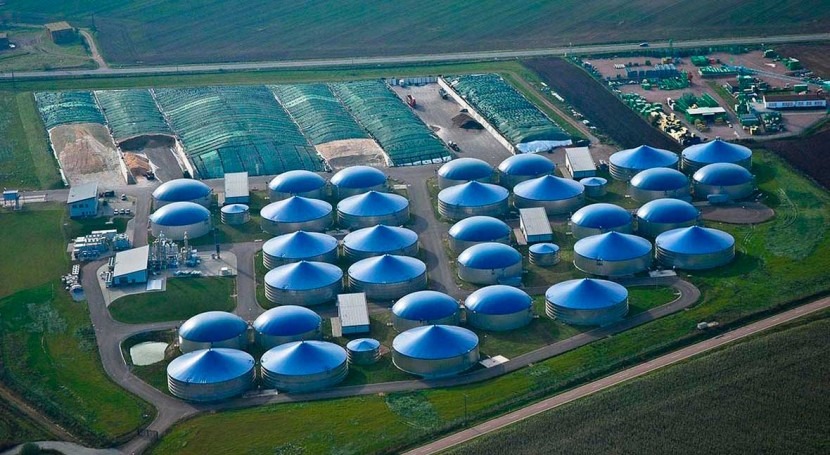
The purified biomethane, now at atmospheric pressure, is compressed in multiple stages to over 250 bar. Integrated gas dryers ensure all residual moisture is removed, preventing ice formation in the storage cylinders and vehicle fuel systems. This step transforms the biomethane into Compressed Biogas (CBG).
Step 6: CBG Storage and Dispensing
The high-pressure CBG is stored in dedicated storage cascades (banks of cylinders) on-site. A priority panel system manages the filling and emptying of these cascades. From here, the CBG is dispensed via a standard CNG dispenser, either into cylinders for transport or directly into CNG vehicles like trucks, buses, and cars.
Step 7: Digestate Management and Utilization
The liquid and solid digestate from the anaerobic digester is a valuable co-product. It can be separated using a screw press or decanter centrifuge. The liquid fraction is a potent nitrogen-rich fertilizer, while the solid fraction can be composted or used as bedding. Proper digestate management is essential for the overall sustainability and economics of the CNG biogas plant.
Cost Analysis and Profitability of a CNG Biogas Plant
The capital expenditure (CAPEX) for a CNG biogas plant is significant, ranging from hundreds of thousands to millions of dollars, heavily dependent on scale (e.g., 1 ton per day vs. 100 tons per day of feedstock). Major costs include the digester tanks, the upgrading unit (which can be 25-40% of the total cost), and the compression and storage system.
Revenue, however, is multi-stream:
CBG Sales: The primary income.
Digestate Sales: As organic fertilizer.
Carbon Credits: Through schemes like Renewable Fuel Standard (RFS) or voluntary carbon markets.
Tip Fees: For accepting organic waste.
With the right feedstock contracts and offtake agreements for CBG, payback periods can be attractive, often between 4 to 7 years.
Choosing the Right Technology and Supplier
Selecting an experienced international supplier for the upgrading and compression systems is paramount. Look for manufacturers with a proven track record, robust after-sales service, and the ability to provide performance guarantees. Evaluate their technology based on your specific needs:
For smaller plants: Consider simpler, low-OPEX technologies like membrane separation.
For highest purity: Amine scrubbing or PSA might be preferred.
For fluctuating gas quality: PSA and membrane systems often handle variations well.
Frequently Asked Questions (FAQs) on CNG Biogas Plants
Q1: What is the difference between CBG and CNG?
A1: CNG (Compressed Natural Gas) is compressed fossil methane extracted from underground reserves. CBG (Compressed Biogas) is a renewable natural gas produced from organic waste through anaerobic digestion and upgrading. Chemically similar, they are interchangeable as fuels, but CBG has a near-zero carbon footprint.
Q2: How much land is required to set up a CNG biogas plant?
A2: The land requirement varies with capacity. A small-scale plant processing 5 tons of feedstock per day might need 1-2 acres, including space for digesters, upgrading unit, storage, and digestate handling. Larger facilities will require significantly more area.
Q3: What are the main government policies supporting CBG projects?
A3: Many countries have supportive policies. These include production tax credits, renewable fuel standards that create tradable credits (like RINs in the US), feed-in tariffs for green gas, and capital subsidy grants for plant setup. It's crucial to research the specific incentives in your region.
Q4: Is it safe to have a CNG biogas plant near residential areas?
A4: When designed and operated according to international safety standards, a CNG biogas plant is very safe. Safety measures include gas leak detectors, flame arrestors, pressure relief valves, fire-fighting systems, and secure fencing. However, proper zoning and community engagement are always recommended.
Q5: Can a CNG biogas plant be integrated with an existing wastewater treatment or dairy plant?
A5: Absolutely. In fact, these are ideal scenarios. Existing industrial or agricultural facilities already have a consistent feedstock supply (sewage sludge, manure). Adding a CNG biogas plant creates a new revenue stream from waste, reduces energy costs by producing on-site fuel, and enhances the operation's overall sustainability profile.