


News
We'll get back to you as soon as possible.
Unlocking Green Hydrogen: A Guide to Hydrogen Production from Biogas
The global quest for clean, sustainable energy is accelerating, and hydrogen has emerged as a frontrunner. But not all hydrogen is created equal. While "green hydrogen" from solar and wind-powered electrolysis grabs headlines, a powerful and readily available method is gaining significant traction: hydrogen production from biogas.
This innovative process represents a convergence of waste management and clean energy production, creating a circular economy model that is both economically and environmentally compelling. For industry professionals, project developers, and investors in the international biogas upgrading equipment sector, understanding this technology is no longer a niche interest—it's a critical insight into the future of renewable energy.
This comprehensive guide will delve into how hydrogen production from biogas works, its undeniable benefits, the key technologies involved, and its role in decarbonizing hard-to-abate industries.
What is Biogas and Why is it a Perfect Feedstock?
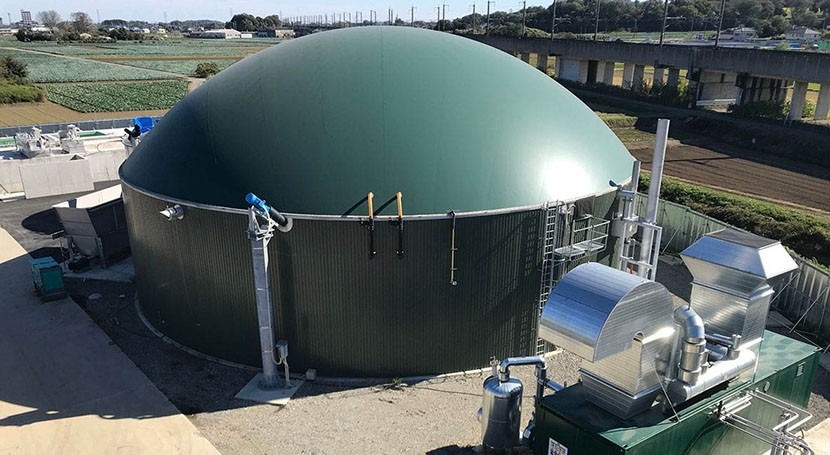
Before we dive into hydrogen, let's start with the source. Biogas is a combustible gas mixture produced through the anaerobic digestion (AD) of organic materials like agricultural waste, food scraps, manure, and wastewater sludge. Its primary components are:
Methane (CH₄): 50-75%
Carbon Dioxide (CO₂): 25-50%
Trace amounts of other gases like hydrogen sulfide (H₂S), water vapor, and nitrogen.
Traditionally, biogas is cleaned and upgraded to biomethane, which can be injected into the natural gas grid or used as a vehicle fuel. However, the methane within biogas is an excellent carrier for hydrogen. By converting this methane into hydrogen, we unlock a high-value energy vector from low-value waste streams, making hydrogen production from biogas a superior waste-to-energy pathway.
The Technological Pathway: How is Hydrogen Made from Biogas?
The core process for hydrogen production from biogas involves two main stages: biogas upgrading and methane reforming.
Stage 1: Biogas Upgrading and Purification
Raw biogas is not suitable for direct conversion to hydrogen. It must first be cleaned and upgraded to a high-purity stream of biomethane. This is where advanced biogas upgrading equipment is crucial. The purification process typically removes:
Hydrogen Sulfide (H₂S): Using biological or chemical scrubbing to prevent catalyst poisoning in the next stage.
Siloxanes: Compounds that can form abrasive deposits.
Water Vapor: Through dehydration processes.
Carbon Dioxide (CO₂): The key upgrading step, using technologies like Water Scrubbing, Pressure Swing Adsorption (PSA), or Membrane Separation to isolate the methane.
The output is a stream of high-purity biomethane (typically >97% CH₄), which is chemically identical to fossil natural gas but renewable in origin.
Stage 2: Methane Reforming
This purified biomethane is then fed into a reformer, where it undergoes a chemical reaction to produce hydrogen. The two most common methods are:
1. Steam Methane Reforming (SMR)
This is the most established and widely used industrial method for hydrogen production. The process involves reacting biomethane with steam at high temperatures (700-1000°C) in the presence of a nickel-based catalyst.
The primary chemical reaction is:
CH₄ + H₂O → CO + 3H₂ (Syngas)
This is followed by the Water-Gas Shift (WGS) reaction to convert the carbon monoxide with more steam:
CO + H₂O → CO₂ + H₂
The result is a gas stream rich in hydrogen and carbon dioxide.
2. Autothermal Reforming (ATR)
ATR combines elements of SMR and partial oxidation. It uses oxygen and steam in a single reactor, creating a thermally balanced process that can be more compact and efficient for certain applications.
Stage 3: Hydrogen Purification
The final step involves separating the hydrogen from the CO₂ and any residual gases. This is typically achieved using another Pressure Swing Adsorption (PSA) unit, which captures impurities on specialized adsorbent materials, leaving behind high-purity hydrogen (often 99.97% or higher).
The Compelling Advantages: Why Choose Biogas-Derived Hydrogen?
The push for hydrogen production from biogas is driven by a powerful set of advantages:
Carbon-Negative or Carbon-Neutral Potential: When combined with Carbon Capture, Utilization, and Storage (CCUS), the CO₂ produced during reforming is captured and permanently stored. Since the carbon in biogas was originally absorbed from the atmosphere by plants, this creates a carbon-negative cycle, actively removing CO₂ from the air.
Waste Management Solution: It provides a high-value outlet for organic waste, reducing landfill use, mitigating methane emissions from decomposing waste, and preventing water pollution.
Reliable and Dispatchable: Unlike intermittent solar or wind power, biogas plants can operate 24/7, providing a consistent and reliable feedstock for hydrogen production. This "baseload" renewable hydrogen is a key asset for energy security.
Accelerates the Hydrogen Economy: It leverages existing biogas infrastructure and well-understood reforming technology, allowing for faster scale-up of renewable hydrogen production without waiting for new electrolyzer capacity to be built.
Economic Diversification: For agricultural and industrial sectors, it creates new revenue streams from waste products, enhancing sustainability and profitability.
Challenges and the Role of Advanced Biogas Upgrading Equipment
While promising, the path to widespread hydrogen production from biogas has hurdles. The capital expenditure for integrated upgrading and reforming plants can be high. Furthermore, the efficiency of the multi-step process (AD → Upgrading → Reforming → Purification) results in energy losses.
This is where innovation in the international biogas upgrading equipment manufacturing field is critical. The focus is on:
Developing more efficient and lower-cost purification systems.
Creating robust catalysts that are more resistant to impurities.
Integrating processes to minimize energy penalties and maximize overall system efficiency.
Scaling down reforming technology to make it economical for smaller, distributed biogas plants.
Future Outlook: Where is This Technology Headed?
The future of hydrogen production from biogas is intrinsically linked to global decarbonization policies. As carbon prices rise and incentives for green hydrogen strengthen, this pathway will become increasingly competitive.
Key trends to watch include:
Integration with Carbon Capture (BECCS/U): Creating Bio-Energy with Carbon Capture and Storage/Utilization systems will be a game-changer, enabling truly carbon-negative hydrogen.
Small-Scale, Distributed Models: Developing compact reforming units for on-site hydrogen production at farms or food processing plants.
Syngas Fermentation: Exploring biological pathways to convert the syngas from reforming directly into advanced biofuels and chemicals.
For stakeholders in the biogas sector, embracing hydrogen production from biogas is a strategic move to future-proof investments and play a leading role in the global energy transition.
Frequently Asked Questions (FAQ) About Hydrogen Production from Biogas
Q1: Is hydrogen produced from biogas considered "green hydrogen"?
A1: This is a nuanced but critical question. By strictest definitions, "green hydrogen" is produced via electrolysis powered by renewable electricity. Hydrogen from biogas is often categorized as "renewable hydrogen" or "low-carbon hydrogen." Its environmental credential is superb, especially when the biogas source is sustainable. If the process is coupled with carbon capture (CCUS), it can even be carbon-negative, a significant advantage over some other production methods.
Q2: What is the main difference between upgrading biogas to biomethane versus converting it to hydrogen?
A2: The primary difference is the end product and its use. Upgrading to biomethane involves purifying biogas to remove CO₂ and impurities, resulting in a direct substitute for natural gas. Converting it to hydrogen involves an additional chemical process (reforming) that breaks down the methane molecules to extract hydrogen, creating a more versatile energy carrier for fuel cell vehicles, industrial processes, and power generation where hydrogen is specifically required.
Q3: What are the biggest technical challenges in the hydrogen production from biogas process?
A3: The key technical challenges include: 1) Impurity Management: Ensuring the biogas is thoroughly purified of contaminants like H₂S and siloxanes that can deactivate the expensive reforming catalysts. 2) Process Efficiency: The multi-step conversion (Anaerobic Digestion → Upgrading → Reforming) incurs energy losses, so optimizing the overall system efficiency is crucial. 3) Economic Scalability: Making the technology cost-effective for smaller, distributed biogas plants, not just large-scale facilities.
Q4: How does the cost of hydrogen from biogas compare to hydrogen from natural gas?
A4: Currently, hydrogen produced from fossil natural gas (so-called "gray hydrogen") is the cheapest option. However, hydrogen production from biogas becomes increasingly competitive as carbon taxes are implemented and the value of its renewable attributes is recognized. With incentives for low-carbon fuels and the potential to sell carbon credits (especially with CCUS), biogas-derived hydrogen can achieve cost parity or even become more economical than gray hydrogen in certain regions.
Q5: Can existing biogas plants be retrofitted for hydrogen production?
A5: Yes, it is feasible. An existing plant with anaerobic digesters and gas handling systems can be retrofitted by adding two key modules: a biogas upgrading unit (if not already present) and a methane reformer with a hydrogen purification system. The feasibility depends on the plant's scale, the availability of space, and the economic viability of the hydrogen offtake market. Retrofitting represents a significant opportunity to expand the functionality of the global biogas infrastructure.