


News
We'll get back to you as soon as possible.
From Waste to Wheels: Is a CNG Biogas Plant the Future of Sustainable Energy?
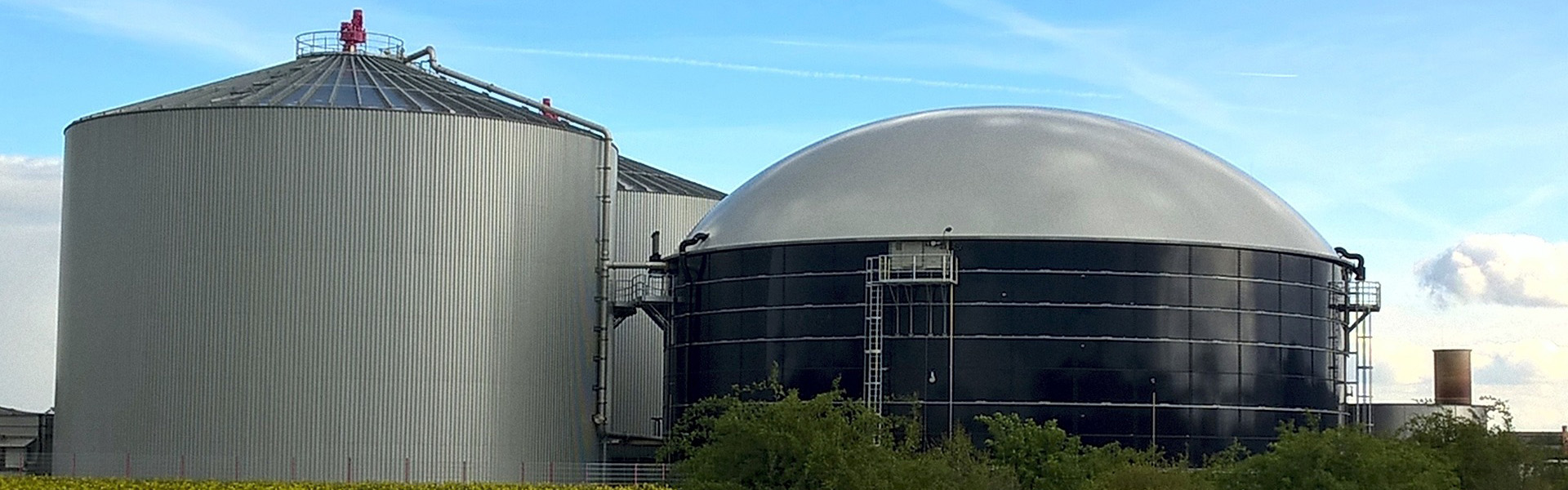
The global energy landscape is shifting. As industries and nations grapple with the dual challenges of energy security and environmental sustainability, a powerful solution is emerging not from deep within the earth, but from our own waste streams. Enter the CNG biogas plant—a sophisticated facility that transforms organic waste into a high-value, renewable fuel known as Bio-CNG. This isn't just a concept; it's a commercially viable, circular economy model that is gaining traction worldwide.
For farm owners, food processors, wastewater treatment facilities, and investors, understanding the potential of a CNG biogas plant is crucial. This comprehensive guide will walk you through what a CNG biogas plant is, how it works, its profound benefits, and why it represents a smart, sustainable investment for the future.
What Exactly is a CNG Biogas Plant?
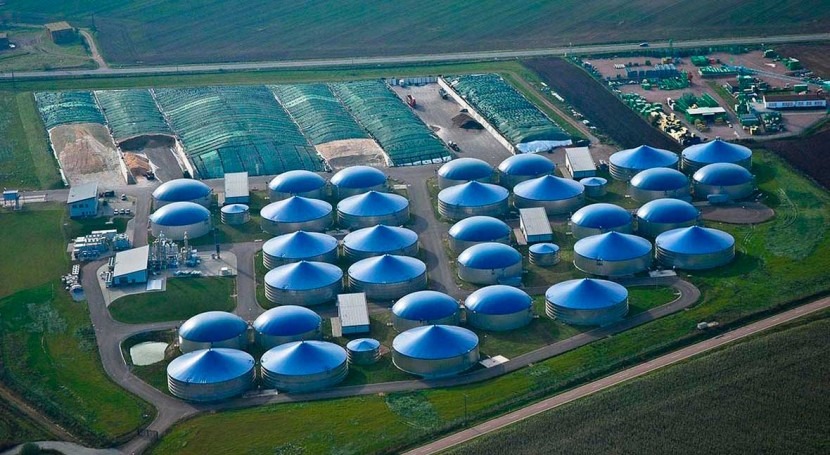
Let's break down the terminology. A CNG biogas plant is an advanced facility that goes beyond simple biogas production. It integrates anaerobic digestion with state-of-the-art biogas upgrading and purification systems to produce Compressed Natural Gas (CNG) from biological sources—hence the name Bio-CNG or renewable natural gas (RNG).
The core purpose of a CNG biogas plant is to take raw biogas—a mixture of methane (CH₄), carbon dioxide (CO₂), and other trace gases—and refine it into a gas that is chemically identical to fossil natural gas, but renewable. This Bio-CNG is then compressed to high pressures, making it suitable for use as a vehicle fuel or for injection into the natural gas grid.
The Core Process: How a CNG Biogas Plant Works
The operation of a modern CNG biogas plant is a multi-stage marvel of biochemical and mechanical engineering. It can be broken down into four key phases:
1. Anaerobic Digestion: The Heart of the Process
This is where the magic begins. Organic feedstock—which can range from agricultural waste (manure, crop residues), food processing waste, municipal organic waste, or sewage sludge—is fed into a large, sealed tank called a digester. In the absence of oxygen, a consortium of microbes breaks down this material, producing raw biogas and a nutrient-rich digestate that can be used as a potent organic fertilizer.
The raw biogas at this stage typically consists of:
50-75% Methane (CH₄)
25-50% Carbon Dioxide (CO₂)
Trace elements like Hydrogen Sulfide (H₂S), water vapor, and siloxanes.
2. Biogas Upgrading: Purification to Pipeline Quality
This is the critical differentiator between a simple biogas system and a CNG biogas plant. Raw biogas must be purified to remove all non-methane components. This is where specialized biogas upgrading equipment comes into play. The primary goal is to separate CO₂ and other impurities to achieve a methane content of over 95% (often exceeding 97%), meeting the standards for vehicle fuel and grid injection.
Key upgrading technologies used in a CNG biogas plant include:
Water Scrubbing: Uses high-pressure water to absorb and remove CO₂ and H₂S.
Pressure Swing Adsorption (PSA): Employs specialized adsorbent materials that trap CO₂, nitrogen, and other gases under pressure, allowing pure methane to pass through.
Membrane Separation: Utilizes the selective permeability of membrane materials to separate CH₄ from CO₂ based on molecular size and solubility.
Chemical Scrubbing: Uses amine-based solvents to chemically absorb CO₂.
3. Compression: Creating Bio-CNG
Once the biogas has been upgraded to pure biomethane, it is fed into a compressor. This machine pressurizes the gas to levels around 3,000 to 3,600 psi (200-250 bar), which reduces its volume dramatically, making it efficient to store and transport in high-pressure cylinders. This final product is Bio-CNG.
4. Utilization: The Final Frontier
The compressed Bio-CNG is now ready for the market. It can be:
Used as Vehicle Fuel: Dispensed at an on-site fueling station for CNG-powered trucks, buses, and cars.
Injected into the Natural Gas Grid: Sold to utility companies to displace fossil natural gas for heating and power generation.
Bottled for Transport: Filled into high-pressure tube trailers for distribution to off-site users.
The Unbeatable Advantages of Investing in a CNG Biogas Plant
The move towards establishing a CNG biogas plant is driven by a powerful combination of economic, environmental, and social benefits.
Economic Diversification and Revenue Streams: A CNG biogas plant turns waste disposal costs into profit centers. Revenue is generated from:
Selling high-value Bio-CNG as a transportation fuel.
Receiving tipping fees for accepting organic waste.
Selling certified carbon credits (like RINs in the US or CERs internationally) due to the significant GHG reductions.
Marketing the digestate as a premium organic fertilizer.
Profound Environmental Impact: This is a core strength. A CNG biogas plant directly addresses climate change by:
Capturing methane that would otherwise be released from decomposing waste—methane is over 25 times more potent than CO₂ as a greenhouse gas.
Displacing fossil fuels in transportation and heating, leading to a net reduction in CO₂ emissions.
Promoting sustainable waste management and a circular economy.
Energy Independence and Security: By producing a domestic, renewable fuel source, a CNG biogas plant reduces reliance on imported fossil fuels, buffering local economies from volatile global energy markets.
Waste Management Solution: It provides a hygienic and efficient method to manage problematic organic wastes, reducing odors, preventing water contamination, and reducing the burden on landfills.
Key Components of a World-Class CNG Biogas Plant
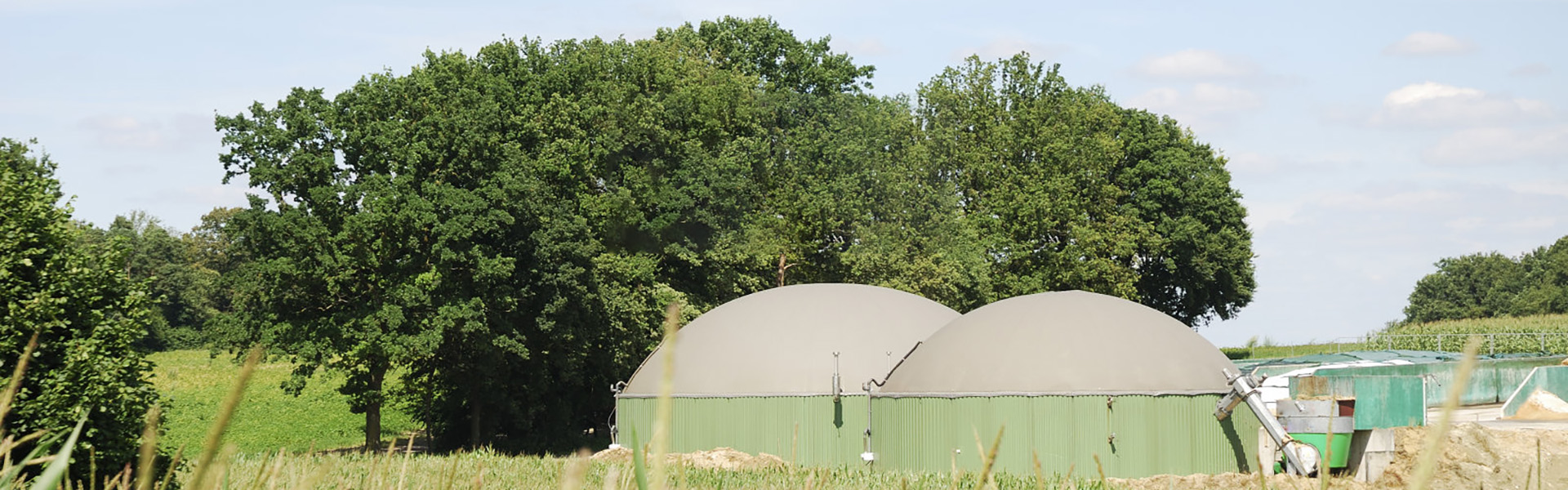
For those in the international biogas upgrading equipment manufacturing field, understanding the integrated system is key. A successful CNG biogas plant relies on:
Robust Pre-treatment Systems: To handle varied feedstocks and remove contaminants before digestion.
High-Efficiency Anaerobic Digesters: Designed for optimal microbial activity and gas yield.
Core Biogas Upgrading Equipment: The heart of the plant, requiring high availability, automation, and low energy consumption. Technologies like PSA and membrane systems are often favored for their efficiency and scalability.
Gas Compression and Storage: Durable compressors and safe, high-pressure storage vessels are non-negotiable.
Sophisticated Control Systems: To seamlessly integrate all components, monitor performance, and ensure safety.
Is a CNG Biogas Plant Right for You? Key Considerations
While the benefits are compelling, a successful CNG biogas plant project requires careful planning:
Feedstock Availability: A consistent and sufficient supply of organic waste is the foundation.
Capital Investment: The integration of digestion, upgrading, and compression represents a significant capital outlay, though payback periods are improving with technology advances and strong policy support.
Off-take Agreements: Securing a long-term contract to sell the Bio-CNG is critical for project financing and profitability.
Regulatory Compliance: Navigating local permits, gas quality standards, and environmental regulations is essential.
The Future is Renewable: The Outlook for CNG Biogas Plants
The future for the CNG biogas plant sector is exceptionally bright. Driven by global decarbonization mandates, corporate sustainability goals, and advancements in biogas upgrading equipment, the market for Bio-CNG is set for exponential growth. The integration of this technology is a clear step towards a sustainable, waste-free, and energy-secure future.
Frequently Asked Questions (FAQs) About CNG Biogas Plants
Q1: What is the difference between biogas and the CNG produced from a CNG biogas plant?
A1: Raw biogas is a crude product directly from the digester, containing only 50-75% methane along with CO₂ and impurities. It has lower energy density and can be corrosive. The CNG from a CNG biogas plant (Bio-CNG) is upgraded to over 95% methane, stripped of impurities, and compressed. It is pipeline-quality gas, functionally identical to fossil CNG, and suitable for use in any natural gas vehicle or appliance.
Q2: What types of feedstocks are most suitable for a CNG biogas plant?
A2: A wide variety of organic materials work well. The most common and efficient feedstocks include animal manure from dairy, swine, and poultry farms; organic waste from food processing industries; source-separated municipal organic waste; and dedicated energy crops like maize silage. The key is consistency and availability.
Q3: How much does it cost to set up a CNG biogas plant?
A3: The cost is highly variable and depends on the plant's capacity (tonnes of feedstock per day), the technology chosen for upgrading, and local site conditions. Costs can range from several hundred thousand dollars for a small-scale farm-based plant to tens of millions for a large-scale industrial facility. A detailed feasibility study is essential for an accurate cost assessment.
Q4: Can a CNG biogas plant be profitable?
A4: Yes, a well-planned and efficiently operated CNG biogas plant can be highly profitable. Profitability stems from multiple revenue streams: selling high-purity Bio-CNG, receiving waste tipping fees, selling the digestate as fertilizer, and generating income from carbon credits or other green certificates. The economic model strengthens as carbon pricing mechanisms become more widespread.
Q5: What are the main technical challenges in operating a CNG biogas plant?
A5: The primary challenges involve maintaining consistent feedstock quality, ensuring the biological stability of the anaerobic digester, and managing the sophisticated biogas upgrading equipment. Impurities in the raw biogas, such as hydrogen sulfide and siloxanes, can pose operational challenges for upgrading systems and compressors, requiring robust pre-treatment and skilled maintenance.