


News
We'll get back to you as soon as possible.
The Ultimate Guide to Biogas CNG Plants: Turning Waste into Wealth and Clean Energy
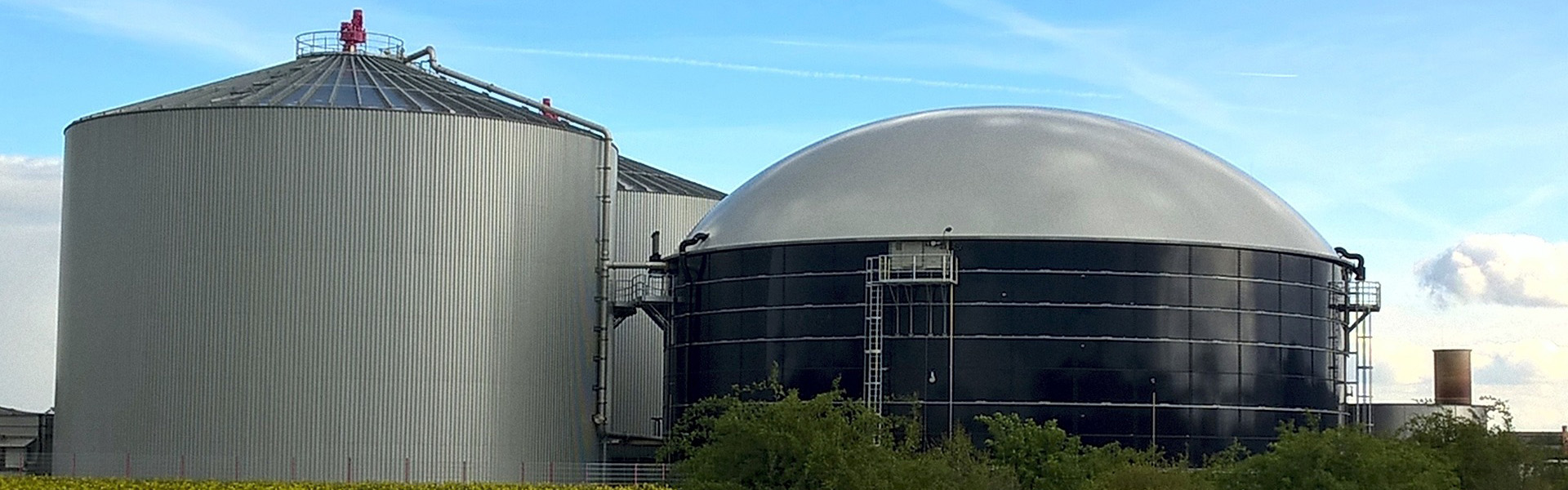
In an era defined by the urgent need for climate action and energy security, the search for sustainable and reliable fuel sources has never been more critical. Enter the Biogas CNG Plant—a sophisticated facility that is revolutionizing how we manage organic waste and produce energy. This isn't just about generating power; it's about creating a circular economy where waste becomes a valuable commodity. For municipalities, agricultural enterprises, and industrial players, investing in a biogas cng plant represents a forward-thinking strategy for profitability and environmental stewardship.
This comprehensive guide will delve into what a biogas cng plant is, how it works, its multifaceted benefits, and the crucial considerations for implementation.
What is a Biogas CNG Plant? A Breakdown
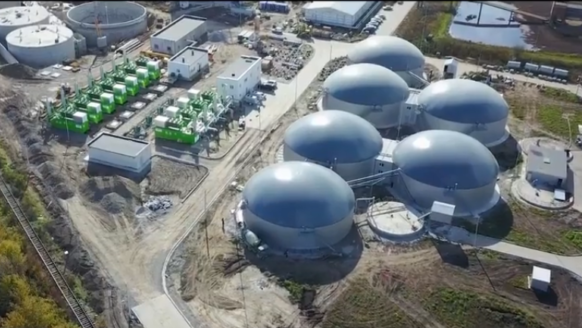
At its core, a biogas cng plant is an advanced processing facility that upgrades raw biogas into Compressed Natural Gas (CNG) quality fuel.
Let's break down the process:
Anaerobic Digestion: The journey begins in an anaerobic digester, an oxygen-free tank where microorganisms break down organic feedstock. This feedstock can include:
The primary output of this process is raw biogas, which is typically composed of 50-65% methane (CH₄), 30-45% carbon dioxide (CO₂), and trace amounts of hydrogen sulfide (H₂S), water vapor, and other gases.
Agricultural waste (manure, crop residues)
Food processing waste
Municipal solid waste (organic fraction)
Sewage sludge
Dedicated energy crops
Biogas Upgrading: This is the critical differentiator of a biogas cng plant. Raw biogas is not pure enough to be used as vehicle fuel or injected into natural gas pipelines. The upgrading process scrubs the biogas to remove impurities and separate CO₂, resulting in a gas that is over 95% methane. This purified gas is known as Biomethane or Bio-CNG.
Compression: The biomethane is then compressed to high pressures (typically around 3,000 to 3,600 psi) using specialized compressors. This step reduces its volume dramatically, making it feasible to store and transport in cylinders or cascades, just like conventional CNG.
The final product, Bio-CNG, is a renewable, pipeline-quality gas that is functionally identical to fossil-based natural gas but with a negative carbon footprint.
The Core Technologies Behind Biogas Upgrading
The heart of any modern biogas cng plant is the upgrading technology. Several proven methods are employed by leading biogas plant manufacturers globally:
Water Scrubbing: This method uses high-pressure water to absorb CO₂ and H₂S from the biogas. It's a robust and cost-effective technology, especially suitable for feedstocks with high sulfur content.
Pressure Swing Adsorption (PSA): PSA uses specialized adsorbent materials (like activated carbon or zeolites) that trap CO₂, nitrogen, and oxygen under high pressure, allowing methane to pass through. It's highly efficient for producing high-purity biomethane.
Membrane Separation: This technology utilizes the principle of selective permeation. Biogas is fed into membranes where CO₂ and other impurities pass through the membrane walls faster than methane, resulting in a purified methane stream. It's known for its compact footprint and low energy consumption.
Chemical Scrubbing (Amine Scrubbing): This process uses a chemical solvent (like amines) to chemically bind with and remove CO₂. It is renowned for its high efficiency and ability to achieve very high methane purity.
Choosing the right technology depends on factors like plant capacity, feedstock composition, desired gas purity, and capital and operational expenditure.
The Multifaceted Benefits of Investing in a Biogas CNG Plant
The advantages of establishing a biogas cng plant extend far beyond simple waste disposal.
1. Environmental Impact and Carbon Neutrality
A biogas cng plant is a powerhouse for environmental good. It significantly reduces greenhouse gas emissions in two ways: by capturing methane that would otherwise escape from decomposing waste, and by displacing fossil fuels in transportation and heating. The process is considered carbon-neutral because the CO₂ released from burning Bio-CNG is part of the current carbon cycle, unlike the fossil carbon released from coal, oil, or natural gas.
2. Economic Viability and Revenue Streams
A well-designed biogas cng plant is a profitable enterprise. It creates multiple revenue streams:
Sale of Bio-CNG: As a direct replacement for diesel and gasoline in vehicles (buses, trucks, cars).
Carbon Credits: Many countries offer tradable carbon credits for renewable energy production and emission reduction.
Digestate Sales: The nutrient-rich byproduct of digestion (digestate) is an excellent organic fertilizer, which can be sold to farms, creating an additional income source.
Tip Fees: Plants can charge fees for accepting and processing organic waste from other industries.
3. Waste Management Solution
For farms and industries burdened with organic waste, a biogas cng plant transforms a liability (and cost) into an asset. It reduces odor, prevents water contamination, and sanitizes waste, killing pathogens and weed seeds.
4. Energy Independence and Security
By producing a domestic, renewable fuel, countries and communities can reduce their reliance on imported fossil fuels, enhancing their energy security and insulating themselves from volatile global energy markets.
Key Considerations for Setting Up a Biogas CNG Facility
Building a successful biogas cng plant requires careful planning and execution.
Feedstock Assessment: The first step is a thorough analysis of the available feedstock—its type, quantity, and consistency throughout the year. This determines the plant's size and design.
Technology Selection: Partnering with experienced biogas plant manufacturers is crucial to select the most appropriate upgrading and compression technology for your specific needs.
Off-Take Agreements: Securing a stable buyer for the Bio-CNG is essential for financial viability. This could be a city's public transport fleet, a logistics company, or a natural gas utility for grid injection.
Regulatory Compliance and Permits: Navigating the legal landscape, including environmental permits, gas quality standards, and safety regulations, is a complex but necessary part of the process.
Funding and Financing: While capital costs can be significant, numerous government grants, subsidies, and green financing options are available to support such renewable energy projects.
Frequently Asked Questions (FAQs) About Biogas CNG Plants
Q1: What is the main difference between a biogas plant and a biogas CNG plant?
A1: A conventional biogas plant typically uses the produced biogas for onsite heat and power generation in a combined heat and power (CHP) unit. A biogas cng plant, however, incorporates an additional upgrading and compression system to purify the biogas into Biomethane (Bio-CNG), which can be used as a vehicle fuel or injected into the natural gas grid.
Q2: What types of feedstock are most suitable for a biogas CNG plant?
A2: A wide variety of organic materials are suitable. The most common and efficient feedstocks include animal manure from dairy or poultry farms, energy crops like corn silage, organic fraction of municipal solid waste (OFMSW), and waste from food and beverage industries. A mix of feedstocks often optimizes gas production.
Q3: How much does it cost to build a biogas CNG plant?
A3: The cost is highly variable and depends on the plant's capacity, the chosen upgrading technology, feedstock handling requirements, and local infrastructure. Costs can range from a few hundred thousand dollars for a small-scale farm-based plant to tens of millions for large-scale commercial facilities. A detailed feasibility study is essential for an accurate cost estimate.
Q4: Is the Bio-CNG produced safe to use in standard CNG vehicles?
A4: Absolutely. Once upgraded to the required standards (e.g., ISO 15403 for natural gas vehicle fuel), Bio-CNG is chemically identical to fossil CNG. It can be used in any vehicle designed to run on CNG without any modifications to the engine or fuel system.
Q5: What is the typical payback period for an investment in a biogas CNG plant?
A5: The payback period can vary widely, typically between 3 to 7 years for a well-optimized project. This depends on factors like the cost of feedstock, the selling price of Bio-CNG and digestate, the availability of government incentives, and the operational efficiency of the plant. A robust business model is key to achieving a favorable return on investment.
By embracing the technology of a biogas cng plant, we are not just addressing waste and energy problems separately; we are integrating the solutions into a single, powerful system that paves the way for a more sustainable and prosperous future.