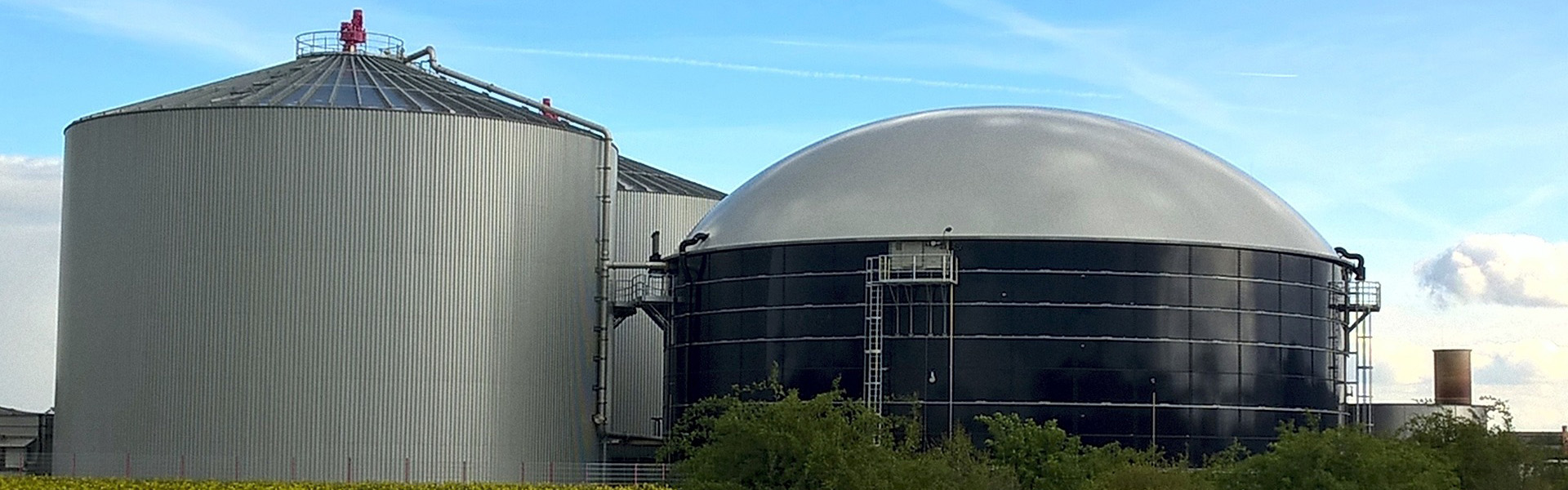
The global push for sustainability is turning waste into a valuable asset. For farms, food processors, and wastewater plants, managing organic waste is a major cost and environmental challenge.
The answer lies in modern biogas solutions. These systems don't just treat waste; they convert it into renewable energy and high-quality fertilizer. This article breaks down the key biogas solutions available today, focusing on practical applications, costs, and leading technologies.
We’ll provide clear information to help you evaluate these systems for your operation.
Core Information: What Are Biogas Solutions?
Biogas solutions encompass the complete technology chain for anaerobic digestion. This natural process breaks down organic matter without oxygen, producing biogas and digestate.
The core components of a typical system include:
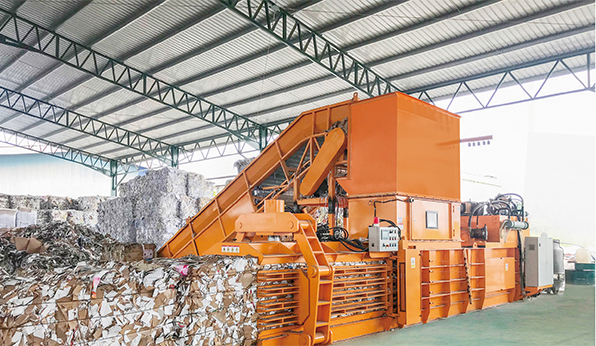
A receiving and pre-treatment unit for feedstock.
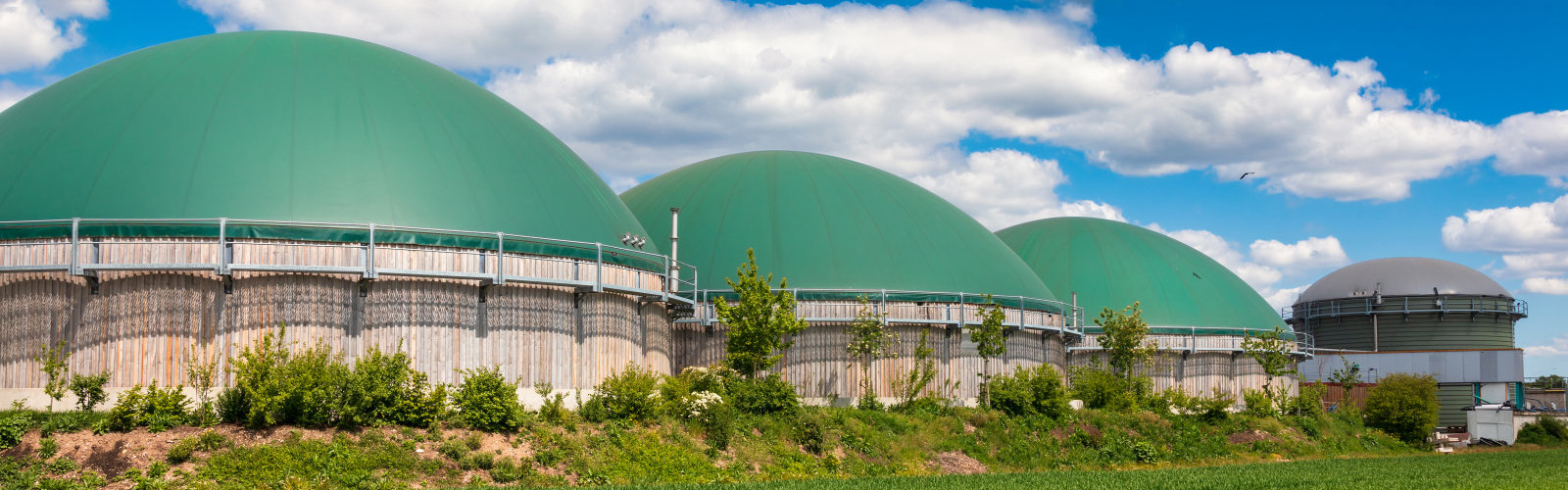
An anaerobic digester (the sealed tank where digestion occurs).
A gas storage and handling system.
A combined heat and power (CHP) unit or a biogas upgrading system.
A digestate management and storage system.
These integrated biogas solutions transform liabilities like manure, crop residues, and food waste into predictable revenue streams. They provide energy independence and significant environmental credits.Primary Applications and Selection Guide
Choosing the right system depends entirely on your feedstock and primary goal.
1. On-Farm Agricultural Solutions
These are tailored for livestock farmers and large crop producers. They primarily use manure and energy crops. The biogas typically runs a CHP unit, providing electricity for the farm and heat for barns or digesters.
2. Industrial & Wastewater Treatment Plants
Food and beverage factories, slaughterhouses, and municipal wastewater plants use biogas solutions to treat high-strength organic effluent. The produced biogas often covers the plant's substantial thermal energy demands.
3. Community and Municipal Waste Projects
These larger-scale biogas solutions process source-separated food waste and sewage sludge. They contribute renewable gas to local grids or generate district heating.
Selection Guide:
Goal: Is it waste compliance, energy cost reduction, or new revenue from gas grid injection?
Feedstock: Quantity, consistency, and type (e.g., dry, wet, high-fat).
Output Use: On-site power, biogas upgrading to biomethane, or simply waste reduction.
Space & Budget: Site constraints and available capital.
Understanding Biogas Upgrading Technologies
Raw biogas is about 50-65% methane (CH4) and 35-50% carbon dioxide (CO2), plus trace elements. To inject gas into the natural gas grid or use it as vehicle fuel (biomethane), upgrading is essential.
Several key biogas upgrading technologies are dominant:
Water Scrubbing (Pressurized Water Wash): Uses water’s ability to absorb CO2 under pressure. It’s a robust and widely adopted biogas solution.
Membrane Separation: Utilizes semi-permeable membranes to separate CH4 from CO2 based on molecular size. Known for its compact design and lower energy use.
Pressure Swing Adsorption (PSA): Employs specialized materials (adsorbents) that trap CO2 under pressure. It delivers very high-purity biomethane (>99%).
Chemical Scrubbing (Amino Wash): Uses a chemical solvent, typically an amine solution, to selectively absorb CO2. Highly efficient for very large-scale projects.
Selecting the right biogas upgrading system involves a trade-off between capital expenditure, operational energy consumption, and required methane purity.
Cost Considerations and ROI
The price of biogas solutions varies dramatically with scale and complexity.
Key cost drivers include:
Digester Type: Concrete vs. steel, continuous vs. batch.
Pre-treatment Needs: Does feedstock require de-packaging, pasteurization, or shredding?
Upgrading Technology Choice: Membrane systems may have different OpEx/CapEx profiles than amine scrubbers.
Local Infrastructure: Costs for grid connection, heat off-take, or digestate storage.
Return on investment comes from multiple streams: energy savings, sales of electricity/heat/biomethane, waste tipping fees, and carbon credits or green certificates. A well-planned biogas plant often achieves payback within 5-8 years.
Commercial Services and Global Suppliers
Implementing a project requires expert partners. The international biogas upgrading equipment manufacturing sector offers full-service solutions.
Leading suppliers provide:
Feasibility Studies & Design: Custom engineering for your specific site.
Turnkey Plant Construction: Delivering a complete, operational facility.
Key Technology Supply: Specializing in digester technology or biogas upgrading units.
Operation & Maintenance (O&M) Contracts: Ensuring long-term performance and reliability.
Companies like PlanET Biogas, WELTEC BIOPOWER, EnviTec Biogas, and DMT Environmental Technology are prominent players. They offer proven biogas solutions with global reference projects.
When selecting a supplier, review their experience with your feedstock type and desired output. Ask for detailed case studies and total lifecycle cost projections.
The Future: Technological Advancements
The sector is innovating rapidly to increase efficiency and lower costs.
Smart Process Control: AI and IoT sensors optimize digestion in real-time, boosting gas yield.
Hybrid Upgrading Systems: Combining technologies like membranes with PSA for superior efficiency.
Biomethane Grid Injection & LNG: Advanced biogas solutions now produce pipeline-quality gas or liquefied biomethane (Bio-LNG) for heavy transport.
Small-scale, Modular Units: Containerized, plug-and-play systems are making biogas solutions accessible for smaller farms and businesses.
These advancements make biogas solutions more robust, profitable, and adaptable than ever before.
Frequently Asked Questions (FAQ)
Q1: What is the typical lifespan of a biogas plant?
A1: A well-designed and maintained anaerobic digester has a technical lifespan of 20-25 years. Core components like steel tanks or CHP engines may require refurbishment or replacement after 10-15 years of continuous operation. The long-term viability is a key strength of these biogas solutions.
Q2: Can a biogas solution handle multiple types of waste?
A2: Yes, most modern systems are designed for co-digestion. This means they can process a primary feedstock (like manure) along with other organic wastes (like food processing leftovers or fats). Co-digestion often significantly increases biogas yield and project economics. Pre-treatment is crucial for mixed feedstocks.
Q3: How much space is required for a commercial biogas plant?
A3: Space needs vary. A small farm-based system might need 1,000-2,000 square meters for the digester, tanks, and digestate storage. A large industrial plant with upgrading and administrative buildings could require 5,000-10,000 square meters or more. A detailed site layout is part of any professional feasibility study.
Q4: Is the digestate from biogas solutions safe to use as fertilizer?
A4: Absolutely. The digestate is a nutrient-rich, stabilized biofertilizer. The anaerobic process eliminates most pathogens and weed seeds. It improves soil structure and provides readily available nitrogen, phosphorus, and potassium. Its use is a core environmental benefit, closing the nutrient loop.
Q5: What are the main operational challenges with biogas plants?
A5: Consistent feedstock quality and supply is critical. Mechanical issues with pumps or agitators can cause downtime. For biogas upgrading systems, maintaining the purity specification for grid injection requires careful process control. This is why professional O&M support is highly recommended for complex biogas solutions.