


News
We'll get back to you as soon as possible.
How a Biogas CHP Plant Works: 7 Key Components and Their Business Impact
Let's talk about turning waste into reliable power and heat. For farms, food processors, and wastewater treatment plants, that's the promise of a biogas CHP plant. It's a concrete solution for energy costs and sustainability goals.
This isn't just theory. We'll break down how these systems function, piece by piece, and look at what they deliver. If you're evaluating this technology, understanding these components is your first step.
What Exactly is a Biogas CHP Plant?
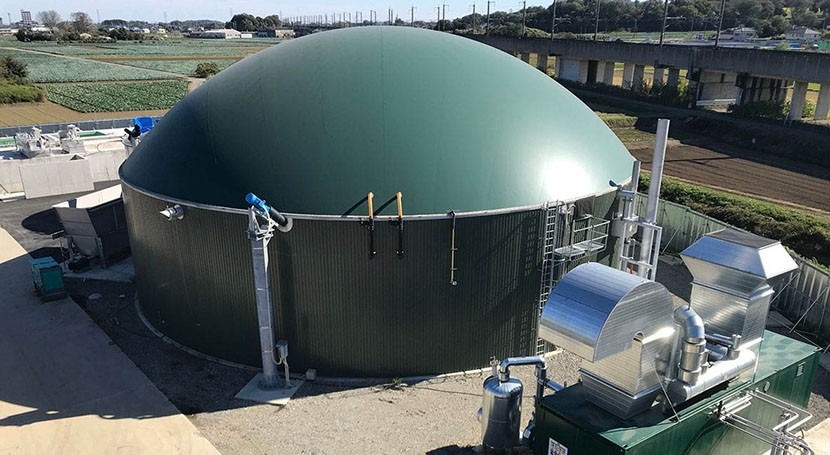
A biogas CHP plant is a combined facility. It integrates an anaerobic digestion system with a combined heat and power (CHP) engine. The digester creates biogas from organic waste. The CHP unit then consumes that gas to generate both electricity and usable thermal energy on-site.
The "CHP" part is what separates it from a simple biogas generator. Instead of wasting the engine's heat, a biogas CHP plant captures it. This heat is used to warm the digester itself or for other facility needs like heating buildings or drying processes.
This dual-output approach is where the high efficiency lies. A well-run biogas CHP plant can achieve total energy conversion efficiencies of 80-90%, far exceeding standard grid power generation.
The 7 Core Components of a Biogas CHP Plant
Every successful installation hinges on these interconnected parts. Each one has a specific job.
1. Feedstock Reception and Pre-Treatment
It all starts with the waste. This area handles the delivery and storage of manure, crop silage, or food waste. Pre-treatment may involve shredding, pasteurization, or removing contaminants. Consistent feedstock quality is critical for stable biogas production.
2. The Anaerobic Digester Tank
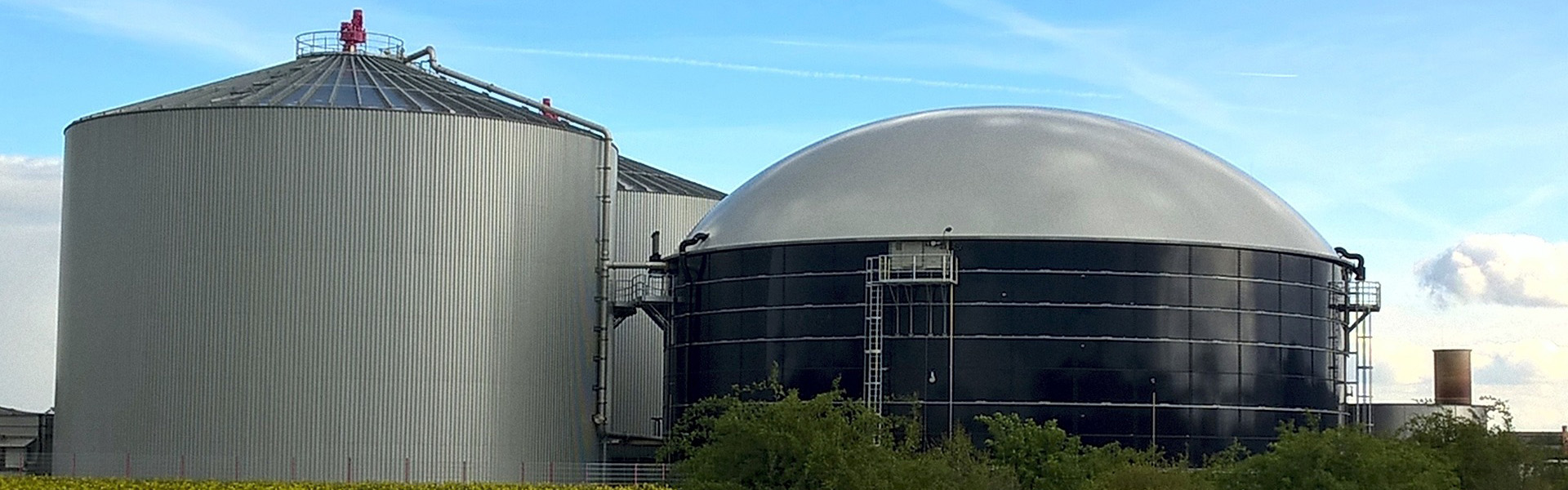
This is the sealed, oxygen-free reactor where microorganisms break down the feedstock. For a biogas CHP plant, these are often large, heated, continuously stirred tanks. Temperature and mixing are tightly controlled to maximize biogas yield. The design directly impacts the plant's gas output.
3. Biogas Handling and Storage
Raw biogas from the digester contains methane, CO2, and trace gases like hydrogen sulfide (H2S). This section includes gas cooling, condensate traps, and desulfurization units to clean the gas. A flexible gas storage bag or dome buffers the flow between digester production and the CHP unit's consumption.
4. The Heart: The CHP Unit
This is the core energy converter. A modified internal combustion engine or gas turbine is fuelled by the cleaned biogas. It drives an electrical generator, producing electricity that typically feeds directly into the facility's grid. The choice of CHP unit size and brand is a major technical and financial decision for any biogas CHP plant.
5. Heat Recovery System
This network of heat exchangers captures waste energy from the CHP engine's coolant and exhaust. This recovered thermal energy is the "H" in CHP. It is circulated to maintain the digester at the optimal temperature (usually around 38-40°C for mesophilic digestion) and can supply other heat demands.
6. Digestate Management System
After digestion, the remaining slurry—digestate—is rich in nutrients. This component involves storage lagoons or tanks, separators to create solid and liquid fractions, and equipment for land application. Proper digestate handling closes the nutrient loop and can create additional fertilizer revenue.
7. Control and Monitoring Cabinet
The brain of the operation. Modern biogas CHP plants are managed by sophisticated PLC systems. They monitor gas composition, digester temperature, engine performance, and electrical output. They automate controls and provide remote access for operators and service technicians.
Primary Applications: Where a Biogas CHP Plant Makes Sense
This technology isn't for everyone. It fits specific profiles with consistent, sizable organic waste streams.
Large dairy, swine, and poultry farms are classic candidates. They use manure as the primary feedstock, often co-digesting with energy crops. The electricity powers the farm, and heat warms barns or digesters.
Food and beverage manufacturers generate predictable organic waste. A biogas CHP plant solves disposal costs and provides on-site power for processing lines, creating energy security.
Municipal wastewater treatment plants have used anaerobic digestion for decades. Adding or upgrading to a modern biogas CHP plant lets them generate most or all of their own power, drastically cutting operational costs.
Financial and Operational Considerations
The capital expenditure for a biogas CHP plant is significant. It's an infrastructure investment. Costs scale with size and complexity, from several hundred thousand dollars for farm-scale systems to multiple millions for large industrial plants.
Return on investment comes from several streams: savings on purchased electricity and heat, revenue from selling excess power to the grid (via feed-in tariffs or PPAs), avoided waste disposal fees, and value from digestate fertilizer. Government incentives for renewable energy are often a crucial factor in the business case.
Ongoing operational costs include maintenance of the CHP engine (similar to a heavy-duty truck engine), labor for daily monitoring, and feedstock procurement if you're bringing in external wastes.
Choosing Technology and a Service Partner
Not all CHP engines are equal. Some are specifically optimized for low-quality biogas, with robust materials to handle residual impurities. Brands like 2G, MWM, and Caterpillar have established lines for biogas applications.
When selecting an engineering partner, look for a provider with a track record of complete biogas CHP plant deliveries. They should offer a full-service package: feasibility study, design, component sourcing, installation, and long-term service agreements.
Ask for site visits to their previous installations. Speak to the operators. Questions about maintenance schedules, spare part availability, and remote support capabilities are essential.
The Bigger Picture: Grid Support and Carbon Reduction
A modern biogas CHP plant does more than provide owner benefits. It acts as a decentralized, dispatchable renewable energy asset. Unlike solar or wind, it can run continuously, providing baseload power.
When configured for grid support, it can help stabilize local electricity networks. Furthermore, by capturing methane (a potent greenhouse gas) from waste and converting it to CO2 during combustion, the project achieves substantial carbon emissions reductions. This is increasingly quantified and monetized through carbon credit markets.
Frequently Asked Questions (FAQs)
Q1: What's the main difference between a biogas plant and a biogas CHP plant?
A1: All biogas CHP plants contain a biogas plant (the digester), but not all biogas plants include CHP. A standard biogas plant may just produce and clean gas for boiler fuel or upgrading to biomethane. A biogas CHP plant specifically includes the combined heat and power engine to generate electricity and recover heat on-site, maximizing energy efficiency from the gas.
Q2: How much electrical power can a typical farm-based biogas CHP plant generate?
A2: It varies widely by size. A medium-sized dairy farm with 500 cows, using manure and some crop input, might support a biogas CHP plant with a 100-200 kW electrical output. This could be enough to power the entire farm and export surplus to the grid. Larger, purpose-built plants can reach multiple megawatts.
Q3: Is the electricity from a biogas CHP plant stable and reliable?
A3: Yes, that's one of its key advantages. Once the biological process is stable, biogas production is consistent around the clock. This allows the CHP unit to generate a steady, baseload supply of electricity, unlike intermittent sources like solar or wind. It provides energy predictability for the owner.
Q4: What are the biggest maintenance concerns for a biogas CHP plant?
A4: The CHP engine requires regular, scheduled maintenance like oil changes, spark plug replacement, and overhead adjustments, typically every 8,000-10,000 running hours. Engine oil analysis is critical. Also, maintaining the desulfurization system and digester mixers is vital to prevent process downtime. A strong service contract is highly recommended.
Q5: Can a biogas CHP plant run on food waste?
A5: Technically, yes, and many do. However, food waste often has high energy potential but can be acidic or lack trace nutrients. It's common to co-digest it with a buffering agent like manure or crop silage to maintain optimal pH and biological balance in the digester. Pre-treatment for contaminant removal is also crucial for food waste feedstocks.