


News
We'll get back to you as soon as possible.
7 Critical Steps for a Successful Biogas Plant Installation: A Cost-Effective Guide
Thinking about a biogas plant installation for your farm, business, or community? You're on the right path. Turning organic waste into renewable energy and fertilizer is a smart move.
A proper biogas plant installation is more than just buying equipment. It's a project that needs planning. This guide walks you through the key steps and considerations.
Core Information: What is a Biogas Plant Installation?
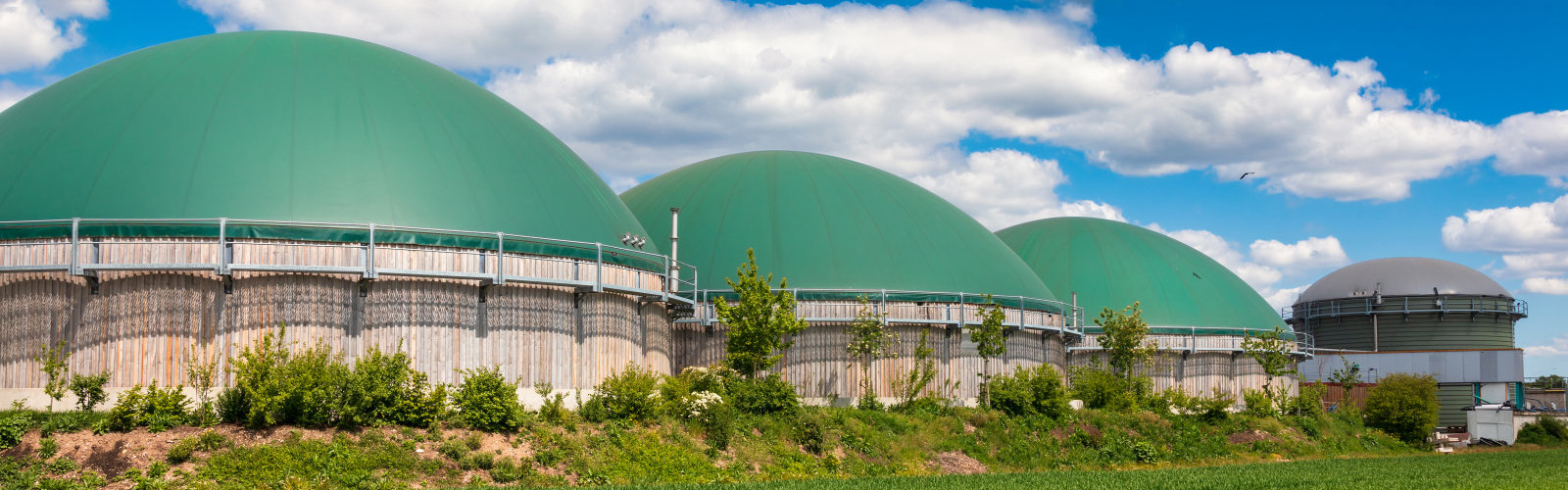
A biogas plant installation is the complete process of setting up an anaerobic digestion system. This system breaks down organic material like manure, food waste, or crop residues in an oxygen-free tank.
The process produces biogas, primarily methane, and digestate, a nutrient-rich fertilizer. The installation encompasses site work, constructing the digester tank, integrating gas handling systems, and connecting to energy use points.
A successful biogas plant installation creates a closed-loop system. Waste becomes a resource. This reduces environmental impact and can generate significant savings or income.
The 7-Step Biogas Plant Installation Process
Every project is unique. However, most professional biogas plant installations follow a structured sequence. Skipping steps can lead to failure.
Step 1: Feedstock Analysis and Sizing
First, identify what waste you have. Quantity and type (manure, food processing waste, etc.) are critical. This analysis determines the plant size and design. Engineers calculate the daily input volume to specify the digester capacity.
Step 2: Site Assessment and Planning
Not every location is suitable. The installation site needs good access, space for tanks and storage, and proper ground conditions. It must also comply with local zoning and distance regulations. A detailed site plan is the foundation of the project.
Step 3: Technology and Design Selection
This is a core decision. Common designs include fixed-dome, floating-drum, and plug-flow digesters. For larger, commercial biogas plant installations, continuously stirred tank reactors (CSTRs) are standard. The design must match your feedstock and climate.
Step 4: Permitting and Regulatory Compliance
You will need permits. These can cover construction, environmental impact, gas safety, and grid connection (if selling electricity). Engaging with authorities early in the biogas plant installation process prevents costly delays later.
Step 5: Civil Works and Digester Construction
This is the physical build phase. It involves excavation, concrete work for the digester tank, and constructing ancillary structures. Quality here is non-negotiable. A leaky digester compromises the entire biogas plant installation.
Step 6: Mechanical and Electrical Installation
The digester is fitted with mixers, pumps, and heating systems. The biogas line gets condensate traps, desulfurization units, and gas storage (a bag or tank). Finally, the engine-generator set (CHP unit) or gas upgrading system is installed and wired.
Step 7: Commissioning and Training
The system is filled with water and then feedstock. Microbes are introduced. Experts monitor the start-up for weeks, adjusting parameters. Crucially, operators are trained in daily monitoring, safety protocols, and basic maintenance.
Cost Factors in Biogas Plant Installation
Costs vary massively. A small farm-scale system costs tens of thousands of dollars. An industrial biogas plant installation runs into millions.
Key cost drivers are plant size, technology complexity, and local labor rates. The digester tank and CHP unit are major expenses. Don’t forget budgeting for design, permitting, and long-term maintenance.
Financial payback comes from avoided waste disposal costs, savings on energy (heat/power), fertilizer value, and potential revenue from selling power or upgraded biomethane.
Choosing a Biogas Plant Installation Service Provider
Selecting the right partner is vital. Look for experienced engineering, procurement, and construction (EPC) firms in the biogas sector.
Review their portfolio of completed biogas plant installations. Ask for client references. A reliable provider offers a clear plan, handles permitting support, and provides long-term operation and maintenance contracts.
They should explain the technology choices without jargon and provide transparent, detailed cost breakdowns. Avoid providers who promise a one-size-fits-all solution.
Technology Focus: From Basic Digesters to Upgrading Plants
The core of any biogas plant installation is the digester. But the end-use technology defines the project.
For on-site power and heat, a combined heat and power (CHP) unit is installed. It burns biogas to generate electricity and captures engine heat.
For a more advanced application, a biogas upgrading system can be part of the installation. This technology scrubs CO2 and impurities from the biogas. The output is renewable natural gas (biomethane), ready for injection into the gas grid or use as vehicle fuel.
Integrating gas upgrading equipment requires additional, sophisticated components like membrane modules or amine scrubbers. It represents the high end of modern biogas plant installation.
FAQs: Your Biogas Plant Installation Questions Answered
Q1: How long does a typical biogas plant installation take from start to finish?
A1: The timeline varies. For a medium-sized agricultural plant, expect 8 to 14 months from initial planning to full operation. This includes design, permitting (which can be lengthy), construction, and the biological start-up phase. Larger, more complex installations with gas upgrading can take 18-24 months.
Q2: Can a biogas plant be installed for a single household?
A2: Yes, small-scale household biogas plant installations are common, especially in Asia. These simple, often fixed-dome systems are designed for a family's kitchen waste and maybe a few animals. They provide gas for cooking. Their installation is relatively quick and inexpensive but requires a steady supply of suitable feedstock.
Q3: What is the most common reason a biogas plant installation fails?
A3: Failure is rarely due to the core technology itself. The most common causes are poor initial feedstock analysis (leading to underproduction), inadequate operator training leading to mismanagement, or chronic mechanical issues from low-quality equipment or construction. Proper planning and professional execution mitigate these risks.
Q4: Is maintenance required after the biogas plant installation is complete?
A4: Absolutely. Daily, weekly, and annual maintenance is essential. This includes checking pumps and mixers, monitoring gas quality and pressure, removing solids, and servicing the CHP engine. Many owners opt for a service contract with their installation provider for technical support and spare parts.
Q5: We have multiple waste sources. Can they be combined in one biogas plant installation?
A5: Yes, this is often encouraged and is called co-digestion. Combining different feedstocks (e.g., manure with food waste) can optimize the biogas yield and process stability. The initial design and feedstock analysis phase is crucial here to ensure the mix is balanced and will not inhibit the anaerobic digestion process.