


News
We'll get back to you as soon as possible.
7 Steps to Master Biogas to Biomethane Conversion for Your Project in 2025
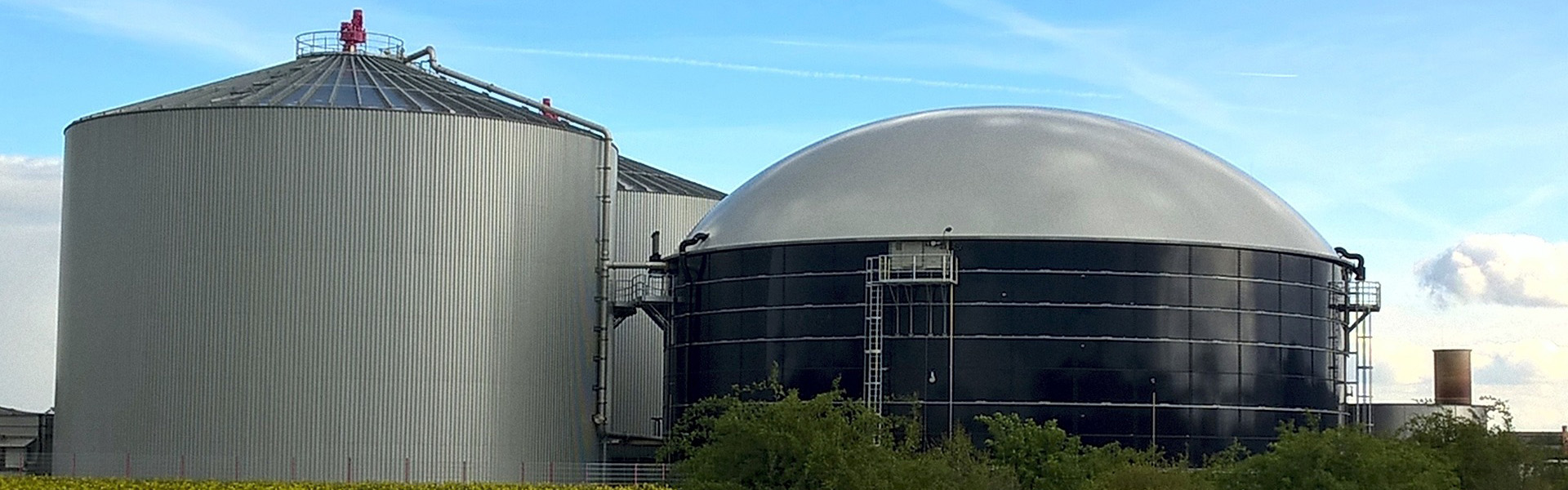
Turning waste into a clean, high-value energy source is no longer just an idea. It's a practical, profitable reality for farms, factories, and waste facilities globally. The core process enabling this shift is biogas to biomethane conversion.
This isn't a minor upgrade. It's a transformation. Biogas to biomethane conversion takes raw, locally used gas and refines it into a powerful renewable commodity. This biomethane can replace fossil natural gas in every application.
The global demand for renewable natural gas (RNG) is surging. Understanding this conversion process is the first step to capturing this opportunity. Let's break down what it involves, the technologies available, and how to approach it for your operation.
What is Biogas to Biomethane Conversion? Understanding the Core Process
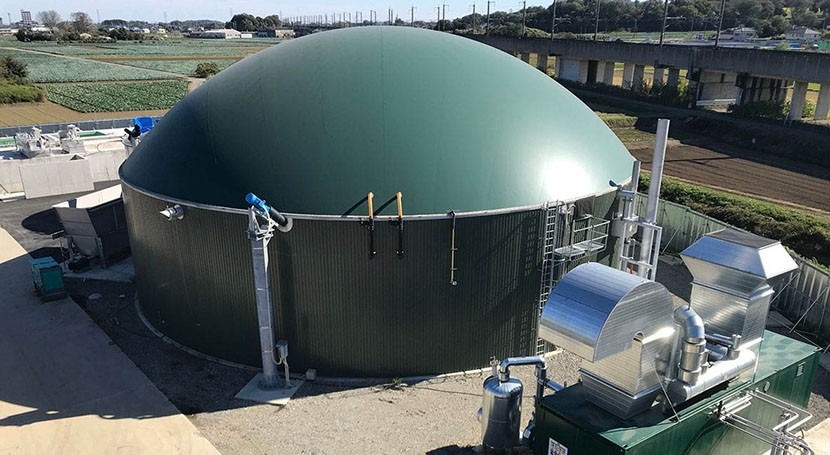
Raw biogas from an anaerobic digester is a mixture. It's typically 50-65% methane (CH4), 35-50% carbon dioxide (CO2), and trace amounts of water vapor, hydrogen sulfide, and other gases. This composition limits its use.
Biogas to biomethane conversion, often called upgrading, strips away everything but the methane. The goal is a gas stream with 95% to over 99% methane content. This product is called biomethane or RNG.
This refined fuel is chemically identical to fossil natural gas. It can be used in all the same ways, but with a net-zero or even negative carbon footprint. The conversion process is what unlocks this potential.
Key Technologies Driving the Conversion Market
Several mature technologies dominate the international biogas upgrading plant manufacturing sector. The right choice depends on your scale, budget, and purity requirements.
1. Membrane Separation:
This is a popular and efficient method. High-pressure gas is passed through special polymer membranes. CO2 and other gases permeate the membrane walls faster than methane. Multiple stages ensure high purity and low methane loss. It's known for its compact footprint and reliable operation.
2. Water Scrubbing (Physical Absorption):
Here, biogas is compressed and fed into a column where water flows downward. CO2 is more soluble in water than methane, so it dissolves. The water is then regenerated by releasing pressure. It's a robust, well-understood conversion technology.
3. Pressure Swing Adsorption (PSA):
PSA systems use vessels filled with a material like activated carbon or zeolite. Under pressure, this material adsorbs CO2 and other gases, allowing methane to pass through. The vessels then cycle to release the captured gases. It's excellent for achieving very high purity.
4. Chemical Scrubbing (Amine Wash):
This method uses a tailored amine solution that chemically binds with CO2 in the gas stream. The rich amine is then heated to release the captured CO2 and regenerated. It's highly effective, especially for biogas streams with very high CO2 concentrations or requiring stringent purity for grid injection.
Each technology has its trade-offs in capital cost, operational expense, energy use, and methane recovery rate. A detailed feasibility study is essential.
Primary Applications: What Can You Do with Biomethane?
Once the biogas to biomethane conversion is complete, new revenue streams open up. The application dictates the required purity level and any additional processing.
Grid Injection:
This is a major driver. Upgraded biomethane meeting local utility standards can be injected directly into the natural gas grid. It displaces fossil gas, heating homes and powering businesses with renewable energy. Long-term offtake agreements provide stable income.
Vehicle Fuel (Bio-CNG/Bio-LNG):
Compressed or liquefied biomethane is a superior drop-in fuel for natural gas vehicles. Fleets like buses, garbage trucks, and long-haul transport are rapidly adopting it. The conversion process here often includes additional compression or liquefaction steps after upgrading.
Industrial & Commercial Use:
Factories can use biomethane directly in their boilers, kilns, or combined heat and power (CHP) units. This provides energy security, reduces carbon taxes, and improves sustainability credentials.
Remote Power Generation:
In areas without gas grid access, high-purity biomethane can run generators more efficiently and cleanly than raw biogas, maximizing electricity output.
A Realistic Look at Costs and Investment
"How much does a biogas to biomethane conversion plant cost?" There's no single answer. Think of it as an investment with a clear return profile, not just an expense.
Costs are influenced by:
Plant Capacity: A system for 100 Nm³/h of raw biogas costs significantly less than one for 2,000 Nm³/h.
Chosen Technology: Membrane systems might have different cost structures (CAPEX vs. OPEX) than amine scrubbers.
Site Conditions: Does the digester gas need extensive pre-cleaning? Is grid connection or a CNG compressor needed?
Automation Level: A fully automated, remote-monitored skid-mounted unit costs more than a basic manual setup.
Focus on the Total Cost of Ownership and your payback period. Revenue from selling RNG, savings on waste disposal and fossil fuels, and carbon credit income all contribute. A well-planned project often sees a return on investment within 4 to 8 years.
Navigating Commercial Services and Implementation
Partnering with an experienced biogas upgrading equipment manufacturer is critical. This is not an off-the-shelf purchase. It's a project.
Project Development Support: Reputable firms help with initial feedstock analysis, gas composition testing, and conceptual design. They model your potential output and revenue.
Engineering, Procurement, and Construction (EPC): Many suppliers offer turnkey EPC services. They handle the detailed design, equipment sourcing, civil works, installation, and system integration.
Commissioning & Performance Testing: They ensure the plant is started up correctly and meets all guaranteed performance specs for purity, yield, and efficiency.
Long-Term Service & Maintenance: A reliable service agreement ensures maximum uptime, provides spare parts, and offers technical support for the plant's lifetime, often 15+ years.
Making the Right Choice: A Selection Checklist
Before you commit, work through this list:
Feedstock Analysis: Know your gas volume, consistency, and exact composition (CH4, CO2, H2S levels).
Define Your End Product: Is it grid gas, vehicle fuel, or on-site power? Purity standards differ.
Evaluate Technologies: Get proposals from suppliers specializing in different conversion technologies. Compare their specific energy consumption and methane slip guarantees.
Understand Full Costs: Get detailed quotes covering equipment, installation, commissioning, and estimated annual operating costs.
Check References: Visit existing installations by the manufacturer. Talk to the operators about performance and support.
Review Legal & Incentive Framework: Understand grid connection rules, RNG certification schemes (like ISCC EU, Green Gas Certificates), and any government grants or tariffs available.
Frequently Asked Questions (FAQ)
Q1: What's the main difference between using raw biogas and upgraded biomethane?
A1: Raw biogas is usually burned on-site for heat or basic electricity generation. The biogas to biomethane conversion process refines it into a pure, pipeline-quality gas. This biomethane can be sold into higher-value markets like the national gas grid or used as low-carbon transport fuel, dramatically improving project economics.
Q2: How much energy does the upgrading process itself consume?
A2: It varies by technology, typically between 0.2 and 0.35 kWh of energy per cubic meter of raw biogas processed. Modern, well-designed systems aim to minimize this "parasitic load." Often, a portion of the raw biogas or a fraction of the produced biomethane is used to power the upgrading plant itself.
Q3: We have a small farm digester. Is biogas upgrading feasible for us?
A3: Scale matters. While the technology works at smaller scales, the investment per unit of gas can be high. For small farms, collective projects—where gas from several digesters is piped to a central upgrading unit—are becoming a popular solution to achieve viable economies of scale.
Q4: What happens to the CO2 that is removed during conversion?
A4: Traditionally, it was simply vented (though it's biogenic CO2, not adding new carbon to the atmosphere). Now, this captured CO2 is increasingly seen as a co-product. It can be purified and sold for use in greenhouses, food and beverage industries, or even combined with green hydrogen to produce e-fuels.
Q5: How long does it take to build and commission a biogas upgrading plant?
A5: From placing an order to full commercial operation, a typical timeline is 12 to 18 months. This includes detailed engineering, manufacturing, site construction, installation, and a thorough commissioning phase. Skid-mounted, pre-assembled units can shorten on-site installation time significantly.