


News
We'll get back to you as soon as possible.
5 Ways to Turn Biogas to Hydrogen: A Look at Technology, Costs & Future Fuel
The energy landscape is shifting, and hydrogen is taking center stage. But not all hydrogen is created equal. For those already in the biogas sector or looking at organic waste streams, a compelling question arises: what’s next after RNG?
The answer lies in a process gaining serious traction: biogas to hydrogen production. This pathway transforms biogas into clean, renewable hydrogen, opening new markets and potential revenue streams.
This isn't just a lab experiment. It's a practical next step for biogas plant operators and project developers.
What is Biogas to Hydrogen Conversion?
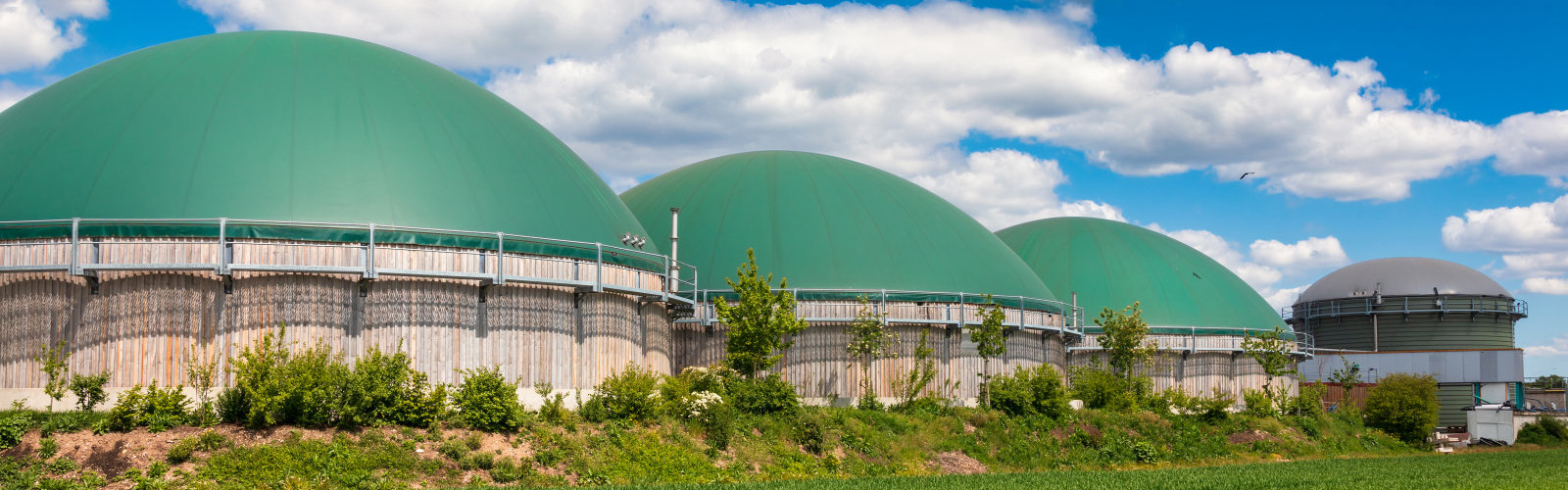
At its core, biogas to hydrogen conversion is a two-stage process. First, organic matter undergoes anaerobic digestion to produce raw biogas. This biogas, primarily methane (CH₄) and carbon dioxide (CO₂), is then used as a feedstock to make hydrogen.
The critical second step involves breaking down the methane. The most common and developed method is biogas reforming, often coupled with carbon capture.
This approach turns a carbon-neutral fuel (RNG) into a potential carbon-negative energy carrier, especially when the CO₂ is sequestered.
Core Technologies for Hydrogen Production from Biogas
Several technological routes can achieve hydrogen production from biogas. The choice depends on scale, purity requirements, and integration with existing infrastructure.
Steam Methane Reforming (SMR): This is the workhorse of industrial hydrogen production, now adapted for biogas. In Biogas SMR, the methane reacts with steam at high temperatures over a catalyst to produce hydrogen and CO₂. It's a proven, efficient technology. The key for a biogas to hydrogen project is robust cleaning of the biogas first.
Autothermal Reforming (ATR): This method combines SMR with partial oxidation. It uses oxygen and steam in a single reactor, offering a different balance of heat management and syngas composition. It can be advantageous for larger-scale, integrated projects.
Methane Pyrolysis: An emerging technology with significant promise. It thermally decomposes methane into solid carbon and hydrogen gas, avoiding CO₂ emissions entirely. The solid carbon byproduct can be a valuable material, improving project economics.
Integration with Carbon Capture (CCS): For biogas reforming to produce truly low-carbon hydrogen, attaching a carbon capture unit is essential. This captures the CO₂ produced during the reforming process, resulting in hydrogen with a very low, or even negative, carbon intensity.
Applications & Market Drivers for Renewable Hydrogen
The hydrogen produced via biogas to hydrogen pathways is renewable and often classified as "green" or "clean" hydrogen, especially with CCS. Its applications are in high-growth sectors.
Industrial Decarbonization: Hydrogen is a crucial feedstock for chemicals and fertilizer production. Replacing fossil-based hydrogen with renewable hydrogen from biogas directly cuts industrial emissions.
Heavy Transport Fuel: Hydrogen fuel cells are a leading solution for decarbonizing long-haul trucking, buses, and maritime shipping. Biogas-derived hydrogen can supply this growing market.
Power Generation & Grid Stability: Hydrogen can be used in turbines or fuel cells to generate clean, dispatchable electricity, complementing intermittent renewables like wind and solar.
Blending into Gas Grids: Hydrogen can be blended in limited percentages into existing natural gas pipelines, gradually decarbonizing the gas distribution network.
The market is driven by tightening climate policies, corporate net-zero commitments, and emerging financial incentives for low-carbon hydrogen production.
Project Economics & Cost Considerations
Evaluating a biogas to hydrogen project requires a clear view of the economics. Costs are generally higher than traditional RNG projects, but so can be the value of the output.
Capital Expenditure (CAPEX): The major costs include the biogas upgrading equipment (for cleaning), the hydrogen production plant (reformer), and any carbon capture and storage infrastructure. Costs scale significantly with plant size.
Operating Expenditure (OPEX): Key factors are the cost and availability of feedstock (biogas), catalyst consumption, energy for the reforming process, and maintenance. Reliable, automated control systems are crucial for managing OPEX.
Revenue Streams: Revenue potential is multi-faceted:
Sale of renewable hydrogen under long-term offtake agreements.
Sale of captured CO₂ for utilization or storage credits.
Value from environmental credits (e.g., RINs in the US for renewable fuel pathways, carbon credits).
Potential value of solid carbon from pyrolysis processes.
Government subsidies, tax credits, and carbon pricing mechanisms are pivotal in making early biogas to hydrogen projects financially viable.
The Role of Integrated Technology & Service Providers
Building a biogas to hydrogen facility is complex. It demands deep expertise in both biogas processing and hydrogen synthesis. Partnering with the right firm is critical.
Look for biogas upgrading equipment manufacturers and engineering firms that have moved beyond RNG. The leaders now offer integrated solutions or strategic partnerships that cover the full chain: biogas cleaning, reforming, hydrogen purification, and carbon management.
Comprehensive services should include techno-economic feasibility studies, front-end engineering design (FEED), EPC capabilities, and lifecycle support. They understand the precise gas specifications required for efficient biogas reforming.
The Future of Biogas in the Hydrogen Economy
The biogas to hydrogen pathway positions biogas as a key enabler of the hydrogen economy. It leverages existing waste infrastructure to produce a future-proof fuel.
We will see more standardized, modular hydrogen production units designed to integrate with existing digesters. Efficiency improvements in catalysts and reactor design will lower costs. Furthermore, the development of robust carbon capture and utilization networks will enhance the environmental and economic profile of these projects.
For asset owners, this represents strategic diversification. It future-proofs biogas investments against shifting energy markets and creates access to premium-priced clean energy markets.
Biogas to Hydrogen: Frequently Asked Questions (FAQ)Q1: Is hydrogen from biogas considered "green hydrogen"?
A1: It depends on the process. If the biogas to hydrogen conversion uses reforming with effective carbon capture and storage (CCS), the resulting hydrogen has near-zero lifecycle emissions and is widely considered green. Methane pyrolysis, which produces solid carbon instead of CO₂, also yields a very clean hydrogen product.
Q2: How does the efficiency of biogas to hydrogen compare to producing RNG?
A2: There is an energy penalty. Converting biogas to hydrogen involves a chemical reforming process that consumes a portion of the energy content. While some energy is lost, the output (hydrogen) is a more versatile and often higher-value energy carrier for hard-to-electrify sectors like heavy industry and transport.
Q3: Can an existing RNG plant be retrofitted for hydrogen production?
A3: Potentially, yes. The existing anaerobic digester and biogas cleaning system (biogas upgrading equipment) provide an excellent foundation. The retrofit involves integrating a hydrogen production plant (e.g., a reformer) downstream of the cleaning step. A feasibility study by a specialized engineer is essential to assess integration specifics and economics.
Q4: What is the main technical challenge in biogas reforming?
A4: Feedstock consistency and impurities. The reforming catalyst is sensitive to contaminants like sulfur compounds and siloxanes that might slip through the biogas upgrading process. Ensuring extremely clean and consistent biogas is the paramount technical challenge for reliable and efficient hydrogen production from biogas.
Q5: Who are the likely buyers of hydrogen from biogas projects?
A5: Early buyers include industrial users (e.g., ammonia/fertilizer producers, refineries), heavy transport fleet operators (via fueling stations), and energy companies looking to blend hydrogen into gas grids or use it for clean power generation. Long-term offtake agreements with these entities are often key to securing project financing.