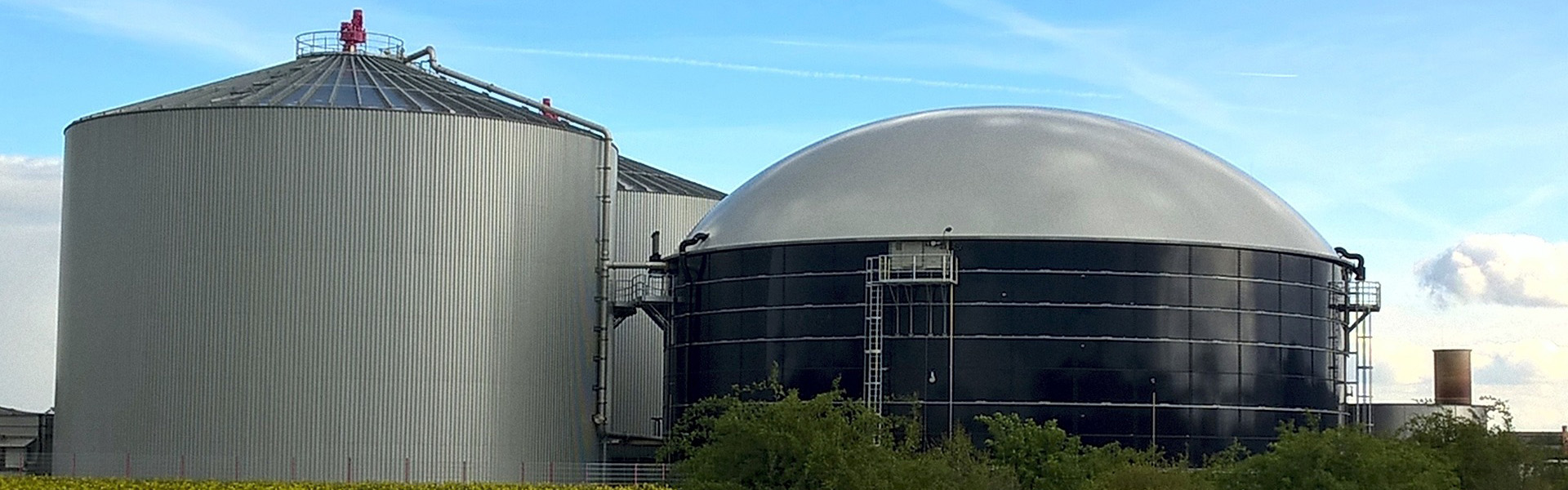
The global push for decarbonization has turned a specialized term into a major energy player: RNG biogas. If you’re involved in agriculture, waste management, or energy production, understanding this fuel is no longer optional. It’s a critical component of the circular economy and a tangible path to significant revenue and sustainability goals.
Let’s break down what you need to know.
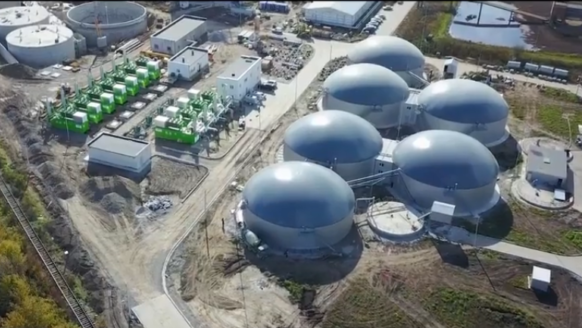
What Exactly is RNG Biogas?
First, clarity is key. Biogas is the raw gas produced when organic matter (manure, food waste, wastewater) decomposes anaerobically. It’s primarily methane (CH4) and carbon dioxide (CO2), with trace impurities.
RNG (Renewable Natural Gas) is the refined product. It is biogas that has been processed, or “upgraded,” to remove CO2 and other contaminants. The result is a gas that meets pipeline quality standards, functionally identical to fossil natural gas but carbon-neutral or even carbon-negative.
The core of the RNG biogas industry lies in this upgrading process. It transforms a local fuel into a tradable, high-value commodity.
Core Technologies for Biogas Upgrading
The choice of upgrading technology dictates the efficiency, cost, and scalability of your RNG project. Several proven methods dominate the international market for biogas upgrading equipment.
Water Wash (Pressure Swing Absorption): A widespread, robust technology. It uses high-pressure water to absorb CO2 from the biogas stream. It’s known for high reliability and efficient methane recovery.
Membrane Separation: This method uses semi-permeable membranes to separate CH4 from CO2 based on molecular size. Systems are modular, compact, and require less energy than some alternatives, making them popular for mid-sized projects.
Pressure Swing Adsorption (PSA): Utilizes specialized adsorbent materials (like activated carbon or zeolites) that trap CO2 under pressure. It’s highly effective for producing very high-purity RNG biogas.
Chemical Scrubbing (Amine Wash): Employs a chemical solvent, typically an amine solution, to selectively absorb CO2. This technology excels when dealing with biogas that has a low initial methane concentration.
Commercial Applications & Project Selection Guide
Where is RNG biogas used? The applications are diverse and growing.
Pipeline Injection: The premium market. Upgraded RNG is injected into the natural gas grid, displacing fossil gas for heating, industrial use, or utility power generation.
Vehicle Fuel (Bio-CNG/LNG): Compressed or liquefied RNG is a direct, low-carbon replacement for diesel in heavy-duty trucks, buses, and waste collection vehicles.
Industrial Process Heat: Factories with high thermal energy needs can use RNG directly, decarbonizing their operations.
Utility-Scale Power Generation: RNG can fuel high-efficiency turbines or fuel cells to produce renewable electricity on demand.
Selecting the right system depends on several factors:
Feedstock & Biogas Volume: The consistency, volume, and composition of your raw biogas are the primary drivers for technology choice.
End-Use & Purity Requirements: Pipeline specs (typically >98% CH4) are stricter than those for some vehicle fuel or power applications.
Project Scale: A large landfill project has different economic and technical considerations than a mid-sized dairy farm digester.
Utilities & Site Infrastructure: Availability of water, power, and grid connection points significantly impacts design and cost.
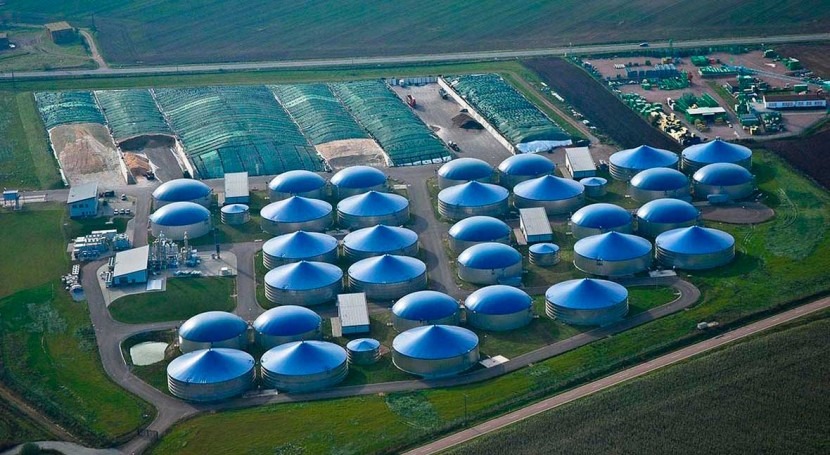
Understanding RNG Biogas Project Economics & Pricing
The financial model for an RNG biogas project is complex but powerful. Costs are front-loaded, while revenue is long-term.
Capital Costs: The biogas upgrading equipment system is a major capital expense, alongside the digester itself, gas conditioning, and interconnection assets. Prices scale with capacity and technology complexity.
Operational Costs: Include maintenance, consumables (like membrane filters or scrubbing chemicals), labor, and energy to run the upgrading plant.
Revenue Streams: This is where RNG shines. Revenue can come from:
Selling RNG under long-term offtake agreements, often at a premium.
Generating and selling environmental credits (e.g., Renewable Fuel Standard RINs in the US, Carbon Credits in Canada/Europe).
Tip fees for accepting waste feedstock.
The payback period varies but can be attractive, often between 4-8 years for well-structured projects, thanks to these stacked revenue streams.
The Role of Professional Commercial Services
Developing an RNG biogas facility is not a DIY endeavor. It requires specialized expertise.
Feasibility & Consulting: Experts assess feedstock, technology options, economics, and regulatory pathways to de-risk the project from day one.
Engineering, Procurement & Construction (EPC): Reputable biogas upgrading equipment manufacturers often provide or partner with firms offering full EPC services, ensuring a single point of accountability.
Operations & Maintenance (O&M): Long-term performance guarantees depend on professional O&M. Many providers offer service contracts to maintain uptime and efficiency.
Regulatory & Credit Management: Navigating environmental regulations and credit markets is a specialized service critical to maximizing project revenue.
The Future of RNG Biogas Technology
Innovation continues to drive the industry forward. The focus is on reducing the capital and operating costs of biogas upgrading equipment while improving efficiency and methane recovery rates.
Trends include more standardized, skid-mounted units for faster deployment, integration of smart digital monitoring for predictive maintenance, and the exploration of biological upgrading methods. The goal is to make RNG biogas viable for ever-smaller and more diverse feedstock sources.
For any organization with organic waste streams, RNG biogas represents a transformative opportunity. It turns a liability into an asset, reduces emissions, and creates a new, durable revenue line. Success hinges on choosing the right technology partners with proven experience in the international biogas upgrading equipment field.
RNG Biogas: Frequently Asked Questions (FAQ)
Q1: What is the main difference between biogas and RNG?
A1: Biogas is the raw, untreated gas from anaerobic digesters, containing about 50-70% methane mixed with CO2 and impurities. RNG (Renewable Natural Gas) is the purified final product, where upgrading removes non-methane components to achieve a purity of over 95% methane, making it suitable for pipeline injection or use as vehicle fuel.
Q2: How long does it take to build an RNG biogas facility?
A2: From initial feasibility to commercial operation, a typical timeline ranges from 2 to 4 years. This period includes permitting, detailed engineering, procurement of major equipment like the biogas upgrading system, construction, and commissioning. Site-specific factors and regulatory approvals heavily influence the schedule.
Q3: Is RNG truly carbon-negative?
A3: It can be. When RNG is produced from waste feedstocks like manure or landfill gas that would otherwise decompose and release methane into the atmosphere, it prevents potent greenhouse gas emissions. When this avoided methane is accounted for, along with the displacement of fossil fuels, the net carbon intensity of the RNG biogas can be negative.
Q4: What are the biggest operational challenges for an RNG plant?
A4: Key challenges include ensuring consistent feedstock quantity and quality, managing the performance and maintenance of the biogas upgrading equipment, and navigating the complex regulatory and credit markets for environmental attributes. Reliable long-term O&M support is crucial for addressing these challenges.
Q5: Can small farms or waste sites afford RNG technology?
A5: Traditionally, economies of scale favored large projects. However, the market is evolving. Modular and containerized biogas upgrading equipment is lowering the cost barrier for smaller-scale projects. Additionally, aggregating feedstock from multiple smaller sites into a central upgrading facility is a growing and viable model to make RNG biogas production accessible.