


News
We'll get back to you as soon as possible.
10 Things They Don't Tell You About Anaerobic Digestion Renewable Energy
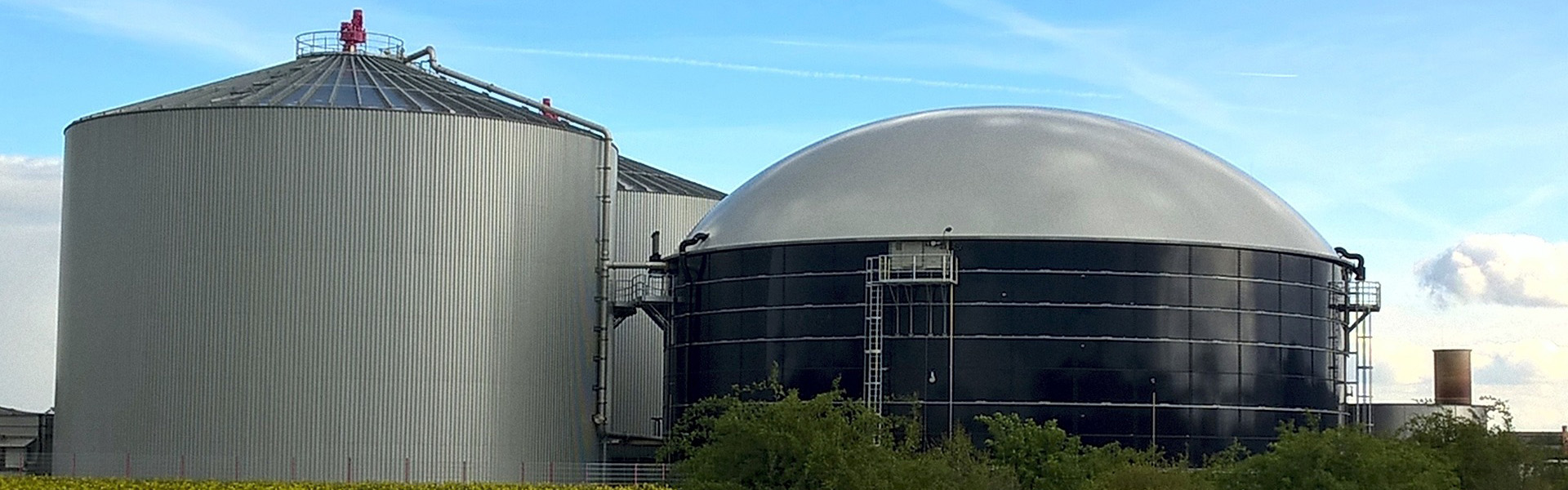
If you're looking into renewable energy, solar and wind get all the headlines. But there's a workhorse technology operating quietly on farms, at water treatment plants, and in industrial parks worldwide.
It's anaerobic digestion renewable energy. This process doesn't just generate power; it solves waste problems and creates circular economies.
The industry is growing fast, but the details matter. Here are ten critical insights about anaerobic digestion that go beyond the basic brochure.
1. It's More Than Just Electricity
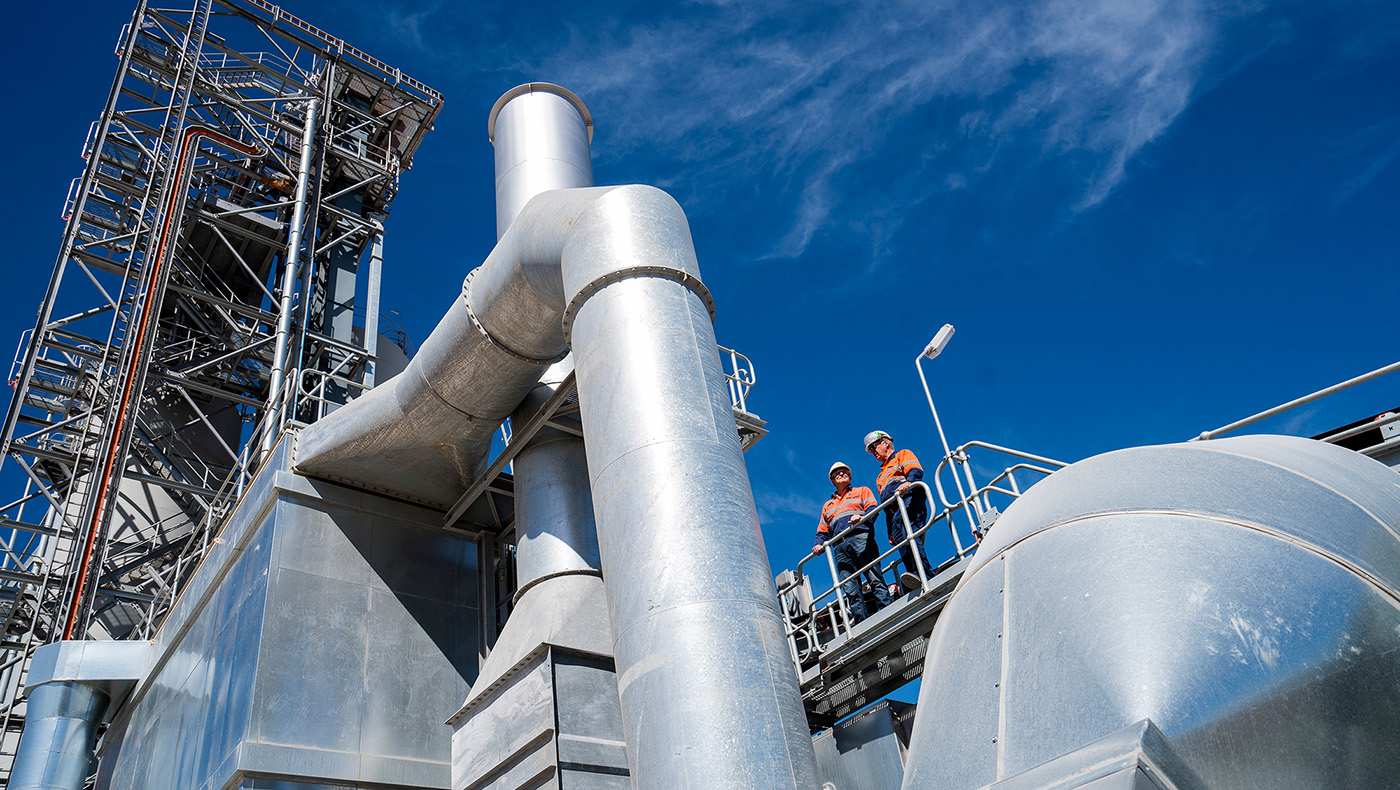
When people hear anaerobic digestion renewable energy, they think of biogas engines making electricity. That's only part of the story.
The real value is multifaceted. The process produces a constant, baseload energy source, unlike intermittent solar or wind.
More importantly, the solid and liquid output, called digestate, is a valuable biofertilizer. This closes the nutrient loop, reducing reliance on chemical fertilizers.
The core renewable energy can also be upgraded to biomethane for vehicle fuel or injection into the gas grid. This versatility is a key strength.
2. Feedstock is Everything
The success of any anaerobic digestion project hinges on what you feed it. Not all organic materials are created equal.
Common feedstocks include agricultural waste (manure, crop residues), food processing waste, and purpose-grown energy crops like maize.
The mix determines gas yield, digester stability, and even the quality of the digestate. A consistent, well-balanced feedstock recipe is crucial.
Securing a long-term, reliable, and affordable feedstock supply is the first major hurdle for any project developer.
3. The Technology is Mature, But Evolving
Core anaerobic digestion technology is well-established. Organic matter goes into a sealed tank (a digester), microbes break it down, and biogas is captured.
However, innovation is constant. New digester designs improve efficiency and handle tougher waste streams.
Pre-treatment technologies, like hydrolysis, are becoming more common. They break down complex materials faster, boosting biogas production significantly.
Monitoring and control systems have also gotten smarter, using sensors and AI to optimize the biological process in real time.
4. Upgrading to Biomethane is a Game Changer
Raw biogas from the digester is about 60% methane and 40% CO2. For many, the bigger opportunity lies in upgrading.
Biogas upgrading systems strip out the CO2 and impurities, creating over 95% pure methane, or biomethane.
This biomethane can be used as a direct replacement for fossil natural gas. This is where anaerobic digestion renewable energy meets major decarbonization goals.
It can fuel trucks, power factories, or heat homes through the existing gas grid. The market for this renewable natural gas (RNG) is exploding.
5. The International Equipment Landscape
If you're building a plant, you'll engage with a global market of biogas plant manufacturers and biogas upgrading equipment manufacturers.
European companies, particularly from Germany, Italy, and Scandinavia, have long dominated this sector due to early policy support.
They offer everything from complete turnkey plants to specialized components like digesters, mixers, and gas purification units.
Choosing a supplier isn't just about price. It's about proven technology, local service support, and a track record with your specific feedstock type.
6. The Real Economics: CAPEX vs. OPEX
The financial model for anaerobic digestion renewable energy is capital-intensive upfront. Digester tanks, CHP engines, and upgrading systems require significant investment.
Operational costs, however, can be manageable. They include feedstock, labor, maintenance, and energy for running the plant.
Revenue streams are diverse: selling electricity/heat, selling biomethane/RNG credits, accepting waste tipping fees, and selling digestate.
Government incentives, like feed-in tariffs or renewable heat incentives, have been critical in making projects bankable in many regions.
7. It's a Local Energy Solution
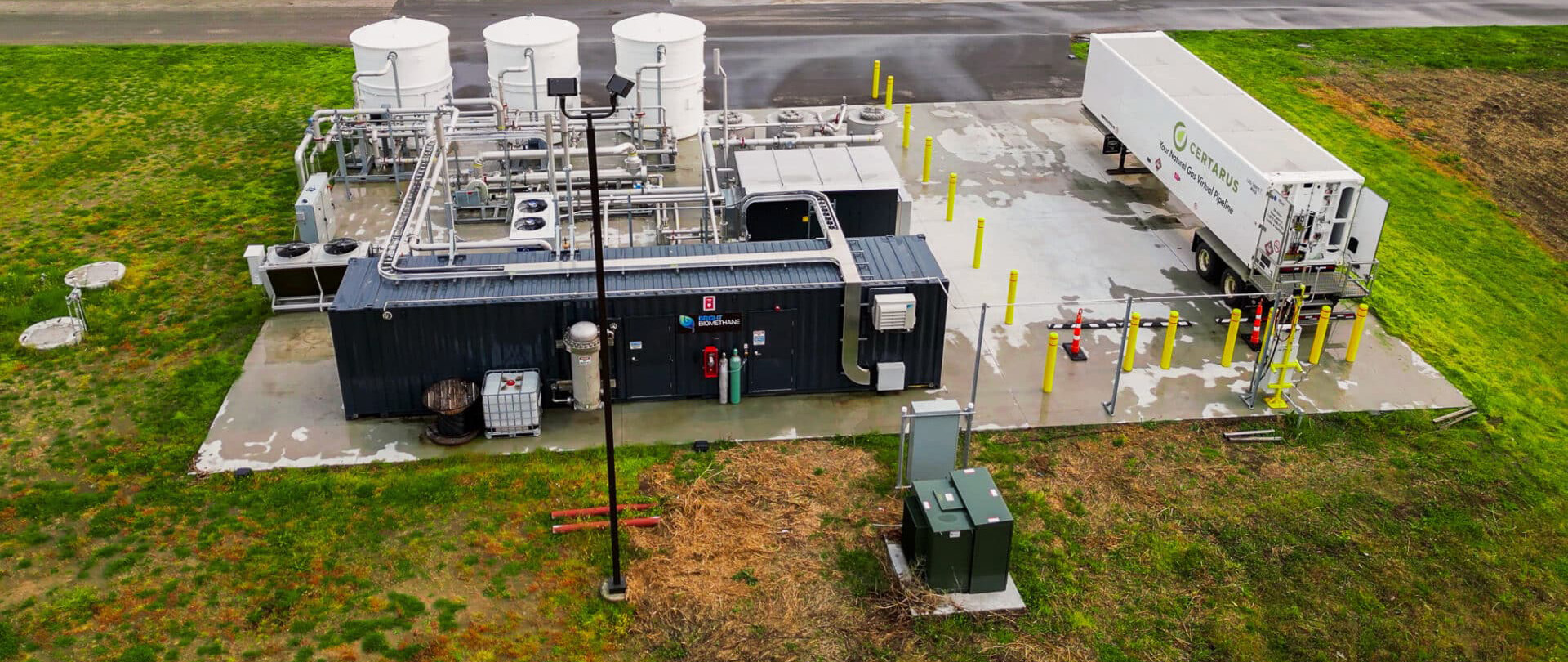
A major advantage of anaerobic digestion is its locality. The energy is produced close to where the waste is generated.
This reduces transportation emissions for waste and provides local, secure renewable energy.
It supports rural economies by creating jobs and providing farmers with a new income stream from waste products.
The biofertilizer produced also stays local, improving soil health on nearby fields.
8. Environmental Benefits Beyond Carbon
Carbon reduction is the flagship benefit. Anaerobic digestion renewable energy captures methane that would otherwise escape from decomposing waste.
But the co-benefits are substantial. It dramatically reduces odors from manure and waste.
It prevents nutrient runoff into waterways by converting volatile nutrients in waste into a more stable form in digestate.
It also contributes to better waste management, diverting organic material from landfills.
9. Not Without Challenges
It's not a perfect technology. Understanding the hurdles is key. Planning and permitting can be lengthy and complex due to concerns about odor, traffic, and local impact.
Digesters require daily, hands-on management. They are biological systems, not simple machines. Upsets can happen.
Connecting to the grid, either electrical or gas, can involve technical and bureaucratic obstacles.
Public acceptance can sometimes be an issue, especially for larger plants near communities.
10. The Future is Integration and Circularity
The future of anaerobic digestion lies in smarter integration. We'll see more plants co-located with industries that produce wet waste.
Integration with carbon capture and storage (CCS) is on the horizon. This would make the process carbon-negative.
There's also a trend towards smaller-scale, containerized digesters for specific waste streams, like food waste from supermarkets.
Ultimately, it will be a cornerstone of the circular bioeconomy, turning waste streams into renewable energy, clean fuel, and sustainable fertilizers.
Frequently Asked Questions (FAQs)
Q1: What's the simplest way to explain how anaerobic digestion creates renewable energy?
A1: Microbes eat organic waste in an oxygen-free tank. As they digest it, they produce a gas mixture called biogas, which is rich in methane. This methane is a potent fuel that can be burned to generate electricity and heat or refined into renewable vehicle fuel.
Q2: Is anaerobic digestion suitable for small-scale use, like a single farm?
A2: Absolutely. While large plants exist, many successful anaerobic digestion renewable energy systems are farm-based. They use livestock manure and farm residues to produce power for the farm itself and sometimes export to the grid. Smaller, prefabricated systems are available.
Q3: How much does a commercial anaerobic digestion plant cost?
A3: Costs vary enormously based on scale and technology. A small farm-based system might start in the hundreds of thousands of dollars. A large, sophisticated plant with biogas upgrading can cost tens of millions. Detailed feasibility studies are essential for accurate costing.
Q4: What is "digestate" and is it safe to use?
A4: Digestate is the nutrient-rich material left after anaerobic digestion. It's an excellent biofertilizer, as the process stabilizes the nutrients and kills many pathogens and weed seeds. It must be stored and applied according to agricultural regulations, but it's a valuable product of the process.
Q5: How does renewable natural gas (RNG) from anaerobic digestion differ from fossil natural gas?
A5: Chemically, they are identical—both are primarily methane. The difference is the source. RNG is produced from decaying organic matter, making it a renewable, circular carbon fuel. When used, it re-releases carbon that was recently in the atmosphere, unlike fossil gas that adds ancient, stored carbon.