


News
We'll get back to you as soon as possible.
Biogas from Sugarcane: Turning Mill Waste into Profit with Modern Upgrading Tech
Sugar mills today face a dual challenge. You need to manage massive volumes of waste, specifically vinasse and filter cake, while battling rising energy costs. The solution for modern plants is no longer just incineration; it is generating biogas from sugarcane by-products.
For ethanol and sugar producers, the transition to anaerobic digestion is becoming a standard operational requirement. It turns an environmental liability into a revenue stream. This article covers the technical realities, equipment choices, and commercial viability of producing biogas from sugarcane.
The Hidden Energy in Vinasse and Bagasse
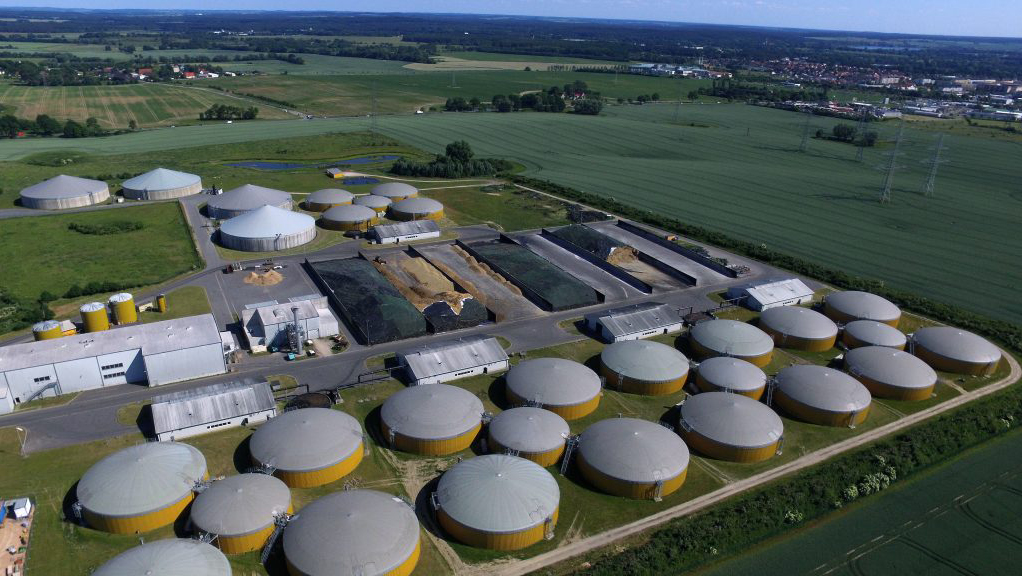
The primary feedstock for generating biogas from sugarcane is not the cane itself, but the residues. Vinasse (or vinhoto) is the liquid residue left after ethanol distillation. It is rich in organic matter but highly polluting if dumped into waterways.
When you process biogas from sugarcane vinasse using anaerobic reactors, you reduce the chemical oxygen demand (COD) of the waste by over 70%. This makes the remaining water easier to treat or use as fertilizer (fertigation).
Bagasse is traditionally burned in boilers. However, excess bagasse can also be pre-treated and fed into digesters. Combining these streams increases the total yield of biogas from sugarcane operations, providing a steady flow of methane throughout the harvest season.
How the Process Works
Producing biogas from sugarcane begins in the Continuous Stirred-Tank Reactor (CSTR) or Upflow Anaerobic Sludge Blanket (UASB) reactors. Here, bacteria break down the organic load in the vinasse.
The raw gas produced is roughly 50-60% methane, with the rest being CO2 and hydrogen sulfide (H2S). This raw biogas from sugarcane is corrosive and wet. It cannot be used in high-end engines or injected into the grid without treatment.
This is where the industry separates basic digestion from advanced energy production. To maximize profit, the biogas from sugarcane must undergo purification. This process transforms it into Renewable Natural Gas (RNG) or Biomethane.
Biogas Upgrading Technologies
For equipment manufacturers and mill owners, the upgrading stage is critical. You cannot sell biogas from sugarcane directly to the grid; you must sell biomethane. There are three primary technologies used to upgrade biogas from sugarcane:
1. Pressure Swing Adsorption (PSA)
PSA units are popular in the biogas from sugarcane sector due to their reliability. They use adsorbent materials to trap CO2 under high pressure while letting methane pass through. PSA is cost-effective for medium-to-large sugar mills producing biogas from sugarcane.
2. Membrane Separation
Membrane technology uses permeable fibers to separate gases. It is highly efficient and compact. For mills with limited space, membrane systems for biogas from sugarcane offer a "plug-and-play" solution, often delivered in skid-mounted containers.
3. Chemical Scrubbing
This method uses amine solutions to absorb CO2. It provides very high methane purity (99%+). If your biogas from sugarcane project aims for high-spec industrial gas grids, chemical scrubbing is often the preferred choice, despite higher operational costs.
Commercial Applications and ROI
Why invest in biogas from sugarcane? The Return on Investment (ROI) comes from three distinct channels.
First is electricity generation. Using Combined Heat and Power (CHP) units, biogas from sugarcane runs engines to power the mill. This cuts external electricity purchases to zero and allows the mill to sell excess power to the local grid.
Second is biomethane (RNG) production. Upgraded biogas from sugarcane replaces diesel in mill trucks and harvesters. A large mill can run its entire logistics fleet on its own waste. The savings on diesel fuel often pay for the biogas from sugarcane equipment within 3 to 5 years.
Third is the bio-fertilizer value. The digestate left over after extracting biogas from sugarcane is a more stable, nutrient-rich fertilizer than raw vinasse. It penetrates the soil better and has less odor, improving crop yields.
Selecting the Right Equipment Partner
Choosing a manufacturer for your biogas from sugarcane project is not simple. The market is flooded with generic biogas options, but sugarcane waste is unique. It has high sulfur content and high temperatures.
Look for equipment providers who specialize in high-sulfur inputs. The desulfurization unit is the most vulnerable part of a biogas from sugarcane plant. If the manufacturer does not offer robust biological or chemical desulfurization specifically designed for biogas from sugarcane, the equipment will corrode quickly.
Additionally, check for skid-mounted upgrading systems. These modular units allow you to scale up. You might start processing 50% of your vinasse into biogas from sugarcane and expand later. Modular systems make this expansion cheaper.
Cost Breakdown for Sugar Mills
The capital expenditure (CAPEX) for a biogas from sugarcane plant varies based on volume. A typical project processing vinasse from a mid-sized mill may range from $2 million to $5 million USD, including the upgrading system.
Operational expenditure (OPEX) is generally low. The feedstock is free (it is your own waste). The main costs are maintenance of the CHP engines and replacing the media in the upgrading system. However, the revenue generated from biogas from sugarcane sales usually covers OPEX by a wide margin.
Financial institutions now view biogas from sugarcane projects as low-risk. Green energy financing and carbon credits (such as CBIOs in Brazil or RINs in the US) significantly improve the financial outlook.
Challenges in Production
Producing biogas from sugarcane is not without headaches. One major issue is the seasonality of the harvest. Sugar mills do not operate year-round.
To maintain continuous biogas from sugarcane production, mills must use storage lagoons or supplement the digesters with filter cake or straw during the off-season.
Another challenge is struvite formation. The minerals in vinasse can crystallize and block pipes. Advanced biogas from sugarcane systems include struvite precipitation tanks to prevent this, turning the crystals into a valuable solid fertilizer by-product.
Technical Services and Maintenance
When buying equipment for biogas from sugarcane, the service contract is as important as the hardware. Anaerobic bacteria are living organisms. If the pH balance in the reactor shifts, production of biogas from sugarcane stops.
Top-tier manufacturers provide remote monitoring services. They track the gas flow and composition of your biogas from sugarcane plant 24/7. This allows them to adjust parameters remotely, ensuring maximum uptime.
Do not overlook the supply chain for spare parts. Compressors and membranes have specific lifespans. A local service presence is vital to keep your biogas from sugarcane facility running during the critical harvest months.
Environmental Impact and Carbon Credits
The global push for decarbonization makes biogas from sugarcane a strategic asset. Methane is a potent greenhouse gas. Capturing it prevents it from entering the atmosphere.
By converting waste into biogas from sugarcane, mills generate carbon credits. In markets like Europe and California, the carbon intensity (CI) score of biomethane from waste is extremely low. This makes biogas from sugarcane more valuable than solar or wind energy in certain carbon trading schemes.
Corporations looking to offset their carbon footprint are willing to pay a premium for guarantees of origin associated with biogas from sugarcane.
Comparing Biogas to Direct Incineration
Many mills still burn bagasse for power. While effective, it is inefficient compared to digestion. Converting organic matter into biogas from sugarcane captures more energy per ton of feedstock than direct combustion.
Furthermore, burning does not solve the liquid vinasse problem. Only anaerobic digestion handles the liquid waste. Therefore, a hybrid model is best: burn the minimal bagasse needed for heat, and use the rest plus vinasse for biogas from sugarcane production.
This hybrid approach maximizes energy output per hectare of cane. It positions the sugar mill as a modern energy biorefinery, where biogas from sugarcane is a core product, not just a byproduct.
Future Trends in Sugarcane Biogas
The technology is evolving. New pre-treatment methods are increasing the yield of biogas from sugarcane from straw and hard-to-digest fibers. Thermal hydrolysis is one such technology gaining traction.
We are also seeing the integration of hydrogen production. Steam methane reforming can turn biogas from sugarcane into green hydrogen. As the hydrogen economy grows, sugar mills could become the fueling stations of the future.
However, for the next decade, the focus will remain on biomethane. The demand for renewable natural gas in transport is skyrocketing. Biogas from sugarcane is perfectly positioned to meet this demand because the infrastructure (the mills) already exists.
The Bottom Line
Investing in biogas from sugarcane is a financial and operational necessity for modern mills. It solves waste disposal issues, reduces fuel costs, and opens new revenue streams through energy sales and carbon credits.
The technology for upgrading biogas from sugarcane is mature and reliable. With the right equipment partner and a focus on efficient desulfurization and membrane separation, mills can achieve a rapid ROI. The era of wasting vinasse is over; the era of biogas from sugarcane is here.
FAQ: Common Questions About Biogas from Sugarcane
Q1: How much biogas can be produced from one ton of sugarcane?
A1: The yield varies based on the efficiency of the mill and the mix of substrates (vinasse plus filter cake). On average, processing the by-products from one ton of sugarcane can generate approximately 10 to 12 cubic meters of biogas from sugarcane, which equates to roughly 25-30 kWh of electricity or equivalent biomethane.
Q2: Can existing sugar mills be retrofitted for biogas production?
A2: Yes, retrofitting is the most common approach. The anaerobic digesters are built adjacent to the distillation columns. The piping is integrated so that vinasse flows directly into the biogas from sugarcane system. The upgraded gas is then piped back to the boilers or to a fueling station.
Q3: What is the difference between raw biogas and biomethane?
A3: Raw biogas from sugarcane contains about 55% methane and impurities like CO2 and H2S. It is suitable for basic heating. Biomethane is biogas from sugarcane that has been upgraded to remove impurities, resulting in 96-99% methane. Biomethane is chemically identical to natural gas and can be used in vehicles.
Q4: Is the digestate safe to use on sugarcane fields?
A4: Yes, it is safer and better than raw vinasse. The process of generating biogas from sugarcane stabilizes the organic matter and neutralizes the pH. This results in a bio-fertilizer that is less acidic and richer in available nutrients, improving soil health without the risk of groundwater contamination.
Q5: What is the typical payback period for a biogas upgrading plant?
A5: For a medium-to-large sugar mill, the payback period for a biogas from sugarcane facility is typically between 3 to 5 years. This depends on local electricity rates, diesel prices (if replacing fleet fuel), and the value of carbon credits in your specific region.