


News
We'll get back to you as soon as possible.
5 Key Components of a Modern Biogas Treatment Plant: Technology, Costs & Supplier Insights
A biogas treatment plant is the essential link between raw, impure gas from a digester and a valuable, market-ready energy product. For project developers, farmers, and investors, understanding this system is critical for success.
This article breaks down the technology, costs, and choices involved in building an effective biogas upgrading system.
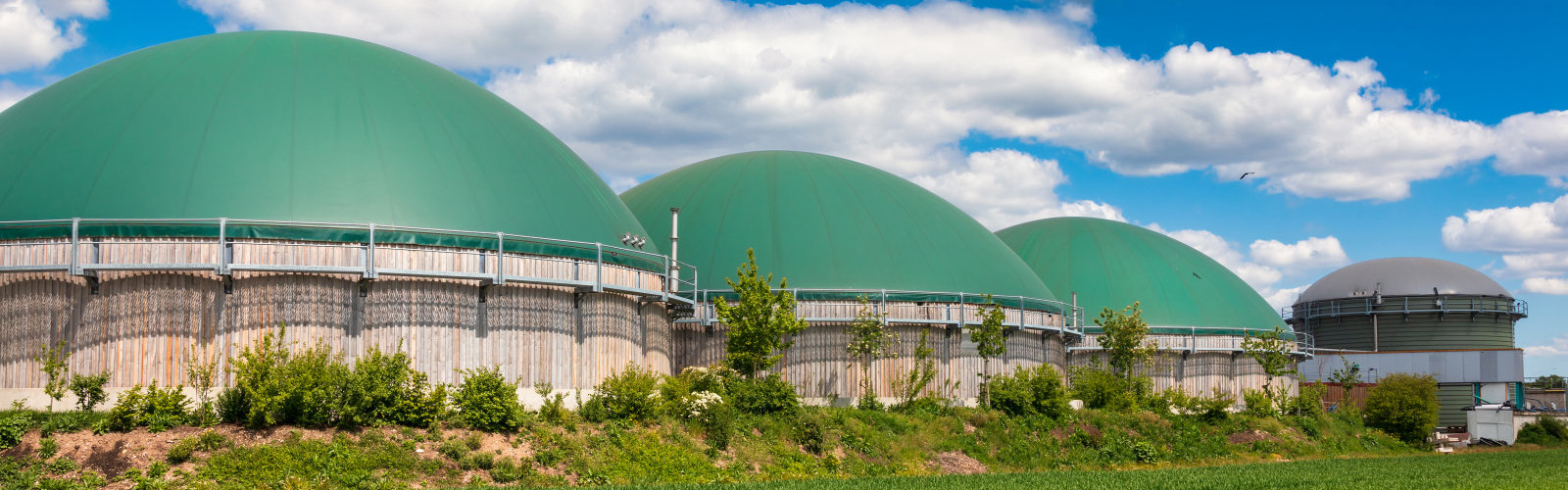
What is a Biogas Treatment Plant?
Simply put, a biogas treatment plant cleans and refines raw biogas. Raw biogas from anaerobic digesters is roughly 50-65% methane (CH₄), with the rest being CO₂, water vapor, hydrogen sulfide (H₂S), and other trace elements.
A treatment facility removes these impurities. The core goal is to produce either clean biogas for engines or, more commonly, pipeline-quality biomethane (over 95% CH₄).
This process is also referred to as biogas conditioning or biogas purification. The end product can be injected into gas grids or used as vehicle fuel (Bio-CNG/LNG).
The 5 Essential Components of a Biogas Upgrading System
Every effective biogas treatment plant integrates several key stages. Here are the five core components.
1. Pre-treatment and Gas Drying Unit
Before major upgrading, gas must be prepared. This stage removes particulate matter and condenses water vapor. Crucially, it also strips out corrosive hydrogen sulfide (H₂S) using active carbon filters or biological desulfurization.
This protects all downstream equipment from damage.
2. The Core Upgrading Technology
This is the heart of the plant, where CO₂ is separated from methane. Several technologies dominate the market, offered by leading biogas upgrading equipment manufacturers.
Water Scrubbing (WSS): Uses high-pressure water to absorb CO₂ and H₂S. It's robust and well-proven.
Membrane Separation: Gas is forced through specialized polymer membranes that separate CH₄ and CO₂ molecules based on size and solubility. It's compact and energy-efficient.
Pressure Swing Adsorption (PSA): Uses adsorbent materials (like zeolites) under pressure to trap CO₂, allowing CH₄ to pass through.
Chemical Scrubbing (Amine): Employs a chemical solvent to selectively absorb CO₂. It offers very high purity and is excellent for high-capacity biogas treatment facilities.
3. Gas Drying and Polishing Post-Upgrade
After CO₂ removal, the gas stream is dried again to a precise dew point. A final polishing step, often with dedicated filters, ensures any remaining trace contaminants are removed. This meets strict grid injection specs.
4. Gas Measurement and Odorization Station
The purified biomethane is precisely metered for offtake and billing. For grid injection, an odorant (like THT) is added for safety, mimicking the smell of natural gas.
5. Control System and Automation
A modern biogas treatment plant is managed by a sophisticated SCADA system. It automates the entire process, monitors gas quality in real-time, optimizes energy use, and provides remote access for operators.
Comparing Main Biogas Upgrading Technologies
Choosing the right core technology is a major decision. Here’s a brief comparison.
Water Scrubbing: Lower capex, higher operational simplicity. Slightly lower methane purity (~98%). Can have higher water consumption.
Membrane Separation: Low energy use, compact footprint. Highly scalable. Requires excellent pre-treatment to protect membranes.
PSA: Delivers very high purity methane (>99%). Can have higher methane slip (loss) if not optimized.
Amine Scrubbing: Top-tier purity and efficiency for large-scale biogas treatment plants. Higher complexity and capex, but lowest operational costs at scale.
The best choice depends on feedstock, plant size, desired purity, and local utility requirements.
Cost Factors and Investment for a Treatment Plant
The cost of a biogas treatment plant is significant. It's not just about the upgrading unit itself.
A major cost is the core upgrading technology module. Prices scale with capacity. A small-scale membrane unit costs less than a full-scale amine system.
Balance of plant costs are substantial. This includes piping, gas holders, compressors, the odorization station, and construction. Electrical connection and grid-injection point fees can be high.
Operational expenses include electricity for compressors and pumps, replacement filter media, maintenance contracts, and labor. Leading international biogas technology providers often offer service agreements.
Total investment can range from hundreds of thousands to several million euros, heavily dependent on output capacity (Nm³/h of biomethane).
Finding Reliable Suppliers and Manufacturers
The market for biogas treatment technology is global. Key manufacturers are primarily based in Europe and North America, with growing presence in Asia.
When searching for a biogas plant manufacturer, look for a proven track record. Ask for references and case studies from operating plants. Evaluate their service network and local partner availability.
A strong supplier doesn’t just sell equipment. They provide engineering support, help with utility permits, and offer training and long-term maintenance. They understand the integration between the digester and the upgrading system.
Visit trade fairs like IEBIOCAS or Hannover Messe to meet key biogas upgrading equipment manufacturers in person.
Integration and Project Planning Guide
Adding a biogas treatment plant to an existing digester requires careful planning.
First, secure an offtake agreement for the biomethane. This defines the required gas quality and volume. Then, conduct a detailed gas analysis from your digester to size the pre-treatment.
Work with an engineering firm or your chosen supplier to design the layout. Ensure there is space for the skid-mounted unit, gas storage, and safe access for maintenance.
The installation and commissioning phase is critical. This is when the system is fine-tuned to your specific biogas composition. Operator training during this phase is vital for smooth long-term running.
The Business Case for Advanced Biogas Treatment
Investing in a full biogas treatment plant transforms a renewable energy project. Selling raw biogas for simple heat is low-value. Selling grid-injected biomethane or Bio-CNG commands a premium price.
It future-proofs your operation against changing energy policies. It also enhances the public image of a project, producing a direct substitute for fossil natural gas.
For larger agricultural, industrial, or waste-treatment digesters, a biogas upgrading system is often the key to profitability and environmental impact.
Frequently Asked Questions (FAQs)
Q1: What is the main difference between biogas treatment and biogas upgrading?
A1: Often used interchangeably, "treatment" can refer broadly to any cleaning process. "Upgrading" specifically denotes the removal of CO₂ to raise the methane content to biomethane levels (>95% CH₄). A full biogas treatment plant typically includes upgrading.
Q2: How much maintenance does a biogas upgrading plant require?
A2: Maintenance needs vary by technology. Membrane and PSA systems require regular filter changes and membrane module inspections. Chemical scrubbers need solvent monitoring and replacement. A well-designed plant from a reputable biogas plant manufacturer will have a clear, planned maintenance schedule to minimize downtime.
Q3: Can a treatment plant handle variations in raw biogas quality?
A3: Yes, but within design limits. Modern systems have control algorithms to adjust to gradual changes. However, sudden, large swings in H₂S or CO₂ concentration can challenge the system. Consistent digester operation is key for optimal biogas treatment plant performance.
Q4: What is the typical lifespan of a major upgrading component?
A4: With proper maintenance, the core vessels and piping can last 20+ years. Key consumables have shorter lives: membrane modules may last 5-8 years, active carbon filters for H₂S removal are replaced every few months, and chemical solvents are replenished periodically.
Q5: Is it more cost-effective to buy a containerized/skid-mounted plant or build one on-site?
A5: For most standard capacities, a skid-mounted solution from a specialized biogas upgrading equipment manufacturer is preferred. It ensures factory-controlled quality, reduces on-site construction time and risk, and is often more cost-effective. Custom, on-site built plants are typically reserved for very large or unique applications.