


News
We'll get back to you as soon as possible.
Biogas from Napier Grass: Costs, Technology, and Supplier Guide for Renewable Energy Projects
For farms and energy projects seeking a reliable, high-yield feedstock, biogas from napier grass presents a compelling solution. Also known as elephant grass, this fast-growing perennial crop is revolutionizing sustainable energy production worldwide. This article provides a practical look at the technology, economics, and key considerations for implementing a napier grass biogas system.
Why Choose Napier Grass for Biogas Production?
Napier grass (Pennisetum purpureum) is a champion biomass crop. Its popularity for biogas production stems from several key advantages.
It grows rapidly, yielding massive amounts of biomass per hectare annually. This high volume directly translates to more methane-rich biogas. The grass is resilient, tolerating drought and poor soils where other crops fail.
Compared to traditional feedstocks like manure, napier grass as a biogas substrate offers predictable, year-round supply. This is crucial for stable plant operation. Its cultivation can also improve soil structure and prevent erosion.
Napier Grass vs. Other Common Biogas Feedstocks
How does biogas from elephant grass stack up against alternatives? Here’s a quick comparison.
vs. Animal Manure: Manure is a classic feedstock but has lower gas yield per ton. Co-digesting manure with napier grass significantly boosts methane production and system stability.
vs. Maize Silage: Maize is a high-yielder but is often food-competing and requires annual planting. Napier grass, a perennial, has lower long-term agronomic costs and less environmental controversy.
vs. Food Waste: While excellent, food waste supply can be inconsistent. Cultivating napier grass for biogas provides full control over feedstock quantity and quality.
The bottom line: Napier grass excels in reliable, high-volume methane production with good sustainability credentials.
The Technology Behind Efficient Napier Grass Biogas Plants
Producing biogas from napier grass requires tailored technology. The process involves several key stages where modern biogas upgrading equipment is vital.
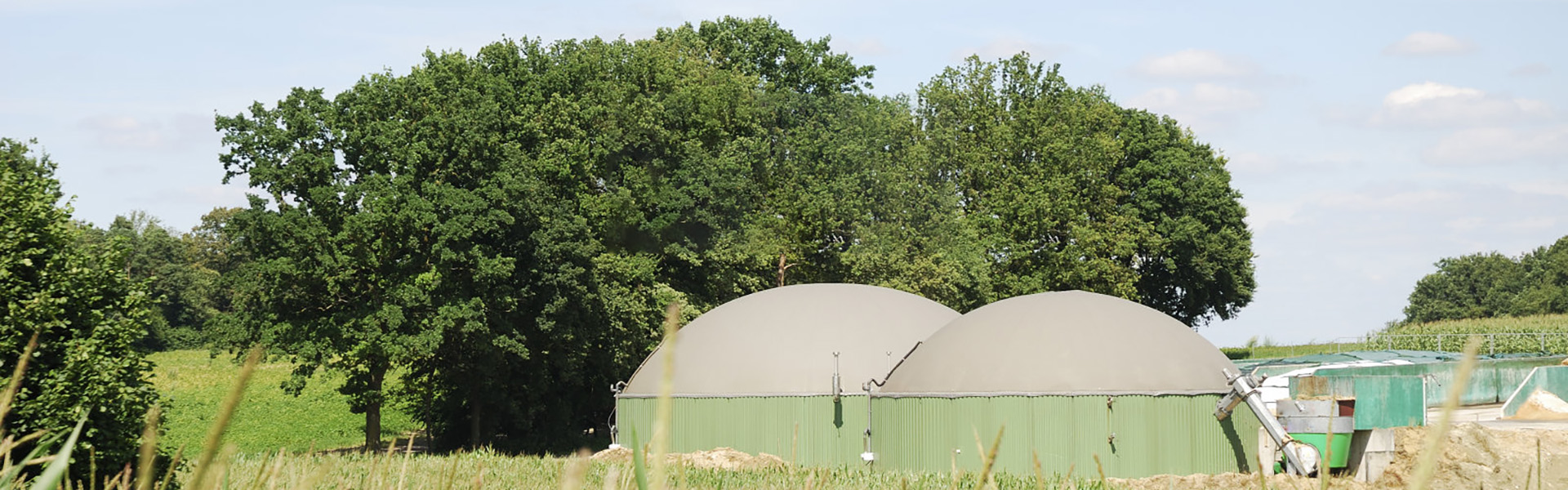
First, the grass is harvested and ensiled, like animal feed, to preserve its energy content. It’s then shredded and mixed into a slurry in the anaerobic digester. Here, bacteria break it down without oxygen, releasing biogas.
The raw biogas contains about 50-60% methane (CH₄), with the rest mostly CO₂ and traces of other gases. To become pipeline-quality biomethane or vehicle fuel (Bio-CNG), it must be upgraded.
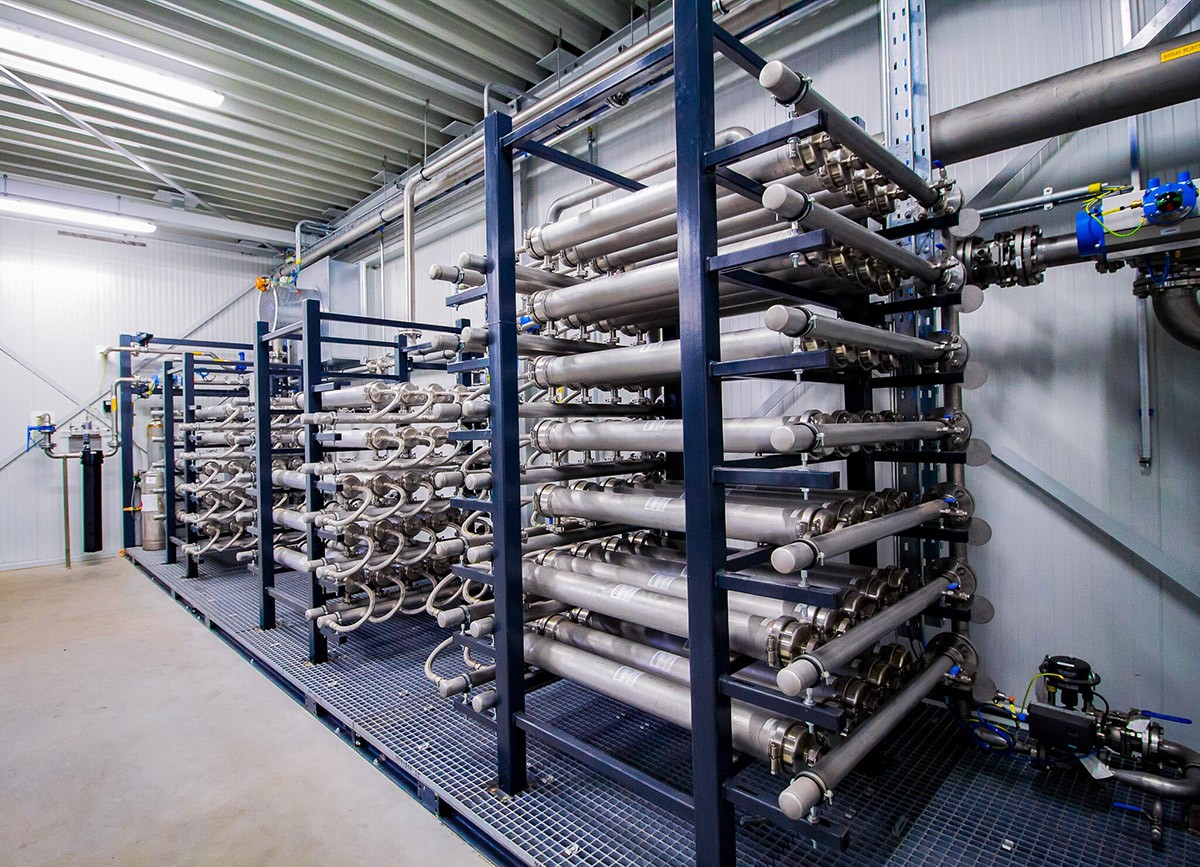
This is where advanced biogas upgrading systems from international manufacturers come in. Technologies like water scrubbing, membrane separation, or pressure swing adsorption (PSA) meticulously strip away CO₂ and impurities. The result is over 95% pure methane, ready for injection into gas grids or use as transport fuel.
Cost Analysis and Price Factors for Napier Grass Biogas Projects
The cost of biogas from napier grass depends on scale and technology. A major expense is feedstock cultivation—land preparation, planting, and harvesting.
Capital investment covers the digester, storage tanks, and biogas upgrading equipment. International biogas plant manufacturers offer solutions at various price points, with more automated, efficient systems commanding higher upfront costs.
Operational costs include labor, maintenance, and energy for running the plant. The financial return comes from selling electricity, heat, or purified biomethane. Government incentives for renewable energy are often critical for project viability.
Large-scale projects benefit from economies of scale, lowering the price per cubic meter of biomethane produced.
Finding Commercial Suppliers and Biogas Plant Manufacturers
Implementing a project requires reliable partners. Many international biogas technology providers now offer solutions optimized for grassy feedstocks.
When searching for a biogas plant manufacturer, look for experience with agricultural biogas and cellulosic materials like napier grass. They should provide comprehensive services: design, engineering, installation, and commissioning of both digestion and upgrading units.
Leading suppliers are often based in Europe, North America, and increasingly, Asia. They supply core components like digesters, mixers, CHP units, and sophisticated gas purification systems. Request case studies of their previous biogas from elephant grass installations.
Step-by-Step Guide: From Planting to Power
Feasibility & Planning: Analyze land availability, climate, and end-use for the gas (power, heat, fuel).
Cultivation: Establish napier grass plots. The first harvest typically comes 4-5 months after planting.
Harvesting & Ensiling: Cut the grass, chop it, and compact it in silage pits to ferment and preserve.
Digestion: Feed the silage into the anaerobic digester, maintaining optimal temperature and retention time.
Gas Upgrading & Use: Direct raw biogas to a combined heat and power (CHP) unit, or upgrade it to biomethane using a scrubber or membrane system.
Nutrient Management: Return the nutrient-rich digestate to the fields as organic fertilizer, closing the loop.
Environmental and Economic Benefits Summarized
The shift to biogas from napier grass delivers dual wins. Environmentally, it produces carbon-neutral energy, reduces reliance on fossil fuels, and promotes sustainable land use.
Economically, it creates rural jobs in cultivation and plant operation. It provides farmers with a new income stream from marginal land. The produced energy can power local communities or generate revenue through green gas sales.
Frequently Asked Questions (FAQs) on Napier Grass Biogas
Q1: What is the typical biogas yield from one ton of napier grass?
A1: The biogas yield from napier grass varies with cultivation and digestion efficiency. On average, one ton of fresh napier grass silage can produce approximately 100 to 150 cubic meters of raw biogas, with a methane content of 50-55%.
Q2: How much land is needed for a commercial-scale napier grass biogas plant?
A2: Land requirement depends heavily on plant size and grass yield. As a rough estimate, to run a 1 MW electrical plant, you might need between 200-400 hectares of land dedicated to napier grass cultivation for biogas, assuming multiple harvests per year.
Q3: Can napier grass be co-digested with other materials?
A3: Absolutely. Co-digestion is highly recommended. Mixing napier grass substrate with animal manure, food waste, or sewage sludge improves the nutrient balance in the digester, often boosting overall methane production and process stability.
Q4: What are the main technological challenges in using napier grass?
A4: The main challenge is its fibrous, lignocellulosic structure, which can be tough to break down. Effective shredding before digestion and potentially pre-treatment methods are key. Also, ensuring a consistent, homogeneous feed mix is crucial for smooth operation, requiring robust feeding and mixing technology from your biogas plant supplier.
Q5: Is the biomethane from napier grass compatible with existing natural gas infrastructure?
A5: Yes, once upgraded to over 95% methane purity using professional biogas upgrading equipment, the resulting biomethane is virtually identical to fossil natural gas. It meets all standards for injection into the public gas grid or for use as compressed biofuel (Bio-CNG) in vehicles.