


News
We'll get back to you as soon as possible.
5 Reasons Why Kinggrass and Napier Grass Are Winning Feedstocks for Bio RNG Projects
The search for the ideal sustainable feedstock is a central challenge in the renewable natural gas (RNG) industry. While landfill gas and dairy manure dominate current production, dedicated energy crops offer massive scalable potential. Among these, kinggrass or napier grass bio rng projects are generating significant interest from developers and equipment manufacturers worldwide.
These hybrid grasses are not your typical field crop. They are high-yielding perennial powerhouses, capable of producing enormous amounts of biomass for anaerobic digestion. For international biogas upgrading equipment suppliers, this represents a new, predictable, and rapidly growing market segment focused on converting purpose-grown biomass into pipeline-quality methane.
This article digs into why these grasses are becoming a cornerstone for next-generation RNG facilities.
What Makes Kinggrass and Napier Grass Special?
Kinggrass and Napier grass (or elephant grass) are closely related, tall, fast-growing perennial grasses. They are hybrids, often of the species Pennisetum purpureum.
Their appeal for kinggrass or napier grass bio rng projects boils down to biology and agronomics. They exhibit a phenomenon called C4 photosynthesis, which makes them incredibly efficient in warm climates, converting sunlight and water into biomass at remarkable rates.
They are perennial, meaning they can be harvested multiple times per year for up to 5-7 years after a single planting. This reduces annual planting costs and soil disturbance. Their deep root systems also help prevent erosion and sequester carbon in the soil.
Most importantly, their yield is staggering. Under good conditions, they can produce 25 to 50+ tons of dry matter per hectare annually. This density of biomass production in a small land area is critical for making the logistics of a large-scale RNG plant work economically.
The Technology Path: From Grass to Grid-Grade Gas
The process chain for kinggrass or napier grass bio rng projects is more complex than manure-based systems but offers superior control over feedstock quality and quantity.
It starts with established cultivation. The grass is typically harvested, chopped, and often ensiled—similar to corn silage. Ensiling preserves the biomass and initiates a beneficial pre-acidification, making the material more readily digestible in the biogas reactor.
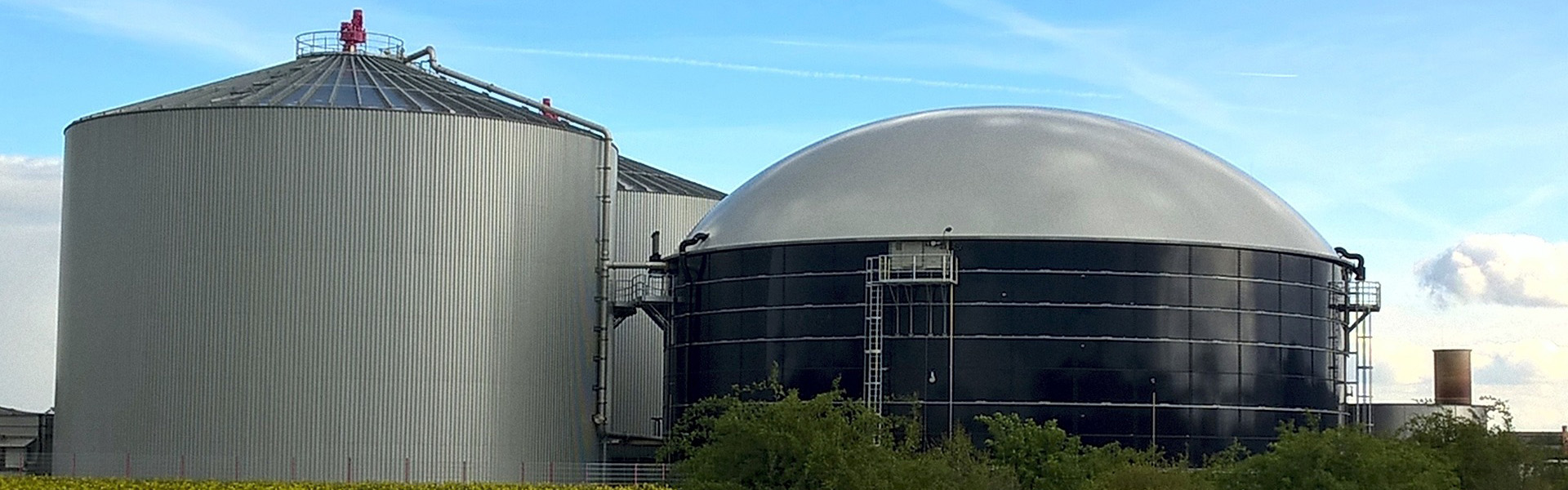
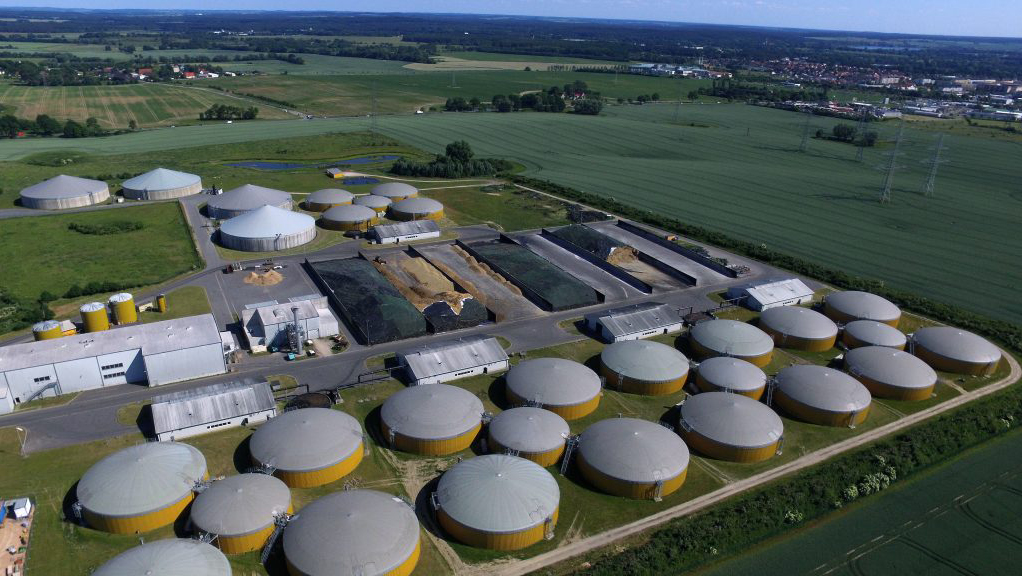
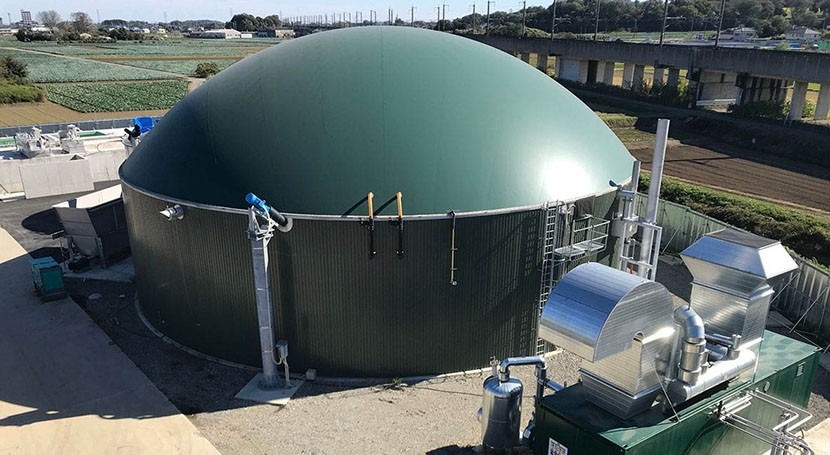
The core technology is anaerobic digestion. These projects often use large, continuous-flow digesters like plug-flow or completely stirred tank reactors (CSTR). Due to the fibrous nature of the grass, robust mixing systems are essential to prevent floating layers and ensure consistent methane production.
Here, pretreatment technology is a key differentiator. Many advanced projects employ mechanical, thermal, or enzymatic pretreatment before digestion. This step breaks down the tough lignocellulosic structure of the grass, significantly increasing biogas yield and reducing retention time in the digester.
Finally, the raw biogas (roughly 50-60% methane, 40-50% CO2) must be purified. This is where specialized biogas upgrading equipment is non-negotiable. Technologies like membrane separation, pressure swing adsorption (PSA), or water scrubbing are used to strip out CO2, water vapor, and other trace gases to produce over 99% pure renewable natural gas (RNG) for pipeline injection.
Economic Drivers: Costs, Scale, and Revenue
The economics of kinggrass or napier grass bio rng projects hinge on the balance between high biomass yield and the costs associated with cultivating, harvesting, and processing a dedicated crop.
The major operational cost is feedstock production. This includes land leasing or cost, fertilizer, irrigation, and multiple annual harvests. The goal is to maximize tons of digestible biomass per hectare at the lowest possible cost. Proximity to the digester plant is crucial to minimize transport expenses.
Capital expenditure (CAPEX) is significant. It includes the digestion tanks, pretreatment systems, biogas upgrading skids, gas conditioning equipment, and pipeline interconnection units. However, the scale enabled by high-yield grass can justify this investment.
Revenue is multi-streamed. The primary product is the RNG itself, sold via long-term contracts often tied to renewable fuel credits like RINs (in the US) or Certificates of Origin (in Europe). The digestate leftover after fermentation is a valuable, nutrient-rich organic fertilizer that can be sold or used to offset synthetic fertilizer costs on the energy crop fields, creating a circular model.
Choosing a Site: A Developer's Checklist
Not every location is suitable for a kinggrass or napier grass bio rng project. Successful development requires careful site selection.
Climate is the first filter. These grasses thrive in tropical, subtropical, and warm temperate regions with ample rainfall or irrigation. Frost can damage them, so climate suitability is paramount.
Land availability and quality are next. Large, contiguous tracts of marginal or agricultural land are ideal. Using land not suited for food crops is a major sustainability advantage. Soil testing and water access assessments are critical early steps.
Infrastructure proximity is a huge economic factor. The project site must be near a natural gas pipeline for injection. It also needs good road access for moving heavy harvesting equipment and transporting the bulky biomass.
Finally, a supportive regulatory and market environment is essential. This includes clear rules for RNG pipeline interconnection, favorable tariffs or credit systems for renewable gas, and agricultural policies that support energy crop cultivation.
The Role of Biogas Upgrading Equipment Manufacturers
For manufacturers of biogas purification systems, kinggrass or napier grass bio rng projects represent a demanding and valuable client segment.
These projects require robust, reliable upgrading equipment designed for continuous operation. The biogas composition from grass digestion is generally consistent, allowing for optimized system design. However, scale is a key consideration.
Manufacturers are often involved early in the feasibility phase. They help model gas flows, determine the optimal upgrading technology (e.g., membrane vs. PSA), and design the complete gas conditioning train—including desulfurization and drying—specific to the project's gas characteristics.
Service and remote monitoring contracts are a major part of the offering. Ensuring the upgrading plant operates at 99% uptime is critical for project revenue, making dependable technical support and quick access to spare parts a core part of the business model for equipment suppliers serving this field.
Environmental Impact and Sustainability Questions
The sustainability profile of kinggrass or napier grass bio rng projects is strong but requires careful management.
The carbon footprint is highly positive. When RNG from these grasses displaces fossil natural gas, it can result in net-negative carbon emissions when full lifecycle analysis includes soil carbon sequestration from the perennial root systems.
Land use is the most common concern. Best practice is to utilize degraded or marginal agricultural land, improving soil health through perennial cultivation without displacing food production. Sustainable agronomic practices, like minimal tillage and precise nutrient management via digestate recycling, are integral to credible projects.
Water use must be managed responsibly. While these grasses are relatively drought-tolerant, high yields may require irrigation in some regions. Sourcing water sustainably is a key part of project planning and environmental permitting.
The Future of Grass-Based RNG
The trajectory for kinggrass or napier grass bio rng projects is upward. As technology improves—especially in pretreatment and digester efficiency—the gas yield per ton of grass will increase, bolstering economics.
We will likely see more integrated “agri-digester” models, where a single farming operation grows the grass, operates the digestor, and applies the digestate, closing the loop entirely. This localized, circular economy model is compelling for rural development.
Furthermore, as carbon markets strengthen and the demand for renewable gas from non-waste sources grows, these purpose-grown feedstock projects will play an essential role in decarbonizing the heavy transport and industrial sectors
Kinggrass or napier grass bio rng projects are moving from concept to commercial reality. They offer a replicable, scalable pathway to produce large volumes of renewable natural gas, distinct from the waste-derived RNG market.
Their success relies on the synergy of advanced agronomy, efficient digestion technology, and highly reliable biogas upgrading equipment. For developers with access to suitable land and climate, and for manufacturers providing the critical purification technology, this segment presents a significant long-term opportunity in the global energy transition.
Frequently Asked Questions (FAQs)
Q1: What is the main difference between kinggrass and napier grass for bio RNG?
A1: Kinggrass is a specific hybrid cultivar of napier grass (Pennisetum purpureum), often selected for even higher yield, better disease resistance, and suitability for mechanical harvesting. In the context of kinggrass or napier grass bio rng projects, the terms are often used interchangeably, but developers should select specific varieties trialed for high digestible biomass yield in their local climate.
Q2: How does the biogas yield from grass compare to cow manure?
A2: On a per-ton basis, well-ensiled kinggrass or napier grass typically has a much higher specific methane yield (around 90-110 m³/ton of fresh matter) compared to cow manure (about 20-25 m³/ton). This is why grass can support large-scale RNG facilities, as less feedstock volume is needed to produce the same amount of gas, simplifying logistics.
Q3: What are the biggest operational risks for these projects?
A3: Key risks include drought or poor weather affecting crop yields, disease or pest outbreaks in the monoculture grass stands, and fluctuations in the costs of diesel, fertilizer, or labor for harvesting. Long-term land lease security and stable RNG/credit offtake prices are also critical to mitigating financial risk.
Q4: Can existing biogas upgrading equipment handle gas from grass digestion?
A4: Yes, standard upgrading technologies like membranes, PSA, or water scrubbers are perfectly capable. However, the system must be correctly sized for the project's gas volume and composition. Pre-treatment of the biogas (especially hydrogen sulfide removal) is always required, regardless of the feedstock, and equipment suppliers will design for the specific gas profile.
Q5: Is financing available for kinggrass and napier grass bio RNG projects?
A5: Yes, but it is more complex than for landfill or manure projects. Lenders require strong agronomic feasibility studies, secure long-term land agreements, and proven offtake contracts for the RNG and environmental credits. Projects that can demonstrate a complete, circular model with digestate recycling often have a better chance of securing favorable financing from green energy funds and development banks.