


News
We'll get back to you as soon as possible.
Corn Stalks Bio RNG Projects: Costs, Technology, and Commercial Implementation
Across the agricultural heartlands, a quiet revolution is turning waste into wealth and energy. Corn stalks, the abundant residue left after harvest, are no longer just a material for tilling back into soil or animal bedding. They are becoming a primary feedstock for advanced renewable natural gas (RNG) production. Corn stalks bio rng projects represent a significant leap in sustainable energy, transforming agricultural by-products into a carbon-negative fuel source. For farmers, investors, and developers in the international biogas upgrading sector, these projects are not just an environmental imperative but a compelling economic opportunity. This article delves into the practical aspects of developing and operating these systems.
What Are Corn Stalks Bio RNG Projects?
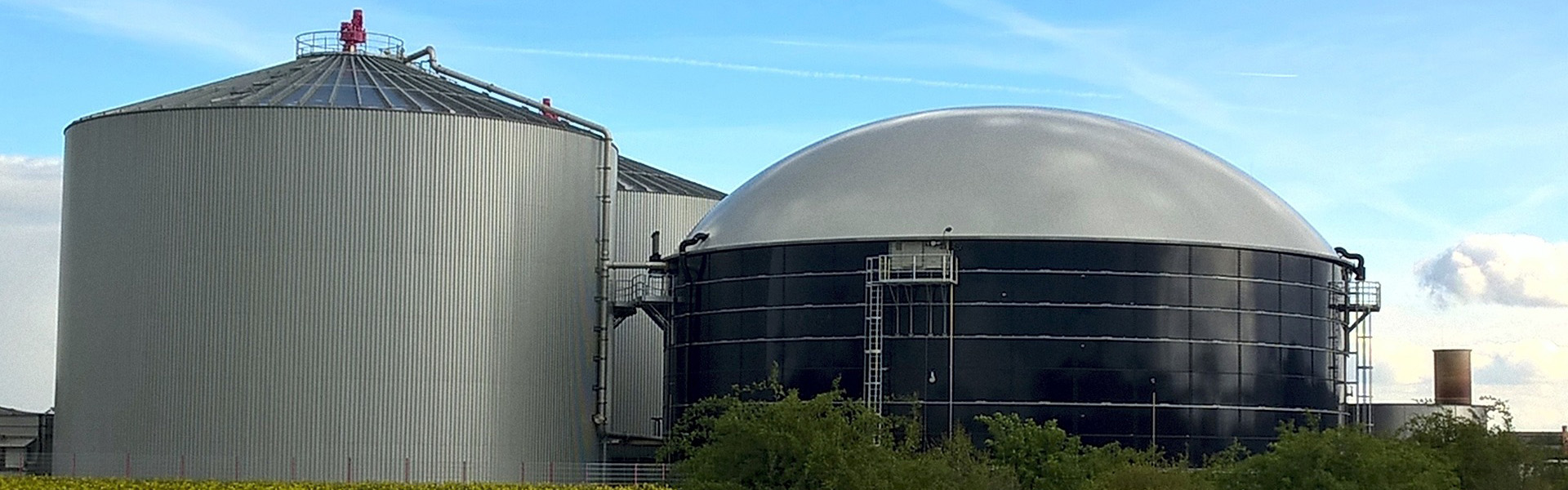
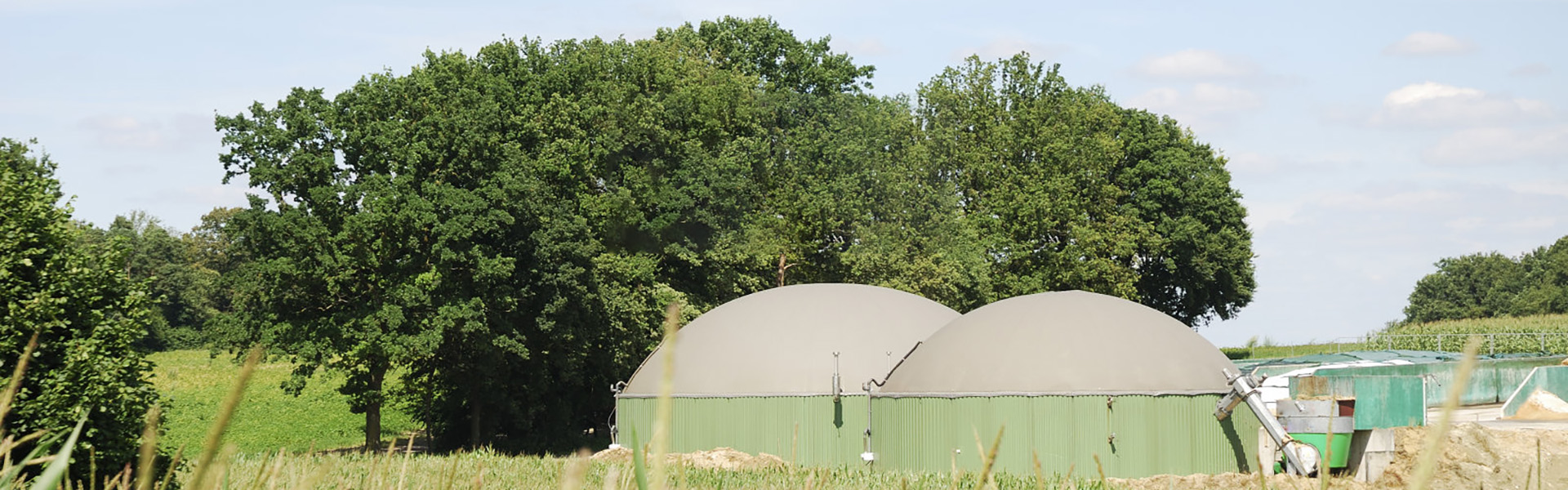
At their core, corn stalks bio rng projects are sophisticated energy systems. They utilize corn stover—the stalks, leaves, and cobs—as the raw material for anaerobic digestion. This biological process breaks down the organic matter in an oxygen-free environment, producing biogas.
This raw biogas is then upgraded to RNG through purification, removing CO2, water vapor, and other trace elements. The result is pipeline-quality methane, functionally identical to fossil natural gas but derived from renewable biomass. For the international bio-gas upgrading equipment market, this feedstock presents unique challenges and opportunities compared to traditional manure or food waste digesters.
The Technology Behind the Process
The success of a project hinges on appropriate technology. Corn stalks are a lignocellulosic material, meaning they are rich in tough fibers that are resistant to breakdown.
Pretreatment is Key. Unlike slurry-based feedstocks, corn stalks often require mechanical or chemical pretreatment. Size reduction through shredding is essential. More advanced projects may employ steam explosion or enzymatic hydrolysis to break down lignin and hemicellulose, dramatically improving biogas yield and digestion speed.
Digester Design. Continuous stirred-tank reactors (CSTR) are common, but dry fermentation or plug-flow systems can also be effective for this solid-rich feedstock. Robust mixing technology is critical to prevent floating layers and ensure consistent microbial activity.
Upgrading to RNG. The produced biogas, typically 50-60% methane, must be purified. Membrane separation, water scrubbing, and pressure swing adsorption (PSA) are leading technologies chosen based on project scale, purity requirements, and cost considerations. Integrating reliable gas upgrading equipment is non-negotiable for grid injection or vehicle fuel use.
Economic Feasibility and Cost Factors
The financial model for corn stalks bio rng projects is built on multiple revenue streams: RNG sales, renewable identification numbers (RINs under the U.S. RFS), and often carbon credits. Capital expenditure (CAPEX) is significant.
Major cost drivers include feedstock collection and logistics, pretreatment systems, the digester tank itself, and the biogas upgrading unit. Operational costs (OPEX) cover energy for running equipment, digestate management, and maintenance. The scale is vital; larger projects benefit from economies of scale but face higher initial collection and infrastructure costs. A detailed feasibility study is the first critical step for any developer.
Applications and Project Development Pathways
The end-use of the RNG dictates project design. Common pathways include:
Pipeline Injection: The purified RNG is injected into the local natural gas grid. This requires interconnection agreements and meeting stringent gas quality specifications.
Vehicle Fuel: Compressing or liquefying the RNG to produce CNG or LNG for heavy-duty fleets like trucks and buses.
Local Combined Heat and Power (CHP): While less common for upgraded RNG, biogas can be used directly for local electricity and heat generation.
Project development involves securing long-term feedstock contracts with local farms, navigating environmental permits, obtaining interconnection agreements, and securing financing. Partnerships between agricultural cooperatives and experienced energy developers are a frequent and successful model.
Choosing a Technology and Service Provider
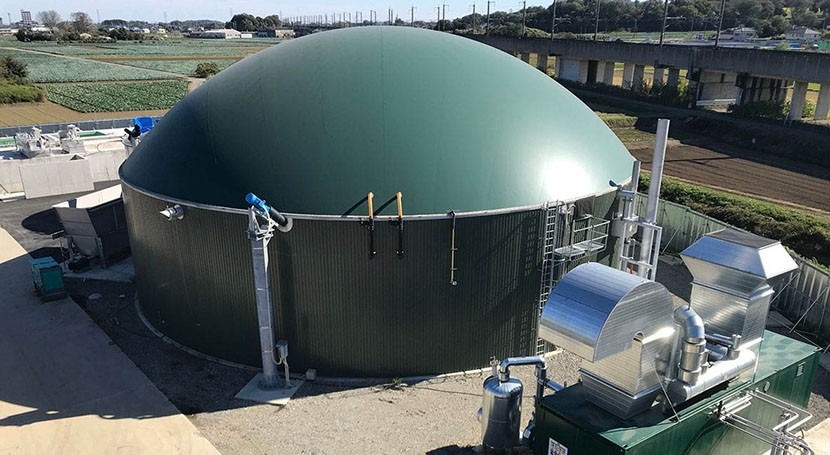
The international market offers a range of suppliers for digester and upgrading technology. Selection should be based on:
Proven Experience: Prioritize vendors with a track record in lignocellulosic feedstocks, not just manure.
Total Solution Offering: Some providers offer integrated engineering, procurement, and construction (EPC) services, which can de-risk project execution.
Technology Efficiency: Compare guaranteed methane yields, upgrade purity, and overall system energy consumption.
Local Support: Availability of spare parts and maintenance services is crucial for long-term operational reliability.
The Future of Agricultural Bioenergy
Corn stalks bio rng projects are poised for growth. They address waste management, create rural economic value, and produce a low-carbon fuel. Advances in pretreatment and enzyme technology will continue to improve efficiency and reduce costs.
For regions with large-scale corn production, these projects offer a strategic path to energy independence and sustainability. They represent a mature, commercially viable application of circular economy principles, turning agricultural residue into a clean energy resource.
Frequently Asked Questions (FAQ)
Q1: What are the main advantages of using corn stalks for RNG instead of manure?
A1: Corn stalks offer a higher potential biogas yield per ton and are not subject to the seasonal variability of manure from confined livestock. They also allow for project development in areas without large animal farms, leveraging widely available crop residues.
Q2: How are corn stalks collected and stored for a bio RNG project?
A2: Collection is typically done using modified balers that produce large square or round bales. Bales are stored on-site, often under cover to prevent excessive moisture and dry matter loss. A consistent, year-round supply requires careful logistics planning with multiple farm suppliers.
Q3: What happens to the digestate after the anaerobic digestion process?
A3: The nutrient-rich digestate is a valuable co-product. It can be separated into liquid and solid fractions. The liquid is an excellent fertilizer, returned to farmland to close the nutrient loop. The solid fraction can be used as a low-odor compost or soil amendment.
Q4: What is the typical project lifespan and payback period for corn stalks bio RNG projects?
A4: A well-designed anaerobic digestion plant can operate for 20+ years. The payback period heavily depends on incentives (like RINs and credits), energy prices, and CAPEX. With strong policy support, payback periods can range from 5 to 10 years.
Q5: Are there specific environmental permits required for these projects?
A5: Yes. Permitting is complex and varies by region. It typically covers air quality (for engine or flare emissions), water protection (digestate management and runoff), land use, and sometimes odor management. Early engagement with regulatory bodies is essential for successful corn stalks bio rng projects.