


News
We'll get back to you as soon as possible.
Bagasse Bio RNG Projects: Turning Sugar Mill Waste into Clean Energy
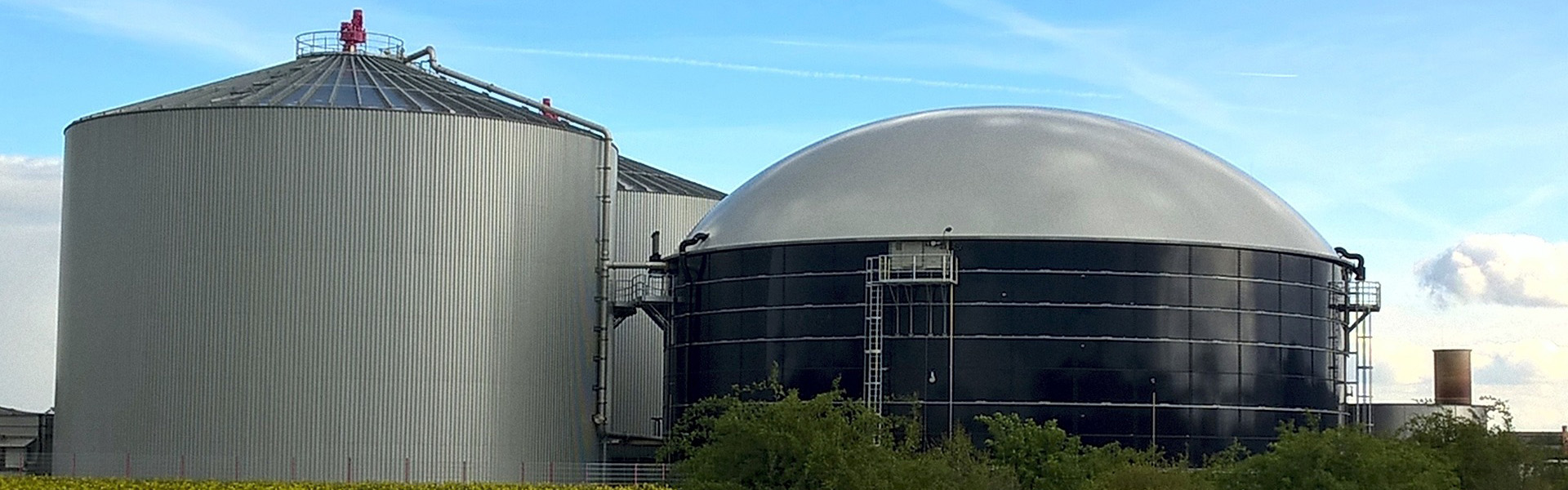
For generations, sugar production has followed a clear pattern: crush cane, extract juice, and manage the leftover fibrous residue known as bagasse. Traditionally burned for low-efficiency steam, this byproduct is now at the heart of a more profitable and sustainable energy transition. Advanced bagasses bio rng projects are redefining this agricultural residue, converting it into renewable natural gas (RNG), a high-value carbon-negative fuel. This shift represents a major opportunity for sugar mill operators, energy developers, and manufacturers of international biogas upgrading equipment. It’s a move from simple cogeneration to sophisticated biorefining.
Why Bagasse is a Prime Feedstock for RNG
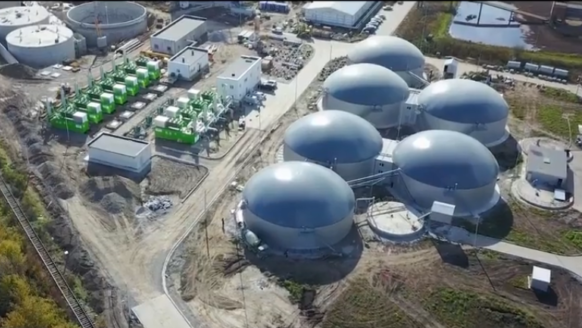
Bagasse offers distinct advantages over other biomass sources for anaerobic digestion. Its supply is predictable and co-located with sugar mills, eliminating complex collection logistics.
It is a consistent, readily available material generated in large volumes. After juice extraction, bagasse is already partially processed and has a high carbohydrate content, making it more readily digestible by microbes than many other lignocellulosic materials.
This inherent quality positions bagasses bio rng projects as highly feasible. They integrate directly into existing industrial operations, creating a circular economic model right at the mill site.
Core Technology and Process Integration
The technology pathway for these projects is well-defined but requires careful engineering. The process must fit seamlessly into the seasonal rhythm of sugar harvesting and milling.
Pretreatment for bagasse is often less intensive than for straw or stalks. Mechanical shredding or milling to increase surface area is typically sufficient. Some projects employ hydrothermal or mild acid pretreatment to further boost biogas yields.
Anaerobic digestion systems for bagasse are usually continuous or batch-fed, designed to handle the material’s fibrous nature. High-rate digesters with efficient mixing are common to ensure maximum contact between microbes and feedstock.
The critical step for creating RNG is biogas upgrading. The raw biogas, produced from stored or seasonally-processed bagasse, is cleaned. Technologies like membrane separation or pressure swing adsorption (PSA) are deployed to remove CO2, resulting in over 97% pure methane.
This RNG is then ready for commercial use, a process demanding reliable and efficient upgrading equipment from experienced international suppliers.
Economic Drivers and Project Viability
The business case for bagasses bio rng projects is strong and multifaceted. It transforms a waste product with limited value into multiple revenue streams.
Capital costs are offset by the existing infrastructure of the sugar mill. The primary investments involve the digester complex, gas upgrading unit, and gas injection or compression equipment.
Revenue comes from the sale of RNG itself, often at a premium. In markets like the U.S., Brazil, and Europe, significant revenue is generated from environmental credits, such as Renewable Identification Numbers (RINs) or Carbon Credits.
These incentives are crucial for project finance. They make the upgrade from traditional boiler use to advanced RNG production not just environmentally sound, but economically compelling.
Commercial Applications and Off-Take Models
The end-use of the RNG determines project design. Several viable offtake pathways exist for sugar mills.
Pipeline injection is a popular choice. The purified gas is fed into the local natural gas grid, requiring a interconnection agreement and strict quality controls.
Another option is compression into Bio-CNG for use as vehicle fuel. Mill trucks and local transport fleets can run on this clean, domestically produced fuel.
Some projects may also utilize the RNG for high-efficiency industrial processes at the mill itself, displacing purchased fossil gas and further reducing the carbon footprint of sugar production.
Navigating Project Development and Service Partnerships
Developing a successful project requires specific expertise. Many sugar companies partner with specialized engineering firms and technology providers.
These partners offer everything from initial feasibility studies to full Engineering, Procurement, and Construction (EPC) services. They understand the integration challenges of tying a new biogas plant into an active, seasonally-operated mill.
Key selection criteria for technology vendors should include proven experience with bagasse or similar feedstocks, robust service and maintenance support, and flexibility to handle the intermittent yet intense processing schedule of the milling season.
The Future of Sugar Mill Energy
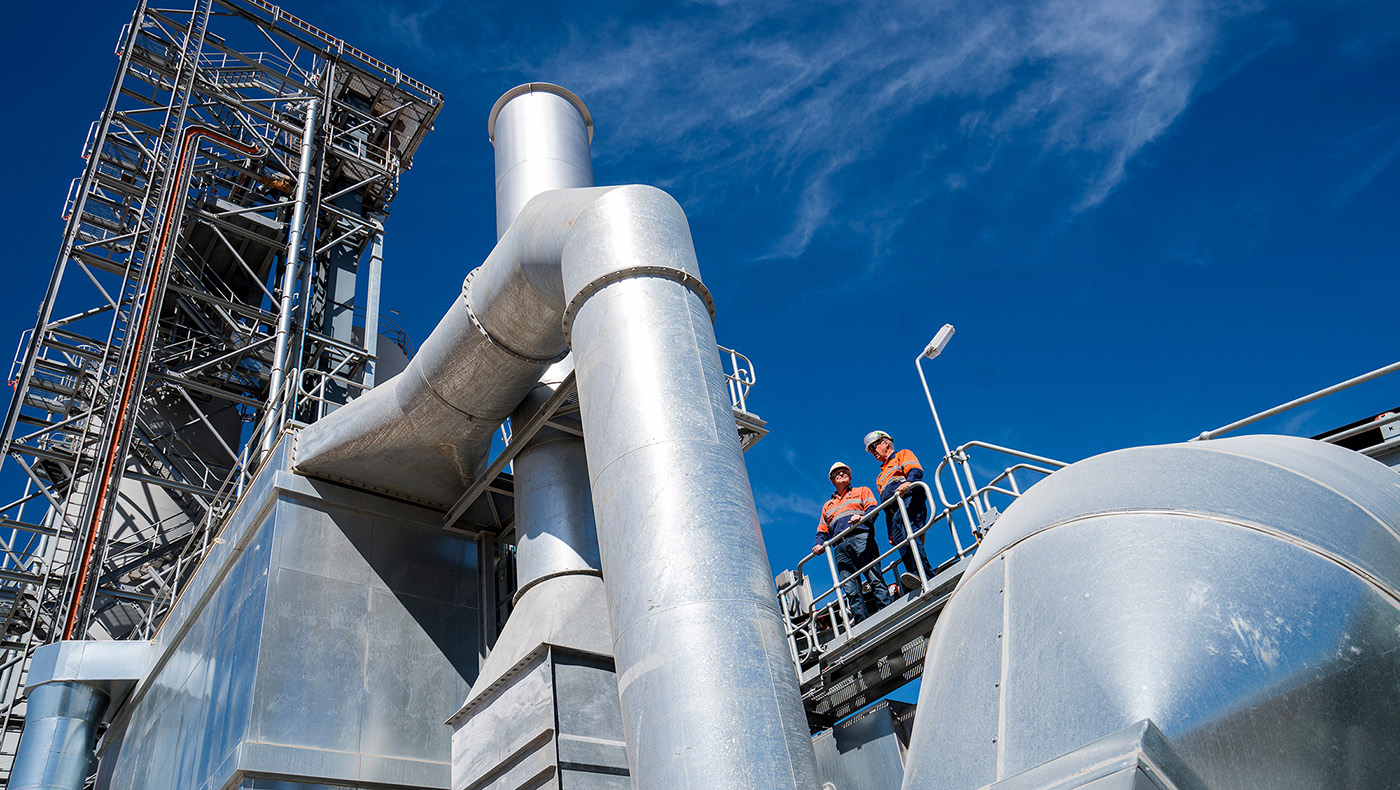
Bagasses bio rng projects are more than an add-on; they are a strategic upgrade to mill operations. They future-proof the industry against carbon taxes and enhance energy independence.
As carbon markets strengthen and fuel decarbonization goals tighten, the value of this renewable gas will only grow. For regions with major sugar industries, this represents a significant leap toward sustainable agro-industry.
It closes the loop, turning a waste stream into the clean energy that powers the very process that creates it.
Frequently Asked Questions (FAQ)
Q1: How does an RNG project affect the traditional use of bagasse for mill power and heat?
A1: Modern projects are designed for integration. A portion of bagasse may still be used for baseline steam generation. The biogas system often utilizes waste heat, improving overall plant efficiency. The shift prioritizes higher-value RNG production over low-efficiency direct combustion.
Q2: What happens to the digestate left after anaerobic digestion of bagasse?
A2: The digestate is a stable, nutrient-rich byproduct. It can be used as an excellent organic fertilizer on cane fields, returning nutrients to the soil and completing the circular economy. It is often easier to handle and has less odor than raw vinasse (stillage).
Q3: Are these projects only feasible during the sugar harvesting season?
A3: While biogas production peaks during the milling season, properly designed systems include bagasse storage solutions (like baling or ensiling) to allow for year-round, continuous RNG production. This stabilizes operations and revenue.
Q4: What is the typical scale and capital investment for a bagasse-to-RNG plant?
A4: Scale is directly tied to mill size, often processing hundreds of tons of bagasse per day. Capital investment can range from several million to tens of millions of USD, depending on capacity and technology. The co-location with existing industrial infrastructure helps control costs.
Q5: How dependent is project economics on government incentives and credits?
A5: Incentives like RINs or carbon credits are currently a major component of the revenue stack, often making the difference between a viable and marginal project. However, as RNG markets mature and carbon pricing expands, the commodity value of the gas itself is expected to play a larger role.