An Anaerobic Digestion (AD) Reactor is the core vessel where organic waste is transformed into renewable biogas. Understanding its design, operation, and cost is critical for any biogas project's success. This comprehensive guide explores everything from core principles to advanced engineering, helping you avoid the pitfalls of a poorly designed bad reactor in the international biogas upgrade equipment sector.
Choosing the right AD reactor technology defines your plant's efficiency, output, and profitability. A bad reactor design leads to chronic operational failures, low gas yields, and financial losses.
What is an Anaerobic Digestion (AD) Reactor?
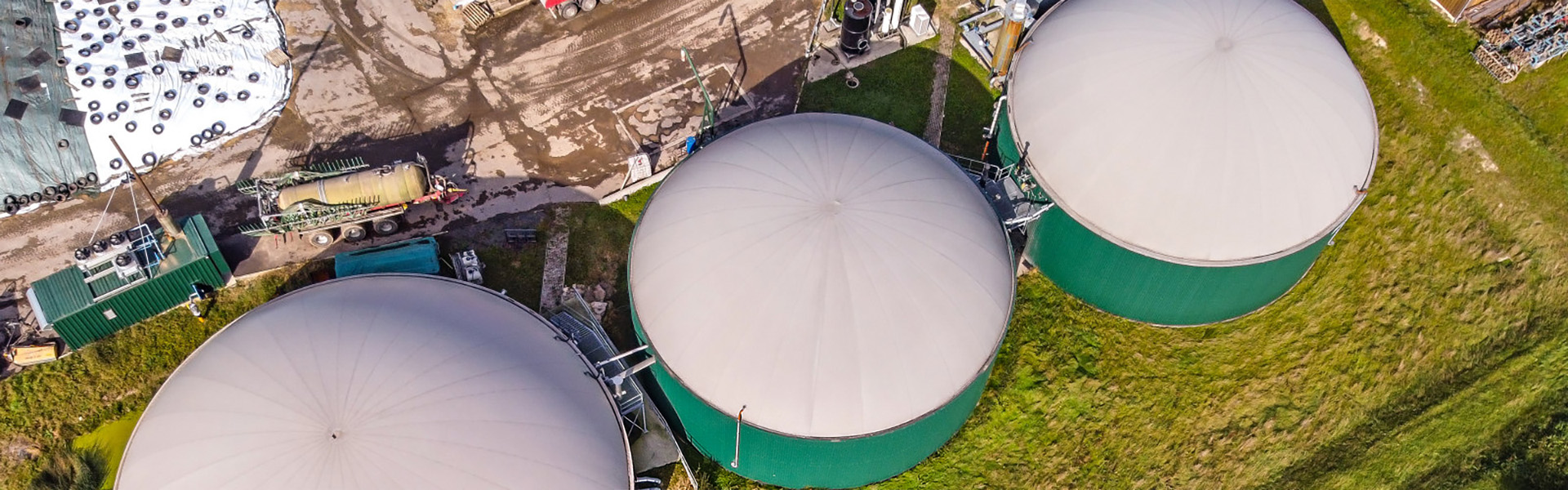
An AD Reactor is a controlled, oxygen-free tank where microorganisms break down biodegradable material. The primary outputs are biogas (methane and CO2) and digestate, a nutrient-rich fertilizer.
This biological process occurs in four stages: hydrolysis, acidogenesis, acetogenesis, and methanogenesis. Each stage requires specific conditions maintained within the AD reactor.
The design must optimize temperature, pH, retention time, and mixing. A failure in maintaining these parameters is a hallmark of a bad reactor, leading to process instability and failure.
Key Types of AD Reactor Technologies
Selecting the correct reactor type is the first major decision. The choice depends on feedstock, scale, and desired operational complexity.
Wet Continuous-Flow Reactors (like CSTRs) are common. Feedstock is pumpable with 10-15% dry matter. They offer stable operation but can have high energy demands for mixing and heating.
Dry Batch Reactors handle stacked solid waste (>20% dry matter). They are simpler but less efficient and produce biogas in batch cycles, not continuously.Plug Flow Reactors are long, horizontal tanks where material moves gradually. They are efficient for consistent, viscous feedstocks like livestock manure.
A bad reactor choice occurs when the technology mismatches the feedstock characteristics, guaranteeing subpar performance from day one.
Critical Design Factors for Optimal Performance
The engineering details separate high-performance systems from underperforming ones. Overlooking these factors creates a bad reactor with chronic problems.
Hydraulic Retention Time (HRT) is how long feedstock stays inside. Too short HRT washes out vital microbes. Too long HRT increases capital cost without benefit.
Organic Loading Rate (OLR) measures how much volatile solids are added daily. Exceeding the design OLR overloads the microbial community, causing acidification.
Temperature Control is non-negotiable. Mesophilic (~35-40°C) or thermophilic (~50-60°C) ranges must be held constant. Inadequate heating or insulation creates a bad reactor environment.
Mixing Systems (mechanical, gas, or hydraulic) ensure homogeneity, heat distribution, and prevent scum layers. Poor mixing leads to dead zones and reduced effective volume.
Common Failures: Signs of a Bad Reactor
Identifying a bad reactor early can save millions in corrective measures. These failures often stem from design flaws or operational neglect.
Chronic foaming and scum layer formation indicates feedstock or microbial imbalance. It reduces active volume and can damage gas handling equipment.
Acidification and process inhibition happens when volatile fatty acids accumulate faster than methanogens can consume them. This is a critical failure mode often requiring restart.
Low biogas yield and poor methane content directly result from suboptimal conditions inside a bad reactor. The system fails to achieve its economic purpose.
Mechanical failures of mixers, pumps, or heating elements are frequent in poorly engineered systems with inadequate redundancy or material quality.
Integration with Biogas Upgrading Equipment
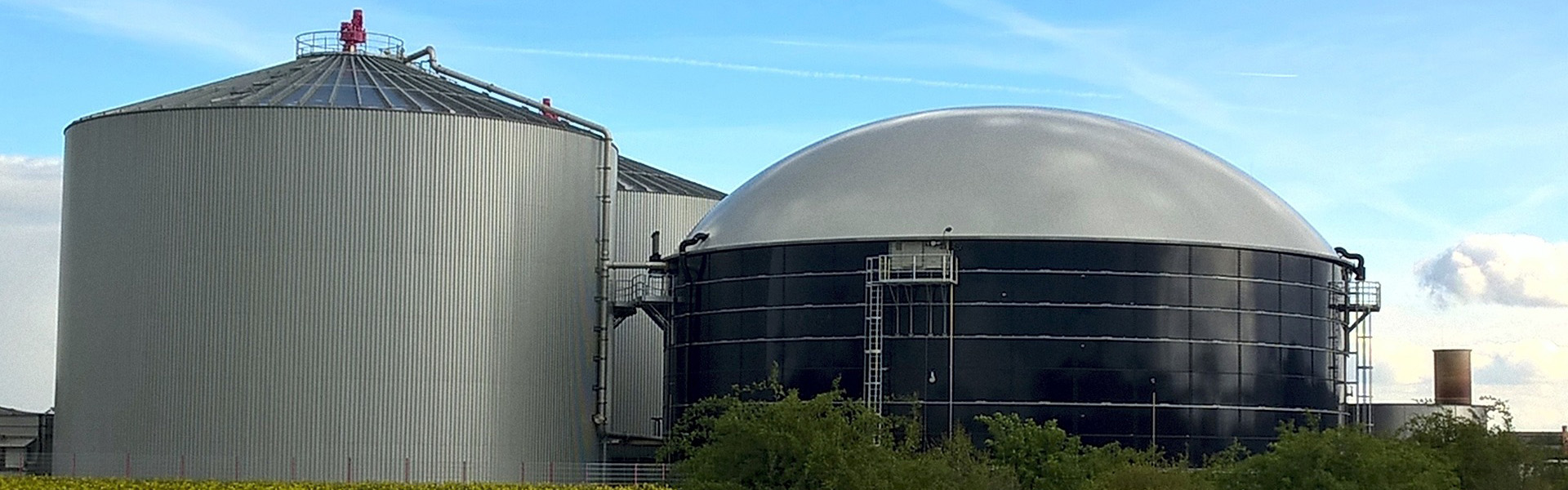
The AD reactor is the source, but downstream upgrading creates the final product. Integration is key for total system efficiency.
Raw biogas from the reactor contains 50-65% methane. It requires cleaning (desulfurization) and upgrading to biomethane (>95% CH4) via technologies like membrane separation, water scrubbers, or PSA.
A bad reactor producing inconsistent gas flow or composition strains upgrading equipment, causing shutdowns and reducing biomethane purity.
Modern international manufacturers design the AD reactor and upgrading units as a synchronized system, not separate components. This holistic approach maximizes uptime and ROI.
Cost Considerations and ROI
The AD reactor represents a significant portion of a biogas plant's CAPEX. Its design directly influences lifetime OPEX and return on investment.
Capital cost varies with size, material (concrete vs. steel), technology complexity, and automation level. Choosing the cheapest option often results in a high-maintenance bad reactor.
Operational costs include heating energy, mixing power, labor, and maintenance. An efficient design minimizes these, while a bad reactor consumes excessive utilities.
Return on Investment hinges on reliable, high biogas production. A well-designed AD reactor ensures stable revenue from energy sales and digestate. A bad reactor jeopardizes the entire business case.
The Future of AD Reactor Design
Innovation continues to advance AD technology, moving further away from the concepts of a bad reactor.
Smart sensors and AI-driven process control allow for real-time optimization, predicting upsets before they occur. This is the antithesis of a basic, unstable bad reactor.
Materials science is improving tank durability and insulation properties, reducing long-term maintenance.
Research into co-digestion and pre-treatment techniques is expanding the range of viable feedstocks, making AD reactors more versatile and economically attractive than ever before.
Frequently Asked Questions (FAQs)
Q1: What is the most common cause of an AD reactor failure?
A1: The most common cause is organic overloading, leading to acidification. Adding too much feedstock too quickly overwhelms the methanogenic bacteria, dropping pH and halting methane production. This is a classic sign of a poorly managed or designed bad reactor.
Q2: How long does an AD reactor last, and what affects its lifespan?
A2: A well-designed and maintained AD reactor made from quality materials (like reinforced concrete or specialized steel) can last 25-30 years. Lifespan is reduced by corrosive feedstock (high sulfur), inadequate maintenance, mechanical stress from poor mixing, and the use of substandard construction materials—all traits of a bad reactor.
Q3: Can a failing "bad reactor" be fixed, or does it need replacement?
A3: Many issues can be fixed. Corrective actions may include reinoculation with healthy digestate, gradual re-balancing of feedstock, installing improved mixing or heating systems, or adding chemical buffers. However, if core design flaws (e.g., incorrect geometry, chronic short-circuiting) are the root cause, major structural retrofit or partial replacement may be necessary.
Q4: What is the difference between a mesophilic and thermophilic AD reactor?
A4: Mesophilic reactors operate at 35-40°C, are more stable, and forgive operational fluctuations. Thermophilic reactors operate at 50-60°C, offer faster digestion rates and higher pathogen kill, but are more sensitive and energy-intensive. Choosing the wrong temperature regime for a project's specific needs and management capability can result in an unstable bad reactor.
Q5: How important is the pre-treatment of feedstock for reactor performance?
A5: Extremely important. Proper pre-treatment (e.g., pasteurization, shredding, slurry mixing) ensures consistent particle size, removes contaminants, and can enhance biodegradability. Inadequate pre-treatment is a frequent contributor to a bad reactor, causing blockages, poor mixing, and irregular gas production.
In summary, the difference between a highly profitable biogas plant and a failing project often lies in the quality of its core vessel. Investing in a properly engineered AD reactor, based on thorough feedstock analysis and sound engineering principles, is non-negotiable. Partnering with experienced international manufacturers ensures you receive an optimized system, safeguarding you from the costly consequences of a bad reactor and securing your investment in the circular bioeconomy.