


News
We'll get back to you as soon as possible.
5 Key Benefits of Bio LNG Turnkey Solutions for Industrial Gas Producers
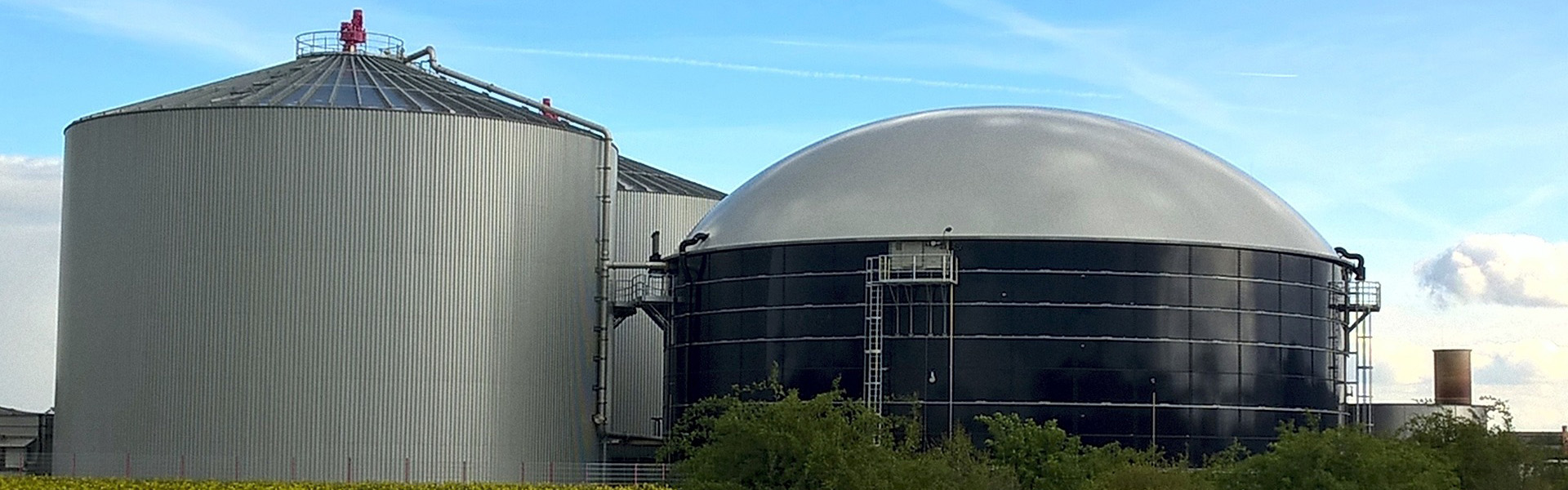
For industrial energy producers and waste management facilities, the shift towards renewable energy is both an environmental imperative and a strategic business decision. Converting biogas into a high-value, transportable fuel represents a significant opportunity. This is where Bio LNG turnkey solutions come into play, offering a streamlined path to establishing a complete liquefied biomethane production facility.
Unlike piecemeal approaches, a Bio LNG turnkey solution provides a fully integrated, ready-to-operate plant. The provider handles everything from design and engineering to equipment supply, installation, commissioning, and often, ongoing support. This model dramatically reduces complexity, timelines, and risk for the project owner. For companies looking to enter the advanced biofuel market or upgrade existing biogas operations, understanding the value of a comprehensive Bio LNG turnkey solutions package is the first critical step.
Bio LNG Turnkey vs. Custom-Built Plants: A Clear Choice
When planning a Bio LNG facility, the fundamental choice lies between a bespoke, custom-engineered plant and a standardized turnkey package.
Custom-built plants are designed from the ground up. They offer maximum flexibility for specific, often unique, feedstocks or site constraints. However, this comes with higher engineering costs, longer development times, and greater project management burden. Unexpected challenges are common, potentially leading to budget and schedule overruns.
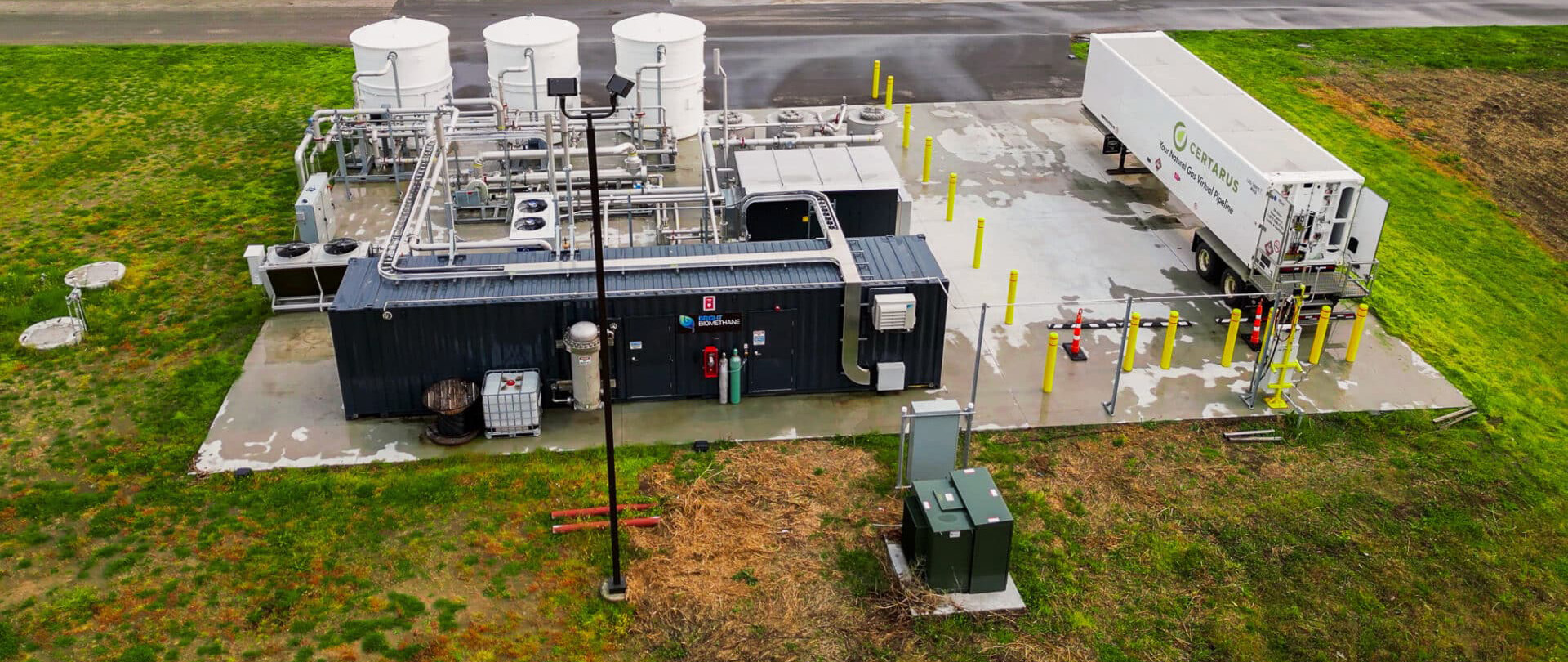
In contrast, Bio LNG turnkey solutions are based on pre-engineered, modular, and proven process designs. The technology provider has refined the entire chain—from biogas upgrading to liquefaction—into a repeatable, efficient package. The key advantages are predictability and speed. Capital expenditure (CAPEX) is more fixed, the project timeline is significantly shorter, and performance guarantees are based on operational data from similar installations. For most commercial-scale projects, the turnkey model delivers a faster, more reliable return on investment.
Core Applications and How to Choose the Right System
Bio LNG turnkey solutions are versatile but excel in specific applications. The most common include agricultural digesters (manure, crop residues), landfill gas recovery, and wastewater treatment plants. They are also ideal for food processing facilities with organic waste streams.
Choosing the right system requires a detailed analysis of your feedstock. The consistent volume and quality of your biogas are paramount. A reputable provider will first assess your raw biogas composition (CH4, CO2, H2S, etc.) and flow rate.
Key selection criteria include:
Capacity: Turnkey solutions often come in modular ranges (e.g., 100 to 5,000 Nm³/h of raw biogas). Match the system to your long-term feedstock availability.
Technology: The core of the solution involves upgrading (e.g., membrane separation, amine scrubbing) and liquefaction (mixed-refrigerant cycle, nitrogen expansion). Ensure the provider’s chosen technologies are robust and have references for your biogas type.
Footprint: Modular plants are designed for compact layouts. Verify the system fits your available space.
Utilities: Understand the power, cooling water, and other utility needs to accurately calculate operating costs.
The Technology Inside: From Biogas to Liquid Gold
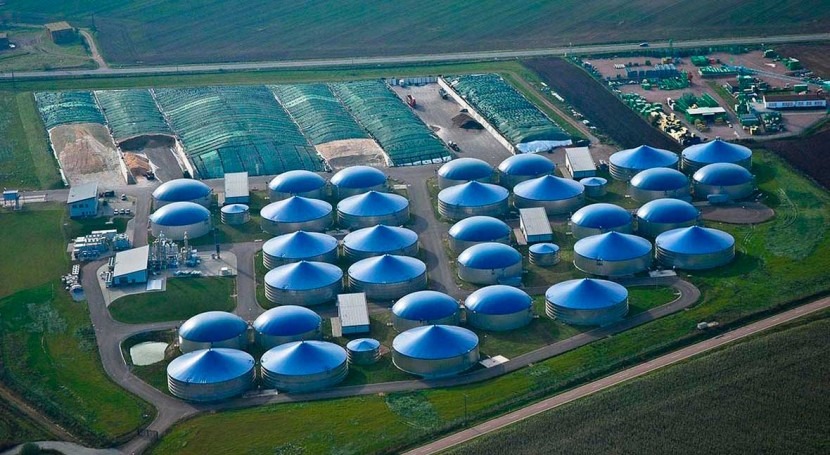
A modern Bio LNG turnkey solution integrates several high-tech processes into one seamless operation.
First, raw biogas undergoes rigorous pretreatment. Contaminants like hydrogen sulfide, siloxanes, and water vapor are removed to protect downstream equipment. This step is critical for reliability.
Next, the biogas upgrading unit separates methane (CH4) from carbon dioxide (CO2) and other inert gases. Technologies like membrane separation or pressure swing adsorption (PSA) are common in turnkey packages, chosen for their efficiency and modularity. The output is pipeline-quality biomethane, over 97% pure CH4.
The heart of the plant is the liquefaction skid. Here, biomethane is cooled to approximately -162°C (-260°F) until it becomes a liquid, shrinking its volume by about 600 times. Turnkey solutions typically employ efficient, packaged liquefaction cycles. The resulting Bio LNG is stored in insulated, double-walled tanks, ready for transport via tanker trucks to fueling stations or off-takers.
Understanding the Costs: Investment and Operational Economics
The total cost of a Bio LNG turnkey solutions project includes the capital investment and ongoing operational expenses (OPEX).
CAPEX for a turnkey plant is typically quoted as a fixed or highly predictable sum. It covers the entire package: design, all major equipment (pretreatment, upgrading, liquefaction, storage, control system), construction, and commissioning. Economies of scale apply; the cost per unit of output decreases with larger capacity modules.
Major OPEX components are electrical power (for compression and refrigeration), maintenance, and personnel. Leading providers design for minimal energy consumption and high automation to keep OPEX low. The financial model is ultimately driven by the price of the produced Bio LNG versus renewable fuel credits (like RINs in the US or Guarantees of Origin in Europe), and the avoided cost of waste disposal or natural gas.
Finding a Reliable Bio LNG Plant Supplier
Selecting a partner for your Bio LNG turnkey solutions is the most crucial decision. Look for a supplier with a proven track record, not just in engineering but in delivering operating plants.
Evaluate their portfolio. Do they have multiple, successful reference plants similar to your project in scale and feedstock? Insist on speaking to existing customers.
Assess their technological expertise. Do they own the core process technology, or are they simply integrating third-party equipment? In-house technology often translates to better support and optimization.
Finally, scrutinize their project execution capability and service offering. A true turnkey provider assumes single-point responsibility. Ensure their package includes training, a comprehensive maintenance plan, and long-term technical support to guarantee plant performance and uptime for years to come.
For forward-thinking organizations, investing in a robust Bio LNG turnkey solutions platform is more than an equipment purchase; it’s a strategic entry into the circular economy and the growing renewable fuel market. By partnering with an experienced provider, you secure a predictable path to producing a clean, high-demand commodity, turning waste streams into a powerful source of sustainable energy and revenue.
Frequently Asked Questions (FAQ) about Bio LNG Turnkey Solutions
Q1: What is the typical delivery and commissioning timeline for a Bio LNG turnkey plant?
A1: A significant advantage of Bio LNG turnkey solutions is the reduced timeline. From contract signing, a standard modular plant can typically be delivered and commissioned within 14-20 months. This includes detailed engineering, fabrication of skidded modules, site construction, and performance testing. Custom projects can take considerably longer.
Q2: Can a turnkey solution handle variations in my biogas feedstock quality or quantity?
A2: Reputable providers design their Bio LNG turnkey solutions with a defined operational range. The pretreatment and upgrading units are engineered to handle normal fluctuations in composition. For large variations, the system design must be based on the worst-case feedstock scenario. It’s critical to provide your supplier with extensive, real-world biogas data during the planning phase.
Q3: What kind of operational team is required to run the plant?
Q3: A key benefit of modern, automated Bio LNG turnkey solutions is that they are designed for minimal manned operation. Often, the plant can be monitored and controlled remotely. Onsite, it may require only 1-2 trained technicians per shift for routine checks, logistics, and minor maintenance. The supplier should provide full operator training as part of the package.
Q4: How is the purity and quality of the final Bio LNG product guaranteed?
A4: Contractual performance guarantees are a cornerstone of professional Bio LNG turnkey solutions. The supplier will guarantee key metrics such as LNG production rate, specific power consumption (kWh per ton of LNG), and the purity of the final product (e.g., >97% methane content). These guarantees are validated during a formal performance test run before plant acceptance.
Q5: What are the common financing models for such projects?
A5: Projects can be financed through corporate capital, green loans, or project finance. The predictable CAPEX and performance guarantees of a Bio LNG turnkey solutions package make it easier to secure financing. Increasingly, Energy Service Company (ESCO) models or build-own-operate-transfer (BOOT) schemes are offered, where the technology provider finances and owns the plant, selling the Bio LNG to the client under a long-term agreement.