


News
We'll get back to you as soon as possible.
Paddy Straw Biogas Plant: Turn Rice Waste into Energy & Profit
For decades, burning vast piles of paddy straw after harvest has been a global environmental headache. It causes severe air pollution, harms soil health, and wastes a massive resource. A paddy straw biogas plant offers a powerful, circular solution. This technology transforms agricultural waste into renewable biogas and organic fertilizer.
It represents a significant advancement in international bioenergy, moving beyond traditional manure-based systems. This article explains how these plants work, their benefits, and what you need to know to implement one.
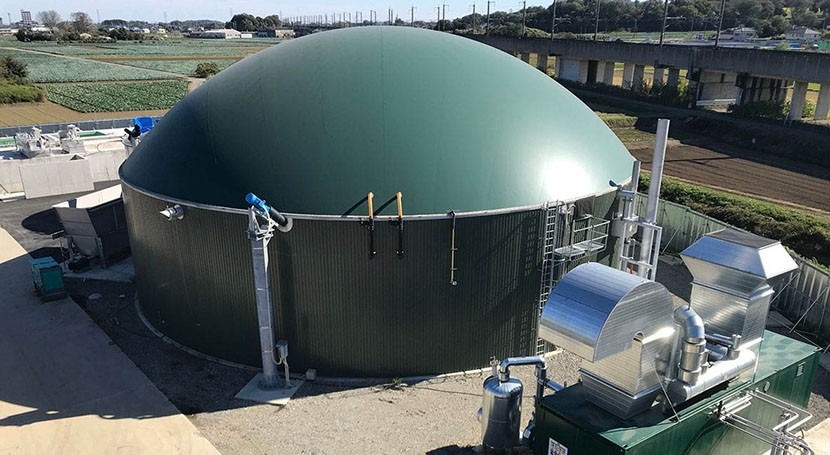
How a Paddy Straw Biogas Plant Works: The Technical Process
The core process in a paddy straw biogas plant is anaerobic digestion. This is a natural biological process where microorganisms break down organic matter without oxygen. For paddy straw, which is rich in lignocellulose, the process requires specific pretreatment.
First, harvested straw is collected and shredded into small pieces. It then undergoes pretreatment, which is crucial. Methods like alkali treatment or steam explosion break down the tough lignin and cellulose, making the material accessible to microbes.
The pretreated straw slurry is then fed into a sealed, airtight digester tank. Here, specialized bacteria work in stages over several weeks. They convert the organic compounds into a methane-rich biogas (typically 50-65% CH4) and a liquid effluent called digestate.
Core Components of a Modern Biogas System
A reliable plant is more than just a digester. International manufacturers of biogas upgrading equipment focus on integrated systems with several key components.
The preprocessing unit includes shredders and mixing tanks for pretreatment. The digester itself is often a continuous stirred tank reactor (CSTR) or a plug-flow design, optimized for high-solids feedstock like straw.
Following digestion, the gas handling system includes blowers, storage balloons (gasholders), and often a biogas upgrading unit. Upgrading equipment like membrane separators or water scrubbers cleans the biogas to over 95% methane, creating renewable natural gas (Bio-CNG).
Finally, the digestate management system separates solid and liquid fractions, which are potent organic fertilizers.
Key Advantages Over Burning and Other Methods
The benefits of installing a paddy straw biogas plant are multi-layered and address economic, environmental, and agricultural challenges.
Environmentally, it eliminates open burning, reducing smoke and greenhouse gas emissions. The biogas displaces fossil fuels, creating a carbon-neutral energy cycle. Agronomically, the digestate returns vital nutrients to the soil, improving its structure and reducing dependence on chemical fertilizers.
Economically, it creates a new revenue stream from waste. Farmers or cooperatives can sell biogas, Bio-CNG, or electricity. It also creates rural jobs in plant operation and logistics.
Primary Applications and Business Models
The energy output from a paddy straw biogas plant is versatile. The raw biogas can be used directly in modified kitchen stoves or boilers for heating. It can fuel gas engines to generate electricity for on-farm use or sale to the grid.
After upgrading to Bio-CNG, it can fuel vehicles or be injected into natural gas pipelines. The solid digestate can be composted or pelletized as fertilizer, while the liquid fraction is an excellent foliar spray.
Successful business models include farmer-producer cooperatives (FPOs) that pool straw from multiple farms. Agro-industries with large boiler needs can install captive plants. Entrepreneurs can also set up centralized plants offering waste processing and energy sales services.
Understanding Costs and Investment Factors
The price of a paddy straw biogas plant is highly scale-dependent. A small-scale, village-level plant might start at a few hundred thousand dollars. A large-scale, commercial plant with biogas upgrading can run into millions.
Key cost factors include plant capacity (tons of straw per day), the level of automation, the inclusion of biogas upgrading equipment, and digestate processing lines. Pretreatment technology also impacts the initial investment.
Despite the capital cost, government subsidies and carbon credit programs in many countries can significantly improve the return on investment. The payback period typically ranges from 4 to 7 years, depending on energy prices and operational efficiency.
Choosing a Technology and Service Provider
Selecting the right partner is critical. Look for experienced international or domestic providers with a proven track record in handling agricultural residue, not just manure.
Evaluate their proposed technology's straw pretreatment method, digester design, and guaranteed biogas yield. Ask for operational references and visit existing plants. A reputable provider will offer a detailed feasibility study, engineering design, installation, and long-term operation and maintenance support.
Ensure they understand local conditions, like straw availability, collection logistics, and end-use for the biogas and fertilizer.
The Future of Straw-Based Bioenergy
The paddy straw biogas plant sector is evolving rapidly. Trends include more efficient and cheaper pretreatment methods, like biological or ionic liquid pretreatments. Automation and IoT-based monitoring for remote operation are becoming standard.
There is also growing integration with other waste streams, such as livestock manure or food processing waste, to create co-digestion plants for better gas production and nutrient balance. This positions the technology as a cornerstone of the circular bioeconomy.
A paddy straw biogas plant is no longer just an experimental idea. It is a mature, scalable technology that solves a critical waste problem while generating clean energy and organic fertilizer. For farmers, communities, and entrepreneurs, it turns an environmental liability into a valuable asset, contributing to energy security and sustainable agriculture.
Frequently Asked Questions (FAQs)
Q1: How much paddy straw is needed to run a biogas plant?
A1: The requirement depends entirely on the plant's size. A small, 10-ton-per-day plant needs roughly 3,000-3,500 tons of straw annually. Accurate assessment of locally available straw within an economical collection radius (usually 10-15 km) is the first step in planning.
Q2: Can the biogas be used for all the same purposes as natural gas?
A2: After purification and upgrading to Bio-CNG (over 95% methane), it is virtually identical to fossil natural gas. It can be compressed for vehicle fuel, injected into gas grids, or used in high-efficiency appliances. Raw, unupgraded biogas is suitable for boilers, generators, and specially adapted stoves.
Q3: Is the process affected by the seasonal availability of paddy straw?
A3: Yes, seasonality is a key challenge. A well-designed paddy straw biogas plant requires a storage and preservation strategy, such as baling and dry storage under cover, to ensure a year-round supply to the digester. Co-digestion with other perennial wastes can also help maintain steady operation.
Q4: What are the main operational challenges?
A4: Key operational hurdles include ensuring consistent straw collection and supply logistics, managing the pretreatment process effectively, and handling the solid digestate. Regular monitoring of digester parameters (like pH and temperature) is also crucial for stable biogas production.
Q5: Are there government incentives for building such plants?
A5: In many countries, especially in major rice-producing regions, yes. Incentives can include capital subsidies, favorable tariffs for electricity fed into the grid, tax benefits, and support under national bioenergy or clean air programs. It's essential to research specific schemes available in your country or state.