


News
We'll get back to you as soon as possible.
Napier Grass Biogas Yield, Costs & Technology Explained
For farmers and energy project developers looking for a reliable, high-yield feedstock, napier grass biogas presents a compelling opportunity. Unlike crop residues that are seasonal, napier grass (also known as elephant grass) can be harvested multiple times a year, providing a consistent supply for anaerobic digesters.
This perennial grass is fast-growing, requires minimal inputs, and thrives on marginal land. Its cultivation for napier grass biogas production is gaining traction globally as a sustainable model for decentralized renewable energy and organic fertilizer production.
How Does a Napier Grass Biogas System Work?
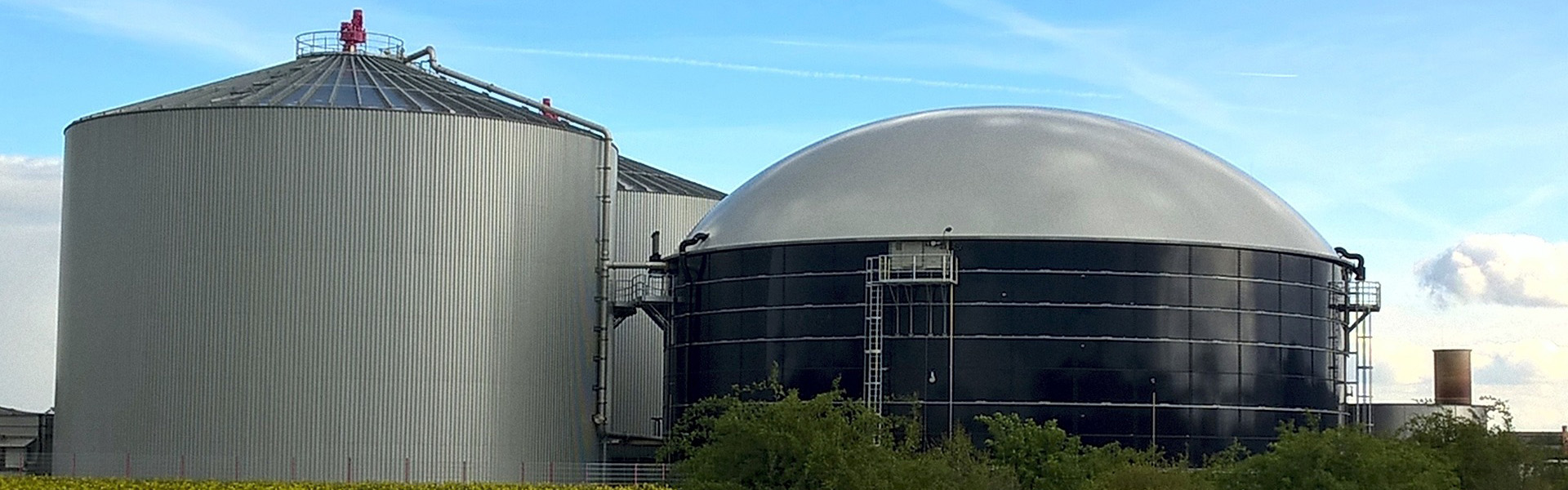
The process converts the harvested grass into methane-rich gas through controlled anaerobic digestion. The core technology is similar to other biogas plants but optimized for this specific feedstock.
Fresh or ensiled napier grass is first chopped and shredded into small pieces. This material is then mixed with water—and sometimes a bacterial inoculum—to create a pumpable slurry. This slurry is fed into a sealed digester tank, where microorganisms break down the organic matter over a retention period of 30 to 50 days.
The output is two-fold: biogas and digestate. The biogas can be used directly for heat or electricity, or upgraded to biomethane. The nutrient-rich digestate is an excellent bio-fertilizer.
Key Advantages of Using Napier Grass
Choosing napier grass as a primary feedstock offers several distinct benefits. It delivers a very high biomass yield per hectare, often exceeding 40 tons of dry matter annually under good conditions.
Its cultivation can improve soil structure and prevent erosion. Unlike using food crops for energy, it does not create a "food vs. fuel" conflict, as it is grown specifically for biomass.
From a digester management perspective, it provides a steady, predictable supply. This stability helps maintain consistent biogas production year-round, which is a major operational advantage.
Biogas Yield and Influencing Factors
The potential napier grass biogas yield is a primary reason for its popularity. On average, one ton of fresh napier grass can produce approximately 80 to 120 cubic meters of biogas, with a methane content of 50-55%.
Several factors influence this yield. The grass variety, its age at harvest (optimal is around 60-90 days), and the cutting height matter greatly. The dry matter content and the use of effective pretreatment methods also play a critical role.
Proper ensiling of the grass between harvests is crucial to preserve its energy value and ensure a stable feed for the digester throughout the year.
Pretreatment Technologies for Enhanced Digestion
Napier grass has a fibrous structure. To maximize gas yield and reduce retention time in the digester, pretreatment is often recommended.
Mechanical pretreatment through fine chopping is the basic first step. More advanced methods include biological pretreatment using specific fungi or enzymes to break down lignocellulose.
Thermal and chemical pretreatments are also used in larger, more industrial-scale napier grass biogas plants. These methods, while increasing efficiency, add to the plant's complexity and cost.
System Design and Technology Considerations
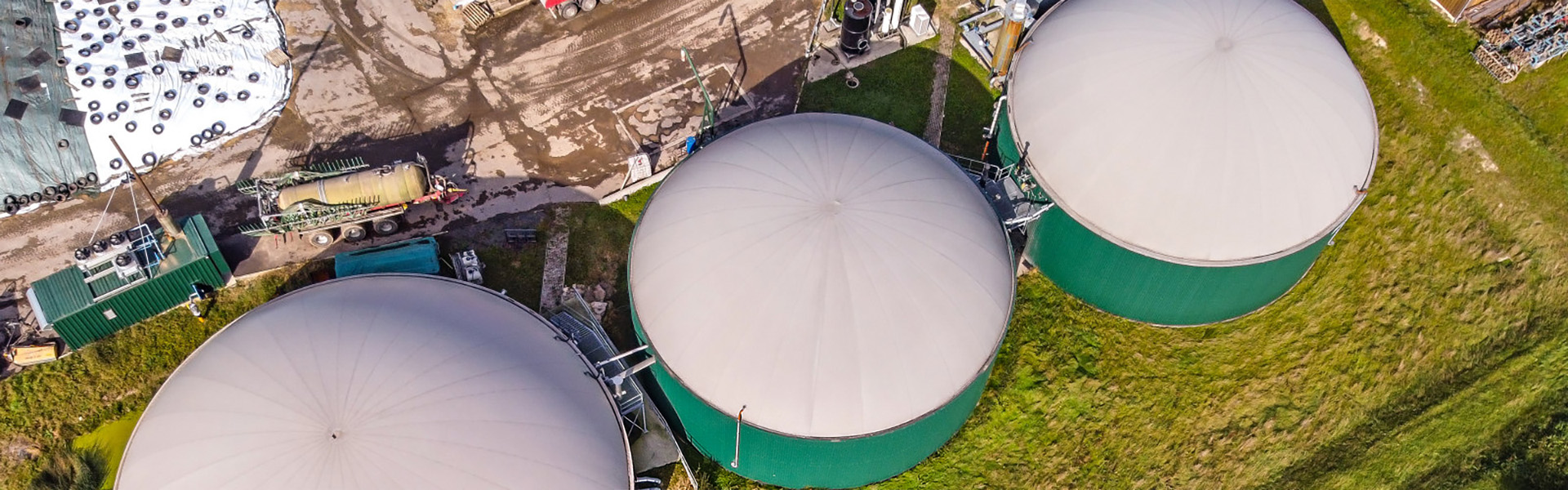
Designing a system for napier grass biogas requires specific considerations. Continuous stirred-tank reactor (CSTR) digesters are commonly used because they handle semi-solid feedstocks well and allow for regular feeding.
The system must include robust feedstock handling and storage areas for ensiled grass. Efficient slurry mixing equipment is vital to prevent floating layers of grass fibers inside the digester.
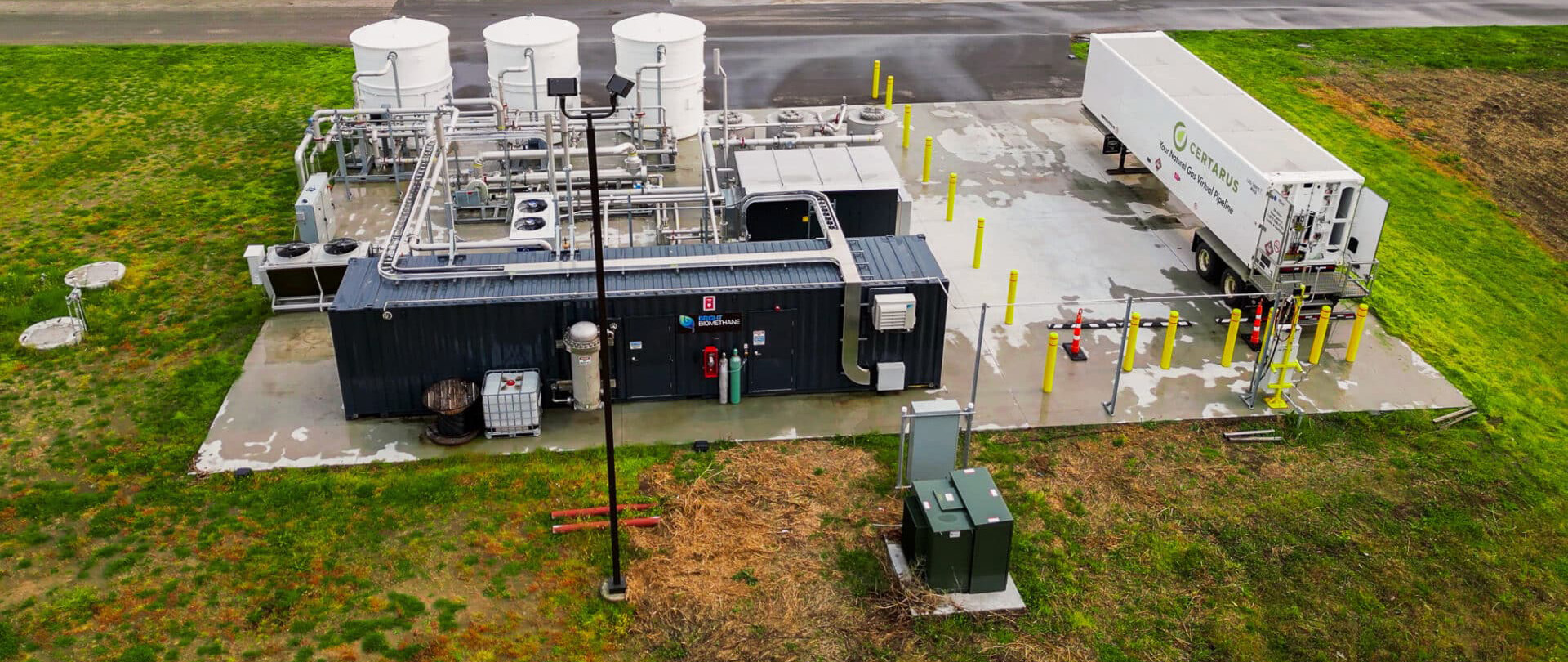
International manufacturers of biogas upgrading equipment provide solutions to clean and upgrade the raw gas to biomethane (Bio-CNG), suitable for vehicle fuel or grid injection.
Economic Viability and Cost Breakdown
The economics of a napier grass biogas project depend heavily on scale and location. Initial capital costs cover land preparation, digester construction, gas handling systems, and sometimes upgrading equipment.
A significant ongoing cost is the cultivation, harvesting, and transportation of the grass. Projects are most viable where land and labor costs are favorable, or where the grass can be grown on underutilized land owned by the project.
Revenue streams include the sale of electricity, heat, or biomethane. The sale of organic digestate as fertilizer can provide an important secondary income, improving the overall return on investment.
Commercial and Community Applications
This model suits various applications. Large-scale farms or agro-industries can build captive plants to meet their own energy needs. Dedicated energy plantations can supply centralized, community-owned biogas facilities.
It is also an excellent model for cooperative projects, where multiple smallholder farmers grow napier grass on field borders and supply it to a shared digester. This provides them with an additional cash crop and access to clean energy and fertilizer.
Challenges and Practical Solutions
While promising, there are challenges. Land and water requirements for cultivation must be carefully managed. Harvesting and logistics need efficient planning to keep costs low.
Silo management to prevent feedstock spoilage is a key skill. Technical knowledge for operating and maintaining the biogas plant is essential for long-term success. Partnering with experienced technology providers can mitigate these risks.
The Role in the Circular Bioeconomy
A napier grass biogas system is a textbook example of a circular economy. It utilizes sunlight and land to grow energy, converts it into usable gas and fertilizer, and returns nutrients to the soil to grow more energy.
It supports rural development, energy access, and climate goals by displacing fossil fuels and chemical fertilizers. As biogas upgrading technologies become more widespread, the potential to inject renewable gas into national grids adds further scale.
Developing a napier grass biogas project requires careful planning around agronomy, logistics, and technology. However, its potential for high, reliable energy output makes it a standout option for sustainable bioenergy.
For regions with suitable climates, it represents a viable path toward energy independence and agricultural enhancement.
Frequently Asked Questions (FAQs)
Q1: How much land is needed for a napier grass biogas plant?
A1: Land requirement depends on the plant size and grass yield. Roughly, to fuel a 100 kW continuous power plant, you may need 15-25 hectares of dedicated land for cultivation, assuming multiple harvests per year. Using marginal lands or field borders can reduce competition with food crops.
Q2: Is napier grass biogas more efficient than cow dung biogas?
A2: In terms of biogas yield per ton of feedstock, yes, napier grass often outperforms cow dung. However, dung provides a valuable bacterial inoculum. Many successful plants use co-digestion, combining napier grass with a smaller amount of manure to optimize both yield and microbial health.
Q3: What is the biggest operational challenge?
A3: Consistent feedstock supply and logistics are often the main hurdles. Ensuring a continuous flow of harvested, chopped, and ensiled grass to the digester 365 days a year requires excellent farm management and reliable equipment.
Q4: Can the biogas be used for vehicle fuel?
A4: Absolutely. After upgrading the raw napier grass biogas to over 95% methane (Biomethane or Bio-CNG), it becomes a direct substitute for compressed natural gas (CNG) and can be used in adapted vehicles. This typically requires additional purification and compression equipment.
Q5: What happens to the leftover digestate?
A5: The digestate is a valuable co-product. It can be used directly as a liquid fertilizer, separated into solid and liquid fractions, or composted. Returning it to the napier grass fields or other crops closes the nutrient loop, reduces chemical fertilizer costs, and improves soil health.