


News
We'll get back to you as soon as possible.
10 Things You Must Know Before Investing in an MSW Biogas Plant
Managing municipal solid waste (MSW) is a global challenge. Landfills are overflowing, and environmental regulations are tightening. An MSW biogas plant offers a powerful solution, transforming everyday waste into renewable energy and valuable compost. This technology is no longer a niche concept but a critical infrastructure for sustainable cities and profitable waste management businesses. If you're considering this investment, understanding the core aspects is crucial.
This article breaks down the essential information about MSW biogas plants, from how they work to their commercial potential and technical considerations.
Core Information: What is an MSW Biogas Plant?
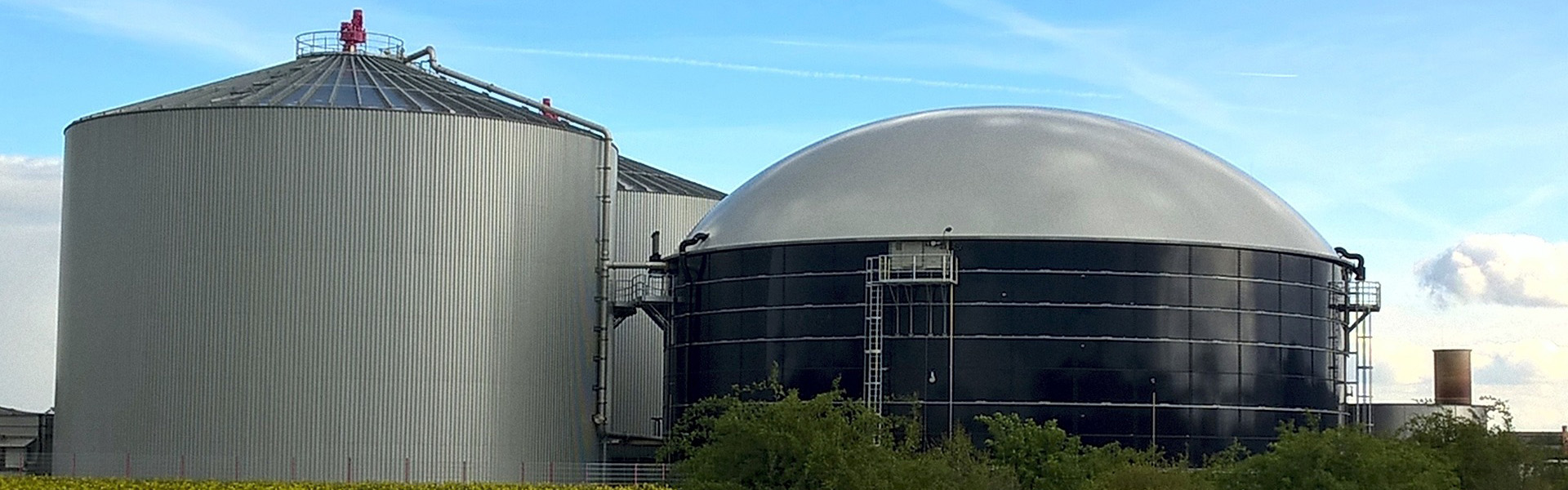
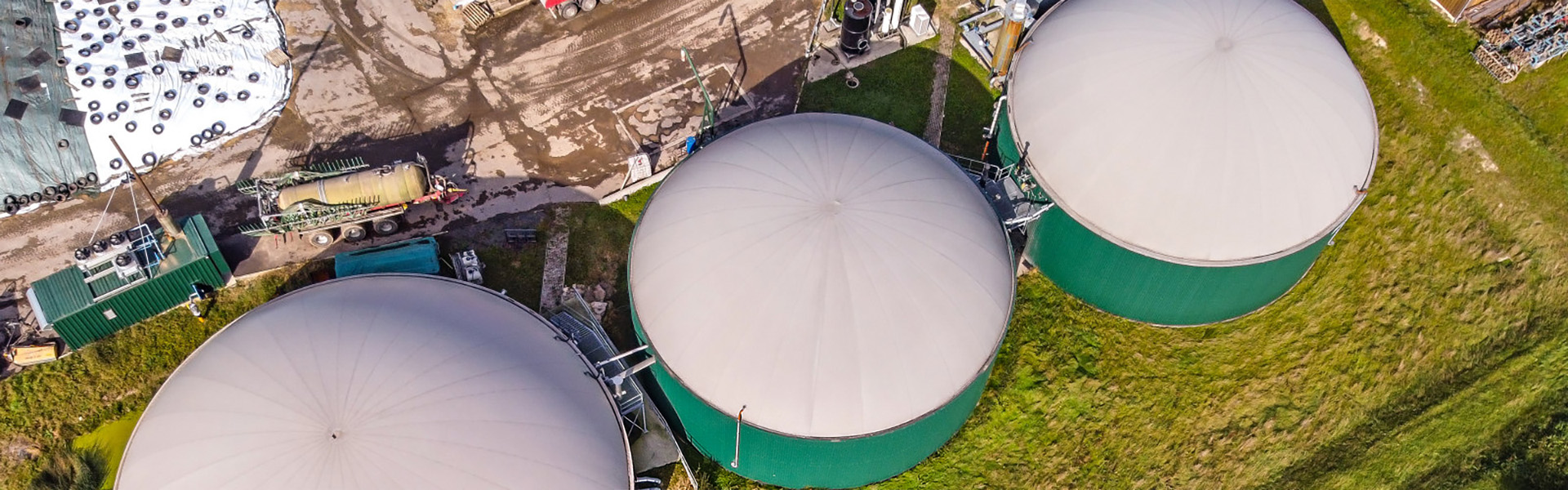
An MSW biogas plant is a specialized facility designed to process organic fractions of municipal solid waste. This includes food scraps, yard trimmings, paper, and other biodegradable materials. Through a biological process called anaerobic digestion, microorganisms break down this waste in the absence of oxygen.
The primary outputs are biogas and digestate. Biogas, a mixture of methane and carbon dioxide, can be upgraded to renewable natural gas (RNG) or used to generate heat and electricity. The digestate is a nutrient-rich material that can be further processed into high-quality biofertilizer.
Unlike agricultural plants that use dedicated crops or manure, an MSW biogas plant must handle a more complex and variable feedstock. This requires robust preprocessing systems to remove contaminants like plastics and metals.
Key Applications and Selection Guide
The application of an MSW biogas plant dictates its design and scale. There are two primary models: centralized and decentralized facilities.
Centralized plants are large-scale operations that serve entire municipalities or regions. They accept waste from residential collection, commercial establishments, and food processing industries. These plants are capital-intensive but benefit from economies of scale.
Decentralized, smaller-scale plants are often employed by specific waste generators. These can include large food manufacturing campuses, agricultural cooperatives, or remote communities. They reduce transportation costs and create localized energy resilience.
Selecting the right plant depends on several factors. First, analyze the quantity and composition of available organic waste. Second, define the primary product goal: is it grid-injectable RNG, electricity for on-site use, or fertilizer production? Third, consider local policies, feed-in tariffs, and renewable energy certificates. A successful MSW biogas plant project aligns technology choice with these local conditions and business objectives.
Understanding the Price and Economic Drivers
The price of establishing an MSW biogas plant is highly variable. A small-scale system can start in the hundreds of thousands of dollars, while large, advanced facilities require tens of millions. Key cost components include preprocessing equipment (shredders, screens, separators), anaerobic digesters, gas upgrading systems, and digestate processing units.
Operating costs are equally significant. These include feedstock procurement (sometimes a tipping fee revenue), labor, maintenance, and energy for running the plant itself. The economic viability hinges on multiple revenue streams: gate fees for accepting waste, selling biogas/RNG, selling electricity/heat, and marketing the digestate as fertilizer.
Government incentives, carbon credits, and green energy subsidies are often critical to the financial model. A thorough feasibility study is non-negotiable before committing to an MSW biogas plant investment.
Commercial Services and Business Models
The sector has evolved to offer various commercial services. Some companies specialize as Engineering, Procurement, and Construction (EPC) contractors, delivering turnkey plants. Others offer Build-Own-Operate-Transfer (BOOT) models, where they finance, build, and operate the facility for a contracted period before transferring ownership to the client.
Technology providers focus on licensing specific digestion or upgrading processes. Additionally, specialized service firms handle operations and maintenance (O&M) under long-term agreements, ensuring optimal plant performance. For municipalities, public-private partnerships (PPPs) are a common route to develop an MSW biogas plant without bearing the full technical and financial risk.
Critical Technology Insights
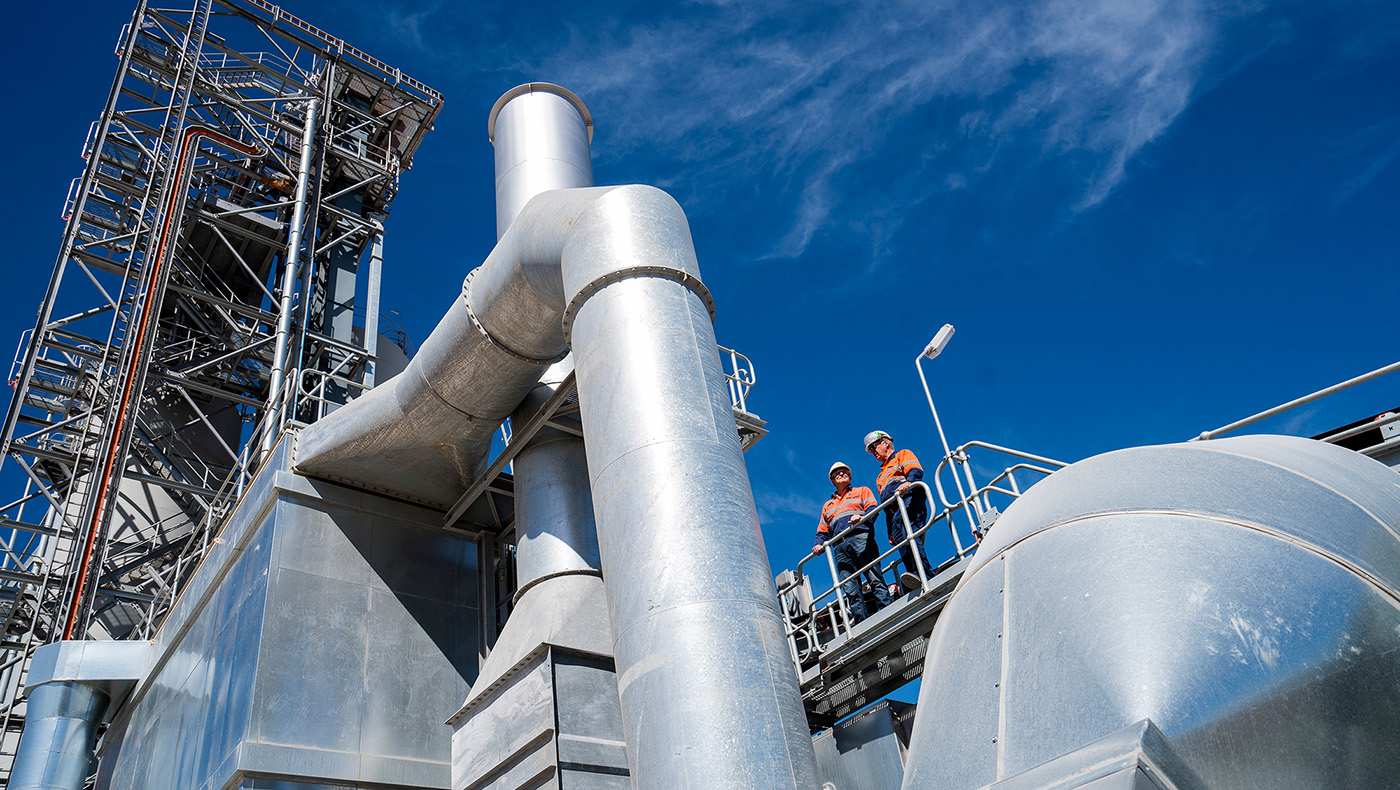
The technology behind an MSW biogas plant is sophisticated. The first critical stage is mechanical and biological pretreatment. This involves removing inorganic contaminants and homogenizing the waste to create a suitable feedstock slurry. Technologies like pulpers, hydrodynamic separators, and pasteurization units are common.
The anaerobic digestion process itself can be wet or dry, and mesophilic or thermophilic, depending on the solids content and temperature. Post-digestion, the biogas often requires upgrading. This involves removing impurities like hydrogen sulfide, moisture, and CO2 to produce pipeline-quality RNG using membrane separation, water scrubbing, or amine scrubbing technologies.
Modern plants integrate advanced process control and monitoring systems to maximize gas yield and ensure stable operation. Choosing reliable and proven technology tailored for mixed waste streams is paramount for the long-term success of an MSW biogas plant.
The Path Forward for Waste Management
Investing in an MSW biogas plant is a strategic decision with compelling environmental and economic returns. It addresses waste disposal crises, reduces greenhouse gas emissions from landfills, and produces renewable energy and circular economy products. While the initial investment and operational complexity are significant, the long-term benefits for communities and investors are substantial.
As global focus on sustainability intensifies, the role of the MSW biogas plant in our urban infrastructure will only grow. Thorough planning, careful technology selection, and a solid business model are the keys to unlocking its full potential.
Frequently Asked Questions (FAQs)
Q1: What are the main environmental benefits of an MSW biogas plant?
A1: An MSW biogas plant significantly reduces landfill use and associated methane emissions—a potent greenhouse gas. It diverts organic waste, cuts carbon footprints by producing renewable energy, and creates organic fertilizer, reducing reliance on chemical alternatives.
Q2: How much waste does a typical MSW biogas plant process daily?
A2: Capacity varies widely. Small-scale plants may process 10-50 tons per day, while large, centralized facilities can handle over 1,000 tons of municipal solid waste daily. The size is determined by local waste availability and project economics.
Q3: Is the biogas produced directly usable?
A3: Raw biogas from an MSW biogas plant can be used in boilers for heat or in specialized engines for combined heat and power (CHP) generation. For injection into the natural gas grid or use as vehicle fuel (Bio-CNG), it must be upgraded to remove CO2 and other impurities.
Q4: What are the biggest operational challenges for these plants?
A4: Consistent feedstock quality is a major challenge, as waste composition can vary. Contaminant removal (plastics, glass) is critical to avoid digester issues. Managing odors and ensuring digestate quality for market acceptance are also key operational focuses.
Q5: How long does it take to build an MSW biogas plant from planning to operation?
A5: The timeline is typically 2 to 4 years. It includes stages like feasibility studies, permitting (which can be lengthy), detailed engineering design, construction, commissioning, and performance testing. Larger or more complex projects may take longer.