


News
We'll get back to you as soon as possible.
7 Factors That Define the Most Efficient Biogas Plant (And Why It Matters)
When you invest in a biogas plant, you're not just buying a machine. You're committing to a long-term energy production system. The difference between a mediocre project and a highly profitable one often comes down to a single metric: overall plant efficiency. An efficient plant maximizes gas yield from your feedstock, minimizes operational headaches, and delivers the strongest return on investment.
But what makes one facility outperform another? The term most efficient biogas plant isn't about a single magic component. It describes a system where engineering, biology, and operational management work in perfect harmony. This article breaks down the seven critical factors that separate top-performing plants from the rest, focusing on practical insights for developers and operators.
Efficiency is More Than Just Gas Yield
Many people equate efficiency with the highest methane production per ton of feedstock. That's important, but it's only part of the story. True holistic efficiency for a most efficient biogas plant encompasses several dimensions.
It includes energy efficiency—how much parasitic energy the plant itself consumes for mixing, pumping, and heating. It involves operational efficiency, measured by uptime and maintenance costs. Finally, it captures economic efficiency: the net profit after all capital and operational expenses.
A plant that produces huge amounts of gas but requires constant manual intervention or vast amounts of heat is not truly efficient. The goal is a robust, automated, and financially optimized system.
Factor 1: Advanced Pre-Treatment Technology
The journey to high efficiency starts before the feedstock even enters the digester. Pre-treatment is a game-changer, especially for challenging or lignocellulosic materials like agricultural residues or certain industrial wastes.
Technologies such as thermal hydrolysis (THP) or enzymatic hydrolysis break down complex organic structures. This makes the material more accessible to the bacteria inside the digester.
The result? A significant increase in biogas yield—often by 20% or more—and a much faster digestion process. It also improves the dewaterability of the digestate, reducing downstream handling costs. For a plant aiming to be the most efficient biogas plant in its class, investing in appropriate pre-treatment is no longer optional.Factor 2: Precision Digester Design and Agitation
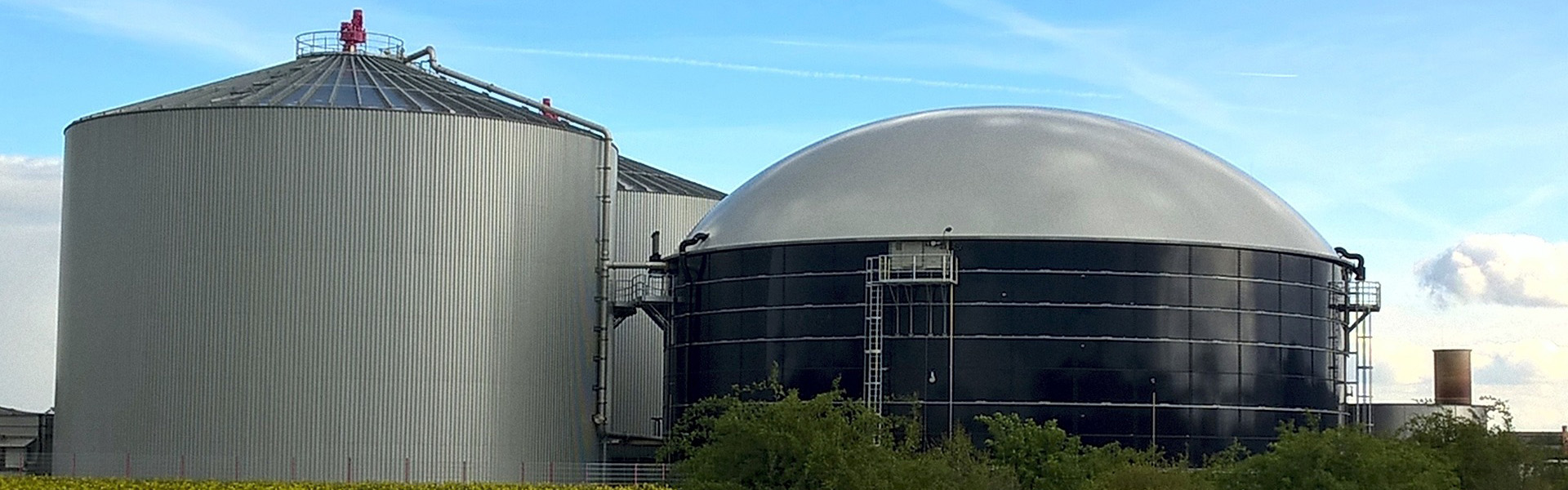
The digester is the heart of the operation. Efficiency here is dictated by design. Key parameters include the retention time (how long feedstock stays inside), temperature consistency (mesophilic vs. thermophilic), and the agitation system.
Ineffective mixing leads to stratification, dead zones, and scum layers. This reduces the effective volume of the digester and limits bacterial contact with the feedstock. Modern, efficient plants use targeted, low-energy mixing systems.
These systems, like submersible propeller mixers or pumped recirculation, ensure homogeneous content without over-agitating and disturbing the sensitive microbial community. Consistent temperature control via integrated heat exchangers is equally non-negotiable for stable biological activity.
Factor 3: Integrated Combined Heat and Power (CHP) Utilization
Producing biogas is only half the battle. Utilizing the energy with minimal waste defines a most efficient biogas plant. A standard combined heat and power (CHP) unit converts biogas into electricity and heat.
However, an efficient plant designs its entire thermal ecosystem around this CHP unit. It captures and uses the engine's waste heat to maintain digester temperature, to dry digestate, or for nearby industrial processes.
The highest efficiency scores go to plants where the heat balance is optimized, leaving little to no thermal energy unused. This dramatically improves the overall energy efficiency ratio of the facility.
Factor 4: Professional Process Control & Automation
Biology is not static. Feedstock compositions change, temperatures fluctuate, and bacterial communities evolve. Relying on manual checks and adjustments leads to sub-optimal performance.
The hallmark of a most efficient biogas plant is a sophisticated process control system. It continuously monitors key parameters: pH level, organic loading rate, volatile fatty acids (VFA) concentration, and biogas composition.
The system uses this data to automatically adjust feeding rates, mixing cycles, and heating. This proactive management prevents process imbalances (like acidification) before they cause downtime. It ensures the plant consistently operates at its biological peak.
Factor 5: Comprehensive Digestate Management
A biogas plant produces two main outputs: gas and digestate. Neglecting the digestate stream can cripple overall project economics and environmental credentials. Efficient handling focuses on nutrient recovery and value addition.
Technologies like screw presses, centrifuges, and thermal dryers separate the digestate into a nutrient-rich liquid fraction and a solid, compost-like material. The liquid can be used as a precise fertilizer, while the solid can be pelletized.
An efficient plant views digestate not as waste, but as a marketable product. This closes the nutrient loop and creates an additional, stable revenue stream that significantly boosts the project's bottom line.
Factor 6: High-Efficiency Gas Upgrading for RNG
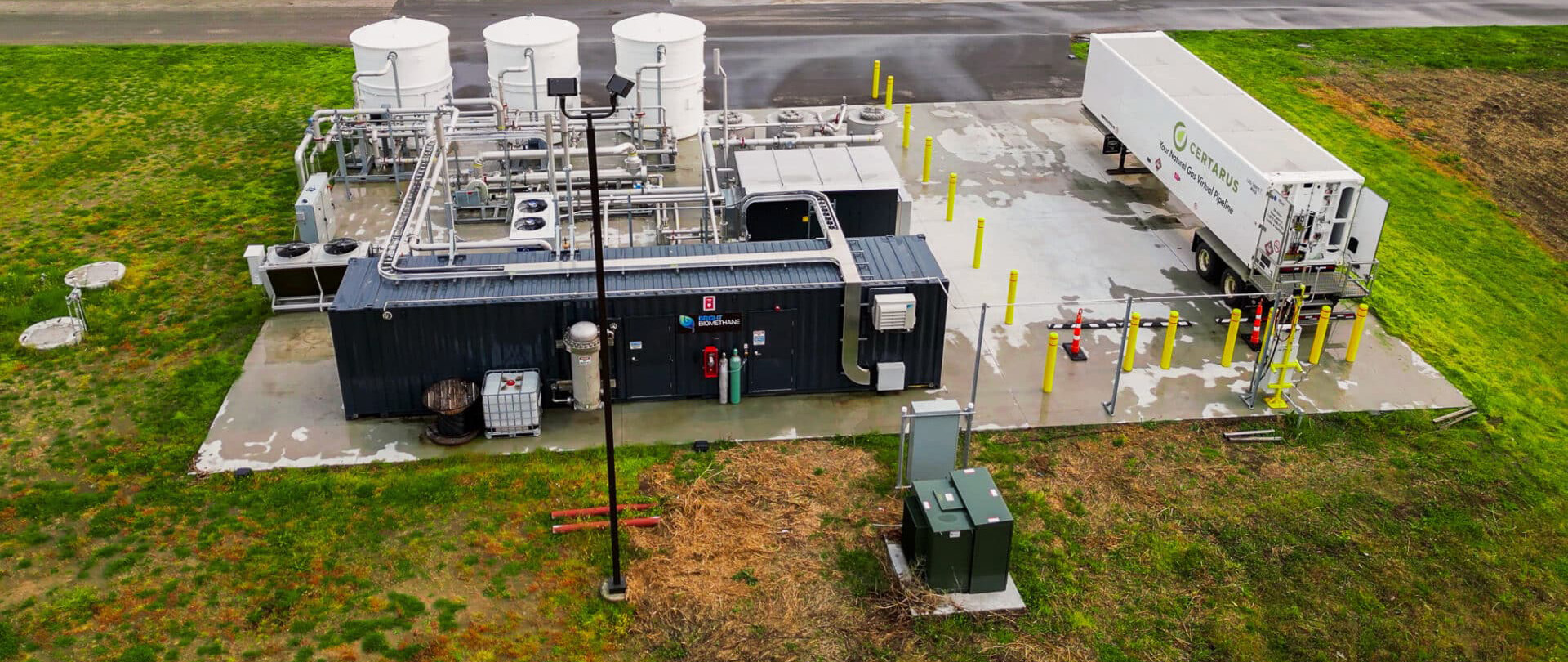
For plants injecting renewable natural gas (RNG) into the grid, the choice of upgrading technology is critical. Methods like membrane separation, water scrubbing, or pressure swing adsorption (PSA) remove CO2 and impurities.
Efficiency here is measured by methane recovery rate (the percentage of valuable CH4 retained in the final product) and the specific energy consumption of the upgrading unit. The most efficient biogas plant will select an upgrading system that maximizes methane recovery (often over 99.5%) while minimizing its own power draw.
This ensures the maximum amount of sellable gas reaches the pipeline from the raw biogas you worked so hard to produce.
Factor 7: Expert Operations and Maintenance
The best-designed plant can fail without skilled operation. Operational efficiency is sustained through a rigorous, predictive maintenance schedule. This goes beyond fixing broken parts.
It involves regular oil analysis for CHP engines, vibration analysis for pumps and mixers, and scheduled cleaning of heat exchangers and sensors. Professional operators use data trends to predict failures before they happen, avoiding costly unplanned shutdowns.
Partnering with experienced O&M (Operations & Maintenance) specialists is often the key to maintaining peak, long-term efficiency and protecting your investment.
Building Efficiency from the Ground Up
Achieving the status of the most efficient biogas plant in your region is a deliberate engineering and management feat. It requires viewing the plant as an interconnected system, not a collection of parts. From smart pre-treatment and precise digester control to full energy utilization and professional ops, every link in the chain must be strong.
The reward is a resilient, profitable facility with a lower environmental footprint and a superior return on investment. In the competitive world of renewable energy, systematic efficiency is the ultimate advantage.
Frequently Asked Questions (FAQs)
Q1: What is the single biggest factor affecting biogas plant efficiency?
A1: While interconnected, the biological process stability within the digester is fundamental. Inefficient mixing, temperature swings, or over-feeding disrupt the microbial communities and directly crash gas production. Consistent, automated process control is the best guard against this.
Q2: How much more expensive is a high-efficiency plant to build?
A2: Capital expenditure (CAPEX) for features like advanced pre-treatment, premium automation, and high-recovery upgrading can be 15-30% higher than for a basic plant. However, this is typically offset within a few years by significantly higher biogas yields, lower operating costs, and increased revenue from by-products, leading to a better IRR.
Q3: Can I upgrade my existing plant to be more efficient?
A3: Yes, retrofits are common. The most impactful upgrades often involve adding or improving pre-treatment systems, installing a more sophisticated process control software, and optimizing the heat integration network. An energy audit can identify the best areas for improvement.
Q4: Does feedstock type determine the potential efficiency?
A4: Absolutely. Feedstock with high energy density and easy biodegradability (like fats, oils, and greases or sugar-rich waste) inherently supports higher efficiency. The mark of a well-designed plant is its ability to maintain high efficiency even with more challenging, mixed, or variable feedstocks.
Q5: How do I measure the overall efficiency of my biogas plant?
A5: Key Performance Indicators (KPIs) include: Specific Gas Yield (m³ of biogas per ton of volatile solids fed), Energy Self-Sufficiency (percentage of plant's energy needs met by its own biogas), and Operational Availability (percentage of time the plant is producing at design capacity). Monitoring these together gives a true picture of performance.