


News
We'll get back to you as soon as possible.
The Modular Biogas Plant: An Efficient and Scalable Solution for Modern Waste and Energy Challenges
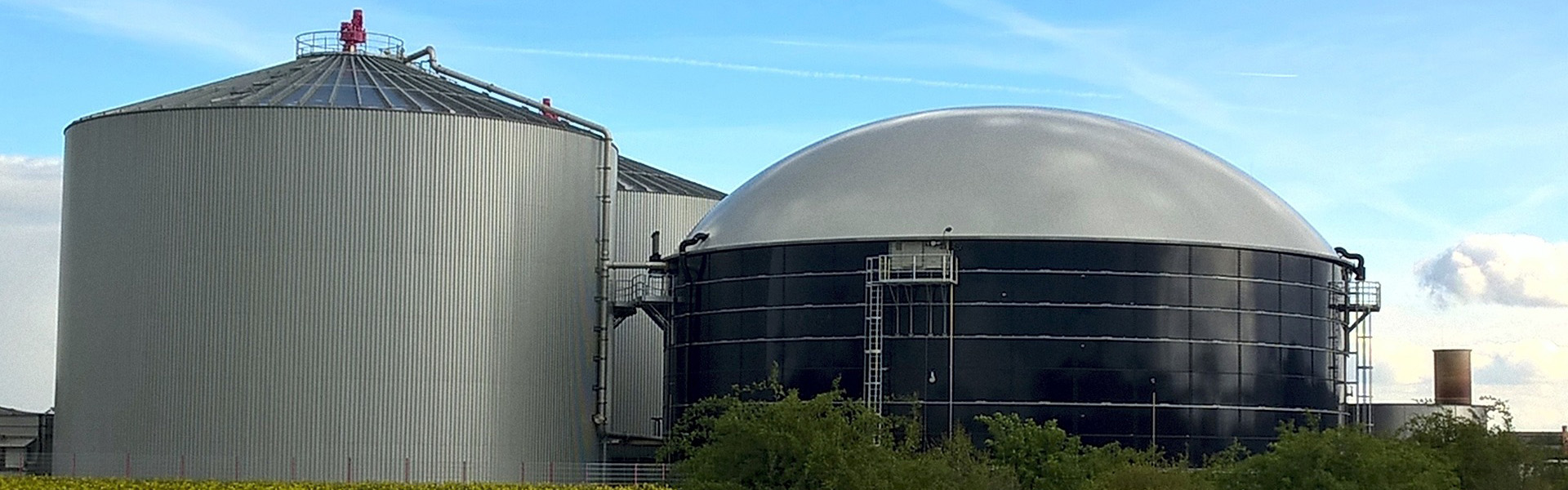
In the global push for sustainable energy and waste management, a new generation of technology is making industrial and agricultural biogas projects more accessible and economically viable than ever. At the forefront of this shift is the modular biogas plant. This innovative approach transforms the traditional, fixed concrete construction into a system of pre-engineered, factory-built components.
Unlike conventional plants, a modular biogas plant is designed for rapid deployment, scalability, and operational simplicity. It offers a practical answer for farms, food processors, municipalities, and industries seeking to convert organic waste into renewable biogas and high-quality fertilizer, while reducing environmental footprints. This model is particularly significant in the international biogas upgrading equipment manufacturing sector, where flexibility and standardization are key to global adoption.
What Defines a Modular Biogas Plant?
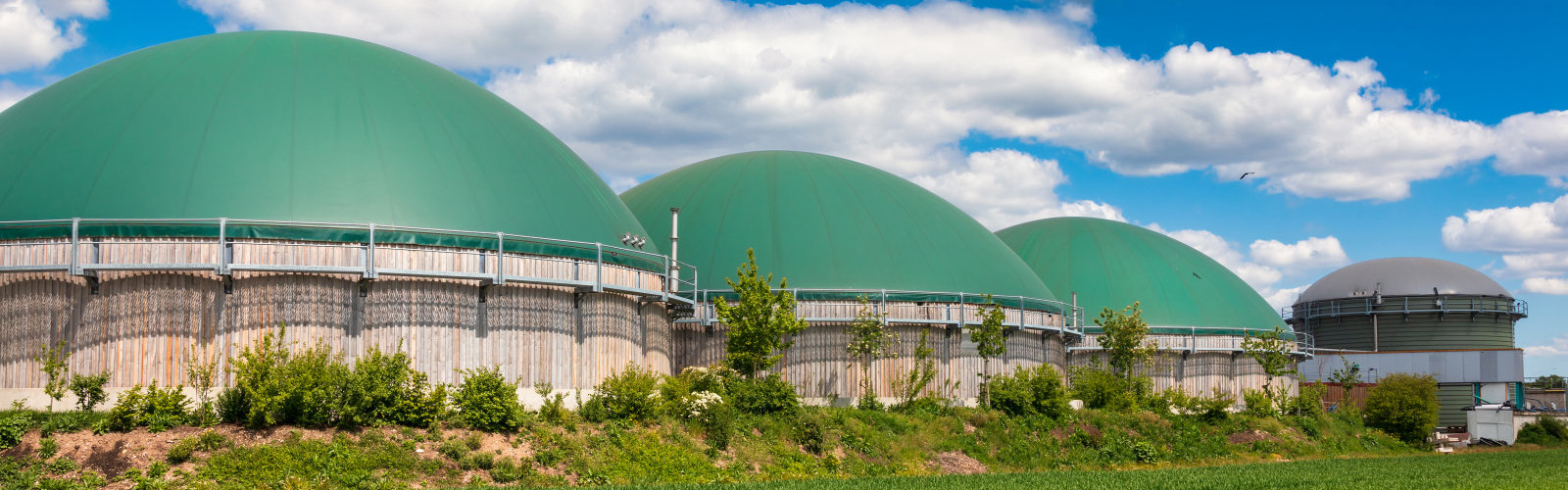
A modular biogas plant is characterized by its prefabricated design. Core components—such as the digestion tanks, gas storage units, CHP (Combined Heat and Power) modules, and often gas upgrading systems—are manufactured in controlled factory environments. They are then transported to the site for assembly.
This methodology brings a fundamental shift. It replaces lengthy, on-site civil engineering works with a streamlined plug-and-play philosophy. The result is a system that can be commissioned in weeks rather than months or years. This efficiency is driving its popularity across the international market for bioenergy solutions.
Core Advantages Over Traditional Designs
The benefits of choosing a modular biogas plant are compelling and address the main pain points of traditional projects.
Reduced Installation Time and Cost: Site work is minimized. Foundation preparation and the connection of pre-built modules drastically cut construction time. This leads to lower labor costs and faster return on investment.
Proven, Standardized Technology: Each module is built to precise, repeatable standards. This reduces engineering uncertainties and ensures process reliability. Performance data from one unit accurately predicts the performance of the next.
Unmatched Scalability: Capacity expansion is straightforward. If feedstock availability increases, additional digester or upgrading modules can be integrated with minimal disruption. This future-proofs your investment.
Flexibility in Application: The modular approach is not one-size-fits-all. Plants can be configured for different feedstock types—from agricultural manure and energy crops to food waste and sewage sludge—and tailored to specific output goals, whether for electricity, heat, or biomethane for the gas grid.
Technical Components and Innovation
A modern modular biogas plant integrates several advanced technical subsystems within its prefabricated framework.
The heart is the digester module, often made of high-grade, corrosion-resistant steel or composite materials. These are equipped with integrated mixing and heating systems. Gas storage is typically handled by double-membrane roofs on digesters or separate flexible storage units.
The energy conversion module houses the CHP unit for generating electricity and heat. For projects aiming to produce vehicle fuel or inject gas into the grid, a biogas upgrading module is key. This is where international biogas upgrading equipment manufacturers excel, offering compact, skid-mounted units for CO2 removal (using membrane, PSA, or water scrubbing technology) that are fully integrated into the modular ecosystem.
Advanced control systems are also modular, delivered as a pre-wired unit that simplifies commissioning and enables remote monitoring and operation.
Applications and Selection Guide
Identifying the right fit for a modular biogas plant depends on your primary objectives.
For Farms and Agribusinesses: Ideal for managing manure, crop residues, and complying with environmental regulations. It provides on-site power and heat, and a potent organic fertilizer, closing the nutrient loop on the farm.
For Food and Beverage Processors: Solves costly waste disposal problems by converting organic by-products into energy for the factory's own use, enhancing energy independence and sustainability credentials.
For Municipalities and Waste Operators: A scalable solution for sewage sludge digestion, organic fraction of municipal solid waste (OFMSW), and landfill diversion projects. Modular plants can grow with community needs.
For Industrial Clients: Offers a pathway to process industrial organic effluents while generating steam or power for the manufacturing process.
When selecting a supplier, evaluate their experience with your specific feedstock, the proven performance of their standard modules, and the comprehensiveness of their service package, from planning to long-term maintenance.
Understanding Price and Economic Factors
The price of a modular biogas plant is typically more transparent and predictable than a custom-built facility. Costs are structured around the core modules needed for your required capacity and output quality.
Key price drivers include:
Plant Capacity: Measured in standard cubic meters of daily biogas or raw feedstock input (tons per day).
Output Specification: A plant designed for simple CHP electricity is less capital-intensive than one requiring full biogas upgrading to biomethane (RNG).
Feedstock Pre-treatment Needs: Complex or heterogeneous waste streams may require additional, specialized pre-treatment modules.
Site-Specific Costs: These include foundation work, grid connection fees, and local permitting, which can vary significantly by region.
While the upfront investment is substantial, the economic model relies on long-term returns: savings on waste disposal, sales of electricity/heat/RNG, sale of digestate as fertilizer, and potential carbon credits or green subsidies.
Commercial Services and Project Support
Reputable providers in the international biogas upgrading equipment and plant manufacturing sector offer more than hardware. They provide end-to-end project services.
This includes initial feasibility studies, detailed engineering design, complete module manufacturing, and turnkey installation and commissioning. Crucially, they also offer long-term operation and maintenance (O&M) contracts, remote monitoring, and performance guarantees. This comprehensive service model de-risks the project for the owner and ensures the modular biogas plant operates at peak efficiency throughout its lifespan.
The Future of Distributed Renewable Energy
The trajectory towards decentralized, circular economies perfectly aligns with the strengths of the modular biogas plant. As technology advances, we can expect modules to become even more efficient, intelligent, and integrated with other renewable systems, like solar PV or hydrogen production.
The ability to deploy robust, standardized biogas solutions quickly and economically makes this technology a critical tool for combating climate change, improving waste management, and enhancing energy security globally.
For any entity looking to transform organic liabilities into valuable assets, the modular biogas plant presents a pragmatic, scalable, and future-ready pathway. It represents the industrial maturation of biogas technology, making sustainable resource recovery accessible to a much wider range of project developers worldwide.
Frequently Asked Questions (FAQ)
Q1: What is the typical installation time for a modular biogas plant compared to a traditional one?
A1: A traditional, site-built biogas plant can take 12 to 24 months to construct. A modular biogas plant, due to its prefabricated nature, can typically be installed and commissioned on-site within 3 to 8 months after the foundation is prepared, representing a significant time saving.
Q2: Can a modular plant be relocated if needed?
A2: While not designed for frequent moves, a key advantage of the modular biogas plant is its potential for relocation. The main tank and equipment modules can, in principle, be disassembled and reinstalled at a new site, which is nearly impossible with monolithic concrete digesters.
Q3: How do maintenance and servicing work for a modular system?
A3: Maintenance is often simpler. Major components are standard and accessible. Many suppliers offer service contracts where critical parts can be pre-ordered or modules can be partially swapped out for servicing. Remote diagnostics built into the control system allow for proactive maintenance planning.
Q4: Are modular biogas plants suitable for cold climates?
A4: Yes. These plants are engineered with integrated insulation and heating systems within the digester module. Factory-controlled construction ensures insulation quality is superior and consistent, often making them very effective in maintaining optimal digestion temperatures in cold environments.
Q5: What is the lifetime of a modular biogas plant, and how does it compare to concrete digesters?
A5: A well-maintained modular biogas plant using high-quality materials (like coated steel or advanced composites) has a design lifetime of 20-25 years or more, comparable to traditional concrete digesters. The longevity heavily depends on the corrosion protection of the materials and adherence to regular maintenance schedules provided by the manufacturer.