


News
We'll get back to you as soon as possible.
Chicken Manure Biogas Plant: Turning Poultry Waste into Profitable, Clean Energy
For poultry farmers worldwide, managing manure is a constant, costly challenge. It’s a significant operational expense and an environmental concern. But what if this waste stream could be transformed into a reliable source of income and energy? This is the exact promise of a dedicated chicken manure biogas plant.
A chicken manure biogas plant is an anaerobic digestion system specifically engineered to handle the unique characteristics of poultry waste. It goes beyond simple waste management, converting a liability into renewable biogas for heat and power, and producing a nutrient-rich biofertilizer. For the international biogas upgrading equipment manufacturing sector, these plants represent a specialized application requiring robust technology to handle high ammonia levels and produce pipeline-quality renewable natural gas (RNG).
Why Chicken Manure is a Unique Feedstock
Chicken manure, particularly from layers and broilers, is a potent substrate for biogas production. It has a high methane potential. However, it comes with specific technical challenges that a standard plant design cannot efficiently handle.
The key issue is its high nitrogen content, which breaks down into ammonia (NH3) during digestion. At elevated concentrations, ammonia becomes toxic to the methanogenic bacteria that produce biogas. This makes feedstock pre-treatment and precise process control non-negotiable for a successful chicken manure biogas plant.
Core Benefits of Installing a Plant
The decision to invest in a chicken manure biogas plant is driven by multiple, compounding returns that impact the farm's bottom line and sustainability profile.
First, it solves the waste problem. It drastically reduces manure volume, odors, and fly populations. It eliminates the cost and logistics of off-site manure removal.
Second, it creates energy independence. The biogas can fuel a generator to produce electricity for farm operations, with excess heat used for brooding houses or other processes. This shields the farm from volatile energy prices.
Third, it generates a superior fertilizer. The digestion process stabilizes the nutrients, creating a digestate that is easier for plants to absorb, with less odor and a reduced pathogen load compared to raw manure.
Finally, it opens revenue streams. Beyond energy savings, farms can sell carbon credits, renewable energy certificates (RECs), or, with upgrading equipment, inject biomethane into the gas grid for a premium.
How a Chicken Manure Biogas Plant Works
A system designed for poultry waste follows a meticulous process to ensure stable, continuous gas production.
It begins with collection and pre-treatment. Manure is collected, and any large bedding materials (like straw) are separated. Crucially, the manure is often diluted or mixed with other co-substrates (like plant waste or slurry) to balance the carbon-to-nitrogen (C:N) ratio and dilute ammonia to safe levels.
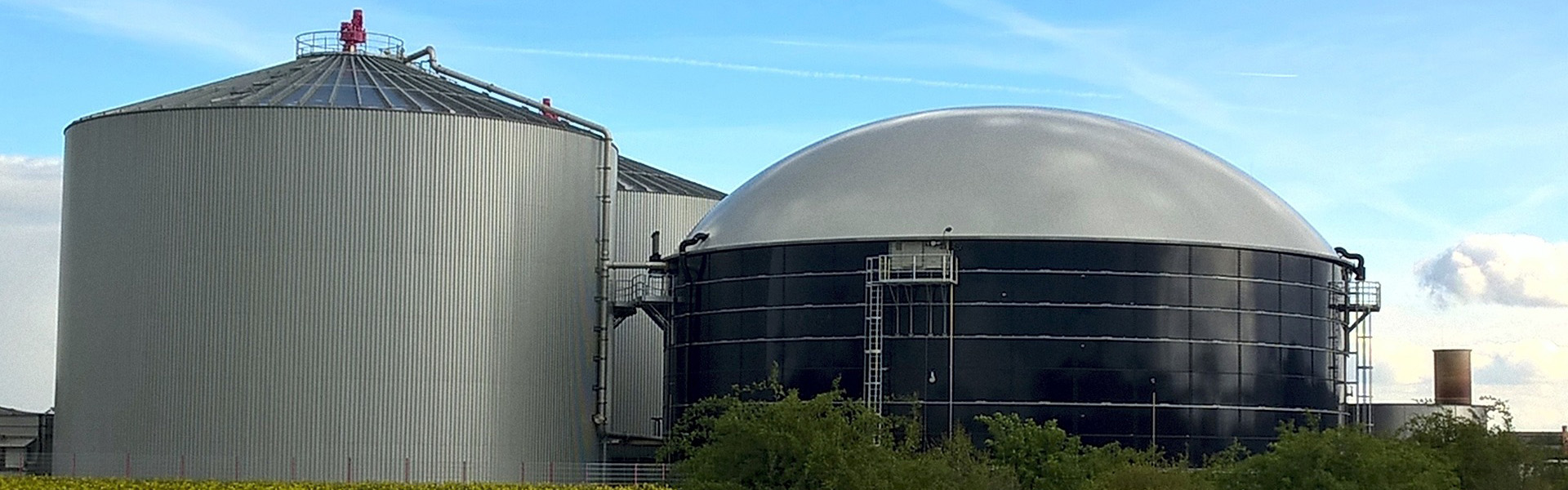
The prepared feedstock is fed into the anaerobic digester, a sealed, heated tank. Here, microorganisms break down the organic matter in the absence of oxygen over a period of 20-40 days. For chicken manure, digester designs often favor configurations like plug-flow or completely mixed tanks with robust, continuous mixing.
The produced biogas is collected from the top of the digester. It typically contains 55-65% methane (CH4), with the remainder being CO2 and trace gases. This raw biogas can be used directly in a combined heat and power (CHP) unit.
The remaining liquid and solid material, called digestate, is stored and then used as a high-value organic fertilizer, completing the nutrient cycle on the farm.
Technical Considerations for High Ammonia
This is where engineering expertise is critical. A chicken manure biogas plant must integrate specific technologies to mitigate ammonia inhibition.
Co-digestion is the most common strategy. By blending chicken manure (high nitrogen) with carbon-rich materials like corn silage, food waste, or glycerin, the overall C:N ratio is optimized for healthy bacterial activity.
Process Monitoring and Control is advanced. Continuous monitoring of pH, temperature, and ammonia levels allows for automatic adjustments to feedstock input or dilution rates to maintain ideal digester conditions.
For projects aiming to produce vehicle fuel or grid-injection gas, a biogas upgrading system is added. This is a core product for international manufacturers. Technologies like water scrubbing or membrane separation are used to strip out CO2 and other impurities, resulting in over 98% pure biomethane (RNG). These upgrading units must be selected with the specific gas composition from chicken manure in mind.
Project Economics and Pricing Factors
The cost of a chicken manure biogas plant is an investment in long-term operational resilience. Pricing is not one-size-fits-all and depends heavily on scale and output goals.
A small, farm-scale system producing biogas for on-site boiler heat might start at a significantly lower investment. A medium-sized plant with a CHP unit for electricity requires more capital for the generator and grid connection equipment.
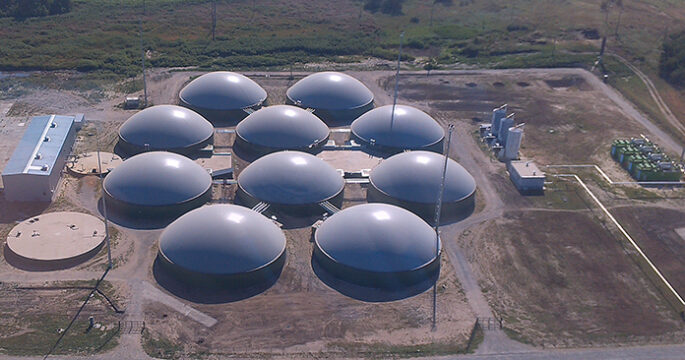
A large, commercial plant with full biogas upgrading equipment to produce RNG represents the highest tier of investment. Here, the cost of the upgrading module itself, from a specialized international manufacturer, becomes a major factor.
Key price drivers include: the daily volume of manure processed, the choice of co-substrates, the desired end-product (heat, power, or RNG), site-specific construction costs, and the level of automation. Government grants, green tariffs, and carbon credit programs are essential to improving the return on investment (ROI), which typically ranges from 5 to 10 years.
Choosing the Right Technology Partner
Selecting a provider is the most critical step. Look for partners with a proven track record in handling poultry manure, not just general agricultural waste.
A credible partner will conduct a detailed feasibility study analyzing your specific manure output, available co-substrates, and local energy prices. They should offer a complete technological package, from pre-treatment and digestion to gas utilization and digestate management.
Crucially, they must have expertise in integrating core digestion technology with biogas upgrading equipment from leading manufacturers if RNG is your goal. Finally, insist on a strong service and maintenance plan. Biological systems need expert support for consistent, long-term performance.
The Future of Poultry Waste Management
The trend is clear. Environmental regulations on nutrient management and ammonia emissions are tightening globally. At the same time, the market for renewable energy and green products is growing.
A chicken manure biogas plant positions a poultry operation at the intersection of these trends. It transforms regulatory compliance from a cost center into a profit center. It future-proofs the farm against energy price shocks and creates a positive environmental story for consumers.
For progressive farmers, it's no longer just about disposing of waste. It's about harnessing a valuable, on-farm resource. Implementing a robust chicken manure biogas plant is a strategic business decision that ensures sustainability, profitability, and resilience for the long term.
Frequently Asked Questions (FAQ)
Q1: How much chicken manure is needed to make a plant viable?
A1: Viability depends on scale. A small farm-scale system can be designed for a few tons per day. Generally, a steady supply from at least 50,000 layers or 200,000 broilers is considered a good starting point for an economically meaningful project that produces excess energy for sale.
Q2: Can I run a biogas plant on chicken manure alone?
A2: It is technically possible but challenging and often inefficient due to ammonia toxicity. Most successful chicken manure biogas plant designs use co-digestion, mixing manure with 20-50% of a carbon-rich co-substrate to ensure stable, high-yield biogas production.
Q3: What happens to the digestate? Is it a good fertilizer?
A3: Yes, the digestate is a key product. The anaerobic process converts nutrients into forms more readily available to plants. It is a consistent, less odorous, and more biologically stable fertilizer compared to raw manure, improving soil health and crop yields.
Q4: What is the typical payback period for such an investment?
A4: The payback period varies widely, from 5 to 10 years. It heavily depends on local energy prices, government incentives (feed-in tariffs, grants), the cost of alternative manure disposal, and whether the plant produces electricity or higher-value biomethane (RNG) for the grid.
Q5: How often does the plant require maintenance?
A5: Daily monitoring of key parameters is essential. Mechanically, pumps, mixers, and CHP engines require regular servicing as per manufacturer schedules. A well-designed chicken manure biogas plant includes service contracts for major components, with many operations now monitored and adjusted remotely for efficiency.