


News
We'll get back to you as soon as possible.
How Biomethanation Plants Work: From Waste to Renewable Gas
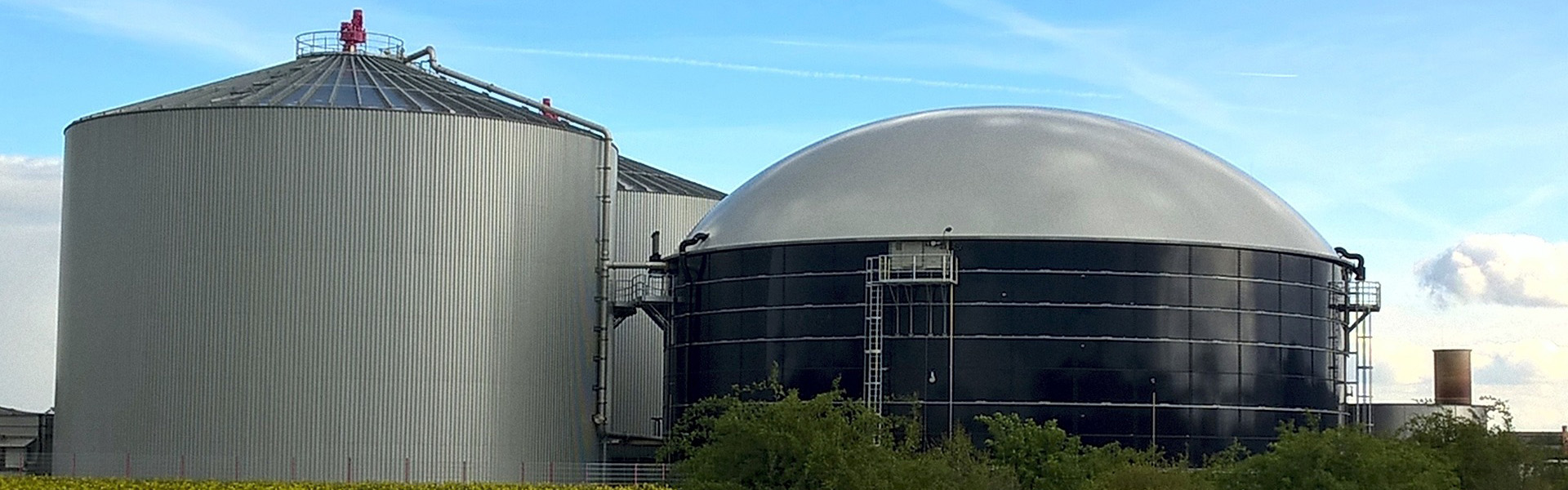
Turning organic waste into a clean, usable fuel might sound complex, but the core biomethanation plant process is a brilliant imitation of nature, refined through engineering. For anyone in agriculture, waste management, or energy development, understanding this process is key to evaluating the technology's potential.
At its heart, the biomethanation plant process is a two-stage engineering feat. It first uses controlled anaerobic digestion to produce raw biogas, and then upgrades that gas to pure biomethane. For suppliers and manufacturers in the international biogas upgrading sector, mastering the integration of these stages is what delivers reliable, high-performance systems.
The Two-Pillar Foundation: Anaerobic Digestion and Upgrading
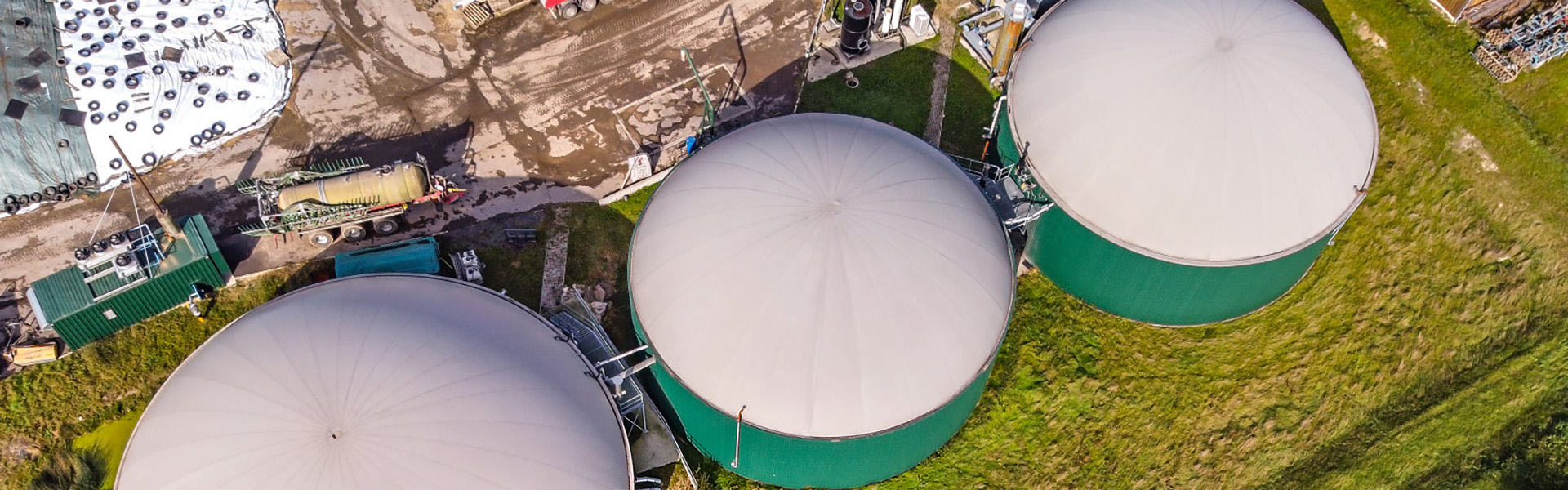
A complete biomethanation plant process is built on two distinct but connected technical pillars. The first is the biological reactor, and the second is the physical-chemical upgrading unit.
The initial stage is Anaerobic Digestion (AD). In large, sealed tanks called digesters, microorganisms break down organic material in the absence of oxygen. This is not a single step but a series of microbial processes: hydrolysis, acidogenesis, acetogenesis, and finally, methanogenesis.
The output of the AD stage is raw biogas, typically a mix of 50-65% methane (CH₄), 30-45% carbon dioxide (CO₂), and trace elements like hydrogen sulfide (H₂S) and water vapor. This biogas is useful for on-site heat and power, but to inject into the gas grid or use as vehicle fuel, the second pillar is essential.
The second, critical stage is Biogas Upgrading or Purification. This is where the biomethanation plant process transforms raw biogas into pipeline-quality biomethane. The goal is to remove CO₂, H₂S, water, and other impurities to achieve a methane content of over 95%, often exceeding 98%.
Inside the Digester: The Anaerobic Core Process
The efficiency of the entire biomethanation plant process depends heavily on the stability and output of the anaerobic digester. It’s a living system that requires careful management.
Feedstock pre-treatment is the first physical step. Incoming organic material—manure, crop residues, food waste—is often shredded, mixed, and sometimes pasteurized. This creates a homogenous slurry and eliminates pathogens, optimizing it for microbial activity.
Temperature is a major control parameter. Most commercial digesters operate in the mesophilic range (35-40°C) for stable, manageable digestion. Some run at thermophilic temperatures (50-60°C), which is faster but requires more energy and is less stable.Hydraulic Retention Time (HRT) is crucial. This is the average time the feedstock remains inside the active digester. It can range from 30 days for agricultural waste to as little as 15 days for more easily digestible materials. The HRT must be long enough for microbes to complete their work.
Continuous mixing inside the tank ensures even temperature, prevents scum layers from forming, and maintains contact between bacteria and the fresh feedstock. This is typically done with large, slow-moving agitators or gas injection systems.
The Upgrading Unit: Cleaning the Raw Biogas
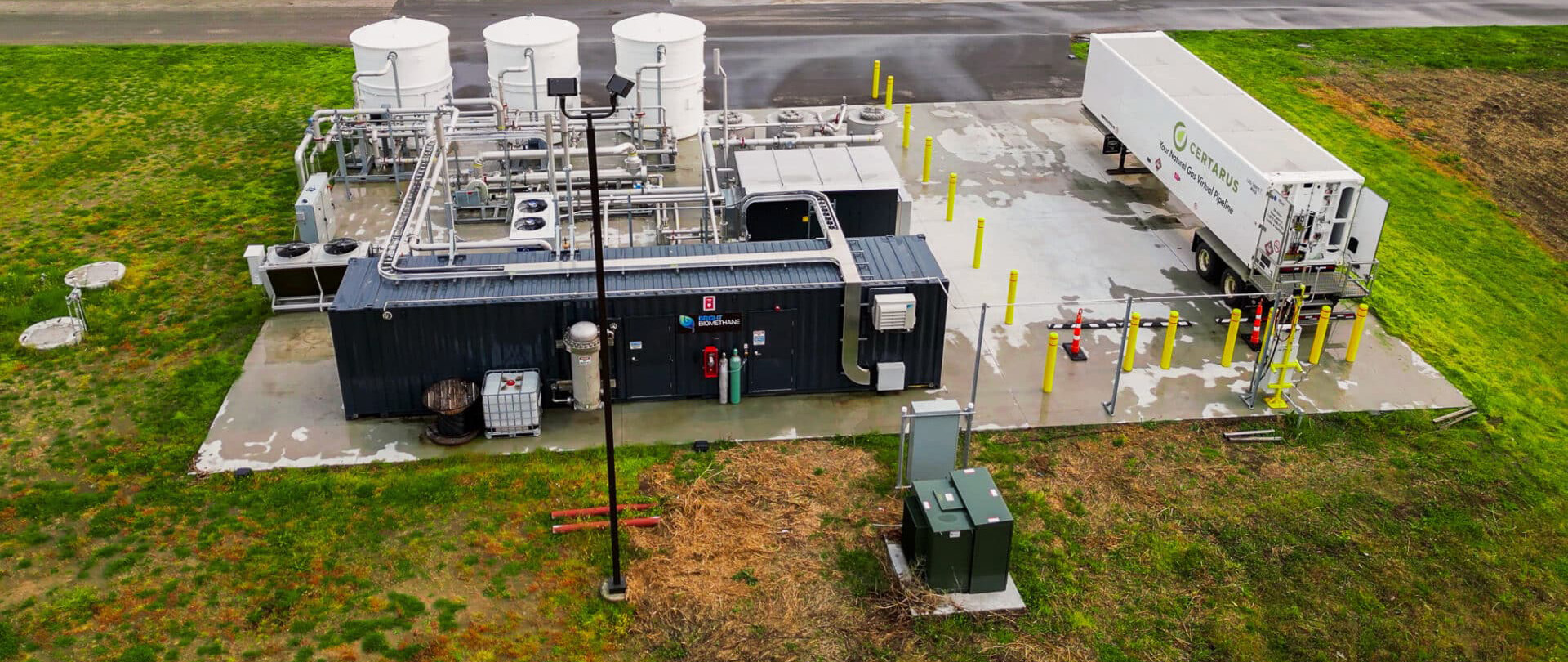
After digestion and basic gas drying and desulfurization, the raw biogas enters the upgrading unit. This is the technological heart of the gas refinement stage in the biomethanation plant process. Several proven methods exist.
Water Scrubbing uses high-pressure water to absorb CO₂ and H₂S from the biogas stream. The methane, less soluble, passes through. The water is then regenerated by releasing the pressure. It's a robust, well-understood method.
Pressure Swing Adsorption (PSA) uses specialized adsorbent materials (like activated carbon or zeolites) that trap CO₂ and other gases under high pressure, allowing methane to pass. The adsorbent is then regenerated by lowering the pressure, releasing the impurities.
Membrane Separation exploits the fact that different gases permeate through polymeric membranes at different rates. CO₂ and H₂S pass through the membrane walls faster than methane, separating the gas stream into a methane-rich product and a waste stream.
Chemical Scrubbing, often with amine solutions, chemically binds to CO₂ in the biogas. The methane-rich gas exits, and the amine solution is heated in a separate column to release the captured CO₂, regenerating the solvent for reuse.
Integration and Design: Making the Whole System Work
A successful biomethanation plant process is more than just connecting a digester to an upgrading skid. It's an integrated design where each subsystem supports the others.
Energy integration is vital. The heat from a combined heat and power (CHP) unit running on raw biogas or from the upgrading unit's compressor can be used to heat the digester. This significantly improves the overall energy balance.
Digestate management is an integral part of the process. The leftover liquid and fiber after digestion are valuable fertilizers. Effective separation, storage, and handling systems for this digestate are a key part of the plant design.
Process control and monitoring tie everything together. Advanced SCADA systems track temperature, pressure, gas composition, and flow rates in real time. This allows operators to optimize the biomethanation plant process, ensure gas quality, and prevent system upsets.
Choosing the Right Process for Your Project
Selecting the optimal biomethanation plant process configuration depends on several project-specific factors.
The type and consistency of your primary feedstock is the starting point. Homogeneous materials like energy crops allow for simpler, higher-rate digestion. Mixed organic wastes require more robust pre-treatment and sometimes wet/dry digestion choices.
The desired final use for the biomethane dictates the upgrading technology choice. Grid injection may require very specific methane content and pressure, while producing bio-CNG for vehicles demands extremely high purity and subsequent compression.
Available space and local infrastructure matter. Some upgrading technologies, like certain amine scrubbers, have a larger physical footprint. Proximity to a gas grid entry point dramatically influences the design and cost of the gas injection system.
Ultimately, the chosen biomethanation plant process must be reliable, efficient, and capable of delivering a consistent product to market. It represents a sophisticated marriage of biology and engineering, transforming waste streams into a cornerstone of the renewable energy landscape.
Frequently Asked Questions (FAQ)
Q1: What are the four main biological stages of anaerobic digestion in a biomethanation plant process?
A1: The four sequential microbial stages are: 1) Hydrolysis, where complex organic polymers (like carbohydrates, proteins, fats) are broken down into simpler soluble molecules. 2) Acidogenesis, where these simpler compounds are converted into volatile fatty acids, alcohols, and carbon dioxide. 3) Acetogenesis, where those products are further processed into acetic acid, hydrogen, and more carbon dioxide. 4) Methanogenesis, where methanogenic archaea convert acetic acid and hydrogen into methane and carbon dioxide.
Q2: What is the single most critical parameter to monitor in the anaerobic digestion stage?
A2: While temperature and pH are vital, the volatile fatty acid (VFA) concentration relative to the alkalinity (often expressed as the VFA/Alkalinity ratio) is perhaps the most critical daily operational parameter. A rising VFA level is the earliest and most sensitive indicator that the microbial process is becoming unstable, allowing operators to take corrective action before a full digester failure occurs.
Q3: How long does the entire biomethanation plant process take from feeding waste to producing biomethane?
A3: The timeline has two parts. The anaerobic digestion phase has a Hydraulic Retention Time (HRT) typically ranging from 20 to 60 days, depending on feedstock and temperature. The biogas upgrading process is almost instantaneous in comparison, taking just minutes as the gas flows through the purification system. So, from introducing fresh feedstock, you are looking at a month or more for that specific material to be converted, but the plant outputs a continuous flow of gas once it is in steady-state operation.
Q4: What happens to the CO₂ that is removed during the upgrading process?
A4: Traditionally, this CO₂-rich off-gas was simply vented to the atmosphere. However, increasingly, this stream is seen as a resource. It can be purified and sold for use in greenhouses, the food and beverage industry, or for carbonating drinks. The most advanced projects are now looking at combining biomethanation with carbon capture and utilization (CCU) technologies.
Q5: Can a biomethanation plant process handle interruptions in feedstock supply?
A5: Yes, but with limits and careful management. Anaerobic digesters have significant buffer capacity. If a feedstock supply is interrupted for a few days, the microbes can continue digesting existing material. For longer planned shutdowns (e.g., for maintenance), the digester can be kept in a "hot-hold" mode, often by recirculating material and adding minimal nutrients. However, a complete, prolonged shutdown requires a careful and time-consuming restart procedure to re-establish the active microbial community.