


News
We'll get back to you as soon as possible.
7 Key Factors Influencing Biomethanation Plant Cost in 2025: A Practical Analysis
When planning a biogas upgrading project, understanding the biomethanation plant cost is essential for feasibility and investment. Costs can vary widely based on multiple variables, impacting the return on investment. This analysis delves into the core elements that drive expenses in the international biomethane sector. We break down the numbers to help stakeholders make informed decisions.
1. Plant Scale and Capacity Impact on Biomethanation Plant Cost
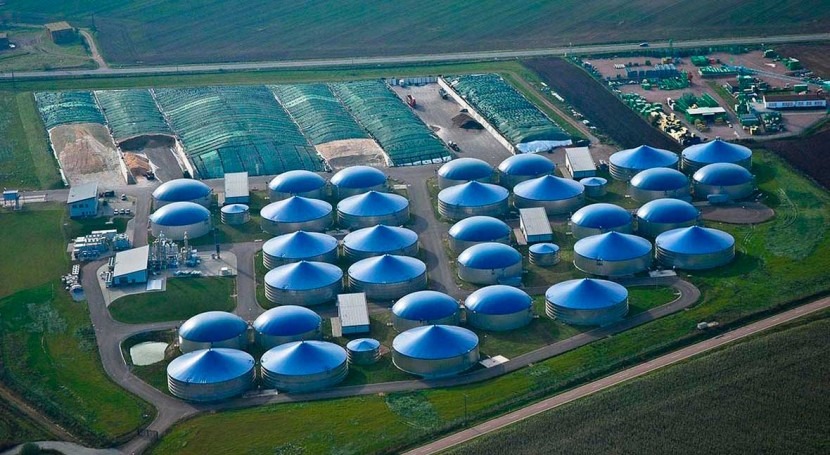
Larger plants often benefit from economies of scale. A 500 Nm³/h facility will have a lower cost per unit than a 100 Nm³/h plant. However, initial capital outlay rises with capacity.
Scale affects not just construction but also piping, storage, and grid connection. The biomethanation plant cost scales non-linearly, so careful capacity planning is crucial. Over-sizing can lead to wasted resources, while under-sizing limits revenue.
In regions like Europe, mid-scale plants are popular. They balance upfront biomethanation plant cost with operational efficiency. Always assess feedstock availability to match scale.
2. Technology Selection and Its Role in Cost Determination
Different upgrading technologies—such as membrane separation, water scrubbing, or PSA—carry varying price tags. Membrane systems might offer lower operational expenses but higher initial biomethanation plant cost.
Technology choice influences maintenance needs and energy consumption. For instance, amine scrubbing requires chemical handling, adding to long-term biomethanation plant cost. Select based on local expertise and gas purity requirements.
Innovations in modular designs are reducing biomethanation plant cost for smaller projects. Yet, proven technologies often provide better reliability, affecting total cost of ownership.
3. Feedstock Type and Availability: A Cost Driver
Feedstock quality directly impacts biomethanation plant cost. High-impurity wastes like municipal sludge may need pre-treatment, increasing expenses. Consistent feedstock supply avoids downtime, optimizing costs.
Agricultural residues are cheaper but might require storage infrastructure. The biomethanation plant cost rises if feedstock transportation is needed. Local sourcing can cut expenses significantly.
In North America, corn silage is common, while in Asia, palm oil waste is used. Each feedstock alters the biomethanation plant cost through digestion efficiency and cleanup needs.
4. Location and Infrastructure Considerations
Site-specific factors heavily influence biomethanation plant cost. Remote locations incur higher logistics and grid-access fees. Proximity to gas grids or CNG stations reduces connection costs.
Local labor rates and regulatory hurdles add variability. In developing regions, infrastructure gaps can escalate the biomethanation plant cost by 20-30%. Soil conditions and climate also matter.
For example, a plant in Germany might have lower biomethanation plant cost due to subsidies and existing infrastructure. In contrast, rural India may face higher initial setup expenses.
5. Regulatory and Compliance Expenses
Meeting environmental standards adds to the biomethanation plant cost. Permits, emissions testing, and safety certifications are mandatory in most countries. These can range from 5% to 15% of total project cost.
In the EU, strict methane slip regulations require advanced monitoring systems. This increases the biomethanation plant cost but ensures market access. Non-compliance risks fines, making budgeting vital.
Tax incentives or carbon credits can offset some biomethanation plant cost. Stay updated on local policies to anticipate expenses accurately.
6. Operational and Maintenance Costs Over Time
Beyond installation, operational biomethanation plant cost includes energy, labor, and spare parts. Automated systems reduce labor but raise initial investment. Regular maintenance prevents costly breakdowns.
Membrane replacements or compressor upkeep are typical expenses. The biomethanation plant cost over 20 years often exceeds capital cost. Plan for lifecycle expenses to avoid surprises.
Training staff on biogas upgrading tech is another factor. Skilled operators optimize efficiency, indirectly lowering biomethanation plant cost per unit of gas produced.
7. Financing, Incentives, and Total Investment
Funding sources affect the perceived biomethanation plant cost. Loans, grants, or private equity change cash flow. Interest rates can add millions over the project lifespan.
Government incentives, like feed-in tariffs, reduce net biomethanation plant cost. In the US, tax credits for renewable gas make projects more viable. Always factor in available support.
Total investment includes contingency funds—usually 10-15% of biomethanation plant cost. This covers unexpected delays or price hikes in materials like steel or compressors.
Conclusion: Navigating Biomethanation Plant Cost for Success
Managing biomethanation plant cost requires a holistic view. From technology to feedstock, each element interplays to shape the budget. Stakeholders must prioritize factors based on regional context and project goals.
As the global biomethane market grows, cost transparency improves. By analyzing these seven aspects, you can better estimate biomethanation plant cost and drive sustainable energy projects forward.
Frequently Asked Questions
Q1: What is the typical range for biomethanation plant cost?
A1: Biomethanation plant cost varies widely. Small-scale units (50-100 Nm³/h) may cost $500,000 to $2 million. Large plants (500+ Nm³/h) can exceed $5 million, depending on technology and location.
Q2: How does feedstock type influence biomethanation plant cost?
A2: Feedstock affects pretreatment needs and gas yield. High-impurity feedstocks like industrial waste increase biomethanation plant cost due to extra cleaning steps, while cleaner agricultural residues may lower expenses.
Q3: Are there ways to reduce biomethanation plant cost without compromising quality?
A3: Yes. Opting for modular designs, sourcing local feedstock, and leveraging government incentives can cut biomethanation plant cost. Regular maintenance also prevents costly repairs, optimizing long-term expenses.
Q4: What percentage of biomethanation plant cost goes into operational expenses?
A4: Operational costs typically account for 20-30% of the total biomethanation plant cost over its lifetime. This includes energy, labor, and maintenance, emphasizing the need for efficient planning.
Q5: How do regional differences impact biomethanation plant cost?
A5: Regions with strong infrastructure and subsidies, like Europe, often have lower effective biomethanation plant cost. In areas with logistical challenges or strict regulations, costs can be 25% higher due to added compliance and transport fees.