


News
We'll get back to you as soon as possible.
5 Critical Factors in AD Reactor Design That Impact Your Biogas Yield
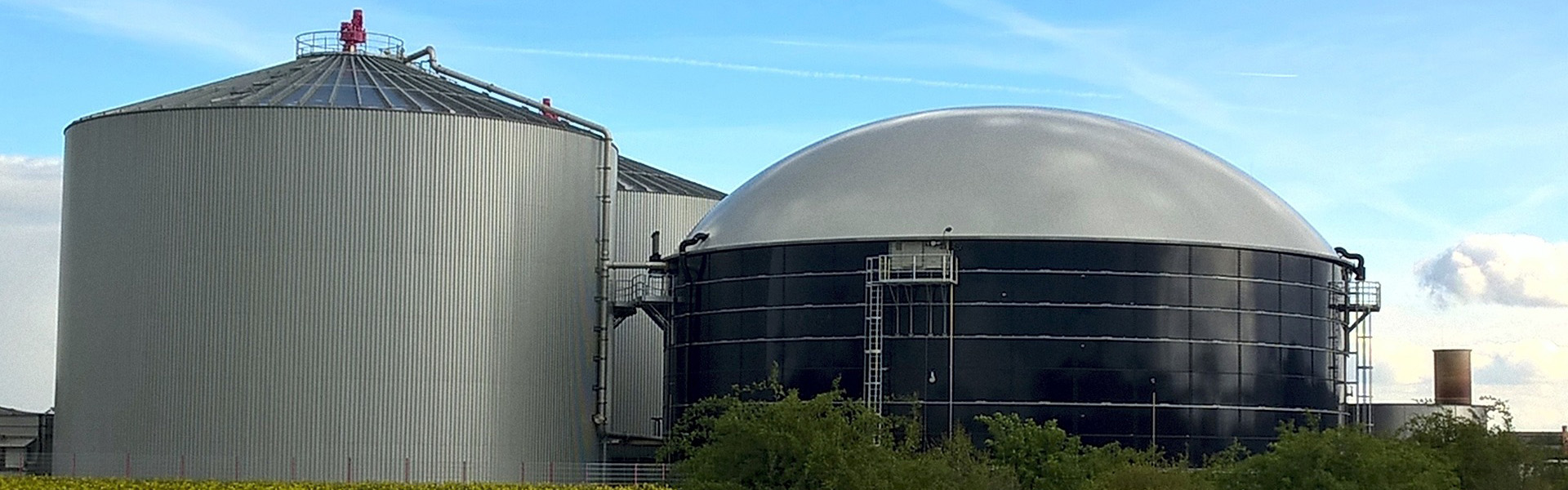
For anyone managing or planning a biogas project, the ad reactor is the undeniable heart of the system. It’s where the complex microbiology of anaerobic digestion happens, turning organic waste into valuable biogas and digestate.
But not all reactors are created equal. The design and operational choices you make here directly dictate your plant’s efficiency, stability, and profitability. This article moves beyond basic theory to focus on the practical, often overlooked, factors that separate a high-performing ad reactor from a problematic one.
What is an AD Reactor? Core Function and Common Types
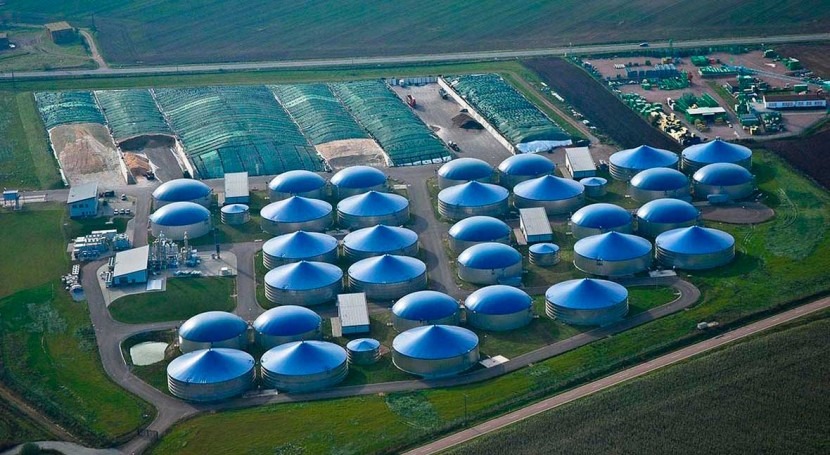
An ad reactor, or anaerobic digester reactor, is a sealed, controlled vessel. Its primary job is to optimize the environment for anaerobic bacteria to break down organic material in the absence of oxygen.
This biological process produces a methane-rich biogas and a nutrient-rich digestate. The core challenge is maintaining the ideal conditions for different microbial consortia over long periods.
The two most prevalent ad reactor designs in commercial use are:
Continuous Stirred-Tank Reactor (CSTR)
This is the workhorse of the industry, especially for agricultural and slurry-based plants. Feedstock is continuously added, and the contents are mechanically mixed.
This ensures uniform temperature, substrate concentration, and prevents scum or sediment layers. It’s highly robust and flexible for varied feedstocks but can have a larger footprint and higher mixing energy needs.
Plug Flow Reactor (PFR)
Often used for drier, stackable feedstocks like manure with high solid content. Feedstock enters one end and moves as a “plug” through the elongated tank with minimal back-mixing.
Retention time is defined by the reactor length. PFRs are generally simpler in construction with no internal moving parts but can be less tolerant of sudden feedstock changes or inorganic contaminants.
Key Design Choices: Selecting the Right AD Reactor Technology
Choosing between a CSTR, PFR, or more advanced designs depends heavily on your specific inputs and goals. Here’s what to weigh:
Feedstock Characteristics: This is the deciding factor. Wet, pumpable slurries (below 12% solids) suit CSTRs. Thicker, fibrous materials (15%+ solids) are better for PFRs. For challenging or mixed wastes, a multi-stage ad reactor system with separate acidogenic and methanogenic tanks might be optimal.
Process Temperature: Most commercial reactors operate in the mesophilic range (35-40°C) for stable, manageable operation. Thermophilic digestion (50-60°C) offers faster throughput and higher pathogen kill but is more energy-intensive and sensitive to disturbances. Your ad reactor must be designed with corresponding heating and insulation systems.
Retention Time (HRT & SRT): Hydraulic Retention Time is how long the liquid stays. Solid Retention Time is critical for the microbes. A well-designed ad reactor manages these separately. Using technologies like digestate recirculation or fixed-film filters can allow for shorter HRTs while keeping vital bacteria in the system.
Mixing Strategy: In a CSTR, proper mixing is non-negotiable. Options include top-mounted vertical agitators, submerged propeller mixers, or gas injection mixing. Each has implications for energy use, wear and tear, and mixing homogeneity. Poor mixing creates dead zones, reducing effective volume and causing process instability.
Geometry and Materials: Tank design (cylindrical, egg-shaped) influences mixing efficiency, scum prevention, and structural costs. Construction materials—typically coated steel or reinforced concrete—must withstand decades of corrosive H2S and mechanical stress.
From Farms to Factories: Primary Applications of AD Reactor Systems
The versatility of the ad reactor makes it a key technology across sectors.
Agricultural Digesters: The most common application. Farmers use CSTRs to process manure, crop residues, and energy crops. It provides on-farm renewable energy and manages nutrient runoff.
Wastewater Treatment Plants (WWTPs): Here, large-scale ad reactor units, often egg-shaped, stabilize sewage sludge. The biogas produced frequently covers the plant’s entire heat and power demand.
Industrial Organic Waste: Food processors, breweries, and biodiesel plants use high-rate reactors to treat high-strength organic wastewater (e.g., from washing, processing) and production residues, turning a disposal cost into an energy asset.
Municipal Solid Waste (MSW): Source-separated organic household waste is digested in large, often multi-stage ad reactor facilities, producing biogas and a compost-like digestate.
Cost Analysis: Budgeting for Your AD Reactor Installation
The capital expenditure for the ad reactor vessel and its core systems is a major part of any project budget.
For a mid-scale agricultural plant (250 kW electrical output), the complete digester tank with heating, mixing, and insulation can range from €300,000 to €600,000. This depends heavily on size, material (concrete vs. steel), and technological complexity.
Operational costs are equally critical. Key expenses include:
Thermal Energy: Maintaining process temperature, especially in colder climates, can consume 20-40% of the produced biogas.
Electrical Energy: For mixing pumps, agitators, and control systems.
Maintenance: Regular servicing of mixers, pumps, and instrumentation. Concrete tanks may require periodic coating inspections.
The ROI is driven by biogas yield per ton of feedstock. A well-optimized ad reactor maximizes this yield, directly improving payback time through increased energy sales, waste tipping fees, and digestate value.
Finding a Qualified AD Reactor Supplier: A Practical Guide
Selecting a vendor is about partnership. Look for these attributes:
Proven Experience: Ask for detailed references for plants using your type of feedstock. Visit an operating site if possible.
Engineering Depth: The supplier should provide detailed hydraulic and process calculations, not just standard drawings. They must understand microbiology, not just steelwork.
After-Sales Support: A robust ad reactor needs reliable service. Ensure they offer 24/7 technical support, remote monitoring options, and a clear maintenance contract.
Material & Warranty: Scrutinize the specifications for steel grade, coating systems, and mixer gearbox quality. A longer warranty on the tank and core components signals confidence.
The Technical Deep Dive: Process Stability and Advanced Control
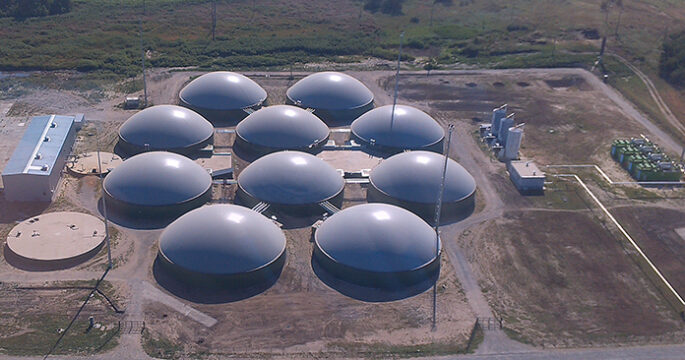
Keeping the microbial community inside your ad reactor healthy is an exercise in precise control. Modern plants rely on sophisticated monitoring.
Key parameters tracked in real-time include:
pH and Volatile Fatty Acids (VFA): The earliest warning sign of imbalance. A rising VFA-to-alkalinity ratio indicates the methanogens are struggling.
Gas Composition & Flow: Continuous analyzers track methane (CH4), carbon dioxide (CO2), and hydrogen sulfide (H2S) content. A drop in methane percentage signals trouble.
Temperature & Pressure: Tight control is essential. Redundant sensors and automated heating systems prevent thermal shock.
Advanced plants use this data in a feedback loop. If VFAs rise, the control system can automatically slow feedstock feeding, adjust mixing intensity, or trigger an alarm for operator intervention. This proactive management is key to avoiding a total process failure.
Conclusion: The AD Reactor as the Foundation of Success
Ultimately, the success of any biogas project rests on the reliability and efficiency of its core biological engine. Viewing the ad reactor not just as a simple tank, but as a finely tuned, living ecosystem is the first step toward optimal performance.
Investing time in the right design choices, partnering with a knowledgeable supplier, and committing to intelligent process control will ensure your ad reactor delivers maximum biogas yield and operational stability for its entire lifespan.
Frequently Asked Questions (FAQs)
Q1: What is the typical operational lifespan of a commercial AD reactor?
A1: A well-designed and maintained ad reactor made from coated steel or reinforced concrete can have an operational lifespan of 25 to 30 years or more. Critical mechanical components like mixers and pumps will require scheduled overhauls every 5-10 years.
Q2: Can an AD reactor handle multiple types of feedstock at once?
A2: Yes, most modern CSTR-type ad reactor systems are designed for co-digestion. This involves mixing a base feedstock (like manure) with other organic wastes (food processing waste, fats, oils). It boosts biogas yield but requires careful management of feeding ratios and monitoring to avoid inhibition.
Q3: How long does it take to start up a new AD reactor from scratch?
A3: The initial biological start-up, called seeding and acclimatization, is a careful process. It involves filling the ad reactor with anaerobic inoculum (e.g., digestate from another plant) and gradually increasing the feedstock load over 8 to 16 weeks until full design capacity and stable gas production are reached.
Q4: What are the most common causes of AD reactor process failure?
A4: The most common causes are: 1) Overloading: Feeding too much, too quickly, leading to acidification. 2) Inhibition: Introduction of toxins like ammonia, heavy metals, or disinfectants. 3) Temperature Fluctuation: A sudden drop can shock the microbial community. 4) Inadequate Mixing: Leading to stratification, scum formation, and dead zones.
Q5: Is it possible to upgrade or retrofit an existing, underperforming AD reactor?
A5: Absolutely. Common retrofits include: installing a more efficient or powerful mixing system, adding a pre-hydrolysis tank, integrating fixed-film media inside the ad reactor to increase bacterial retention, or upgrading the heating and control systems. An expert assessment can identify the most cost-effective improvements.