


News
We'll get back to you as soon as possible.
Anaerobic Digestion Reactors: Comparing Types, Costs, and How to Select the Right Supplier for Biogas Upgrading
In the international biogas upgrading equipment manufacturing sector, the anaerobic digestion reactor stands as a core technology for transforming organic waste into renewable energy and valuable byproducts. This process not only supports waste management but also contributes to sustainable energy production globally. Understanding the nuances of an anaerobic digestion reactor is crucial for industries, municipalities, and farms looking to invest in efficient biogas systems. This article delves into the key aspects, from types and applications to costs and supplier selection, providing actionable insights for decision-makers.
What is an Anaerobic Digestion Reactor?
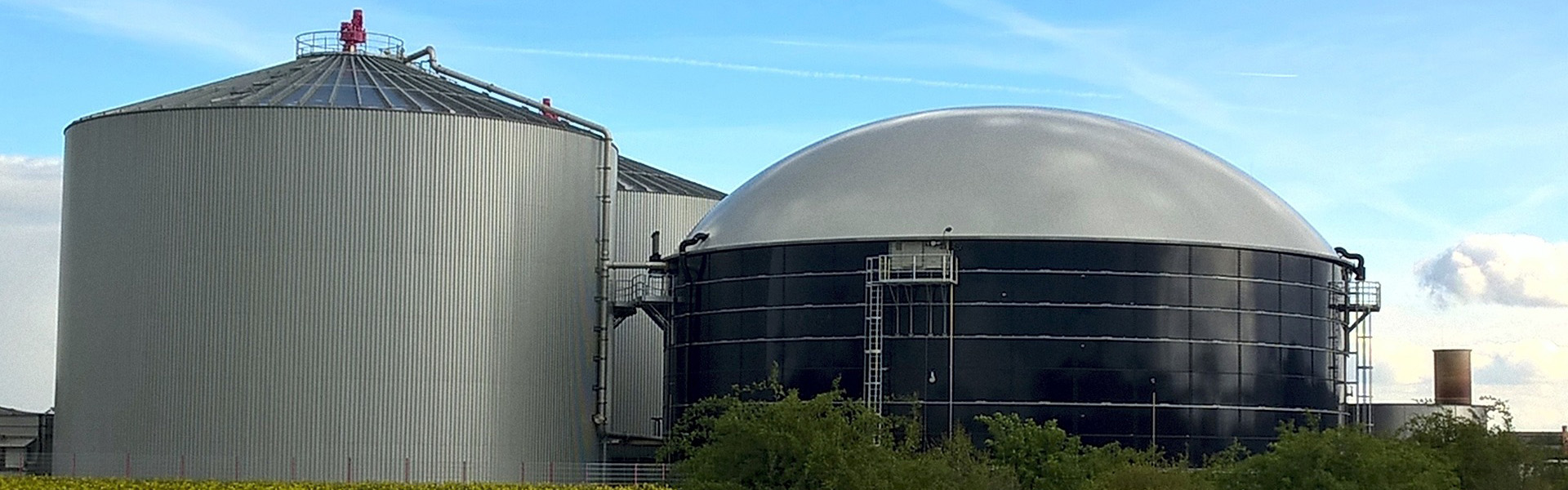
An anaerobic digestion reactor is a sealed vessel where microorganisms break down biodegradable material without oxygen. This biochemical process produces biogas, primarily methane and carbon dioxide, along with digestate that can be used as fertilizer.
The reactor operates under controlled conditions, such as temperature and pH, to optimize microbial activity. In biogas upgrading, the output is often refined to remove impurities, enhancing its utility for power generation or injection into gas grids.
These systems are integral to circular economies, turning waste streams like agricultural residue, food scraps, and wastewater sludge into resources. The design of an anaerobic digestion reactor varies based on feedstocks and desired output, influencing efficiency and scalability.
Types of Anaerobic Digestion Reactors: A Comparative Analysis
Anaerobic digestion reactors come in several configurations, each suited to specific applications. Comparing them helps in selecting the right system for your needs.
Continuous Stirred-Tank Reactors (CSTRs) are common in industrial settings. They use mechanical agitation to mix contents, ensuring consistent microbial contact. This type of anaerobic digestion reactor is ideal for homogeneous feedstocks but may require higher energy input.
Plug Flow Reactors (PFRs) handle thicker, solid-rich materials like manure. Waste moves through the reactor in a sequence, with minimal mixing. This anaerobic digestion reactor design offers simplicity and lower operating costs for certain wastes.
Upflow Anaerobic Sludge Blanket (UASB) Reactors are popular for wastewater treatment. They rely on granular sludge beds to treat liquid streams efficiently. This anaerobic digestion reactor excels in high-flow environments, often used in breweries or food processing plants.
Fixed-Dome and Floating-Drum Reactors are smaller-scale options, prevalent in developing regions. They are cost-effective for community-based projects but may have lower gas yields. Choosing the right anaerobic digestion reactor depends on factors like feedstock type, volume, and local infrastructure.
Applications and Selection Guide for Anaerobic Digestion Reactors
The applications of an anaerobic digestion reactor span various sectors, from agriculture to energy production. Selecting the appropriate system requires a clear understanding of your goals.
In agriculture, these reactors process livestock manure and crop residues, reducing odors and generating on-farm energy. For municipalities, an anaerobic digestion reactor treats organic waste, cutting landfill use and producing biogas for public utilities.
Industrial applications include food processing, where waste is converted to power, offsetting energy costs. In wastewater treatment plants, an anaerobic digestion reactor helps stabilize sludge, lowering disposal expenses.
When selecting an anaerobic digestion reactor, consider feedstock characteristics, such as moisture content and biodegradability. Assess available space, local regulations, and desired outputs like biogas quality or digestate use. Consulting with experts in biogas upgrading equipment can streamline this process, ensuring a fit-for-purpose solution.
Finding Commercial Services and Suppliers for Anaerobic Digestion Reactors
Identifying reliable suppliers and services for an anaerobic digestion reactor is key to project success. The international market offers numerous providers, but due diligence is essential.
Start by researching companies specializing in biogas upgrading equipment. Look for suppliers with a track record in designing and installing anaerobic digestion reactors. Certifications, such as ISO standards, can indicate quality and compliance.
Attend industry trade shows or webinars to connect with vendors. These events often showcase the latest technologies in anaerobic digestion reactor systems, from compact units to large-scale installations.
Consider full-service providers that offer design, installation, and maintenance. For an anaerobic digestion reactor, ongoing support ensures optimal performance and longevity. Reading case studies and client testimonials can reveal supplier reliability and after-sales service quality.
In regions like Europe and North America, suppliers often provide customized solutions. Reach out for quotes and technical consultations to compare offerings, focusing on your specific needs for an anaerobic digestion reactor.
Cost and Pricing Factors for Anaerobic Digestion Reactors
The cost of an anaerobic digestion reactor varies widely based on size, technology, and application. Understanding these factors aids in budgeting and investment planning.
Capital expenses include reactor design, materials, and installation. A small-scale anaerobic digestion reactor for a farm might cost tens of thousands of dollars, while industrial systems can run into millions. Technology type also influences price; for example, CSTRs tend to be more expensive than simple batch reactors.
Operational costs cover energy, maintenance, and labor. An efficient anaerobic digestion reactor can reduce these through biogas recovery, but upfront investments in automation or monitoring systems may be needed. Feedstock preprocessing, such as shredding or mixing, adds to expenses.
Government incentives or grants for renewable energy can offset costs. In many countries, subsidies for biogas projects make an anaerobic digestion reactor more affordable. When evaluating prices, factor in long-term savings from energy production and waste reduction, which enhance ROI for an anaerobic digestion reactor system.
In-Depth Technology and Process of Anaerobic Digestion Reactors
The technology behind an anaerobic digestion reactor involves complex biological and engineering principles. Delving into this reveals how to optimize performance for biogas upgrading.
The process occurs in stages: hydrolysis, acidogenesis, acetogenesis, and methanogenesis. Each stage relies on specific microbial communities breaking down organics. In an anaerobic digestion reactor, conditions like temperature (mesophilic or thermophilic) are controlled to speed up reactions.
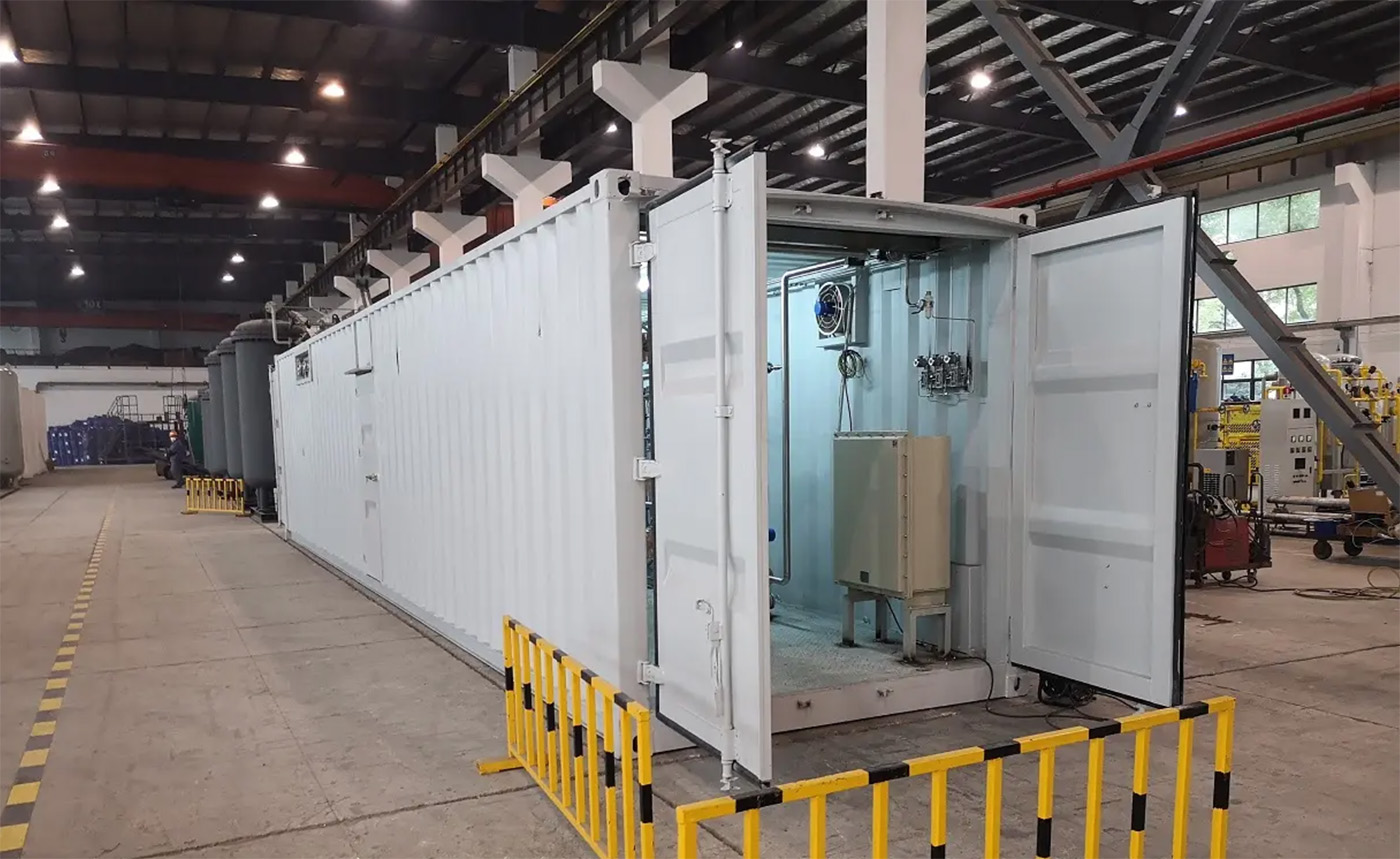
Modern reactors incorporate sensors for real-time monitoring of parameters like pH and gas composition. This data helps adjust inputs, maximizing biogas yield from the anaerobic digestion reactor. Advances in materials, such as corrosion-resistant steels, improve durability in harsh environments.
For biogas upgrading, the raw gas from an anaerobic digestion reactor is often treated to remove CO2 and contaminants. Technologies like membrane separation or water scrubbing integrate with the reactor system, enhancing gas purity for grid injection or vehicle fuel.
Research continues to improve efficiency, such as co-digestion of multiple waste streams. An anaerobic digestion reactor that adapts to varying feedstocks can increase flexibility and output, supporting broader adoption in the biogas sector.
In summary, the anaerobic digestion reactor is a versatile tool in the international biogas upgrading equipment landscape. From comparing types to assessing costs, informed choices can lead to sustainable energy solutions. As demand for waste-to-energy grows, understanding these reactors becomes ever more critical for environmental and economic benefits.
Frequently Asked Questions about Anaerobic Digestion Reactors
Q1: What is the main purpose of an anaerobic digestion reactor?
A1: The primary purpose of an anaerobic digestion reactor is to decompose organic matter without oxygen, producing biogas for energy and digestate for fertilizer, aiding in waste management and renewable energy generation.
Q2: How long does an anaerobic digestion reactor typically last?
A2: With proper maintenance, an anaerobic digestion reactor can last 20 to 25 years. Regular servicing and quality materials from reputable suppliers extend its lifespan in biogas upgrading systems.
Q3: What factors affect the efficiency of an anaerobic digestion reactor?
A3: Efficiency depends on feedstock type, temperature control, pH levels, retention time, and reactor design. Optimizing these parameters in an anaerobic digestion reactor enhances biogas yield and process stability.
Q4: Can an anaerobic digestion reactor handle all types of organic waste?
A4: Not all wastes are suitable; an anaerobic digestion reactor works best with biodegradable materials like food waste, manure, or wastewater sludge. Contaminants or high-lignin content can reduce performance, so feedstock screening is essential.
Q5: How do I choose a supplier for an anaerobic digestion reactor?
A5: Select suppliers based on experience, certifications, customer reviews, and after-sales support. In the international biogas upgrading field, look for providers offering tailored solutions and compliance with local regulations for anaerobic digestion reactors.