


News
We'll get back to you as soon as possible.
Anaerobic Digestion Renewable Energy: Costs, Technologies, and How to Source a System
Turning organic waste into power is no longer a niche concept. It's a practical, scalable solution for energy security and waste management. At the heart of this solution lies anaerobic digestion renewable energy. This process captures biogas from decomposing organic matter and refines it into a clean fuel. For industries and communities worldwide, it transforms liabilities like manure, food scraps, and wastewater into valuable assets. This article cuts through the complexity, comparing technologies, breaking down costs, and providing a clear path for sourcing effective systems within the international biogas upgrading sector.
What is Anaerobic
Digestion Renewable Energy?
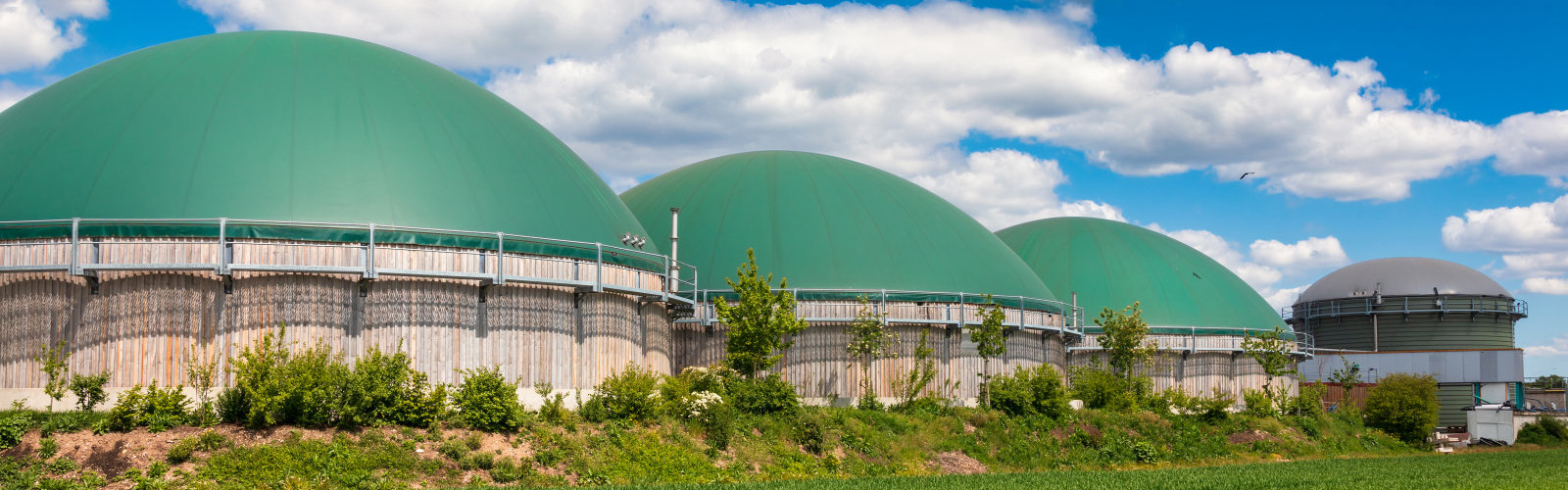
Anaerobic digestion renewable energy is generated from biogas produced by breaking down organic material without oxygen. The core product is biogas, a mix of methane and carbon dioxide.
This biogas can be used directly for heat or electricity. More commonly, it is upgraded to renewable natural gas (RNG), a pipeline-quality fuel. This upgrade is where specialized gas treatment equipment becomes critical.
The process addresses two major issues simultaneously: organic waste disposal and clean energy production. It creates a circular economy, turning waste streams into a reliable source of anaerobic digestion renewable energy.
It's distinct from other renewables like solar or wind because it provides baseload power and manages waste. This dual benefit drives its adoption across agriculture, industry, and municipalities.
Comparing Anaerobic Digestion to Other Renewable Energy Sources
Understanding how anaerobic digestion renewable energy stacks up against alternatives helps in planning a diversified energy portfolio.
Solar and wind are intermittent. They depend on weather and time of day. Anaerobic digestion renewable energy, however, can operate continuously, providing a stable, dispatchable energy supply.
Hydropower requires specific geography. Anaerobic digestion plants can be built anywhere organic waste is concentrated. This includes farms, food processing plants, and wastewater treatment facilities.
The key differentiator is the waste management component. Unlike other renewables, a anaerobic digestion renewable energy project directly reduces greenhouse gas emissions from decomposing waste while producing fuel.
It often complements other renewables. For example, biogas can be stored and used to generate power when the sun isn't shining or the wind isn't blowing, enhancing grid stability.
Key Applications and Project Selection Guide
The applications for anaerobic digestion renewable energy are diverse. Choosing the right project type depends on your feedstock and energy goals.
Agricultural digesters are the most common. They use livestock manure and crop residues. The produced energy often powers the farm, with excess sold to the grid. Digestate becomes a potent fertilizer.
Industrial applications are growing fast. Food and beverage manufacturers use on-site digesters to process wastewater and production waste. This cuts disposal costs and generates process heat or electricity.
Municipal wastewater treatment plants have used digestion for decades to treat sewage sludge. Now, many are upgrading systems to produce vehicle-grade RNG, turning a treatment cost into a revenue stream.
Landfill gas recovery is a related pathway. While not a controlled digester, it captures methane from decomposing waste, converting it into anaerobic digestion renewable energy.
When selecting a project, assess feedstock quantity, consistency, and location. A clear off-take agreement for the gas or power is essential for financial viability. Proximity to a gas pipeline influences the choice between generating electricity or upgrading to RNG.
Navigating Suppliers and Service Providers in the Biogas Upgrading Sector
The market for anaerobic digestion renewable energy technology is international and specialized. Finding the right partner is crucial for success.
The sector includes digester tank suppliers, engineering firms, and specialty manufacturers of biogas upgrading equipment. These providers offer technologies like membrane separation, amine scrubbing, and pressure swing adsorption (PSA) to purify biogas into RNG.
Look for suppliers with a strong track record and local project references. An experienced provider will handle everything from feasibility studies and system design to commissioning and maintenance.
Important questions to ask include: What is the expected methane recovery rate and purity of the upgraded gas? How energy-intensive is the upgrading process? What kind of operational support do you offer?
Attending industry conferences, such as the annual BIOGAS Convention or tradeshows in Europe and North America, is an excellent way to meet multiple vendors and see the latest anaerobic digestion renewable energy technologies firsthand.
Cost Analysis and Financial Considerations for Anaerobic Digestion Plants
The cost of a anaerobic digestion renewable energy project is significant but must be viewed as a long-term investment with multiple revenue streams.
Capital costs are highly variable. A small farm-based system may start at a few hundred thousand dollars. A large-scale, integrated digester with gas upgrading can cost tens of millions. Key cost drivers include pre-treatment equipment, digester tanks, the upgrading unit, and gas injection or power generation infrastructure.
Operational costs include labor, maintenance, feedstock handling, and energy to run the plant's own equipment. Efficient system design minimizes these ongoing expenses.
Revenue can come from several sources: selling electricity or RNG, tipping fees for accepting waste, and selling digestate as fertilizer. Government incentives like tax credits, grants, or feed-in tariffs for renewable energy dramatically improve project economics.
A thorough financial model for anaerobic digestion renewable energy must account for all these factors. The payback period typically ranges from 5 to 10 years, depending on scale, feedstock costs, and energy prices.
The Technology Deep Dive: From Digestion to Upgraded Renewable Natural Gas
The journey to high-quality anaerobic digestion renewable energy involves a sophisticated, multi-stage process.
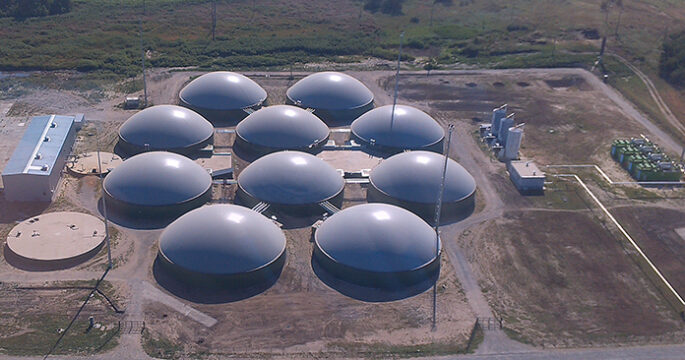
First, feedstock is prepared and fed into the anaerobic digester—a heated, sealed tank. Microbes digest the material over 20-40 days, producing raw biogas. Digester types, like CSTR or plug-flow, are chosen based on feedstock solids content.
The raw biogas is only about 50-70% methane, with the rest mostly CO2, plus trace contaminants like hydrogen sulfide and water vapor. These impurities must be removed for the gas to be used as RNG.
This is the domain of biogas upgrading manufacturers. Amine scrubbing uses a chemical solvent to absorb CO2. Membrane systems separate gas molecules based on size and permeability. PSA units use specialized adsorbents under pressure.
Each technology has trade-offs in capital cost, energy use, and methane purity. The choice depends on the specific gas composition and project scale. The final product is over 96% pure methane, ready to replace fossil natural gas.
Ongoing innovations, like smarter process controls and more efficient upgrading membranes, continue to improve the output and economics of anaerobic digestion renewable energy systems.
Implementing an anaerobic digestion renewable energy project is a strategic decision. It requires careful planning around technology, feedstock, and finances. However, the benefits—reduced carbon emissions, waste diversion, and a new energy revenue stream—make it a compelling component of the modern renewable energy mix. As global focus on decarbonization intensifies, this technology's role will only grow.
Frequently Asked Questions (FAQ)
Q1: How efficient is anaerobic digestion at producing renewable energy?
A1: The energy efficiency of an anaerobic digestion renewable energy system is high. Typically, 30-40% of the chemical energy in the feedstock is converted into usable biogas energy. With combined heat and power (CHP) systems, overall efficiency can exceed 80%.
Q2: Can anaerobic digestion renewable energy power an entire facility?
A2: Yes, depending on the facility's energy needs and the digester's scale. Many farms and food processing plants operate as net energy producers. They generate enough anaerobic digestion renewable energy to power their own operations and export surplus to the grid.
Q3: What are the main maintenance challenges for a biogas plant?
A3: Key maintenance focuses on mechanical mixers, pumps, and the sensitive upgrading equipment. Corrosion from hydrogen sulfide is a common issue. Regular monitoring of biological processes within the digester is also vital to maintain stable gas production for renewable energy.
Q4: Is the renewable natural gas (RNG) from anaerobic digestion truly carbon-neutral?
A4: It is considered carbon-negative or highly carbon-neutral. The process captures methane that would otherwise be released from decomposing waste, a potent greenhouse gas. When the RNG burns, it releases CO2 that was recently part of the natural carbon cycle, unlike fossil fuels.
Q5: How long does it take to build an anaerobic digestion renewable energy plant?
A5: From planning to commissioning, a typical timeline is 18 to 36 months. This includes feasibility studies, permitting, engineering design, construction, and start-up. Larger or more complex projects with gas upgrading may take longer. Securing grid connection or gas pipeline interconnection can also impact the schedule.