Finding the best biogas technology isn't about a single, universal product. It's about matching the most effective system components to your specific feedstock, location, and project goals. This guide breaks down the key factors, from core processes to vendor selection, to help you make an informed decision for your commercial, industrial, or agricultural operation.
A successful biogas plant hinges on selecting the best biogas technology configuration for your unique circumstances. The optimal system maximizes gas yield, ensures operational stability, and delivers a strong return on investment. This involves careful consideration of biological processes, upgrading equipment, and the engineering partners who bring it all together.
Core Technologies: Anaerobic Digestion at the Heart
At its core, biogas production relies on anaerobic digestion (AD). The best biogas technology for your feedstock starts here.
Wet vs. Dry Fermentation: Wet systems handle pumpable substrates with less than 15% dry matter. Dry systems, like garage-type or box digesters, process stackable organic waste with over 20% dry matter. Choice depends on your material.
Mesophilic vs. Thermophilic Digestion: Mesophilic digesters operate around 95-105°F (35-40°C), are more stable, and require less energy. Thermophilic systems run at 125-140°F (50-60°C), offer faster throughput and higher pathogen kill, but are more sensitive. Most farm-based systems are mesophilic.
Continuous vs. Batch Feeding: Continuous systems steadily add and remove material, providing stable gas production. Batch systems fill, seal, and harvest in cycles, often simpler but with variable gas output.
Critical Sub-Systems: Beyond the Digester Tank
The digester is just one component. The best biogas technology plants integrate several key subsystems.
Pre-treatment Technology: This can include shredders, pulpers, pasteurizers, and hygienisation units. Effective pre-treatment enhances digestion, removes contaminants, and ensures feedstock homogeneity.
Digester Agitation: Efficient mixing prevents scum and sediment layers. Options include long-axis agitators, submersible mixers, and paddle systems. Proper mixing is crucial for consistent gas production.
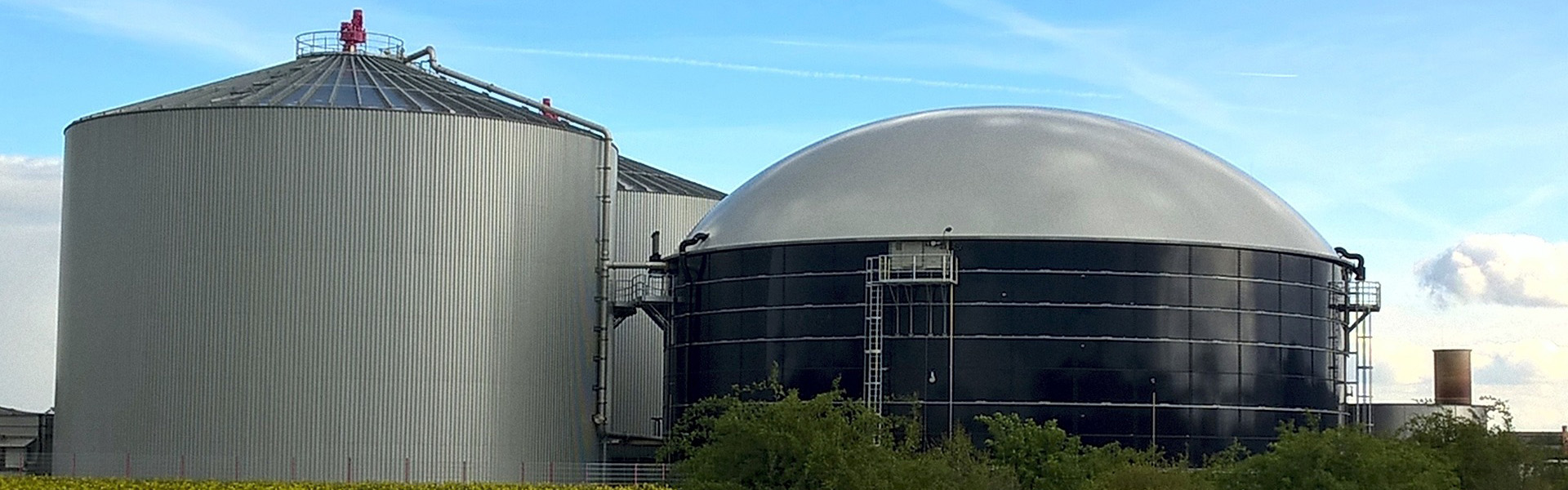
Gas Holder and Storage: Biogas must be stored before use. Integrated double-membrane roofs on digesters or separate external gas holders are common. Storage capacity smooths out fluctuations in engine feed.
Biogas Upgrading: The Path to Biomethane
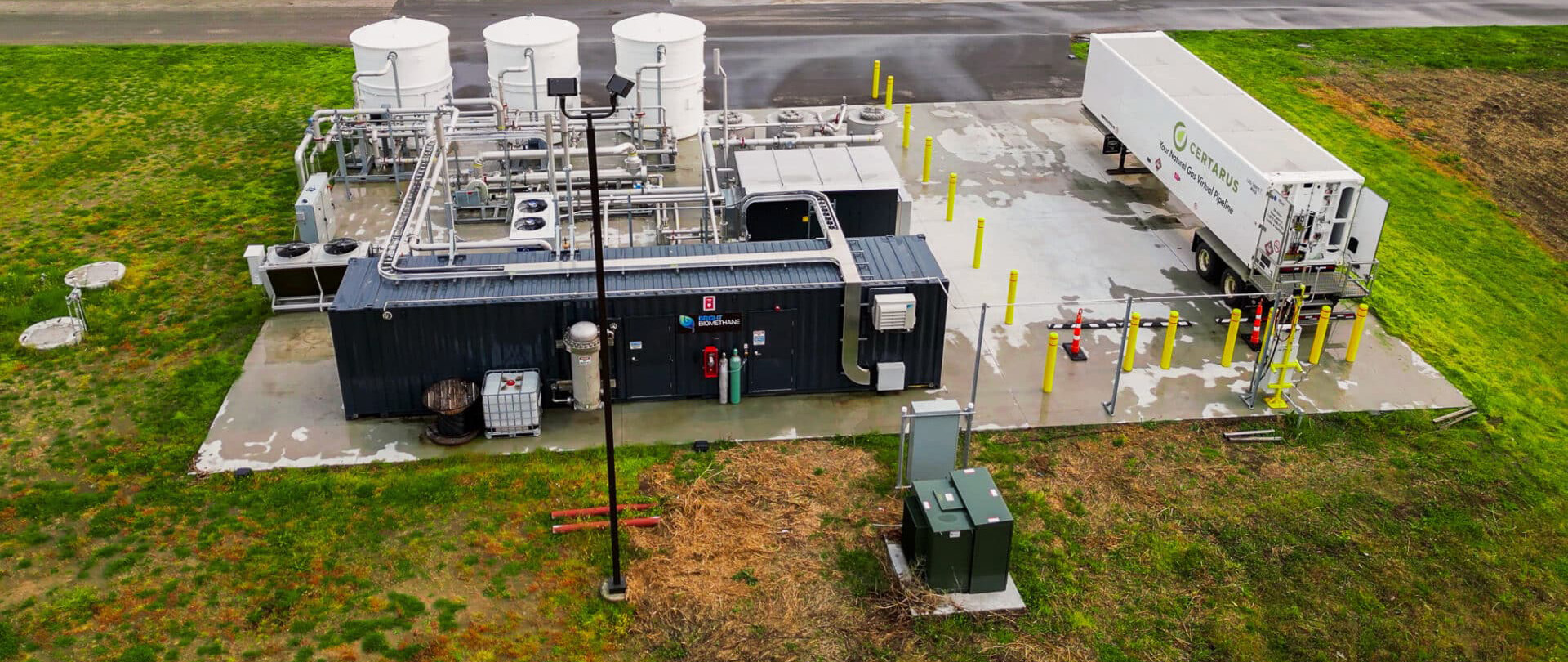
To inject into the gas grid or fuel vehicles, raw biogas must be upgraded to biomethane (over 95% CH4). Selecting the best biogas technology for upgrading is critical.
Water Scrubbing (HPWS): Uses high-pressure water to absorb CO2. Robust and cost-effective for mid-size plants, with moderate methane slip.
Membrane Separation: Gas components are separated under pressure through selective polymeric membranes. Compact, low chemical use, and highly efficient for varying gas flows.
Pressure Swing Adsorption (PSA): Uses adsorbent materials like carbon molecular sieves to trap CO2 under pressure. Known for high purity output and excellent methane recovery rates.
Chemical Scrubbing (Amine Wash): Uses a chemical solvent for highly selective CO2 removal. Often the best biogas technology choice for very large-scale plants requiring extremely high purity.
Application-Based Selection Guide
Your primary end-use dictates the system's sophistication.
For Combined Heat and Power (CHP): Robust digester technology with reliable CHP engines (e.g., MAN, Jenbacher, Caterpillar) is key. Pre-treatment focuses on protecting the engine from siloxanes and impurities.
For Grid Injection: The upgrading unit becomes the centerpiece. You need a reliable, automated upgrading technology (membrane or PSA are popular) paired with precise odorization and grid compliance systems.
For Agricultural Use: Simplicity and durability are paramount. Complete-mix, mesophilic digesters handling manure and crop residues dominate. Low-tech storage and a boiler or basic CHP unit are typical.
Evaluating Technology Providers and Service
The hardware is only as good as the company behind it. Sourcing the best biogas technology involves vetting suppliers thoroughly.
Established Engineering Contractors: Look for firms with a deep portfolio of operational plants. They offer EPC (Engineering, Procurement, Construction) services and guarantee system performance.
Specialized Technology Licensors: Some companies license specific digester or upgrading processes (e.g., Kompogas for dry digestion, DMT/Greenlane for upgrading). They often partner with local contractors.
Key Vendor Qualifications: Demand verifiable references. Assess their after-sales service, spare parts availability, remote monitoring capabilities, and operational support. The best biogas technology providers offer long-term service agreements.
Understanding Costs and Investment Factors
Costs vary wildly based on scale and complexity. A farm-based CHP plant may cost $3,000-$5,000 per kW of installed electrical capacity. A large-scale biomethane plant with upgrading can exceed $10 million.
Capital Expenditure (CAPEX): Includes site work, digester tanks, technology packages, buildings, and grid connection. Upgrading units add significant cost.
Operational Expenditure (OPEX): Covers feedstock, maintenance, labor, consumables (e.g., membrane filters, amine solution), and energy for the plant's own use.
Return on Investment (ROI): Driven by energy sales, tipping fees for waste processing, and digestate value. The best biogas technology optimizes ROI by maximizing uptime and yield while minimizing OPEX through efficient, durable components.
Future-Proofing Your Investment
Technology evolves. Consider modular designs that allow for expansion. Ensure your control system can integrate new sensors or software updates. Discuss with suppliers how their equipment can adapt to potential future feedstocks or stricter emission regulations. Choosing flexible, upgradable systems is a hallmark of forward-thinking procurement.
Selecting the best biogas technology is a complex, multi-disciplinary decision. It requires balancing biochemical requirements, engineering practicality, financial constraints, and long-term operational goals. There is no one-size-fits-all answer, but a methodical approach focused on your specific feedstock, desired end-product, and trusted technology partners will lead to a successful, sustainable biogas plant.
Frequently Asked Questions (FAQ)
Q1: What is the most reliable type of anaerobic digester technology?
A1: For most agricultural and organic waste applications, continuously stirred tank reactors (CSTRs) operating under mesophilic conditions are considered the most proven and reliable biogas technology. Their simplicity, stable biology, and extensive operational history worldwide make them a default choice for consistent performance.
Q2: Which biogas upgrading technology has the lowest operating cost?
A2: While site-specific, membrane separation and water scrubbing technologies are often noted for their relatively lower operational costs for mid-scale plants. They have fewer consumables compared to chemical scrubbing and less energy-intensive regeneration cycles than some PSA systems. However, a detailed life-cycle analysis is essential for an accurate comparison.
Q3: How long does a biogas plant's core technology last before major refurbishment?
A3: With proper maintenance, core digester tanks and concrete structures can last 25+ years. Key mechanical components like agitators, pumps, and CHP engines may require major overhaul or replacement every 8-15 years. Upgrading system modules (membranes, adsorbents) typically have a service life of 5-10 years before replacement is needed.
Q4: Can I integrate different technologies from different vendors?
A4: It is possible but adds complexity and risk. You become the systems integrator, responsible for interfaces and troubleshooting. The best biogas technology projects often use a main EPC contractor who guarantees the entire plant's performance, even if they source sub-components from specialized vendors. This single point of accountability is valuable.
Q5: What is the single most important factor for biogas plant efficiency?
A5: Consistent, high-quality feedstock and professional daily operation are more critical than any specific technology. The best biogas technology will underperform with poor feedstock management or negligent operation. A well-designed, appropriately chosen system operated by trained personnel is the formula for efficiency.