


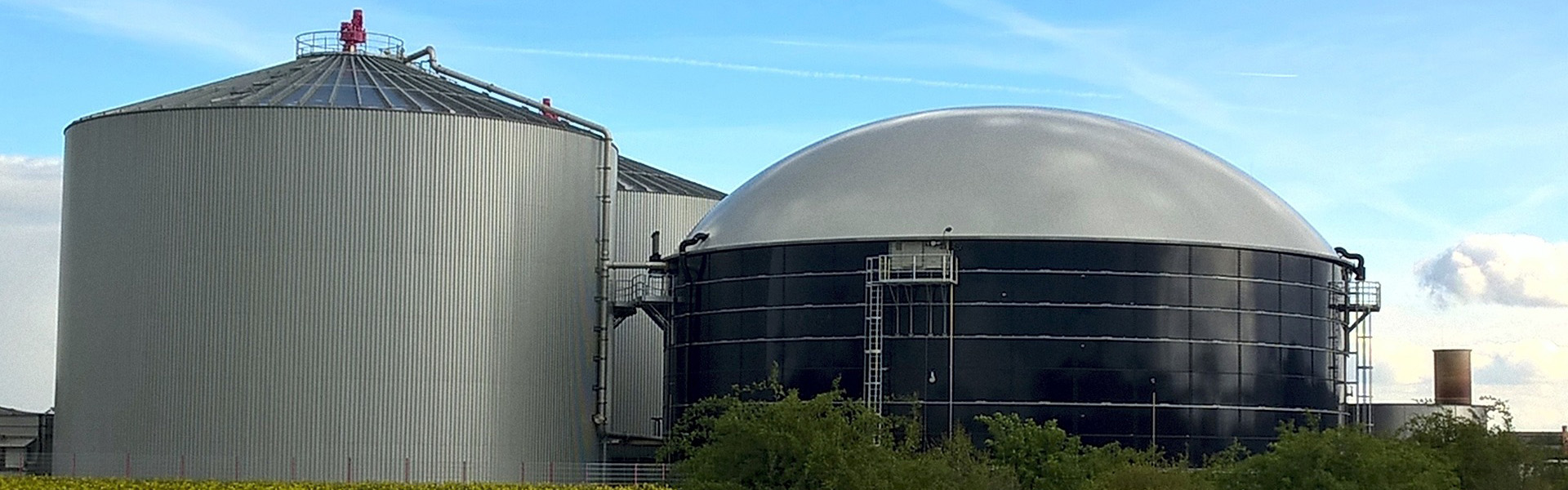
Big Biogas Plant Development: Scale, Technology, and Real-World Economics
Building a big biogas plant is a fundamentally different endeavor compared to smaller agricultural systems. We're talking about facilities processing hundreds of thousands of tonnes of feedstock annually, producing megawatts of power or millions of cubic meters of biomethane. This scale brings unique advantages, complex challenges, and a specific set of technological and financial considerations.
This article breaks down what goes into planning, building, and running a big biogas plant. We'll move past the basics and focus on the critical decisions that define success at an industrial scale.
Defining "Big" in the Biogas Sector
What makes a plant "big"? It's not just about physical size.
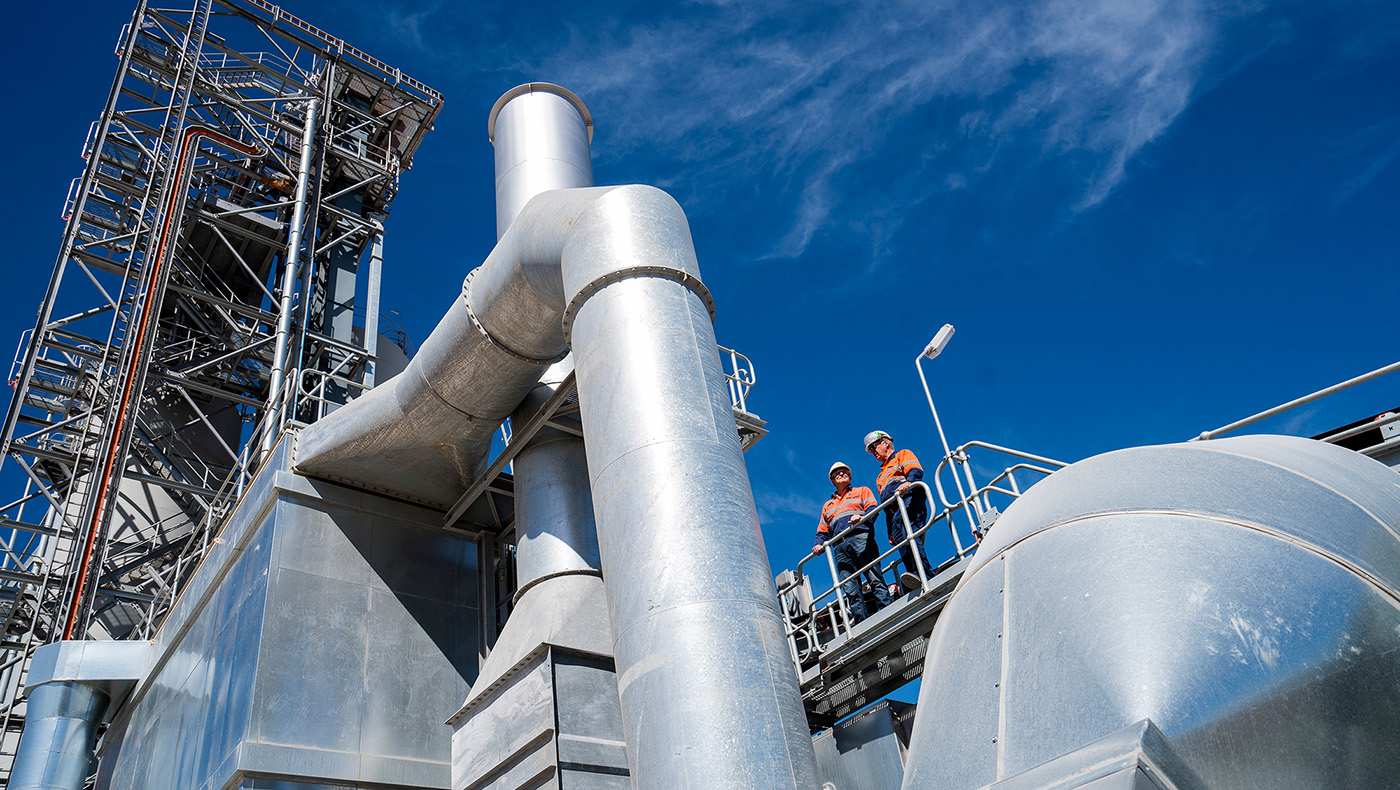
Capacity is the primary metric. A big biogas plant typically has an electrical output exceeding 1 MW or produces over 700 standard cubic meters of raw biogas per hour. Many modern facilities, especially those designed for grid injection, exceed 5 MW equivalent.
Feedstock diversity is another hallmark. These plants rarely rely on a single source. They are engineered to handle complex blends: municipal organic waste, commercial food waste, agricultural residues, and dedicated energy crops. This requires robust logistics and sophisticated pre-treatment.
The end product often shifts from simple combined heat and power (CHP) to renewable natural gas (RNG or biomethane). Injecting into the gas grid or supplying vehicle fuel demands higher purity and involves different revenue models and offtake agreements.
Core Technology Choices for Industrial Scale
The technology stack for a big biogas plant prioritizes efficiency, automation, and uptime.
Digestion Process: While continuous stirred-tank reactors remain common, larger plants often opt for multi-stage systems. A hydrolysis stage can break down complex organics before the main digester, boosting overall yield. Thermophilic digestion is more frequently used to ensure high pathogen reduction and faster throughput.
Pre-treatment is Paramount. Industrial-scale plants require industrial-grade pre-treatment lines. This includes receiving bunkers, bag splitters, shredders, pulpers, pasteurization units, and contaminant removal systems. The ability to handle packaged food waste is a major differentiator.
Advanced Process Control. These plants run on sophisticated SCADA systems. Real-time monitoring of parameters like pH, volatile fatty acids, and biogas composition allows for predictive adjustments. This maximizes efficiency and prevents costly process upsets.
Biogas Upgrading: The Centerpiece of Modern Big Plants
For most large-scale projects today, biogas upgrading is the core value-adding step. Choosing the right upgrading technology is the most critical capital decision.
Chemical Scrubbing (Amine Wash) is often the go-to for the largest facilities. It offers extremely high purity biomethane and excellent methane recovery. Its efficiency scales well with size, making it cost-effective for very high flow rates. The operation requires careful management of the amine solution.
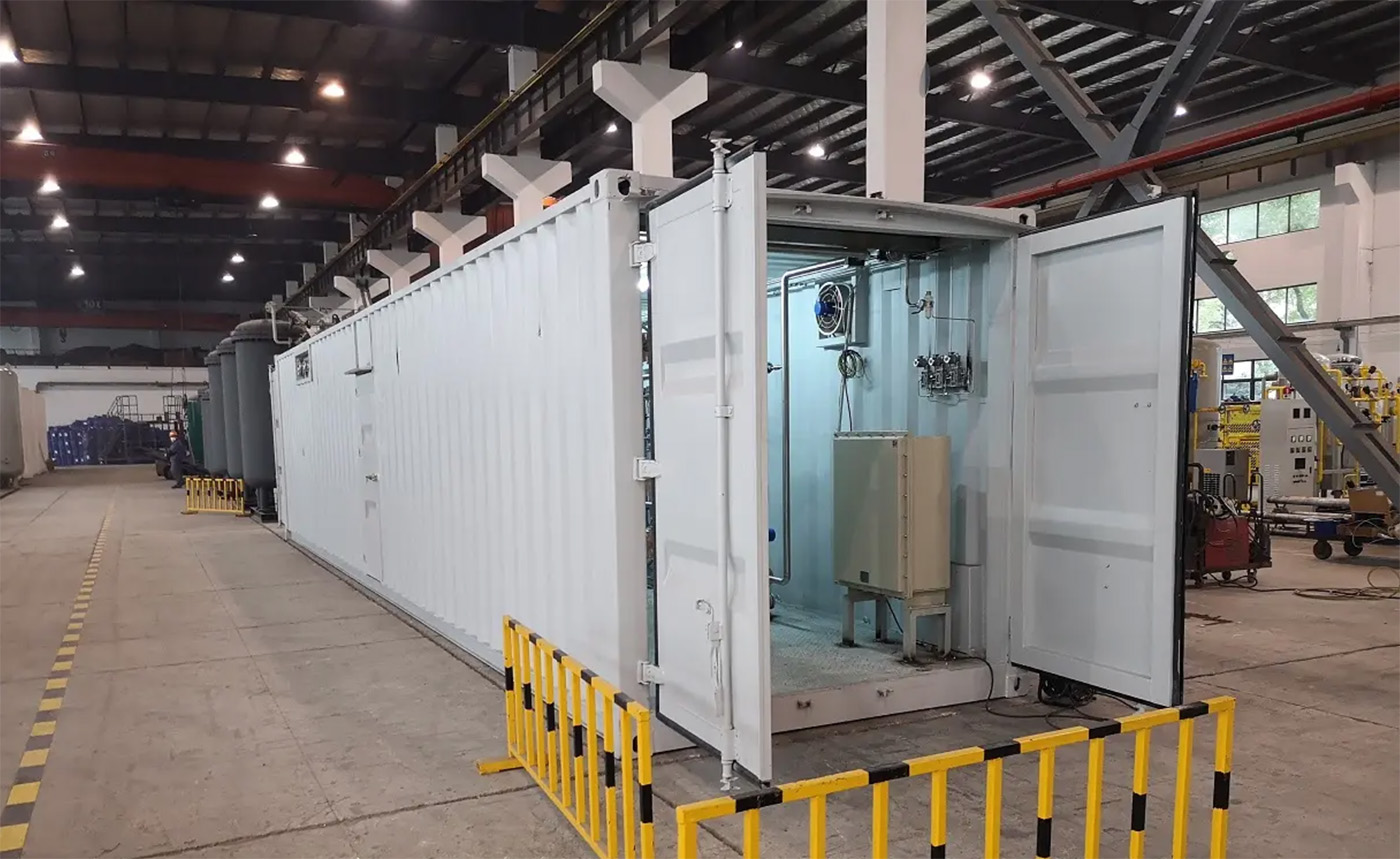
Membrane Separation has gained tremendous ground. Modern multi-stage membrane systems achieve purities above 99%. They are modular, have no chemical consumables, and respond quickly to fluctuating biogas flows. Their compact footprint is also an advantage.
Pressure Swing Adsorption (PSA) is another strong contender, known for its high methane recovery rates. It uses carbon molecular sieves to adsorb CO2 and other gases under pressure.
Each technology has its operational profile. The choice depends on desired purity, local utility specs, energy costs for compression, and the skill set of the operating team.
The Financial Landscape: CAPEX, OPEX, and Funding
The capital expenditure for a big biogas plant is significant, often ranging from $15 million to over $100 million. Costs are driven by the upgrading unit, steel/concrete works, and the extensive material handling systems.
Operational expenditure is a constant focus. Key costs include feedstock procurement (or tipping fees), labor for 24/7 oversight, maintenance of complex machinery, consumables for pre-treatment and upgrading, and grid connection fees.
Revenue streams are multi-pronged: selling biomethane under long-term contracts, receiving renewable energy credits or green certificates, and earning tipping fees for waste processing. The digestate, once certified, can also be sold as a premium organic fertilizer.
Project financing is complex. It involves equity investors, green bank debt, and often depends on securing those long-term offtake agreements for both the gas and the environmental attributes.
Partner Selection and Project Execution
You don't build a big biogas plant alone. The ecosystem of partners is vital.
Technology Providers are often system licensors. Companies like WELTEC BIOPOWER, PlanET Biogas, or Hitachi Zosen Inova offer complete anaerobic digestion solutions. For upgrading, firms like DMT International (Carborex®MS), Greenlane Biogas, or Evonik (membranes) are key players.
Engineering, Procurement, and Construction (EPC) Contractors are essential. They take overall responsibility for building the plant to specification, on time and on budget. Their experience with local regulations and construction practices is invaluable.
Operations and Maintenance (O&M) Partners. Many investors opt for specialized O&M firms to run the plant. This ensures performance guarantees are met and leverages specialized operational expertise from day one.
Site Selection and Regulatory Hurdles
Finding the right location is more than just finding cheap land. A viable site for a big biogas plant needs excellent road access for hundreds of feedstock deliveries. It must be near a suitable gas grid injection point or have a straightforward power grid connection.
Proximity to major feedstock sources—like food processing hubs or population centers—is critical to minimize transport costs.
The permitting process is rigorous. It covers air emissions, water usage and discharge, digestate management, odor control, and traffic impact. Engaging with regulators and the local community early is not just advised; it's a necessity for project survival.
Risks and How to Mitigate Them
Large-scale projects carry large-scale risks.
Feedstock supply risk is top of the list. Long-term supply contracts with volume and quality guarantees are fundamental. A diversified feedstock mix also provides a buffer.
Technology performance risk is mitigated by working with vendors who offer performance guarantees and have a strong track record. A thorough feasibility study with pilot testing for novel feedstocks is crucial.
Offtake and market price risk is managed by securing long-term purchase agreements for the biomethane and its environmental credits before financial close.
A successful big biogas plant is a feat of industrial engineering, financial structuring, and operational excellence. It’s a long-term infrastructure investment that turns organic waste into a reliable, clean energy source. The path is complex, but for regions committed to circular economies and deep decarbonization, these facilities are indispensable.
Frequently Asked Questions (FAQ)
Q1: What is the minimum viable size for a "big" biogas plant focused on grid injection?
A1: While definitions vary, a biomethane plant typically needs to produce at least 250-300 normal cubic meters of raw biogas per hour to make grid injection economically viable with current upgrading technology. This often translates to processing at least 30,000 tonnes of organic waste per year.
Q2: How much land is required for an industrial-scale biogas facility?
A2: A big biogas plant with digestion tanks, upgrading unit, digestate storage, and administration buildings can require 3 to 5 hectares (7-12 acres). This doesn't include additional land for buffer zones or potential feedstock storage. Site layout for truck traffic is a major planning factor.
Q3: What's the typical construction timeline from ground-breaking to commissioning?
A3: For a large, complex plant, expect 18 to 24 months of construction after all permits are secured. The preceding planning, design, and permitting phase can easily take another 18-36 months. Total project development from concept to first gas often spans 3 to 5 years.
Q4: Is it better to choose one EPC contractor or manage multiple technology suppliers separately?
A4: For almost all developers, a single, experienced EPC contractor with a wrapped performance guarantee is the lower-risk path. They manage the integration of all subsystems. Direct management of multiple vendors requires immense in-house engineering expertise and assumes all interface risks.
Q5: What is the single biggest operational challenge in running a large biogas plant?
A5: Consistent feedstock quality and composition. Unlike a farm-based plant with predictable manure, a large waste-processing facility receives highly variable material. Maintaining a stable, efficient biological digestion process amidst this variability requires expert process control and a well-designed pre-treatment line.