


News
We'll get back to you as soon as possible.
10 Biggest Biogas Companies in 2026 Powering the Global Green Revolution
The global push for renewable energy and sustainable waste management has thrust biogas into the spotlight. This sector is no longer a niche market but a rapidly growing industry with significant players driving innovation and scale. For investors, project developers, and industry stakeholders, understanding the landscape is crucial. This article delves into the world of the biggest biogas companies that are leading the charge in production, technology, and project development on an international scale.
These firms are not just producers; they are often integrated energy companies, technology providers, and service operators. They are essential partners in the biogas value chain, from anaerobic digestion and gas upgrading to grid injection and bio-CNG distribution.
The Global Leaders: A Profile of Major Players
Identifying the single "biggest" can be complex, as companies excel in different areas—total energy output, number of plants, technological patents, or geographical reach. The following profiles highlight key biggest biogas companies and consortiums shaping the market.
ENGIE (France): A global energy giant, ENGIE is a major force in renewable biogas. Through subsidiaries like ENGIE Biogas, they operate over 350 biogas units worldwide. Their focus spans agricultural, landfill, and wastewater treatment plant biogas, with strong activity in Europe and North America.
Nature Energy (Denmark/Shell): Recently acquired by Shell, Nature Energy is a pure-play biogas producer and a European leader. It operates large-scale centralized anaerobic digestion plants, primarily using agricultural and household organic waste. Its partnership with Shell aims to rapidly scale production of Renewable Natural Gas (RNG).
Air Liquide (France): A leader in gases, technology, and services, Air Liquide is pivotal in the biogas upgrading segment. Their proprietary membrane and cryogenic technologies are used by many of the world's biggest biogas companies to purify raw biogas into high-purity biomethane for grid injection or vehicle fuel.
Wärtsilä (Finland): This technology group provides complete lifecycle solutions for the biogas sector. Their offerings include efficient biogas plants, advanced gas upgrading systems (Seperion® membrane technology), and flexible engine solutions for power generation, serving a global client base.
Scandinavian Biogas (Sweden): A leading international producer of biofertilizers and biogas, this company has a strong presence in the Nordics and South Korea. They specialize in turning organic waste from municipalities and industries into vehicle fuel and fertilizer, showcasing a circular economy model.
Core Technologies Driving the Industry
The growth of these biggest biogas companies is underpinned by continuous technological advancement. The efficiency of biogas production and upgrading is critical for economic viability.
Anaerobic Digestion (AD) Process Optimization: Leaders invest in proprietary digestion technologies that handle diverse feedstocks, increase gas yield, and reduce downtime. This includes pre-treatment systems and advanced process control software.
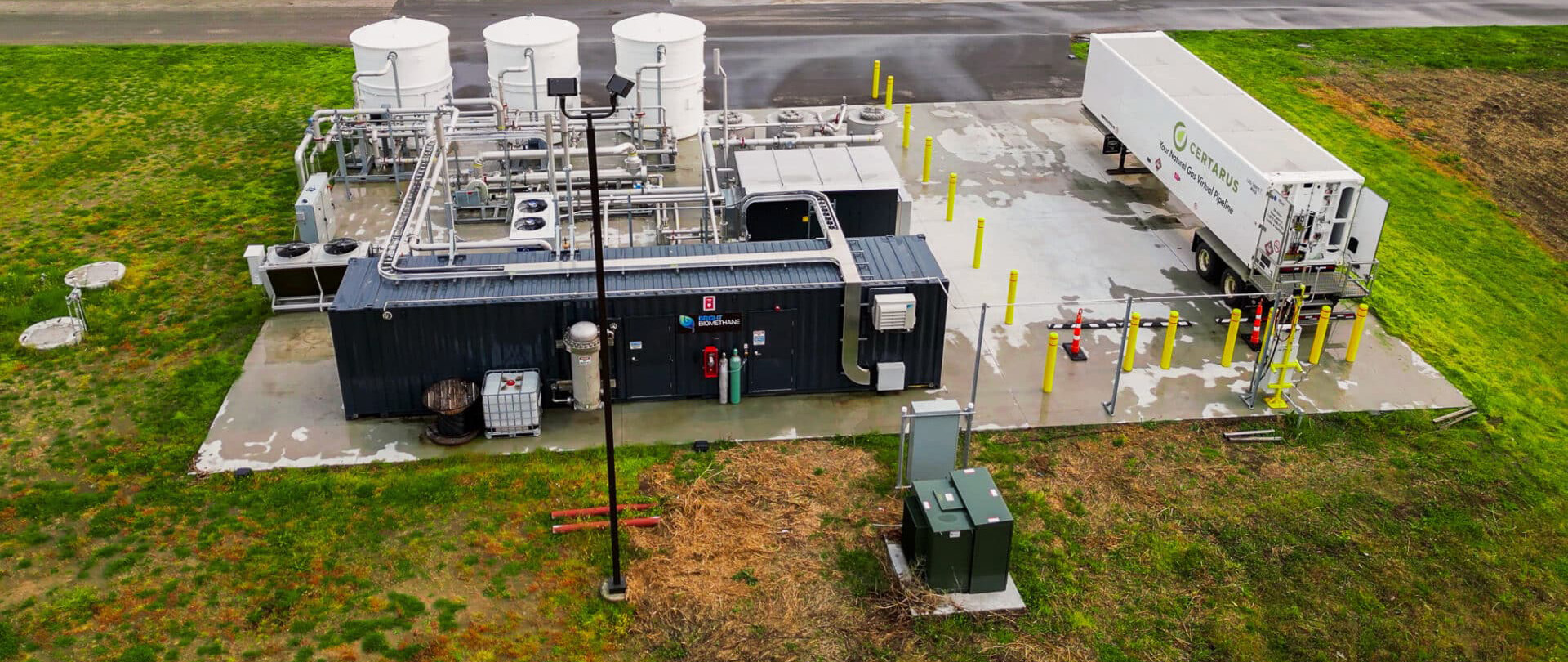
Gas Upgrading Equipment: This is a key differentiator. Technologies like Water Scrubbing, Pressure Swing Adsorption (PSA), Membrane Separation, and Cryogenic Upgrading are used to remove CO2, H2S, and other impurities. Companies like Xebec Adsorption and DMT Environmental Technology are notable specialists here.
Digitalization & IoT: Modern plants are increasingly smart. Remote monitoring, predictive maintenance, and AI-driven process optimization allow the biggest biogas companies to maximize output and reduce operational costs across distributed assets.
Market Applications and Commercial Models
The end-use of biogas determines project economics. Leading companies are active across all applications, often combining several.
Grid Injection: Purified biomethane is fed into the natural gas grid. This requires stringent gas quality standards and is a major focus in Europe, supported by strong regulatory frameworks.
Transportation Fuel (Bio-CNG/LNG): Compressed or liquefied biomethane is used as a low-carbon fuel for trucks, buses, and ships. This sector is growing rapidly, especially in North America, driven by low-carbon fuel standards.
Combined Heat and Power (CHP): Biogas is used on-site to generate electricity and useful heat. This is a common model for farm-based or industrial waste-to-energy projects.
Commercial Services: EPC and O&M: Many top firms offer Engineering, Procurement, and Construction (EPC) services to build plants for clients. They also provide long-term Operation & Maintenance (O&M) contracts, creating recurring revenue streams.
Choosing a Partner: A Project Developer's Guide
Selecting a technology provider or joint-venture partner from among the biggest biogas companies depends on project specifics.
Assess Technological Fit: Match the company’s core technology (e.g., feedstock expertise, upgrading method) with your project's primary feedstock (manure, food waste, landfill gas) and intended output (grid gas, CNG, power).
Evaluate Financial Stability and Track Record: Look for a partner with a proven history of successful projects of similar scale and complexity. Financial strength is crucial for long-term O&M commitments.
Consider Local Support and Global Reach: Does the company have local service teams or a strong network of partners? Global expertise combined with local execution capability is ideal.
Analyze the Total Cost of Ownership: Look beyond capex. Consider long-term efficiency, maintenance costs, and the partner's ability to guarantee gas yield and uptime.
The Future Outlook and Industry Trends
The trajectory for the biggest biogas companies points toward consolidation, technological integration, and geographical expansion. Expect more strategic acquisitions as oil majors and utility companies seek to enter the space.
The focus is shifting toward producing even higher-value products, such as bio-LNG for heavy transport and shipping. Furthermore, the integration of biogas production with carbon capture and storage (BECCS) is emerging as a key trend to generate carbon-negative energy.
Policy will remain a key driver. Supportive regulations in the EU, North America, and parts of Asia will continue to create opportunities for these industry leaders to deploy capital and expertise at an even larger scale.
In conclusion, the landscape defined by the biggest biogas companies is dynamic and increasingly central to the global energy transition. Their role in providing dispatchable renewable gas, managing organic waste, and producing green fertilizers makes them critical players in building a circular, low-carbon economy.
Frequently Asked Questions (FAQs)
Q1: What exactly do the biggest biogas companies do?
A1: The biggest biogas companies are typically integrated players. They may design and build biogas plants, manufacture core upgrading technology, operate production facilities, and market the final biomethane or bio-CNG. Their business models often combine several of these activities.
Q2: Is biogas considered a reliable source of energy?
A2: Yes. Unlike wind or solar, biogas production is dispatchable and can operate continuously, providing a stable baseload renewable energy source. This makes it a valuable asset for grid stability and decarbonizing hard-to-electrify sectors like heavy transport.
Q3: How does the cost of energy from biogas compare to natural gas?
A3: Currently, producing biomethane is often more expensive than extracting fossil natural gas. However, costs are falling with technology scale and efficiency. The economics are heavily influenced by government subsidies, carbon pricing, and the value of digestate (organic fertilizer) as a co-product.
Q4: What are the main feedstocks used by these large-scale operators?
A4: Leading companies use a variety of feedstocks, including dedicated energy crops, agricultural manure and residues, organic municipal solid waste, food processing waste, and landfill gas. The trend is toward using waste and residue streams to enhance sustainability.
Q5: Are these large companies involved in small-scale farm projects?
A5: While their flagship projects are often large, many of the biggest biogas companies also offer modular, containerized solutions or provide key technology components (like upgrading units) for smaller-scale farm-based or industrial projects through their partner networks.