


News
We'll get back to you as soon as possible.
7 Essential Insights Before Investing in a Biogas CNG Plant
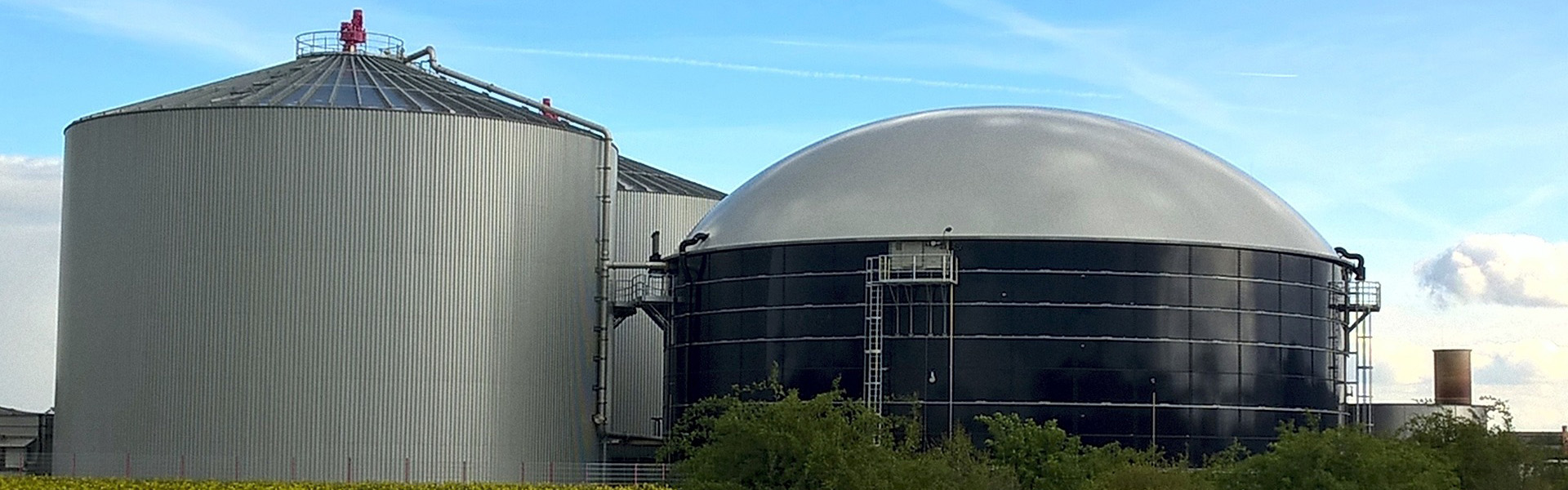
The transition to sustainable energy is accelerating, and biogas CNG plant technology sits at the forefront of this shift. This system transforms organic waste—from agricultural residue, municipal waste, or manure—into a high-value, renewable fuel: Compressed Biogas (CBG). A biogas upgrading plant purifies raw biogas by removing carbon dioxide and other impurities, resulting in biomethane that meets natural gas pipeline and vehicle fuel standards. For industries, farmers, and entrepreneurs, investing in a biogas to CNG plant represents a significant opportunity for waste management, energy independence, and revenue generation. This article provides a clear, detailed look at the critical aspects of these systems.
Core Information: What is a Biogas CNG Plant?
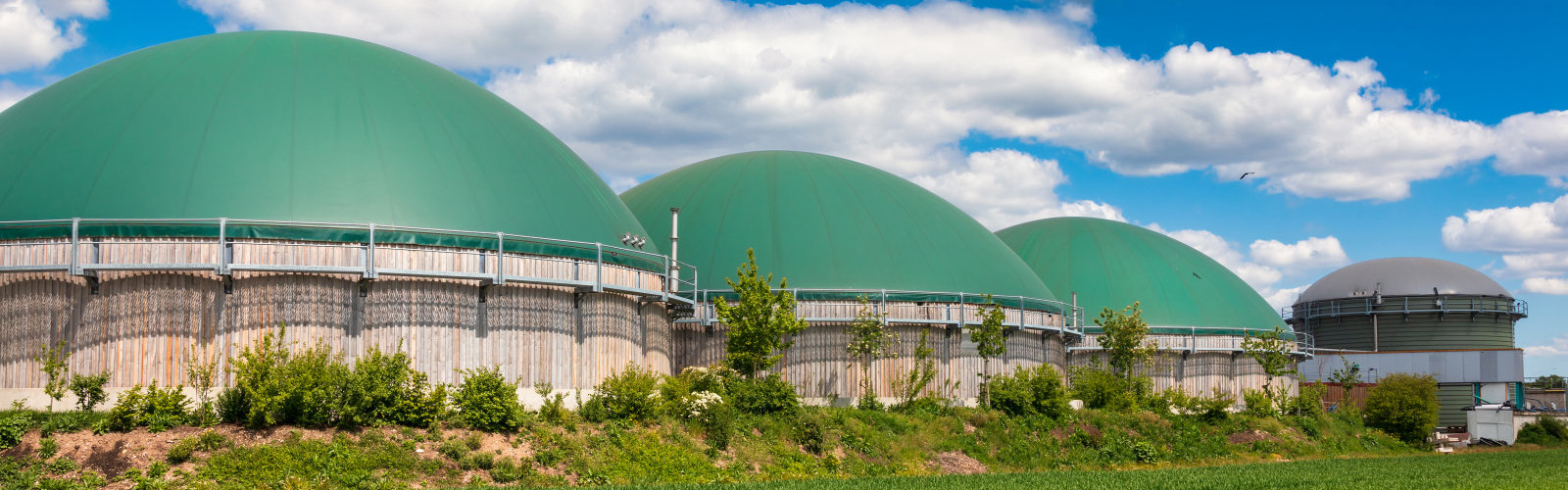
A biogas CNG plant is an integrated facility that combines anaerobic digestion, gas upgrading, and compression. The process begins with feedstock being digested to produce raw biogas, primarily methane and CO2.
The core of the operation is the biogas upgrading plant module. Here, technologies like Water Scrubbing, Membrane Separation, or Pressure Swing Adsorption (PSA) remove contaminants. The result is over 95% pure methane, or biomethane.
Finally, this clean biomethane is compressed to high pressures (around 250 bar) in the biogas to CNG plant compression unit. This creates CBG, which is functionally identical to fossil Compressed Natural Gas and can be used in existing CNG vehicles, injected into gas grids, or stored for later use.
Applications and Selection Guide
The application dictates the optimal plant design. Choosing the right biogas CNG plant configuration is crucial for economic viability.
For On-Site Vehicle Fleets: Farms, food processing units, or municipal transport depots can install a biogas to CNG plant to fuel their own trucks, buses, or waste collection vehicles. This locks in low, stable fuel costs and reduces carbon emissions directly.
For CBG Injection & Sale: A larger biogas upgrading plant can connect to the natural gas grid, selling gas directly to utilities. Alternatively, it can fill cascades for sale to commercial CNG stations. This model often requires larger scale and robust gas quality monitoring.
For Industrial Process Heat: Industries requiring high-temperature heat can use upgraded biogas directly in boilers or furnaces, replacing fossil LNG or LPG.
Key selection factors include: daily feedstock quantity and type, desired end-product (grid gas vs. vehicle fuel), available space, and local gas quality regulations. A modular biogas CNG plant offers scalability for growing operations.
Price Factors and Investment Considerations
The capital expenditure for a biogas to CNG plant is substantial, but so is the return on investment. Prices are highly project-specific.
A small-scale, containerized biogas upgrading plant might start at a few hundred thousand dollars. A full-scale, turnkey facility processing tens of tons of feedstock daily can run into millions.
Major cost components include: the digester system, the biogas upgrading plant technology (PSA often has a higher capex than water scrubbers, for instance), the gas compression and storage modules, and civil works. Operational costs cover feedstock pre-treatment, labor, maintenance, and energy for compression.
Government subsidies, carbon credits, and guaranteed feed-in tariffs for CBG in many countries dramatically improve the financial model. A clear offtake agreement for the gas is the most critical factor for securing financing.
Commercial Services and Project Support
Implementing a biogas CNG plant is not just about buying equipment. It requires comprehensive project development support.
Leading international manufacturers and engineering firms offer end-to-end services. This begins with feasibility studies to assess feedstock potential and economic returns.
Design & Engineering follows, creating a tailored blueprint for the biogas upgrading plant and balance-of-plant. Turnkey delivery ensures a single point of responsibility for construction, commissioning, and performance testing.
Crucially, Operation & Maintenance (O&M) contracts are vital. A biogas to CNG plant is a complex chemical and mechanical system; professional O&M ensures uptime, gas quality consistency, and long-term equipment health. Many providers also assist with permit acquisition and financing paperwork.
Technology Breakdown: Upgrading and Compression
The technological heart is the biogas upgrading plant. Each method has pros and cons.
Water Scrubbing (Physical Absorption): Uses high-pressure water to absorb CO2 and H2S. It's robust and cost-effective for medium-scale plants but may require water treatment.
Pressure Swing Adsorption (PSA): Uses adsorbent materials like activated carbon or zeolites to separate methane under pressure. It achieves very high purity (>99% methane) and is highly automated.
Membrane Separation: Utilizes selective polymeric membranes that allow CO2 and water vapor to permeate faster than methane. It's compact, energy-efficient, and ideal for decentralized applications.
Following upgrading, the biogas to CNG plant stage employs multi-stage compressors to raise gas pressure. Dry, oil-free compressors are essential to prevent contamination. The compressed gas is then dried again and stored in high-pressure buffer vessels or cascade systems before dispensing.
Investing in a biogas CNG plant is a strategic move that aligns profitability with environmental stewardship. It converts a liability—organic waste—into a clean, renewable energy source and valuable bio-fertilizer. Success hinges on thorough planning, selecting the right biogas upgrading plant technology for your specific context, and partnering with experienced providers for long-term support. As global focus on circular economy and decarbonization intensifies, the biogas to CNG plant stands as a proven and scalable solution for a sustainable future.
Frequently Asked Questions (FAQs)
Q1: What is the typical lifespan of a biogas CNG plant?
A1: A well-designed and maintained biogas CNG plant can have an operational lifespan of 20 to 25 years. The anaerobic digester and core tanks are long-lasting, while components like compressors and membrane modules in the biogas upgrading plant may require refurbishment or replacement sooner, typically around the 10-15 year mark.
Q2: How much space is required to set up a plant?
A2: Space requirements vary greatly with capacity. A compact, containerized biogas to CNG plant for small-scale applications might need 500-1000 sq. meters. A large-scale facility with feedstock storage, multiple digesters, and upgrading units could require several hectares. A detailed layout is part of the initial feasibility study.
Q3: What are the most common operational challenges?
A3: Consistent feedstock supply and quality are paramount. Fluctuations can disrupt digestion. Maintaining the strict gas purity standards in the biogas upgrading plant requires vigilant monitoring and maintenance. Managing biological processes in the digester (e.g., pH, temperature) and handling digestate are also key operational focus areas.
Q4: Is the produced CBG different from fossil CNG?
A4: No, in terms of chemical composition and performance, they are identical. The CBG from a biogas to CNG plant is over 95% methane and meets the same stringent standards (like ISO 15403) as fossil CNG. It can be used interchangeably in any CNG vehicle or pipeline without modification.
Q5: Are there government incentives available for such projects?
A5: Yes, many countries offer strong incentives. These can include capital investment subsidies, guaranteed minimum prices for CBG (through schemes like Renewable Purchase Obligations), tax benefits, and tradable carbon credits. The specific policies vary significantly by region and are a major driver for the economics of a biogas CNG plant.